For Homes
We dry and refinish hardwood floors in houses, condos, and rentals across Fort Worth. You get daily moisture readings and a clear plan.
- Appliance and supply line leaks
- Slab leaks under living areas
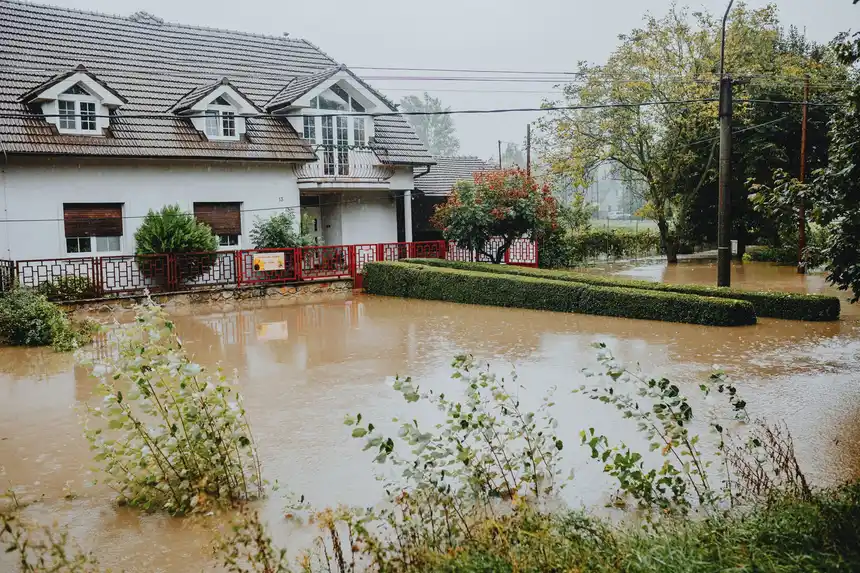
- Storm water under doors
Hardwood Floor Water Damage Repair in Fort Worth starts the moment water hits your boards. We pull moisture with air movers and dehumidifiers, check every plank with a moisture meter, and refinish what can be saved. Whether a burst pipe soaked your living room or a slab leak crept under the oak, our crew handles hardwood floor restoration in Fort Worth from first inspection to final coat.
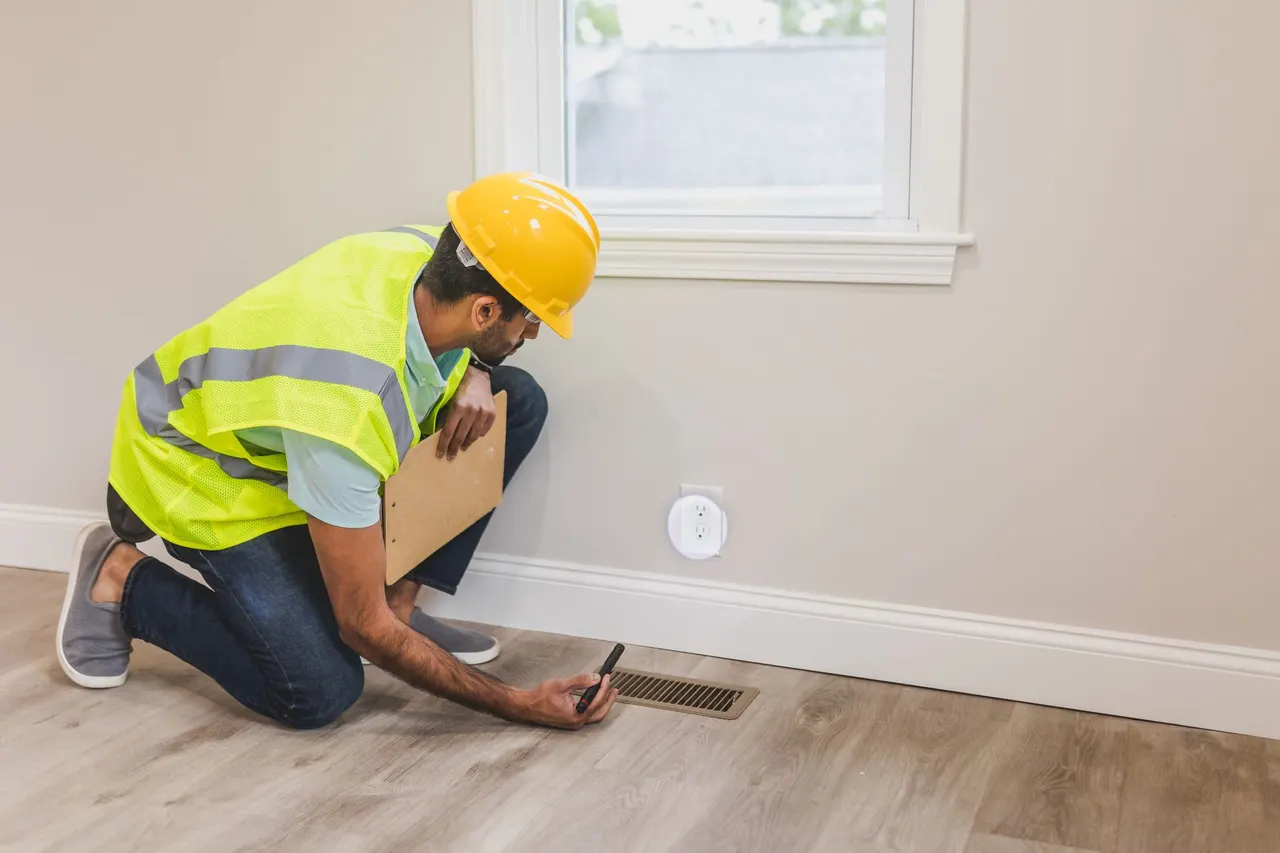 Moisture readings loggedBoards checked for cuppingSubfloor inspected
Every job starts with an inspection and a written range. From there, the scope depends on how far the water traveled and how long it sat. Here is what we handle on a typical Fort Worth hardwood floor water damage repair, and what we add on when the damage is deeper.
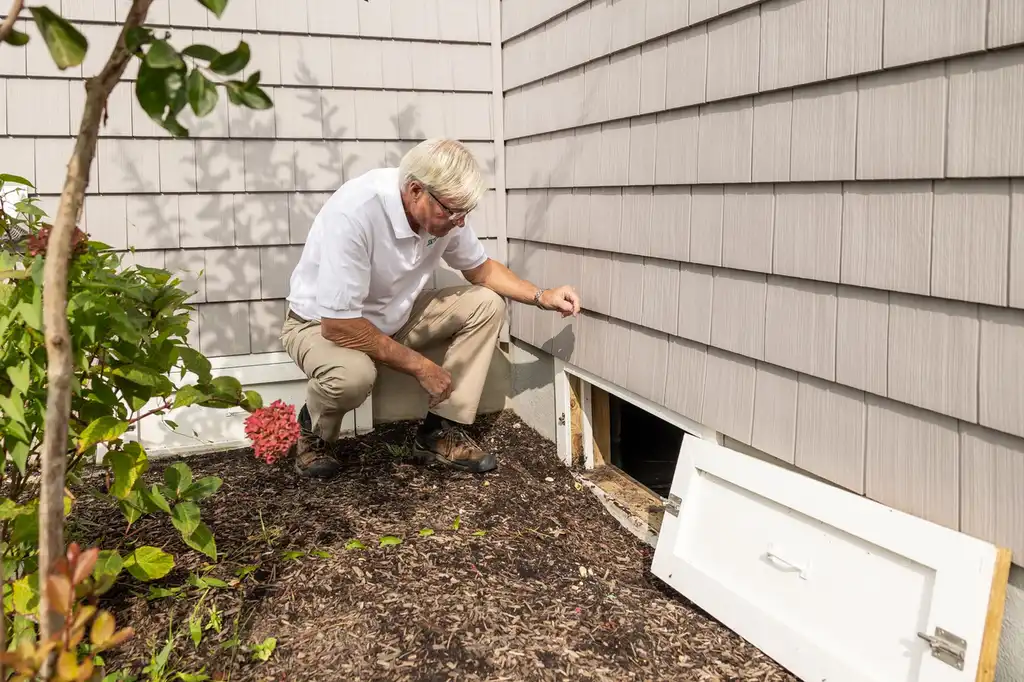
We walk the floor with a moisture meter and thermal imaging camera to find every wet zone. Readings are logged and photographed so you see the same data we do. This step tells us which boards can be dried and which need to come up.
Standing water comes off the floor with a water extraction unit and sump pump. We pull baseboards where needed and check the carpet padding if the water spread. Extraction usually takes one to three hours depending on the volume.
We set Dri-Eaz air movers, Phoenix Restoration Equipment dehumidifiers, and floor drying mats to pull moisture from the wood grain. A hygrometer reading is logged each day until the floor hits dry standard. Most Fort Worth jobs dry in three to five days.
Boards that cannot be saved are replaced with matching stock. We sand the affected area, apply stain and sealant, and blend the finish so the repair disappears. The final coat goes on after the wood stabilizes.
We photograph the loss, map the affected area, and write the scope in Xactimate for your adjuster. That paperwork supports your claim and keeps the repair moving. You get a clear record from day one.
Before we pack up, we walk the floor with you and check the finish, the edges, and the moisture readings one last time. Any touch-ups get handled on the spot. You sign off only when the floor looks right.
The approach is the same for a home and a business. What changes is the access, the schedule and who needs the paperwork.
We dry and refinish hardwood floors in houses, condos, and rentals across Fort Worth. You get daily moisture readings and a clear plan.
We work after hours to dry and repair hardwood floors in restaurants, offices, and retail spaces. Downtime stays short and the floor gets documented.
A plain-language look at what Hardwood Floor Water Damage Repair involves and when it is needed.
See how it worksHardwood Floor Water Damage Repair in Fort Worth is the process of extracting standing water, drying the subfloor and boards, then sanding and refinishing planks that have cupped, crowned, or buckled. We start with moisture mapping using a moisture meter and thermal imaging camera, then set Dri-Eaz air movers and Phoenix Restoration Equipment dehumidifiers to pull water out of the wood grain. If a board is too far gone, we replace it with matching stock and blend the finish so the repair disappears.
Fort Worth homes deal with slab leaks, burst pipes, and storm flooding that push water under hardwood fast. In Tarrant County, the clay soil shifts with every wet-dry cycle, which cracks supply lines and sends water up through the slab. We see it most in older Fairmount bungalows and Near Southside duplexes where original oak floors sit over pier-and-beam or thin slab. If you search for hardwood floor water damage repair near me Fort Worth after a pipe lets go, we can usually be on site the same day to stop the damage from spreading.
Water under hardwood gets worse by the hour, so drying starts the day you call.

Every job follows the same five steps. You will know what is happening, how long it takes, and what it costs before we start sanding.
You call, we ask what happened and where the water came from. We schedule a same-day visit for most Fort Worth addresses and tell you to shut off the water if you can. We also walk you through moving furniture and pulling up rugs so the floor can start breathing.

We walk the floor with a moisture meter and thermal imaging camera to find every wet spot. A boroscope checks under the boards and into the wall cavity. You get a clear picture of how far the water traveled and which planks are worth saving.
Standing water comes up with a water extraction unit and sump pump. We pull baseboards where needed and check the carpet padding if the water spread. This step usually takes one to three hours depending on how much water is sitting on the floor.
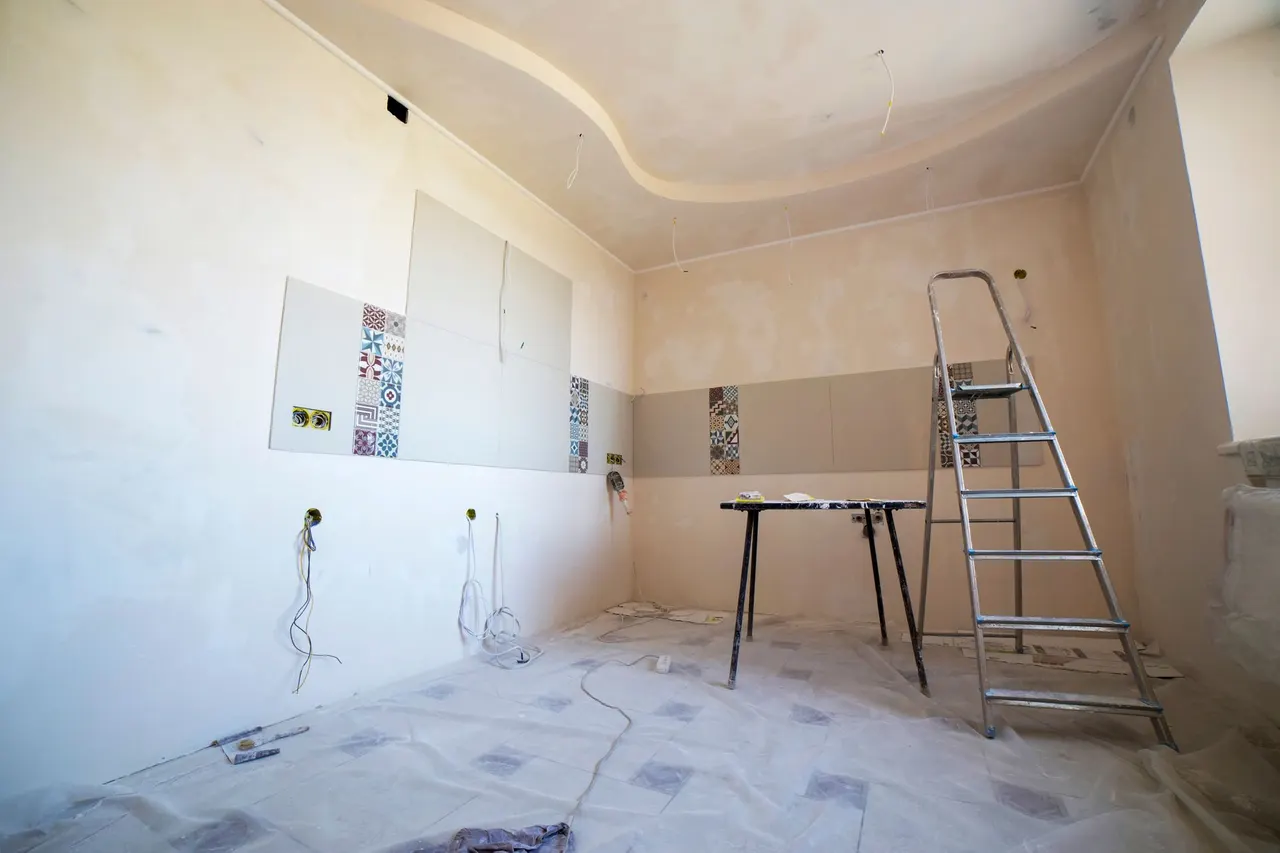
We set Dri-Eaz air movers, Phoenix Restoration Equipment dehumidifiers, and floor drying mats to pull moisture from the wood. A hygrometer reading is logged each day so we know when the floor hits dry standard. Most Fort Worth jobs dry in three to five days.
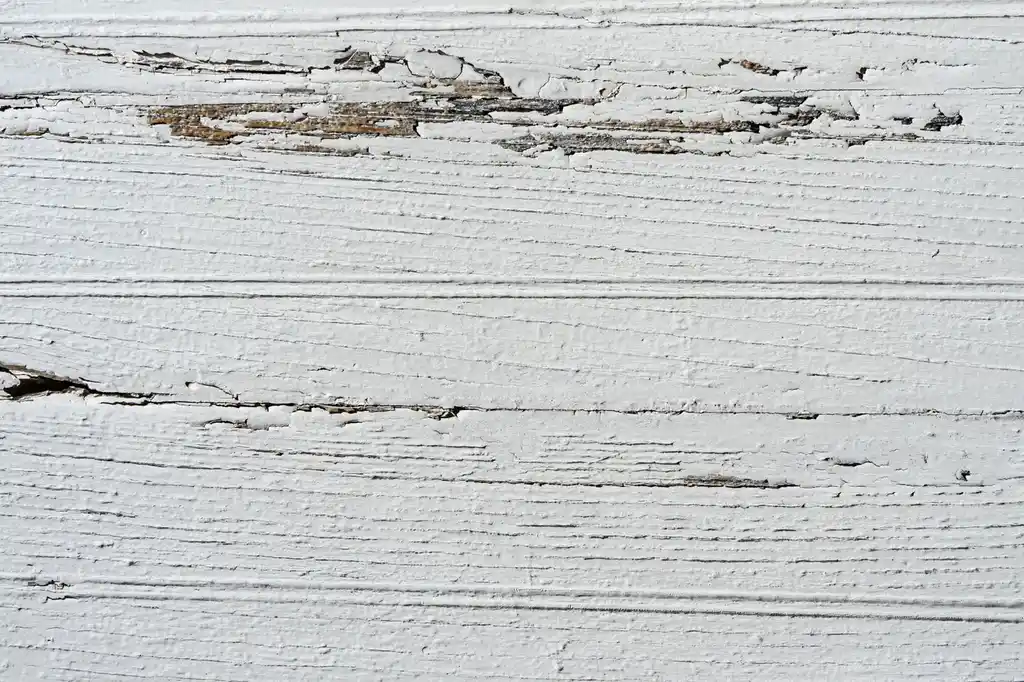
Once the moisture readings are normal, we sand the affected area, replace any boards that could not be saved, and apply stain and sealant to match. The final coat goes on after the wood stabilizes. You get a floor that looks like the water never touched it.
Move across a circle, or focus it and press Enter, for an illustrative thermal view of the photograph.

Reads the moisture content in the wood and subfloor so we know exactly where the water is and when the floor is dry.
Shows temperature differences that reveal hidden moisture under the floor, behind baseboards, and inside wall cavities.
Measures relative humidity in the room so we can track drying progress and adjust equipment as needed.
High-velocity fans that push air across the floor surface to speed evaporation from the wood grain.
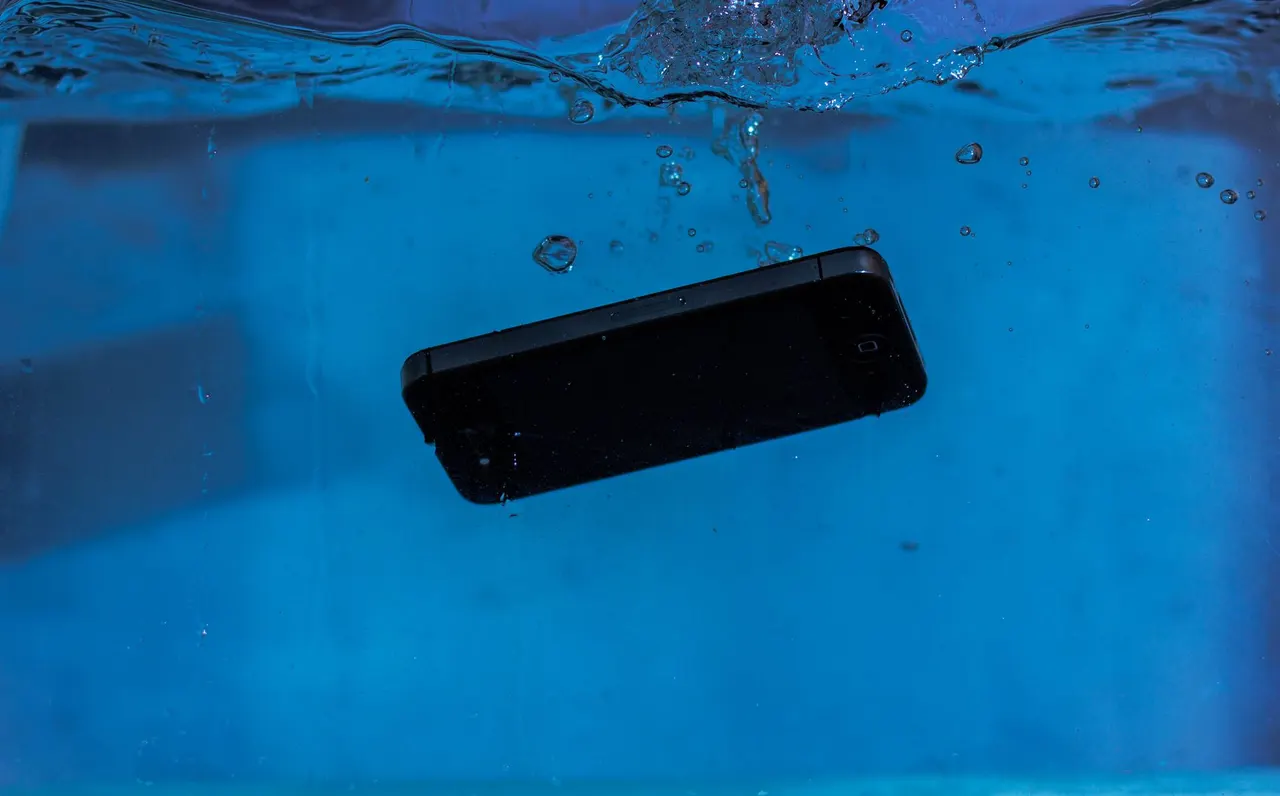
Pull moisture out of the air so the wood releases water faster and secondary damage is prevented.
Thermal views are illustrative, generated from the photographs.
Sits directly on the hardwood and pulls moisture up through the boards without damaging the finish.
Lets us see under the floor and inside wall cavities to check for hidden water and mold growth.
We follow the IICRC S500 standard for water damage restoration, which sets the drying goals and monitoring schedule for every job. It is the industry benchmark for a reason.
Our ASD-trained technicians design a drying system that accounts for the floor, subfloor, and surrounding walls. It is not just fans in a room. It is a calculated plan based on moisture readings.
We map the wet area with a moisture meter and thermal imaging camera, then mark the boundaries. That map guides where we place equipment and tells us when the job is done.
Every day we log moisture readings and share them with you. You see the numbers drop and know exactly when the floor is dry. No guessing, no vague timelines.
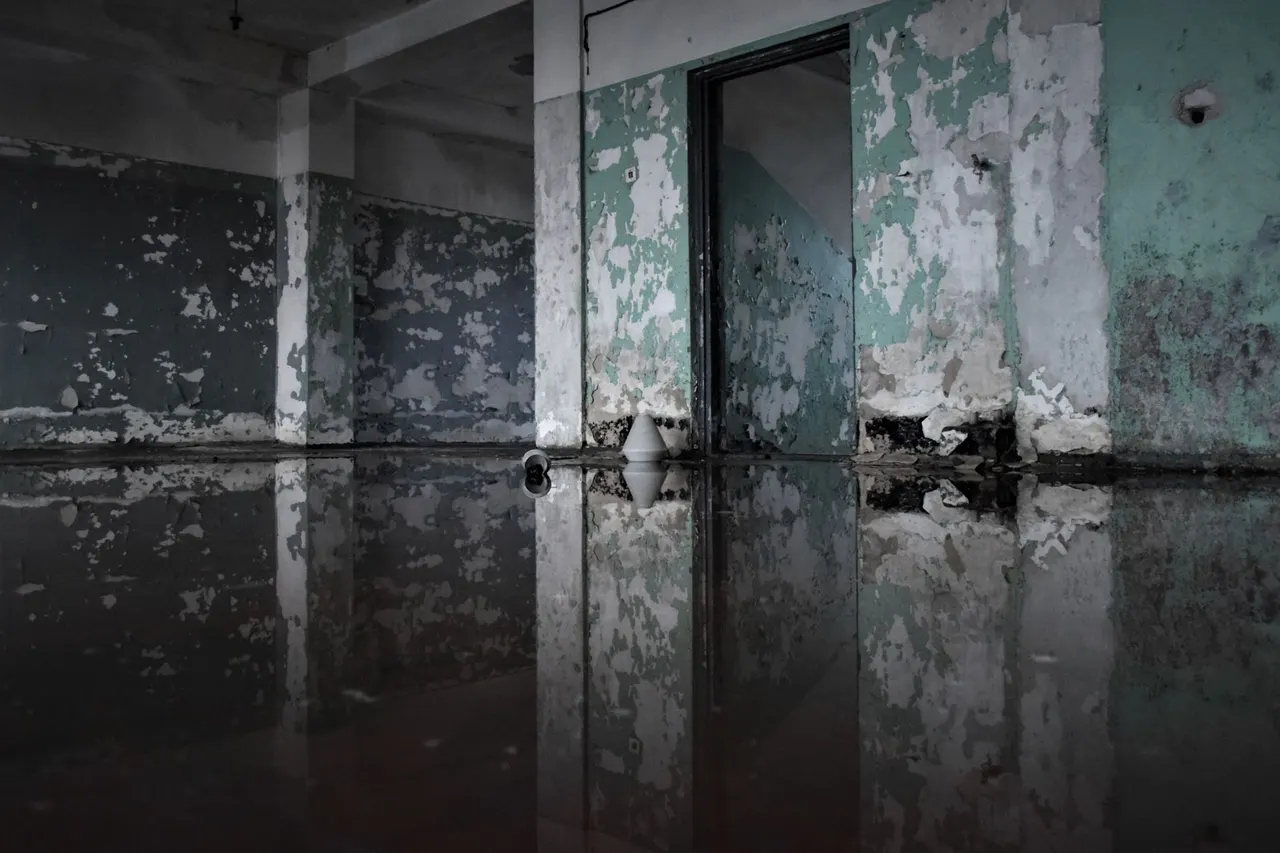
A pipe bursts under the kitchen sink at 2 a.m. and water spreads across the oak floor into the dining room.
We extract standing water, pull the baseboards, and set air movers and dehumidifiers. A moisture meter maps how far the water traveled under the boards. We check the subfloor with a boroscope before deciding what can be saved.
Outcome: The floor dries in four days, two boards are replaced, and the finish is blended so the repair is invisible.
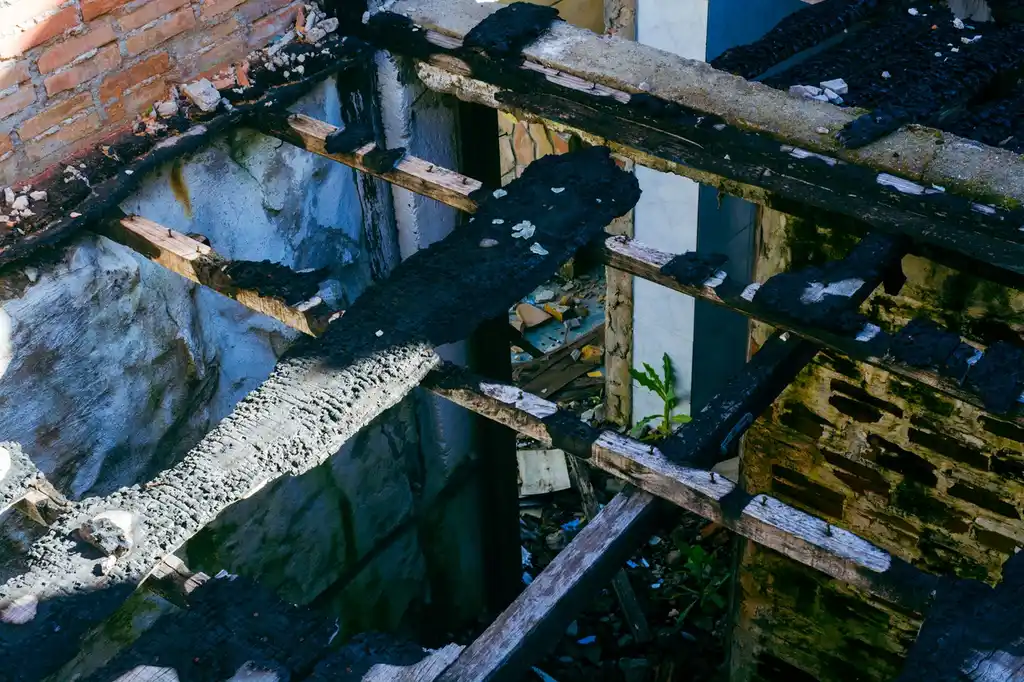
A washing machine supply line leaks overnight and the hallway hardwood is cupped by morning.
We pull the appliance, extract the water, and set floor drying mats to pull moisture from the grain. Daily hygrometer readings tell us when the wood is dry. Then we sand and refinish the cupped area.
Outcome: The cupping flattens out, the finish matches the rest of the hall, and you avoid a full floor replacement.
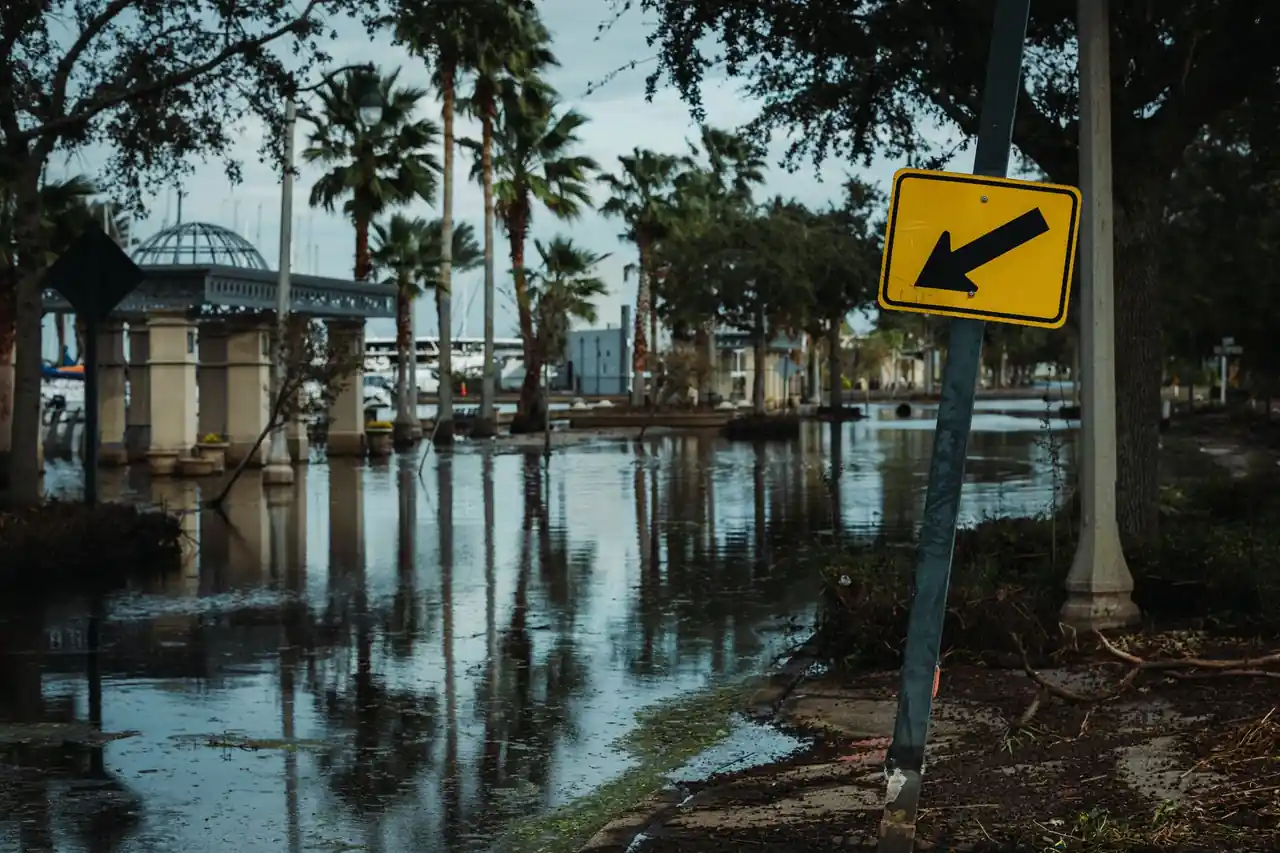
A slab leak pushes water up through the living room floor in a Near Southside bungalow.
We locate the leak with thermal imaging, coordinate the plumbing repair, and dry the slab. Once the source is stopped, we dry the hardwood and check the subfloor for mold growth. Then we refinish or replace as needed.
Outcome: The leak is fixed, the floor is dry and flat, and the room is back in use without a full remodel.
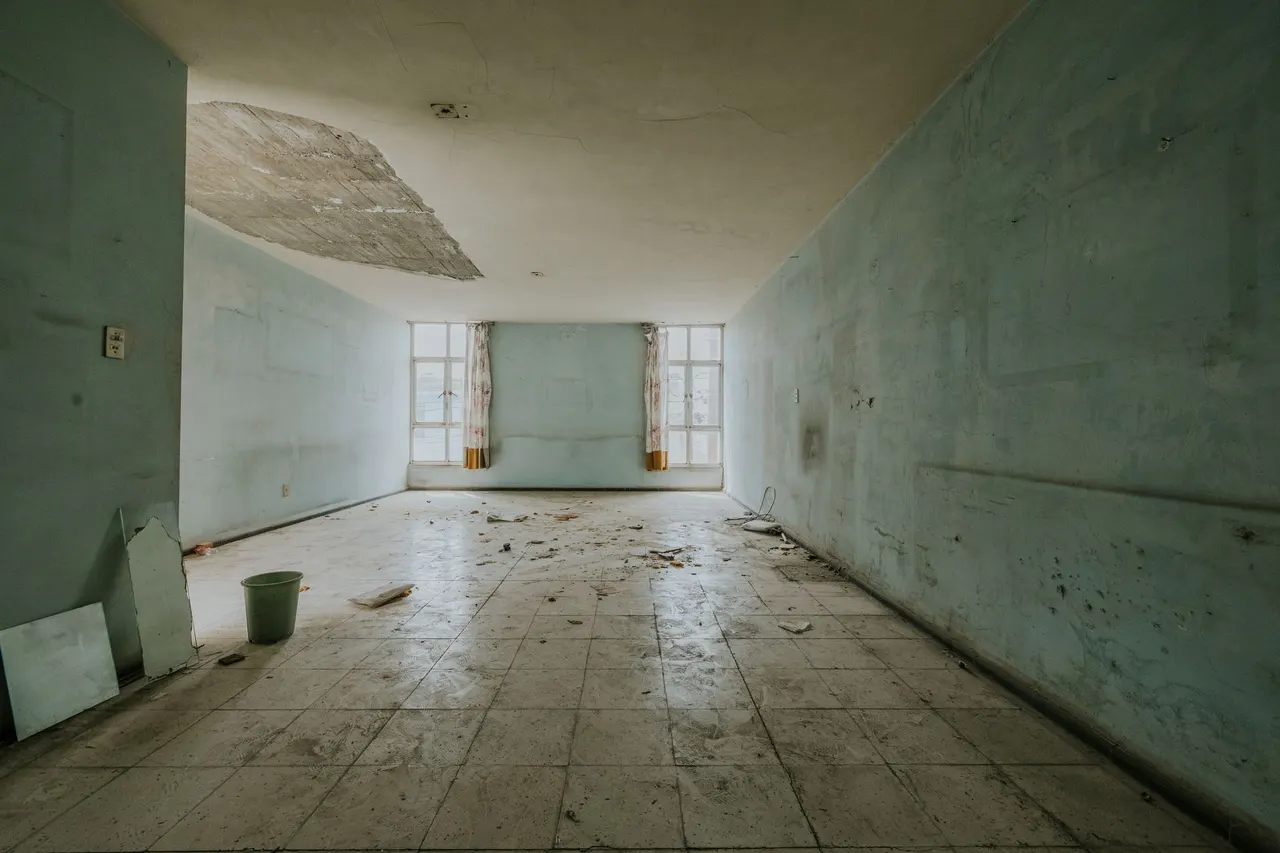
Storm flooding sends water under the front door and across the hardwood in a West 7th townhome.
We extract the water, remove any contaminated material, and treat the area with antimicrobial solution. Air movers and dehumidifiers run until the moisture readings are normal. Then we refinish the affected boards.
Outcome: The floor is dry, the musty smell is gone, and the finish is restored before the next storm hits.

A dishwasher leak soaks the kitchen floor and the water wicks under the adjacent hardwood.
We pull the dishwasher, extract the water, and check the subfloor with a moisture meter. Floor drying mats go down on the hardwood while dehumidifiers handle the air. We document everything for your insurance claim.
Outcome: The kitchen and hallway floors dry in three days, and the repaired area blends with the original finish.
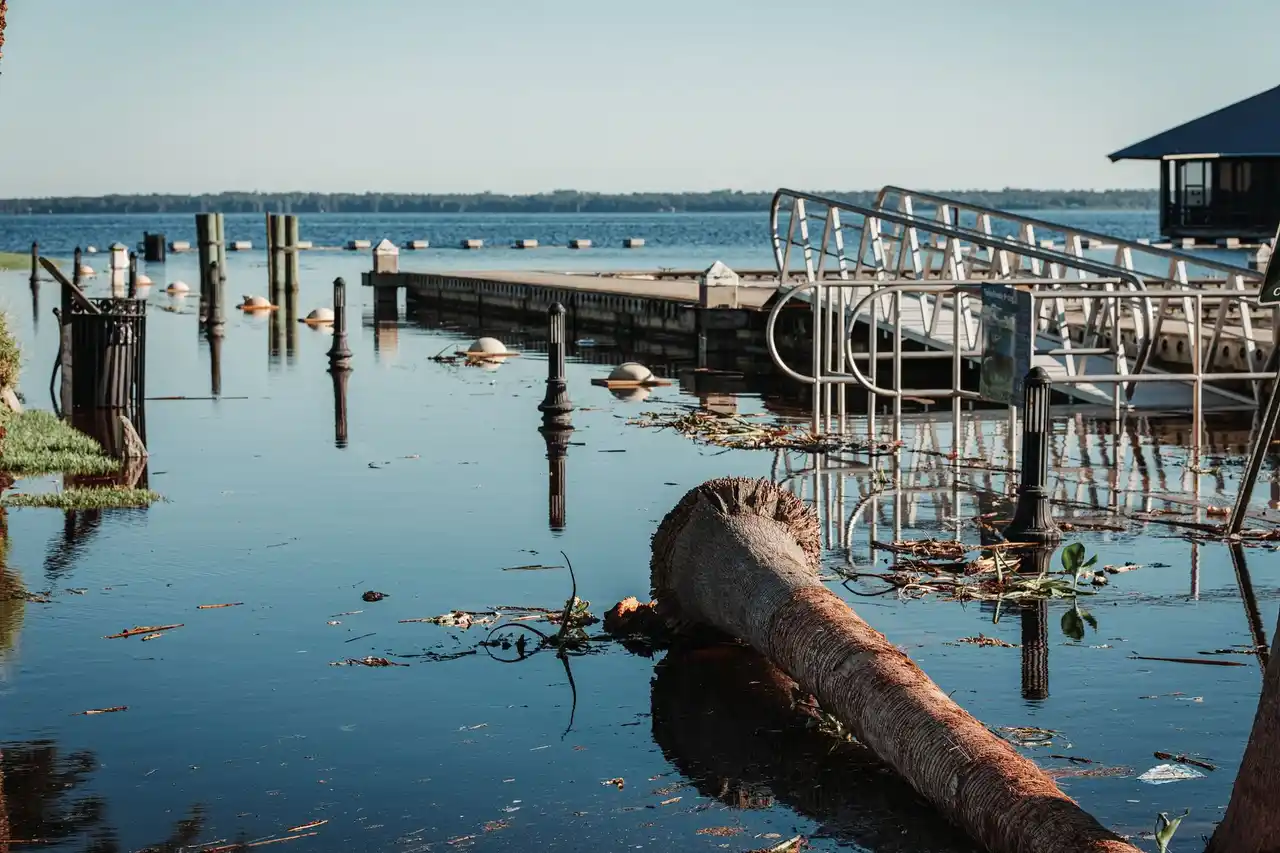
Fort Worth sits on clay soil that expands and contracts with every wet-dry cycle, and that movement cracks supply lines under slabs. When a slab leak starts, water pushes up through the foundation and into your hardwood from below. We see it most in older neighborhoods like Fairmount and Near Southside, where original oak floors sit over pier-and-beam or thin slab.
Summer storms dump rain fast, and water finds its way under doors and through roof leaks. Winter freezes burst pipes in attics and exterior walls, and that water lands on the floor above. If you need emergency hardwood floor water damage repair Fort Worth TX, we keep equipment ready for both scenarios.
We also work with EPA Lead-Safe practices on pre-1978 homes, which covers a lot of the housing stock in Tarrant County. Every job gets a drying log and photo record for your insurance claim.

Before: A supply line burst under the kitchen sink and water spread across the original oak into the dining room. The floor was cupped along the seams and the subfloor was wet. The homeowner was ready to replace the whole floor.
After: We extracted the water, dried the floor for five days, and replaced two boards. The floor was sanded and refinished to match. Moisture readings returned to normal, and the homeowner kept the original oak.
Check under the sink for slow drips once a month. Keep the room at 30 to 50 percent humidity to prevent seasonal movement.
Before: A slab leak pushed water up through the living room floor. The hardwood was cupped and the baseboards were damp. The tenant reported a musty smell that had been building for a week.
After: We located the leak with thermal imaging, coordinated the plumbing repair, and dried the slab and floor. The hardwood was refinished and the musty smell cleared. The unit was rent-ready in under two weeks.
Watch for warm spots on the floor, which can signal a slab leak. Run a dehumidifier during the wet season.
Before: Storm flooding sent water under the front door and across the engineered hardwood. The floor was wet and starting to lift at the edges. The homeowner called the next morning.
After: We extracted the water, set air movers and dehumidifiers, and dried the floor in three days. The edges were re-secured and the finish was touched up. No boards needed replacing.
Keep a towel at the door during storm season. Check the weatherstripping each fall and replace it if it is worn.
Water under hardwood shows up in ways homeowners do not always connect to the leak. Here are the problems we see most in Fort Worth and what happens if they sit.
A dry, flat floor that looks like the water never touched it.
Most water-damaged oak can be dried and refinished instead of torn out. We use floor drying mats and air movers to pull moisture from the grain, then sand and seal. That saves you the cost of new hardwood and keeps the character of your Fort Worth home intact.
Cupped boards are a warning sign, not a death sentence. If you catch them within 48 hours, we can often flatten the floor with controlled drying. Wait a week and the gaps and crowning get worse, and replacement becomes the only option. We move fast to keep your floor in the saveable window.
Water sits under the boards long after the surface feels dry. We use a hygrometer and boroscope to check the subfloor and joists. If we skip that step, mold growth starts in the crawl space or wall cavity within days. Our drying plan covers the whole assembly, not just the visible wood.
We photograph moisture readings, map the affected area, and write up the scope in Xactimate so your adjuster sees exactly what happened. That paperwork speeds up water damage insurance claim assistance and keeps the repair moving. You get a clear record of the loss from day one.
Clear records you can keep and share.
Daily moisture readings recorded
Images of the loss and progress
Written scope for your claim
Dry standard confirmed before we finish
The two things that matter most are how long the water sat and how deep it reached.
Water sat for a few hours
Water sat for a day or more
Sewage or storm water
A list like this tells people straight away whether you cover their street. Not listed? Call and ask: it only takes a minute.
Based in Fort Worth and covering the places around it. Pick one for local details.
If the damage is limited to one room and the subfloor is dry, you may be closer to the low end. We give you a written range after the inspection so there are no surprises.
Yes, if you catch it within 48 to 72 hours. Solid oak and engineered planks can usually be dried and refinished when the cupping is mild. Once the boards crown, buckle, or show black mold growth, replacement is the safer call. We check moisture content and make that call with you, not for you.
Most Texas homeowner policies cover sudden water damage from burst pipes, appliance leaks, and storm flooding. Slow leaks and slab leaks are sometimes excluded, so read your policy or let us help. We document the loss in Xactimate and work directly with your adjuster to keep the claim moving.
Fort Worth Restorations handles hardwood floor restoration near me Fort Worth TX calls across Tarrant County, including Downtown, Fairmount, Arlington Heights, and the TCU Area. We are local, we carry the drying equipment on our trucks, and we refinish the floor after it dries. One crew from extraction to final coat.
Other services from the same team.
Water sitting on hardwood gets more expensive every hour. Call Fort Worth Restorations and we will send a technician to inspect, extract, and start drying. We work with your insurance and give you a written range before we begin. One call starts the fix.
Call +1 817-270-9150 any time, day or night. We answer, ask a few questions about the source and the rooms affected, and dispatch a crew. If you prefer email, send photos and your address to [email protected] and we will follow up with next steps.