For Homes
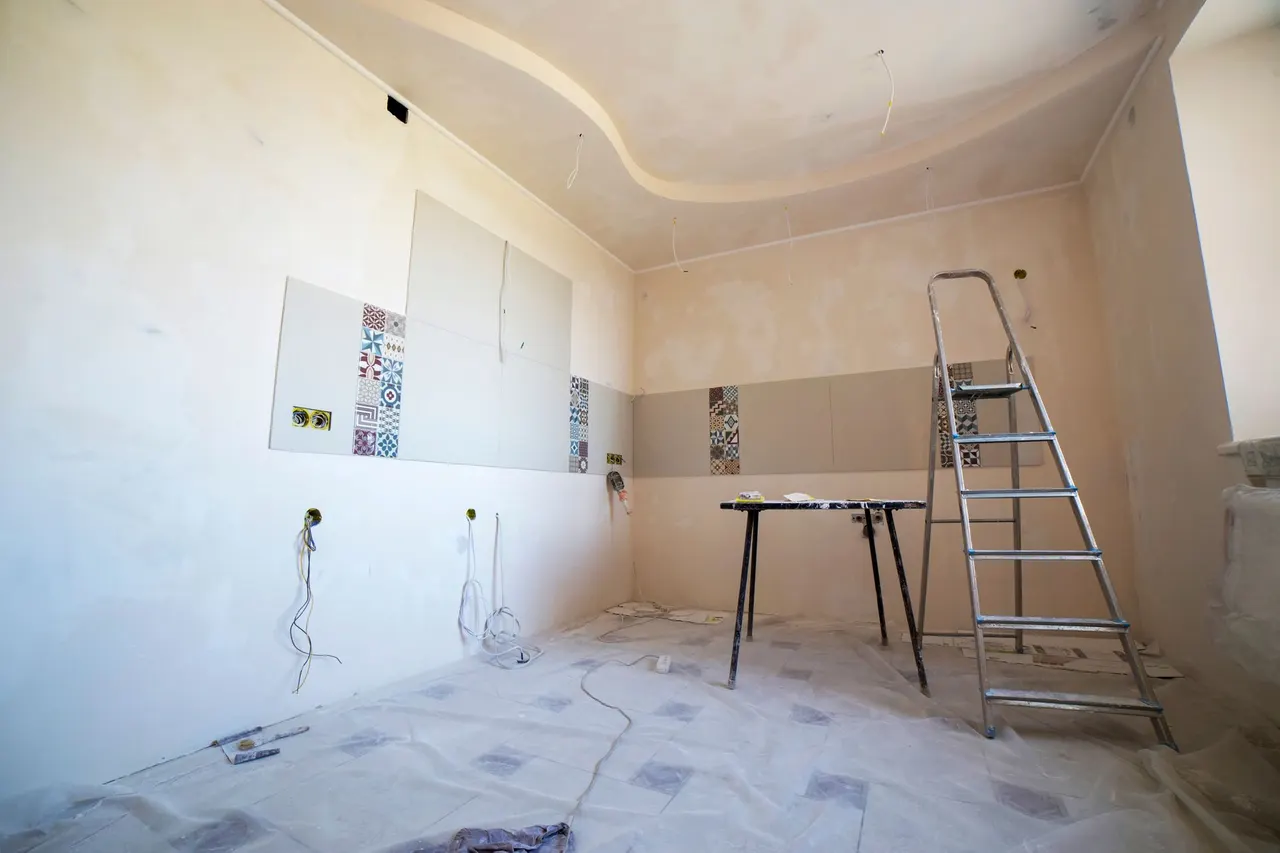
We extract water from your floors, walls, and crawl space. Then we dry the structure and check readings until materials are dry.
- Burst pipe under sink
- Water heater leak
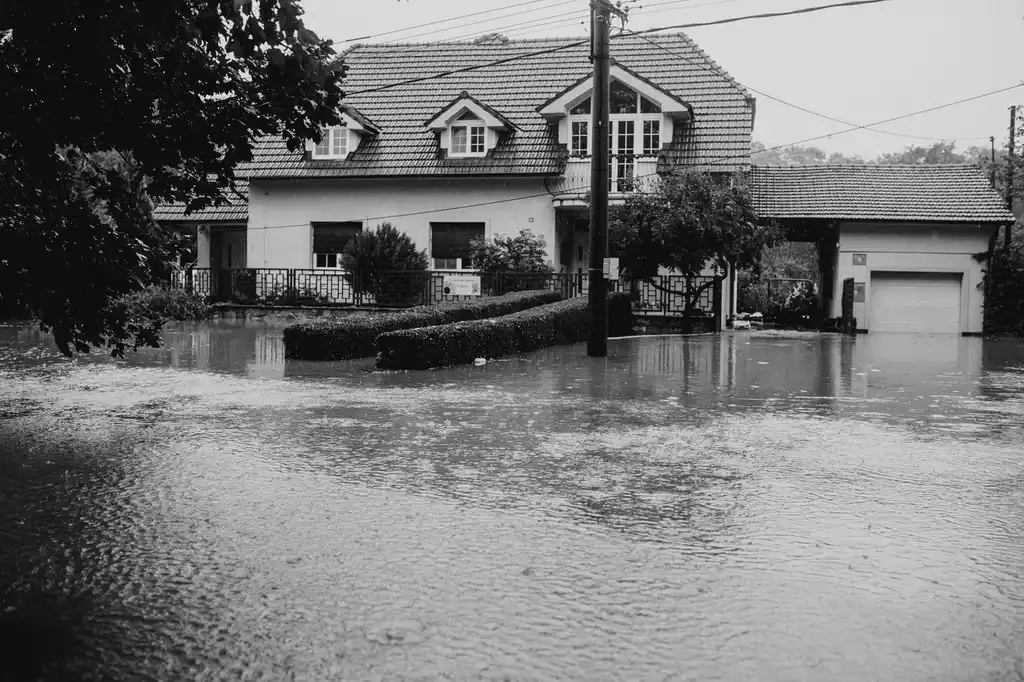
- Storm flooding at door
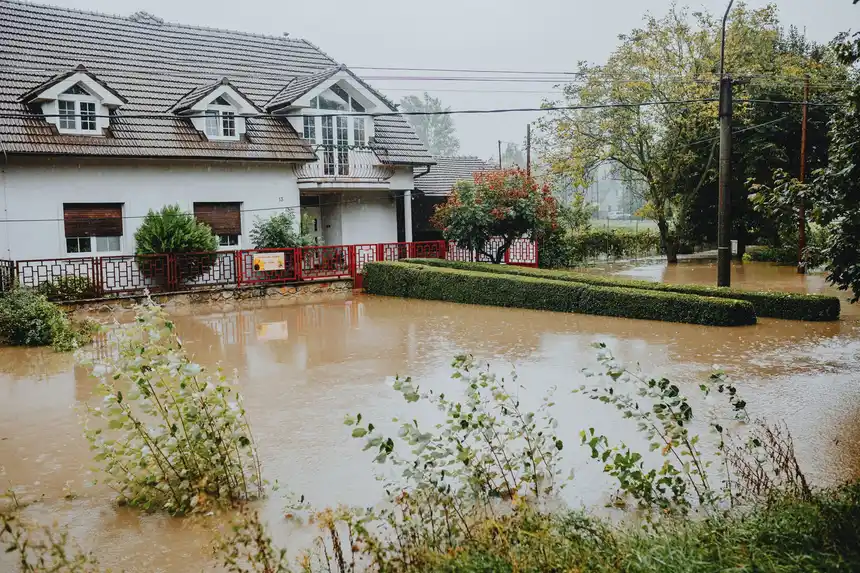
When a pipe bursts or a storm floods your floor, Emergency Water Extraction Fort Worth TX stops the damage from spreading. We pull standing water, dry the structure, and document everything for your insurance claim.
 Moisture mappingThermal imagingDaily readings
Every job starts with a full assessment and a written scope. We tell you what is covered, what your insurance will pay for, and what you might want to add. No surprise charges.

We use thermal imaging cameras and moisture meters to map every wet area, including hidden pockets behind walls and under floors. You see the readings and photos before we start.
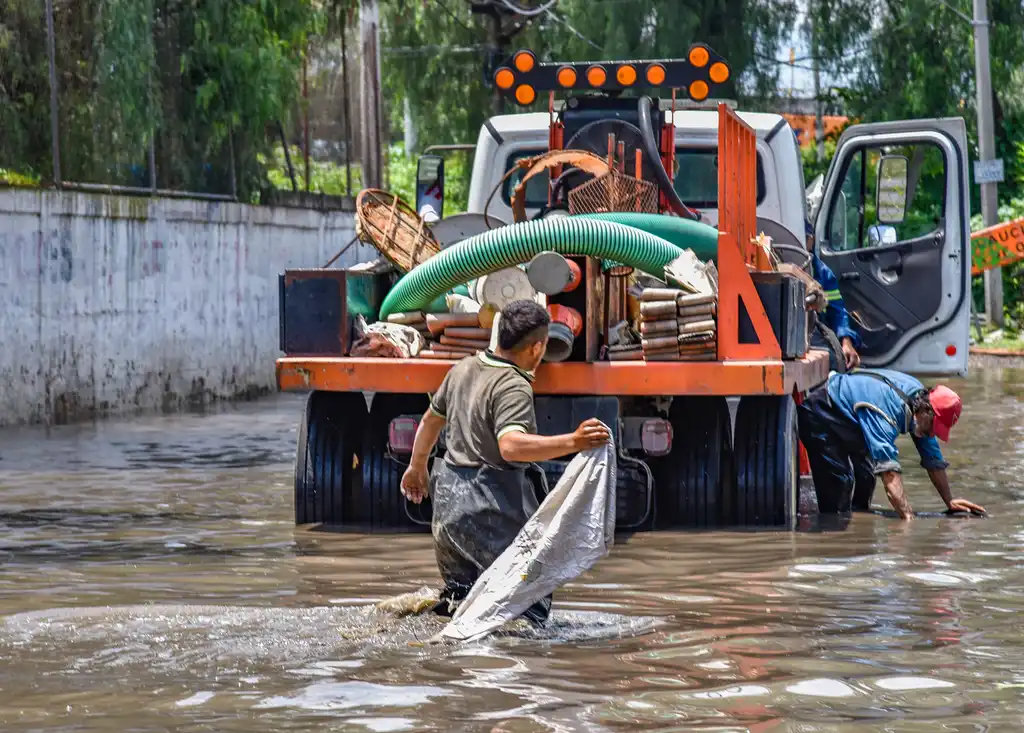
Truck-mounted and portable extraction units remove standing water from carpet, hardwood, tile, and concrete. We work until the surface is dry to the touch and the meter confirms it.
After extraction, we apply antimicrobial solution to affected framing, subfloor, and cavity surfaces. This slows mold growth while the structure dries.
We position air movers, dehumidifiers, and floor drying mats to dry the structure. Equipment runs continuously and we check readings daily until materials reach dry standard.
We photograph the damage, log daily moisture readings, and prepare an Xactimate scope your adjuster can process. You get a complete digital file for your claim.
When drying is complete, we walk the space with you, confirm moisture readings, and remove equipment. You know exactly what was done and what comes next.
The approach is the same for a home and a business. What changes is the access, the schedule and who needs the paperwork.
We extract water from your floors, walls, and crawl space. Then we dry the structure and check readings until materials are dry.
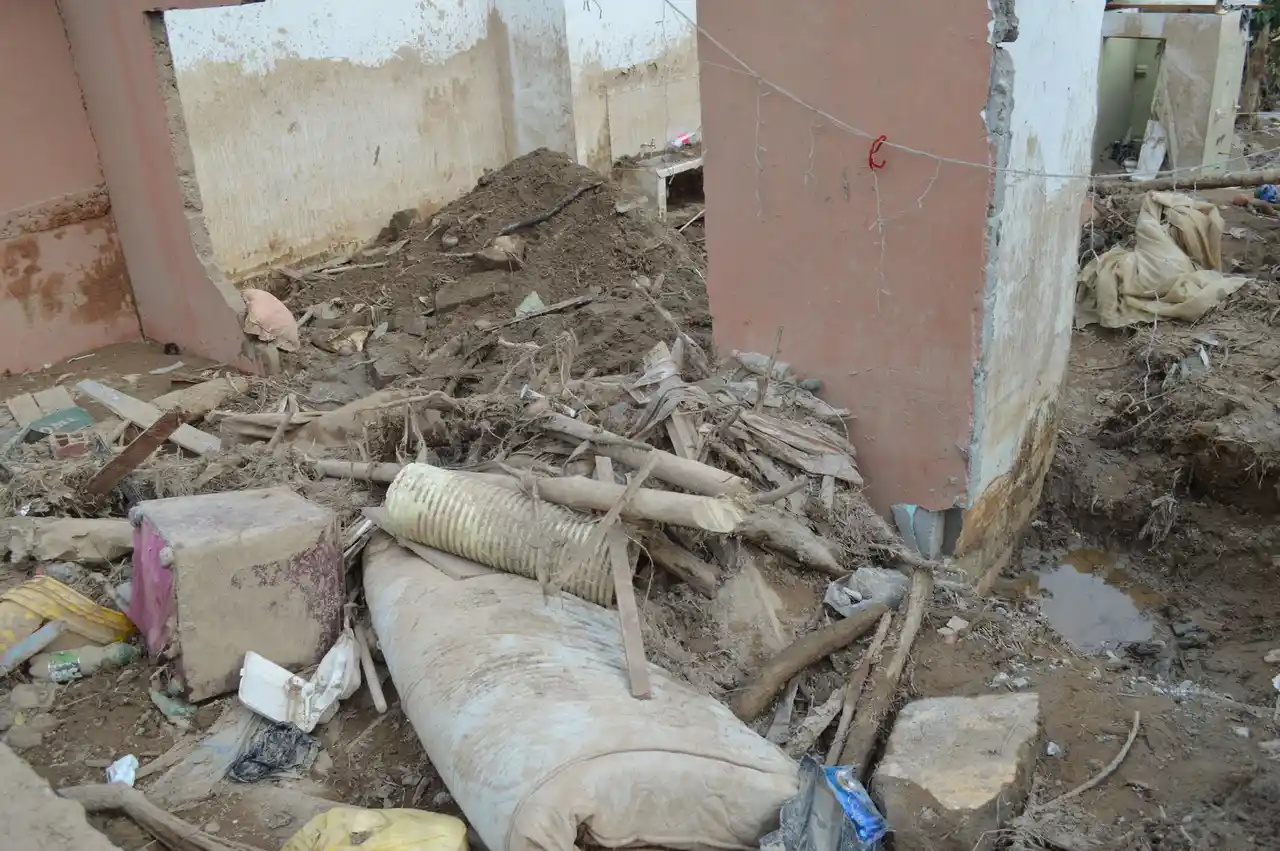
We extract water from your commercial space after hours to minimize downtime. Then we dry and document for your property claim.
A plain-language look at what Emergency Water Extraction involves and when it is needed.
See how it worksEmergency Water Extraction Fort Worth TX is the process of removing standing water from a structure and drying it before mold and structural damage set in. We use truck-mounted water extraction units, moisture meters, and thermal imaging cameras to find every wet pocket behind walls and under floors. Extraction is not just vacuuming a puddle. We map the moisture, remove saturated carpet padding, and set drying equipment that pulls water out of drywall, hardwood flooring, and baseboards.
Fort Worth homes face water damage from slab leaks, burst pipes, sewage backups, and storm flooding. The clay soil here shifts with wet and dry cycles, cracking foundations and pipes. When you search for water removal near me Fort Worth TX at 2 a.m., you need a crew that knows the local building stock. Older Fairmount bungalows have pier-and-beam foundations and cast-iron drains. Newer West 7th condos have tight mechanical closets where a slow appliance leak can soak three units before anyone notices.
Extraction removes the water. Drying saves the structure.
From the first call to the final moisture reading, here is exactly what happens when you hire us.
You call, we answer. We ask what happened, where the water is, and whether the source is stopped. A crew is dispatched immediately with extraction equipment, drying gear, and moisture detection tools. You get a call or text with the technician's name and estimated arrival time.
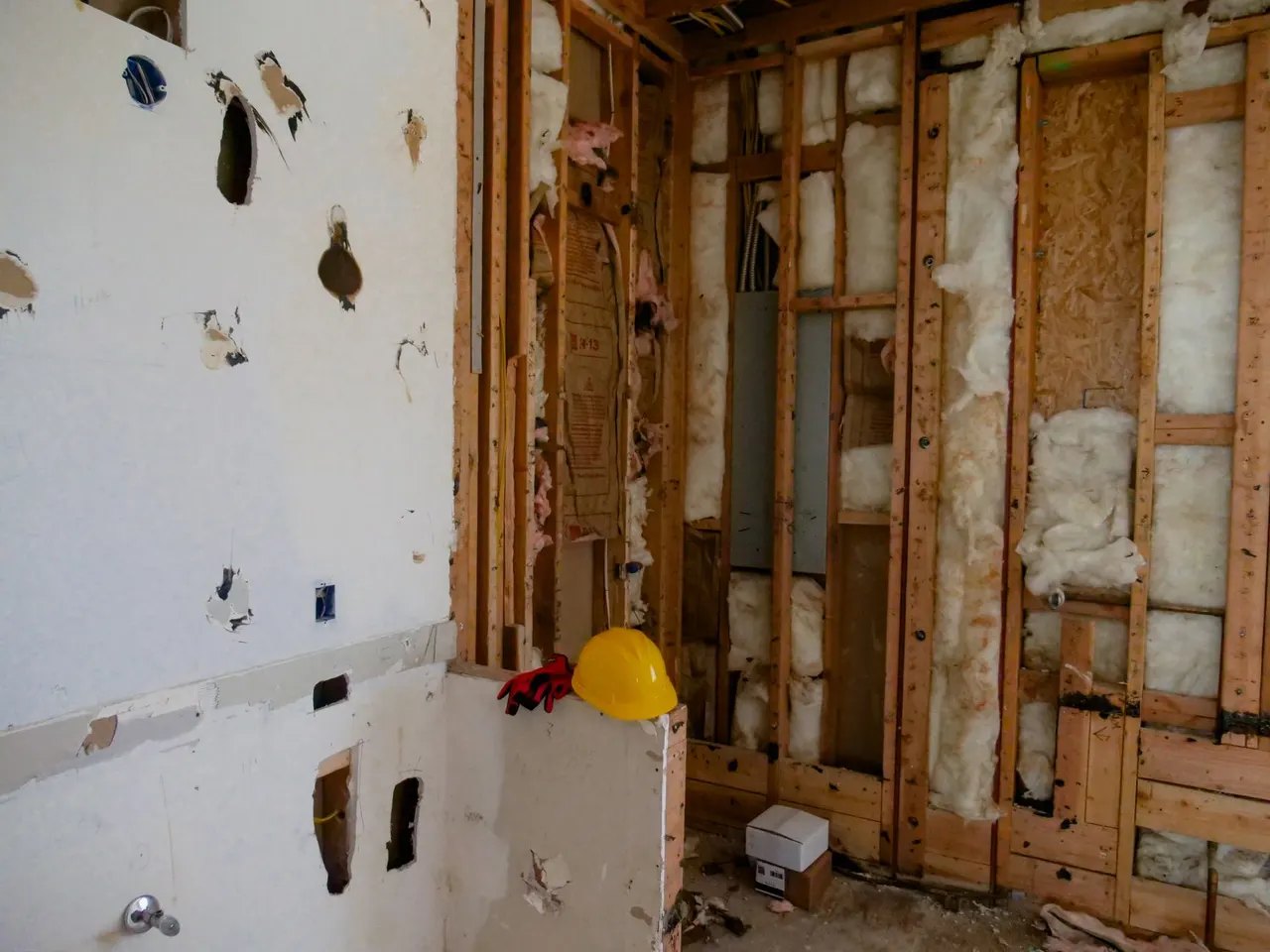
We walk the space with you and identify the water source and migration path. A thermal imaging camera and moisture meter show us what is wet behind walls and under floors. We photograph everything and mark moisture boundaries with tape so you can see the affected zone.
Truck-mounted and portable water extraction units pull standing water from carpet, hardwood, and concrete. For sewage backups, we remove contaminated materials first and treat the area with antimicrobial solution. Extraction typically takes one to three hours depending on volume.
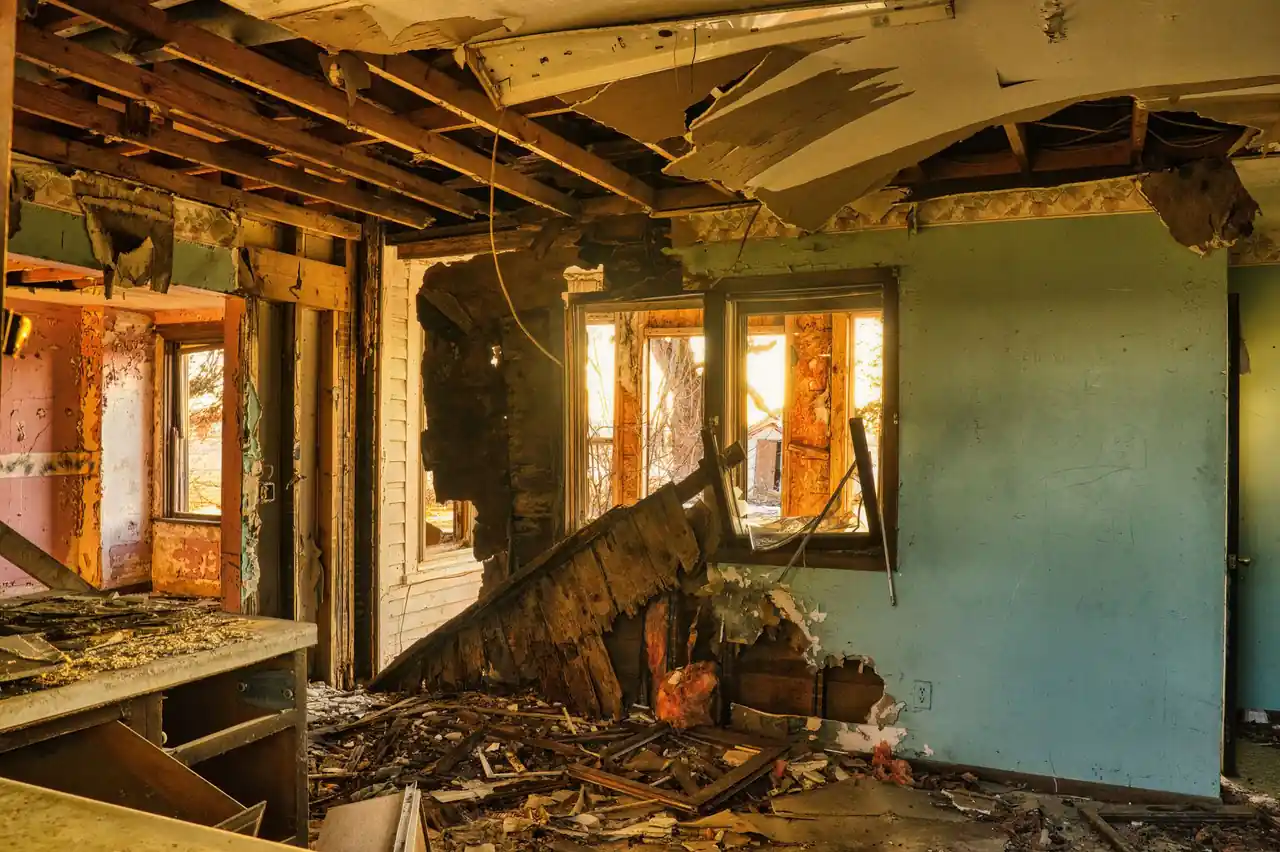
We position air movers and dehumidifiers to create a drying vortex across wet surfaces. Floor drying mats go under hardwood. In crawl spaces, we use specialized low-profile equipment. You will hear the equipment running. It is doing its job. We check readings daily and adjust placement.
Each day we record moisture content with a hygrometer and infrared thermometer. When readings match dry standard for the material, we remove equipment. You receive a full drying log and photo report for your insurance file. Final walkthrough confirms the space is dry and ready for repairs.
Move across a circle, or focus it and press Enter, for an illustrative thermal view of the photograph.
Finds hidden moisture behind walls and under floors by reading temperature differences. We use it to map the full extent of the water damage before extraction begins.
Measures moisture content in drywall, wood, and concrete. We record daily readings to track drying progress and know exactly when materials reach dry standard.
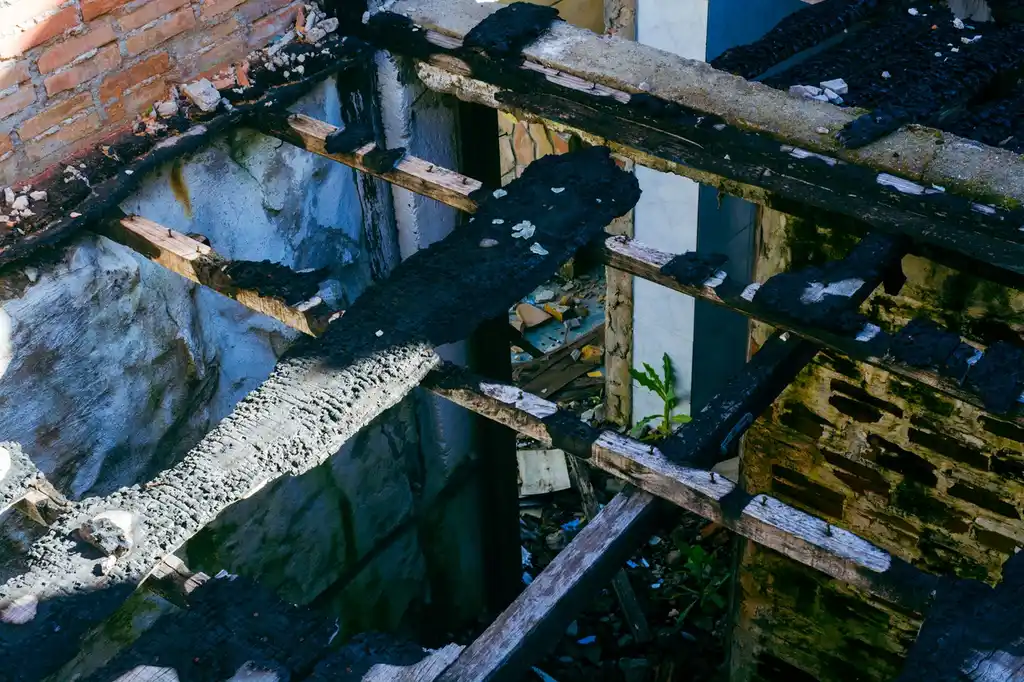
Pulls large volumes of standing water fast. This is the workhorse for flooded floors and sewage backups in Fort Worth homes and businesses.
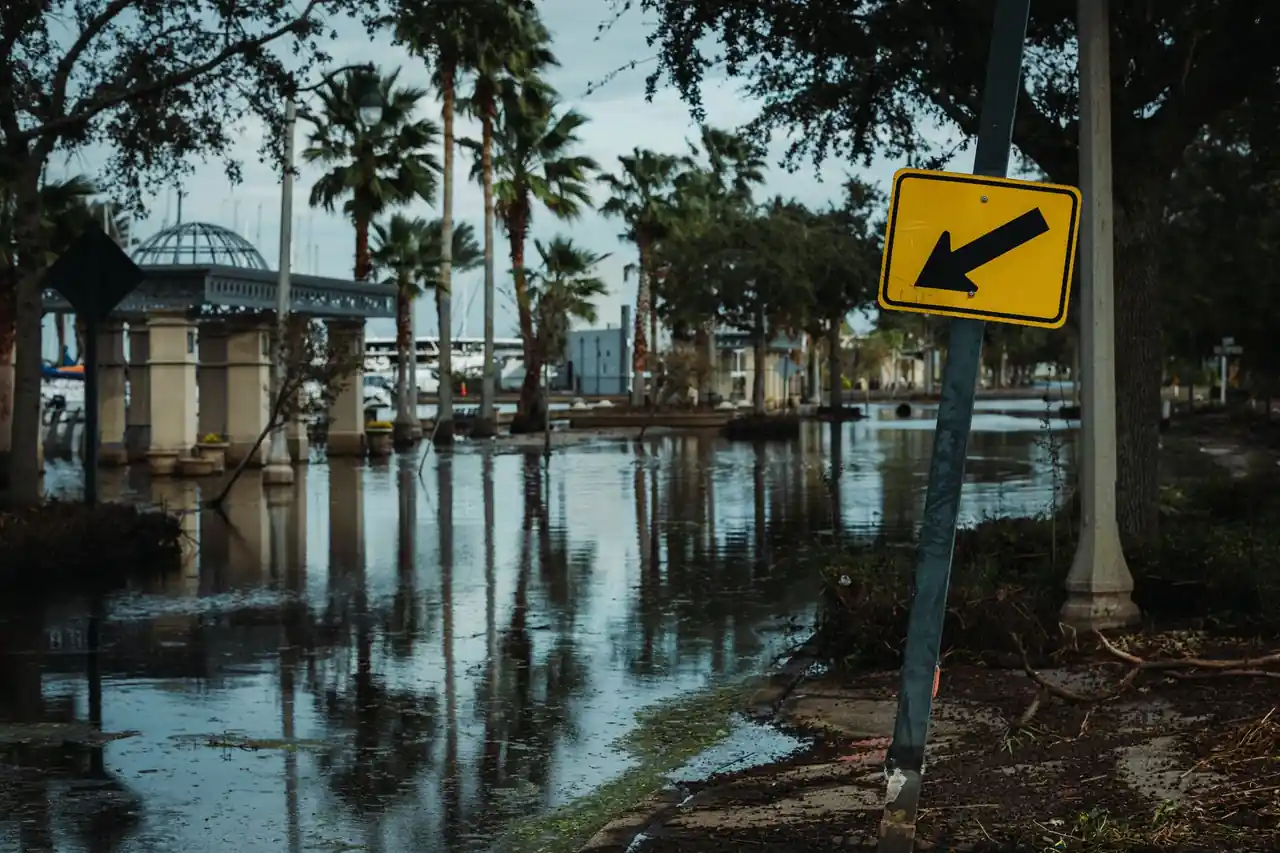
Creates airflow across wet surfaces and pulls moisture from the air. We position them strategically to dry the structure evenly.
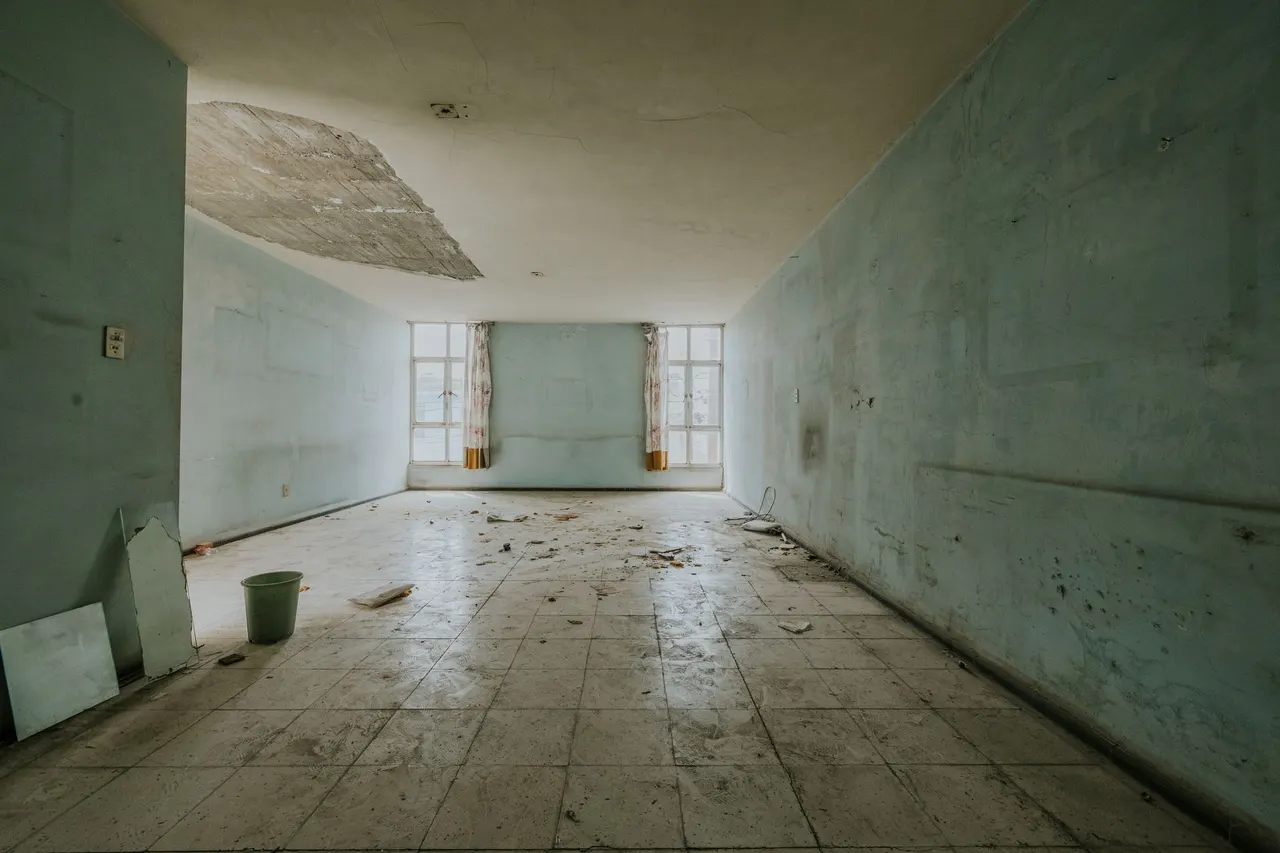
Sits on top of hardwood floors and pulls moisture up through the boards without causing further damage. Essential for saving hardwood after a leak.
Thermal views are illustrative, generated from the photographs.
Lets us see inside wall cavities and under cabinets without tearing everything out. We use it to confirm moisture in hard-to-reach areas.
Portable extraction for tight spaces like closets, under sinks, and inside cabinets. They handle the spots the truck mount cannot reach.
The industry standard for water damage restoration. It defines water categories, drying goals, and documentation requirements. Every job we run follows this standard so your insurance claim is defensible.
We create a diagram of the affected area showing moisture readings at each point. This map guides equipment placement and gives your adjuster a clear picture of the loss.
A drying science approach that uses airflow, dehumidification, and temperature control to dry building materials in place. It saves materials that older methods would have torn out.
We write our scopes in Xactimate, the software most insurance adjusters use. That means fewer disputes and faster approvals on your claim.

A pipe bursts at 2 a.m. in a Fort Worth home and water is running across the floor.
We dispatch immediately with extraction equipment. The crew shuts off the water if you cannot find the valve, extracts standing water, and sets drying equipment before leaving.
Outcome: You wake up to a dry floor and running equipment instead of a flooded house and a mold problem.
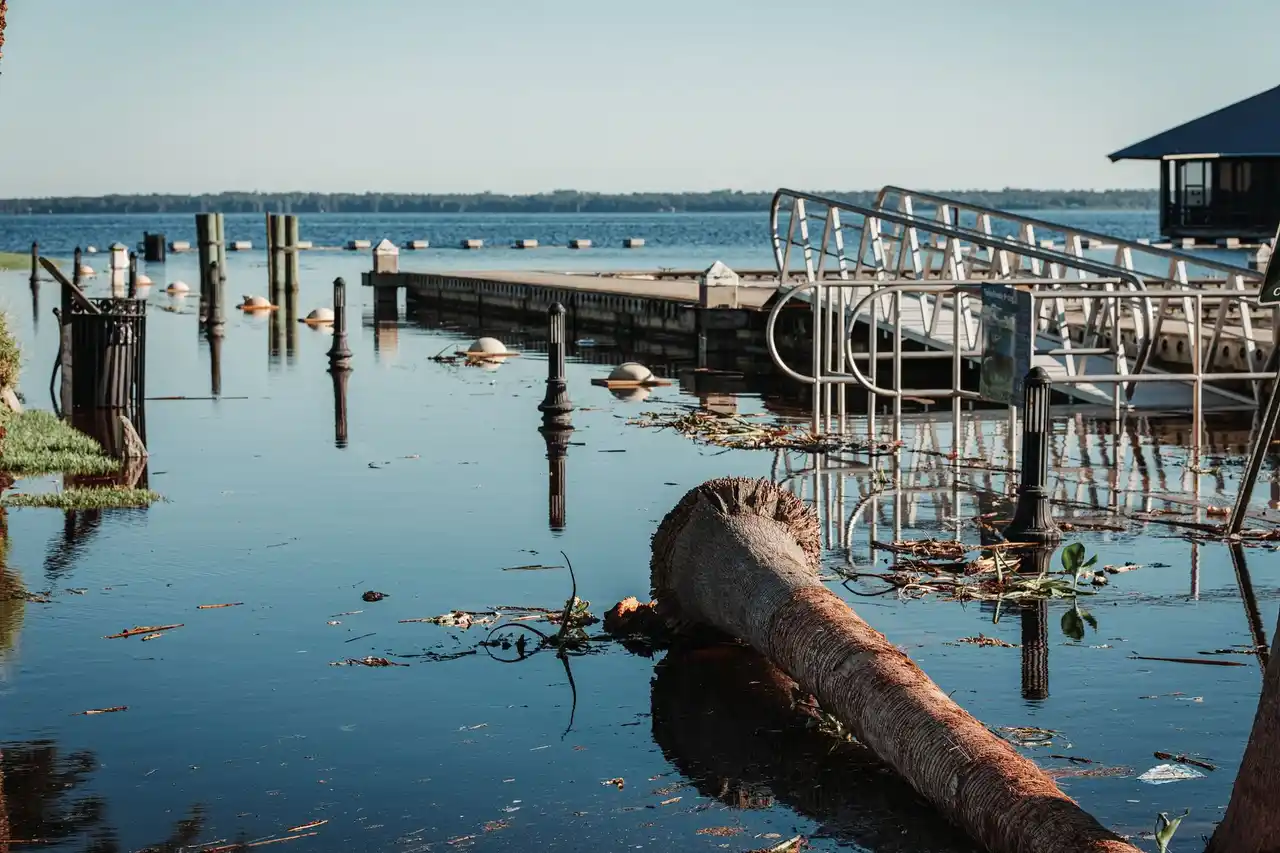
A sewage backup fills a basement laundry room with contaminated water.
We treat it as a biohazard. Crews wear protective gear, remove contaminated materials, extract the water, and apply antimicrobial solution to every affected surface.
Outcome: The basement is clean, dry, and safe. The smell is gone and the space is ready to use again.
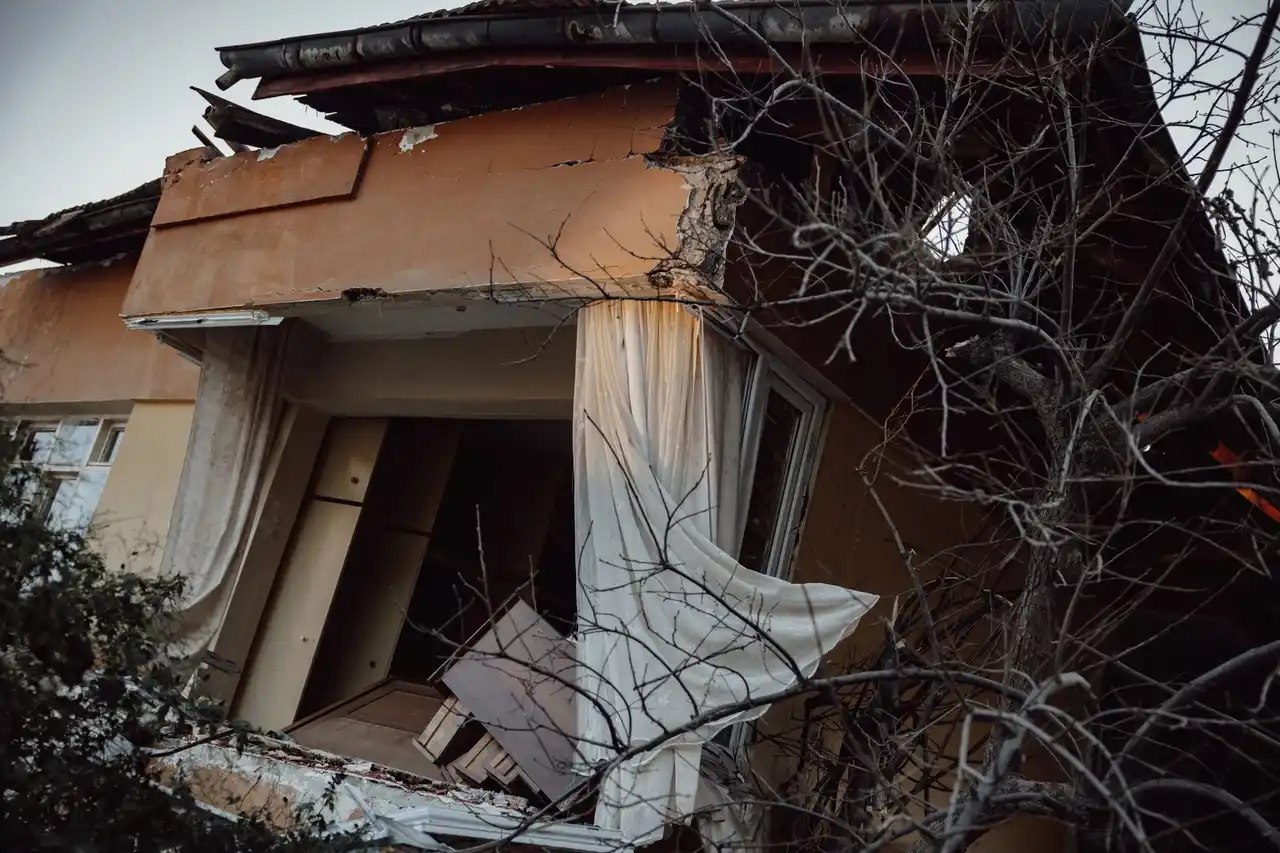
A slab leak soaks the hallway floor and the baseboards are starting to swell.
We use thermal imaging to confirm the leak path, extract water from the flooring, and dry the concrete and walls. We coordinate with a plumber for the repair.
Outcome: The floor dries flat, the baseboards are saved or replaced, and the leak is fixed so it does not happen again.
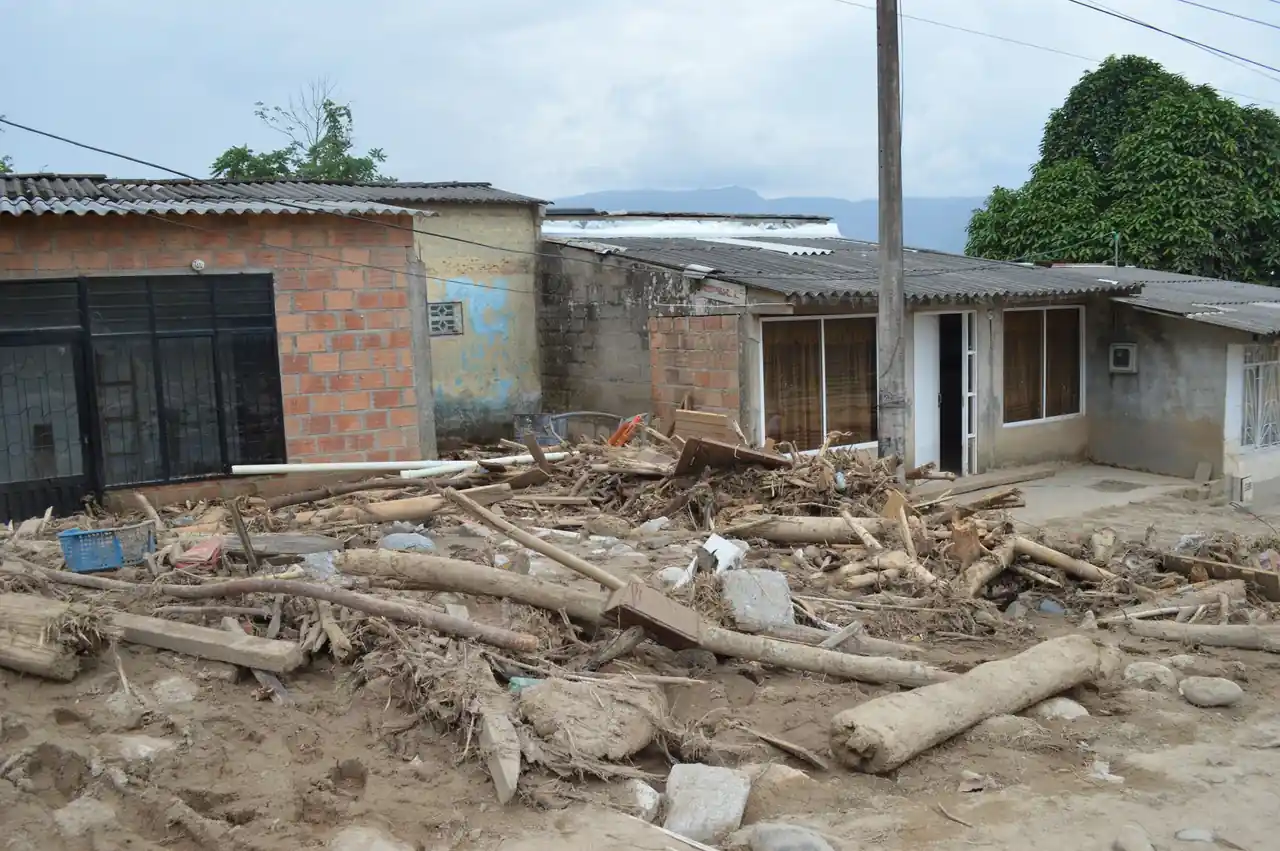
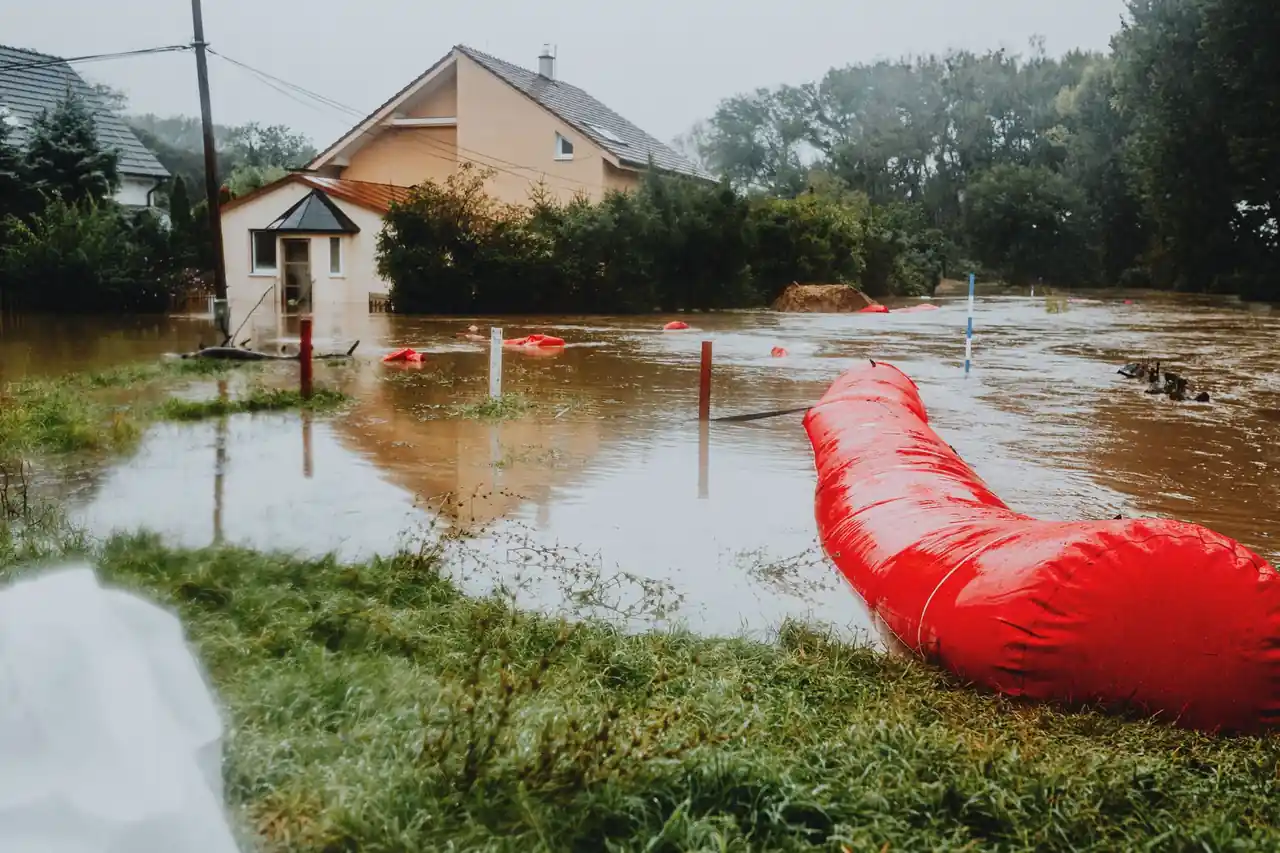
A storm pushes water under the back door and across the kitchen tile.
We extract the water, check for moisture in the walls and cabinets, and set drying equipment. If the roof or windows were damaged, we tarp or board up.
Outcome: The kitchen dries without warped cabinets or mold, and your insurance claim is documented from day one.
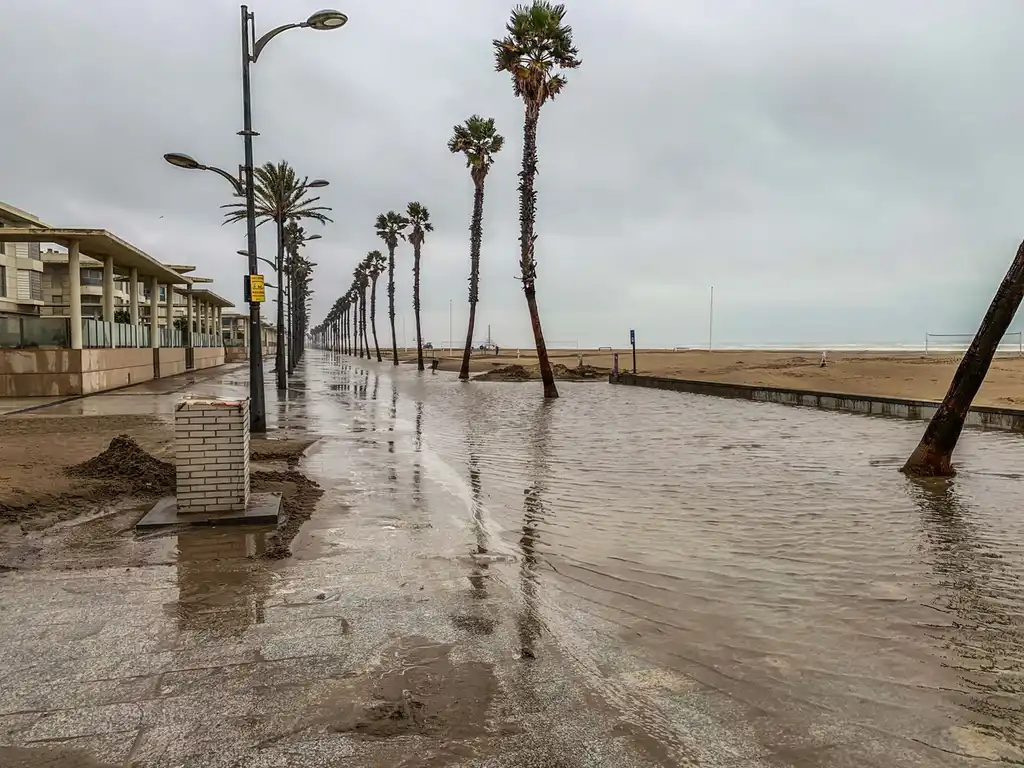
A water heater fails in a closet and soaks the carpet in the adjacent bedroom.
We extract water from the carpet and pad, remove saturated padding, and dry the subfloor. We document the water heater failure for your claim.
Outcome: The bedroom is dry in three to four days, and you have everything your adjuster needs to cover the replacement.
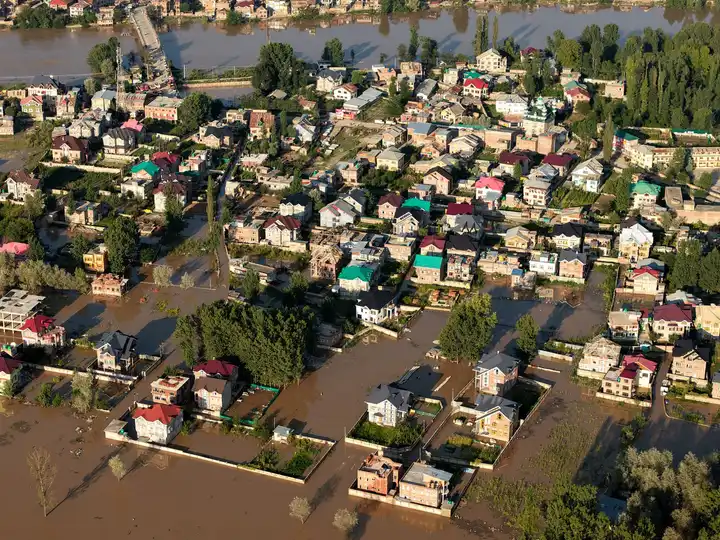
Fort Worth sits on expansive clay soil that swells when wet and shrinks when dry. That movement cracks foundations and pipes, which is why slab leaks and burst pipes are so common here. Summer storms drop heavy rain fast, and older neighborhoods like Fairmount and Near Southside have storm drains that were not built for it. Winter brings hard freezes that burst pipes in attics and exterior walls.
When you call for 24 hour water removal in Fort Worth TX, we know what we are walking into. We check the crawl space, the attic, and the walls because water travels. We also know Fort Worth building codes and what your insurance adjuster needs to see. If you need same day emergency water extraction Fort Worth TX, call us. We are set up for this city.
Before: A supply line burst under the kitchen sink and ran for an hour before the homeowner got home. Water covered the kitchen floor and soaked into the adjacent dining room carpet. The baseboards were swelling and the subfloor was saturated.
After: We extracted 40 gallons of standing water, removed the saturated carpet pad, and set 12 air movers and two dehumidifiers. Moisture readings returned to dry standard in four days. The homeowner replaced the pad and reinstalled carpet.
We recommended a water alarm under the sink and an annual inspection of supply lines. The homeowner also had us install a shutoff valve.
Before: A root intrusion blocked the main sewer line and sewage backed up into a finished basement. The carpet, drywall, and a sofa were contaminated. The smell was overpowering and the homeowner could not use the space.
After: We removed all contaminated materials, extracted the water, and applied antimicrobial solution to the concrete and framing. After three days of drying, the basement passed a moisture check. The homeowner rebuilt the space with us.
We recommended a sewer line inspection every two years and a backwater valve to prevent future backups.
Before: A slab leak under the hallway floor sent water seeping up through the tile and into the baseboards. The homeowner noticed a warm spot on the floor and a rising water bill. The tile was loose and the drywall was damp.
After: We used thermal imaging to map the leak path, extracted water from the flooring, and dried the concrete and walls with floor drying mats and air movers. The plumber repaired the pipe. Moisture readings were normal in five days.
We suggested monitoring the water bill monthly and having the slab checked if warm spots reappear. The homeowner replaced the tile after drying.
These are the calls we get most often in Fort Worth. If your situation is not listed, call us anyway. We have seen it.
Fast extraction and proper drying save your floors and prevent mold.
Every hour water sits, it wicks higher into drywall and deeper into plywood subfloor. We arrive with truck-mounted extraction units and begin pulling water within minutes of walking in. Most residential jobs are extracted in two to four hours, which is the difference between replacing a room and replacing a floor.
Extraction is only half the job. We set Dri-Eaz and Phoenix Restoration Equipment air movers and dehumidifiers, then check moisture readings daily with a hygrometer. A typical Fort Worth home dries in three to five days. We do not pull equipment until the meter reads dry, not just dry to the touch.
We document everything with photos, moisture maps, and Xactimate line items your adjuster already recognizes. That means fewer back-and-forth calls and a faster settlement. We have worked with every major carrier doing business in Tarrant County and know what they need to see.
Mold can start growing in 24 to 48 hours on wet drywall and insulation. We apply antimicrobial solution to affected framing and cavity surfaces after extraction. If we find existing mold, we handle it under containment so spores do not spread to clean areas of your home.
Clear records you can keep and share.
Diagram of wet areas with readings
Before, during, and after photos
Daily moisture readings by room
Xactimate line items for insurance
Clean water is not the same as sewage. The category tells us what to remove and what to dry.
Clean water from a supply line
Gray water with some contamination
Black water with bacteria and pathogens
A list like this tells people straight away whether you cover their street. Not listed? Call and ask: it only takes a minute.
Based in Fort Worth and covering the places around it. Pick one for local details.
We provide a written scope before work begins, and we bill your insurance directly when the claim is covered.
Fort Worth Restorations offers 24 hour water extraction in Fort Worth TX with live dispatch, not an answering service. Call +1 (817) 270-9150 any time, day or night. We ask what happened, whether the water source is stopped, and dispatch a crew with extraction and drying equipment. Most Fort Worth addresses see a crew within 60 to 90 minutes.
We begin extracting water within minutes of arriving on site. For a typical residential job, standing water is removed in two to four hours. The full drying process takes three to five days depending on materials affected. Carpet and pad dry faster than hardwood or drywall. We check moisture readings daily and tell you exactly where you stand.
Most homeowners insurance policies in Texas cover sudden and accidental water damage, like a burst pipe or appliance failure. Flood damage from rising water typically requires separate flood insurance. We document the loss with photos, moisture maps, and Xactimate scopes that adjusters recognize. We work directly with your carrier to speed the claim.
Other services from the same team.
Water spreads fast. Every minute you wait, the damage gets worse. Call Fort Worth Restorations at +1 (817) 270-9150 for same-day emergency water extraction.
Call +1 817-270-9150 any time, day or night. We answer, ask a few questions about the source and the rooms affected, and dispatch a crew. If you prefer email, send photos and your address to [email protected] and we will follow up with next steps.