For Homes
A backup in your home is stressful and it smells. We pull the waste, treat what it touched, and dry the structure so you can get back to normal.
- Toilet or tub overflow
- Laundry room floor drain
- Garage or utility backup
When a main line backs up into your tub or a toilet overflows across the hall, Sewage Backup Cleanup Fort Worth TX has to start within the hour. We pull the standing waste, sanitize every surface it touched, and dry the structure so mold never gets a foothold. Our crews work across Fort Worth and Tarrant County, seven days a week.
 Stop the sourceExtract the wasteDry and verify
Every sewage job is different, but the core scope is consistent. Here is what we handle on a standard Fort Worth residential or commercial call, and where the scope can expand once we see the damage.
We remove all standing black water and contaminated solids from the affected area using a water extraction unit, then pump out any remaining water in low spots, floor drains or crawl spaces.
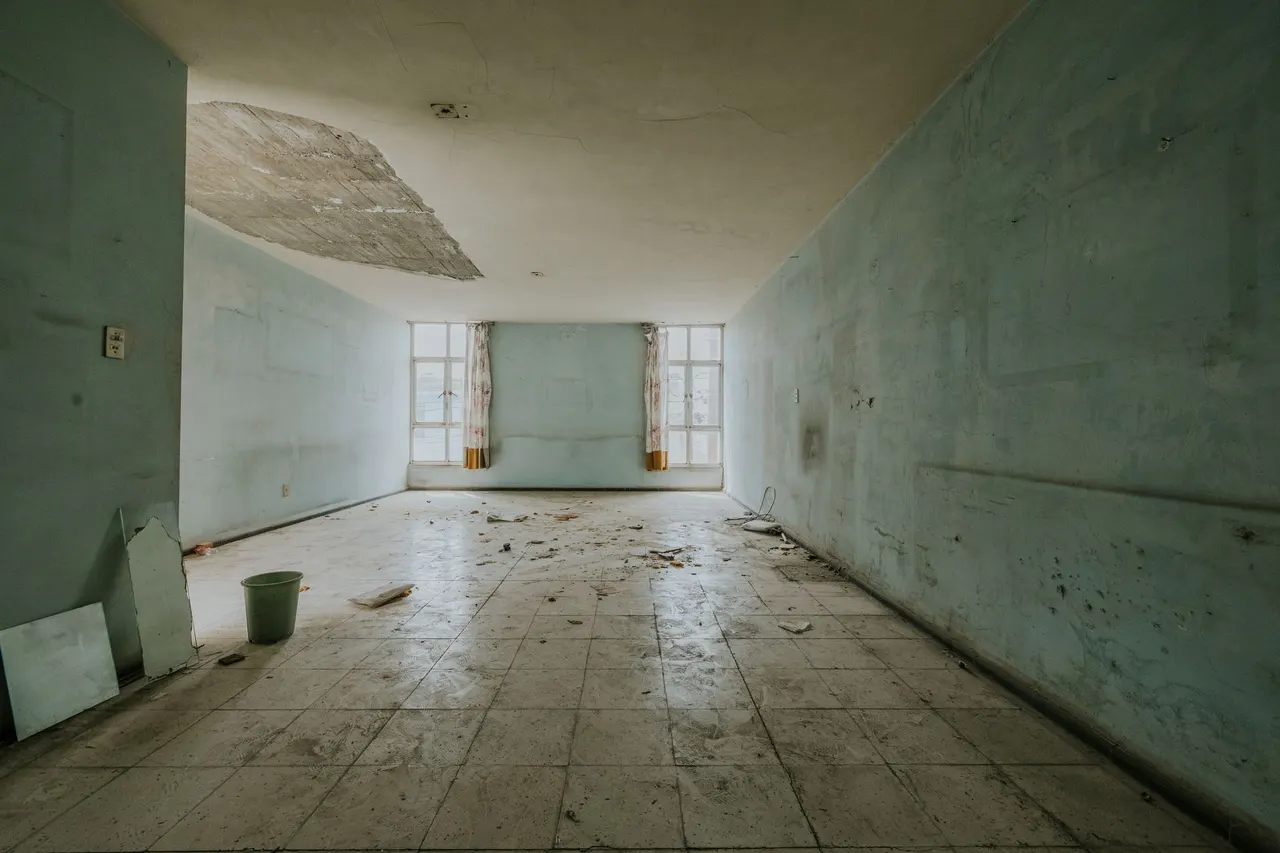
Carpet, carpet padding, saturated drywall, insulation and baseboards that took on sewage are bagged and hauled off. These materials cannot be cleaned and dried; they have to go.
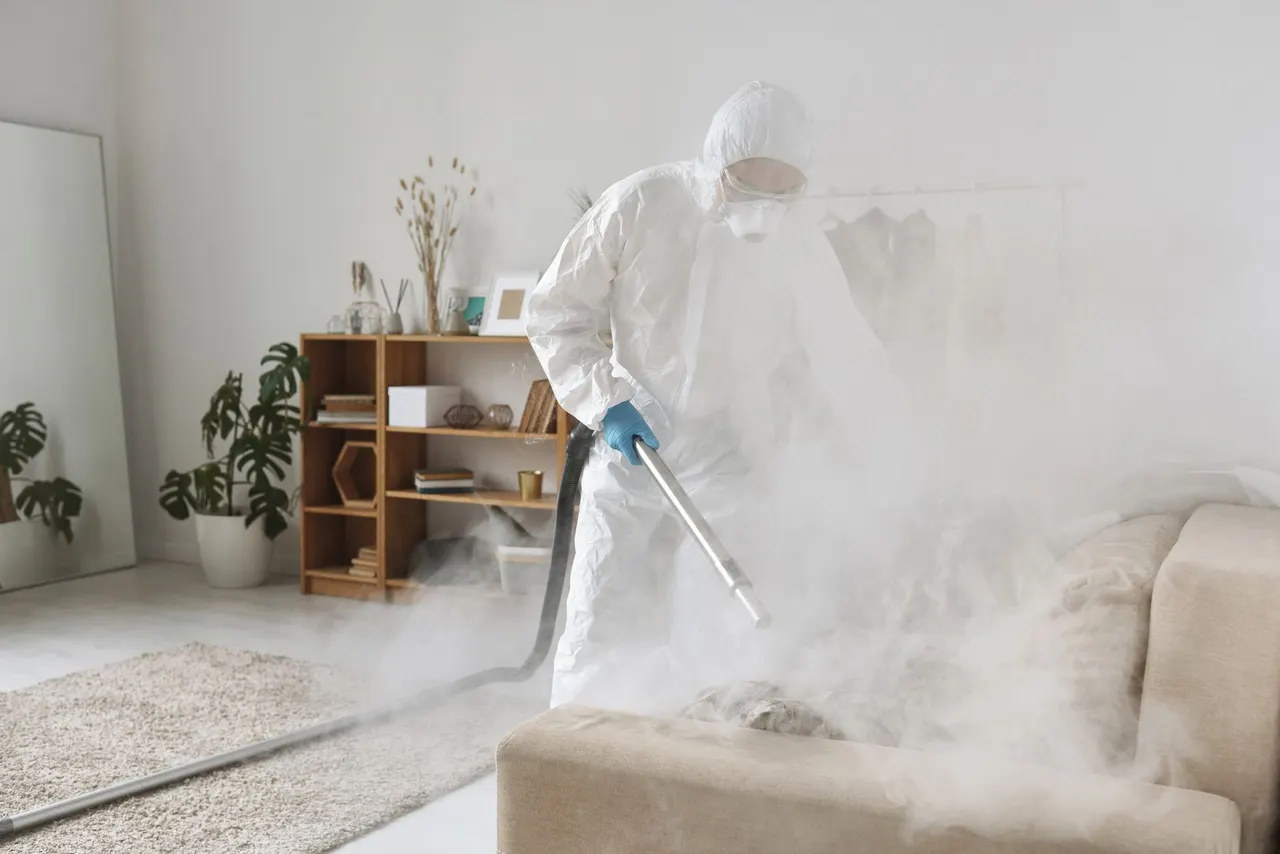
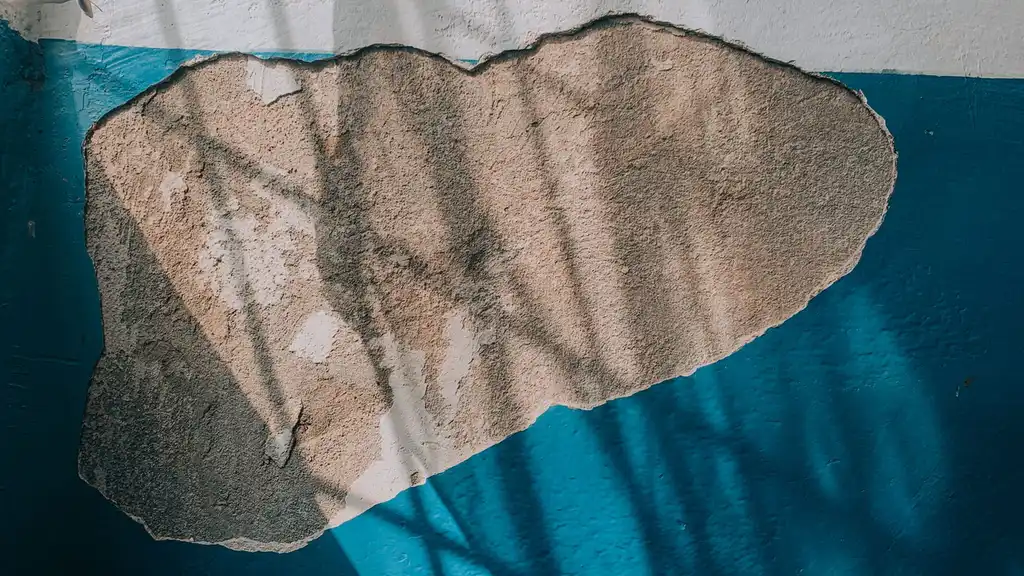
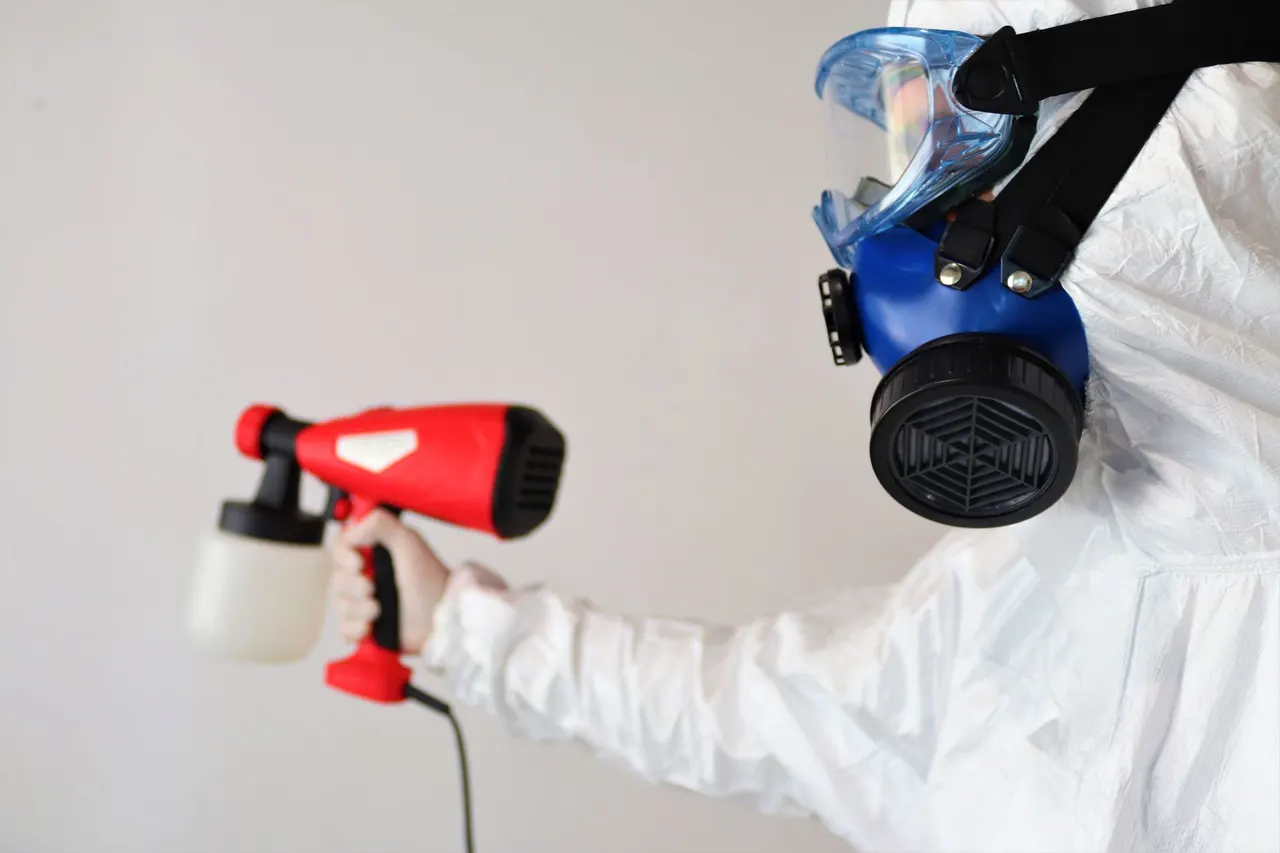
Every surface the waste touched gets an antimicrobial solution applied by sprayer, including framing, subfloor, studs and concrete. This is what makes the space safe to occupy again.
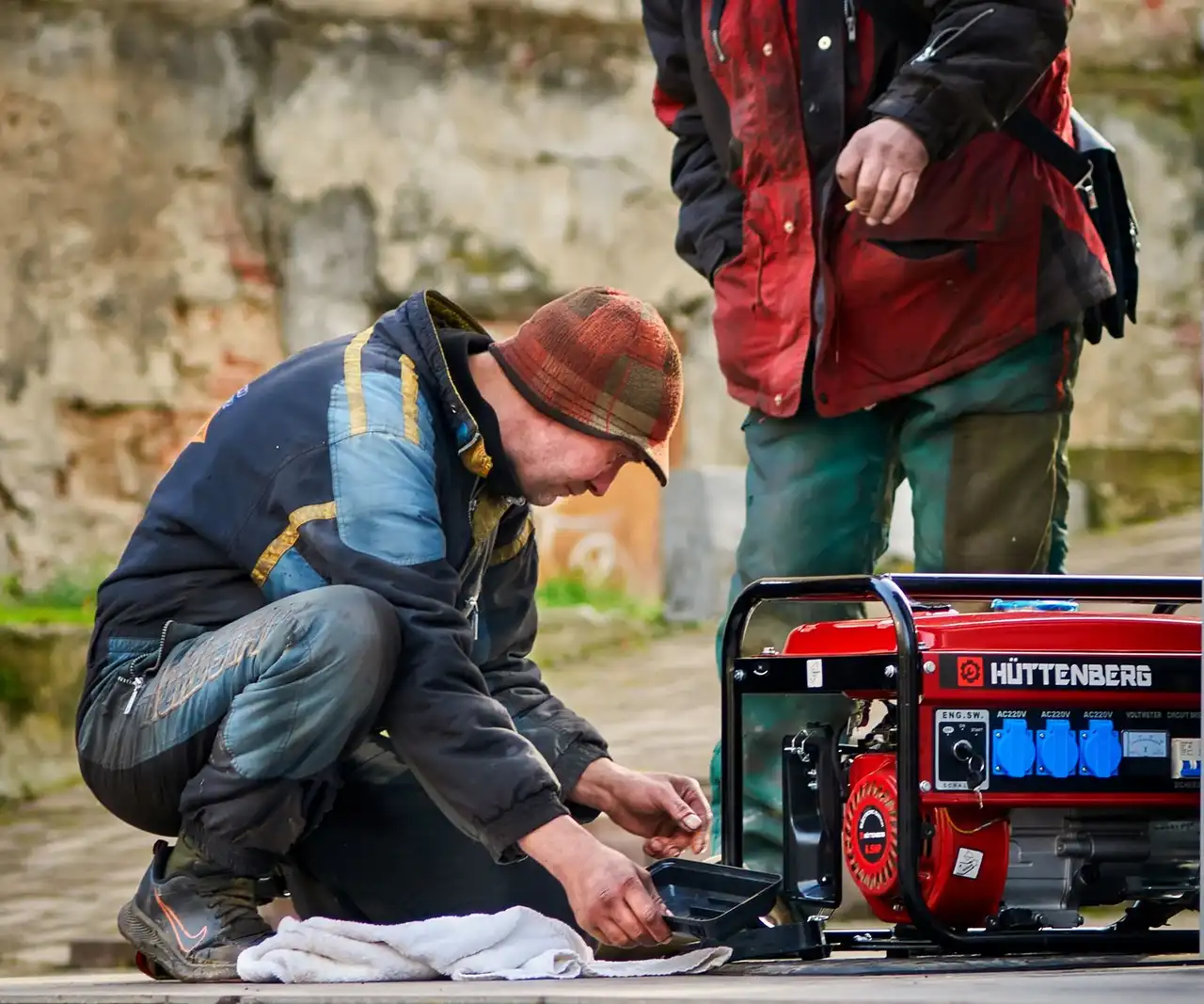
We place air movers and dehumidifiers and run them two to four days, checking moisture readings daily with a moisture meter and hygrometer until the structure hits its dry standard.
Sewage odor lingers in porous materials. We treat the air and affected surfaces so the smell is gone, not just covered up, before we call the job complete.
Photos, moisture logs, equipment placement records and an Xactimate estimate. You get a complete file to hand your adjuster, which is often the difference between a fast claim and a slow one.
The approach is the same for a home and a business. What changes is the access, the schedule and who needs the paperwork.
A backup in your home is stressful and it smells. We pull the waste, treat what it touched, and dry the structure so you can get back to normal.
A sewage backup costs you revenue by the hour. We work around your schedule, document everything for your claim, and get you reopened fast.
A plain-language look at what Sewage Backup Cleanup involves and when it is needed.
See how it worksSewage Backup Cleanup Fort Worth TX is the process of removing category 3 black water, contaminated solids and debris from a home or business, then disinfecting and drying every material the waste reached. It is not a mop-and-bucket job. Raw sewage carries bacteria, viruses and parasites, so we treat the whole affected area as a biohazard zone: extract the water, bag and haul off ruined carpet padding and drywall, apply an antimicrobial solution, and run drying equipment until moisture readings return to normal.
Fort Worth sits on a lot of older clay and cast-iron sewer laterals, and when we get a hard freeze or a two-inch rain, those lines back up into the lowest drain in the house. We see it most in Fairmount bungalows and Near Southside duplexes, where a single shared line serves two units. If you are searching for sewage removal near me Fort Worth TX at 2 a.m., that usually means the city main is surcharged or your lateral is blocked, and both need a fast response.
Sewage is a biohazard. It has to be extracted, treated and dried, not just mopped up.
Here is exactly what happens from the first phone call to the final moisture reading.
You call and describe what backed up and where. We ask about the source, whether the water is still rising, and how many rooms are affected. Within minutes we dispatch a crew and give you a realistic arrival window. While you wait, we tell you to shut off the water supply if the source is inside the house and to keep kids and pets out of the affected area.
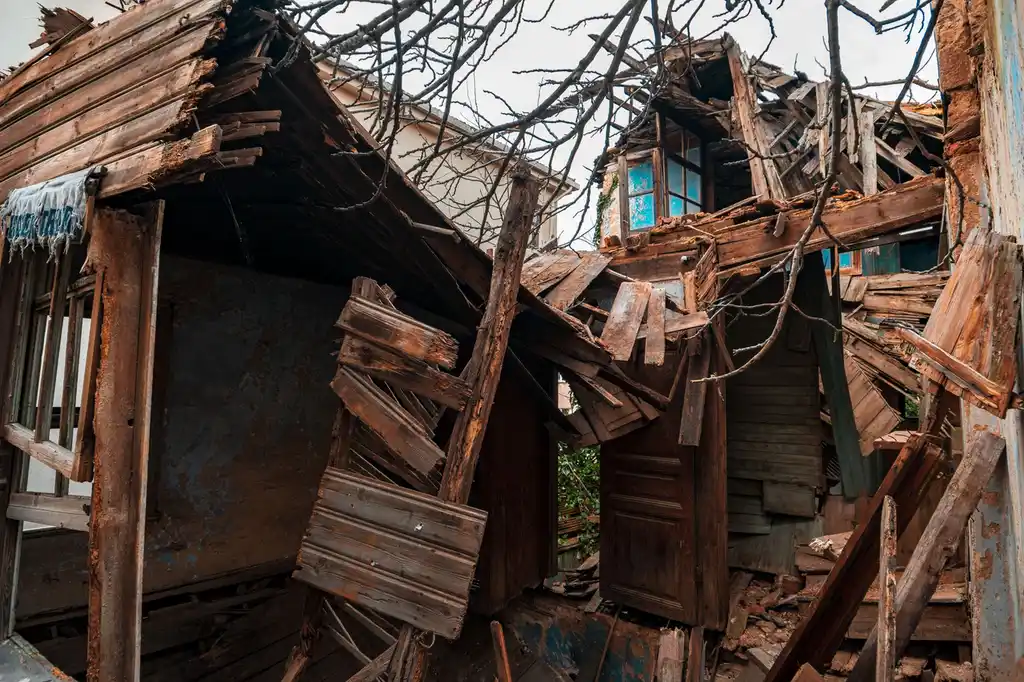
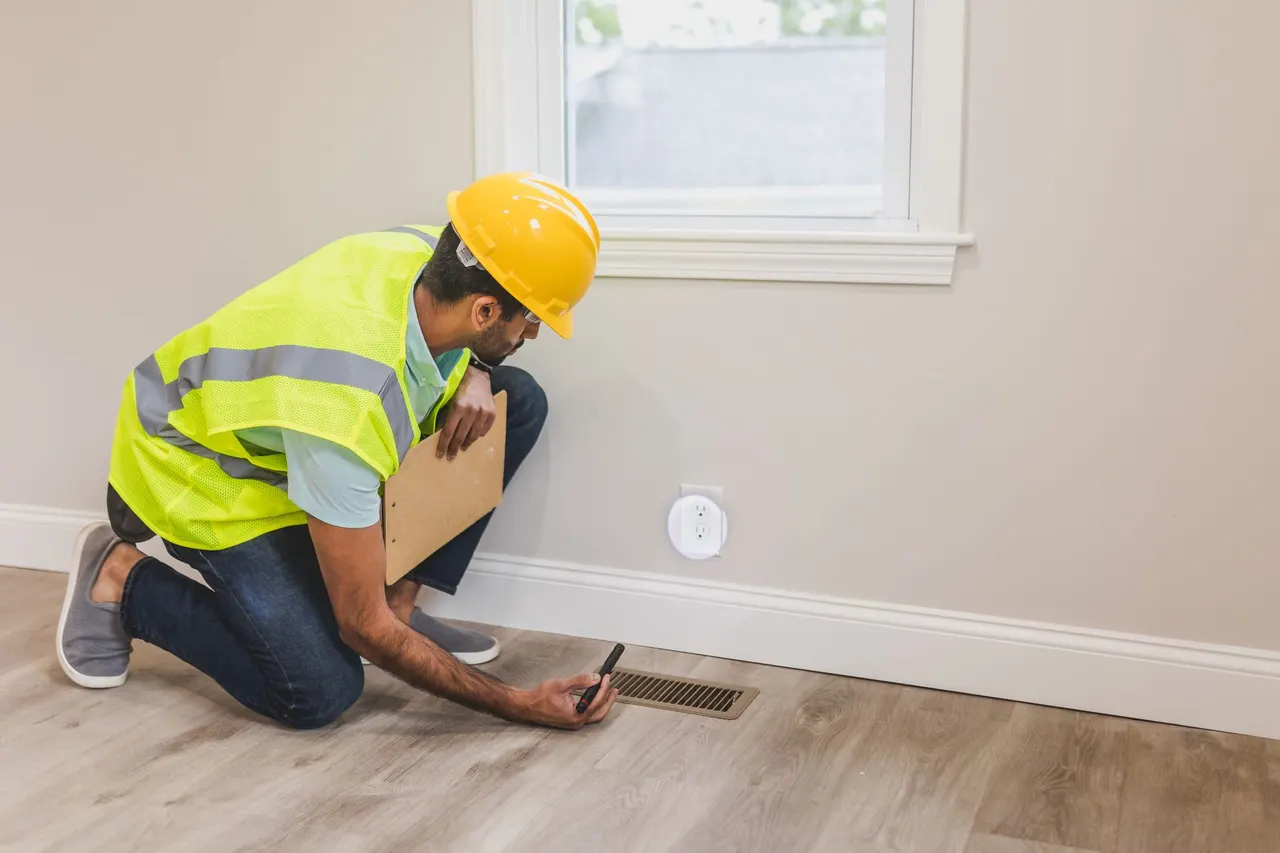
On arrival we walk the space with you, confirm the source, and map how far the contamination traveled. We use a thermal imaging camera and a moisture meter to find hidden saturation behind baseboards and under hardwood flooring. This usually takes 20 to 40 minutes and tells us exactly what has to come out and what can be dried in place.
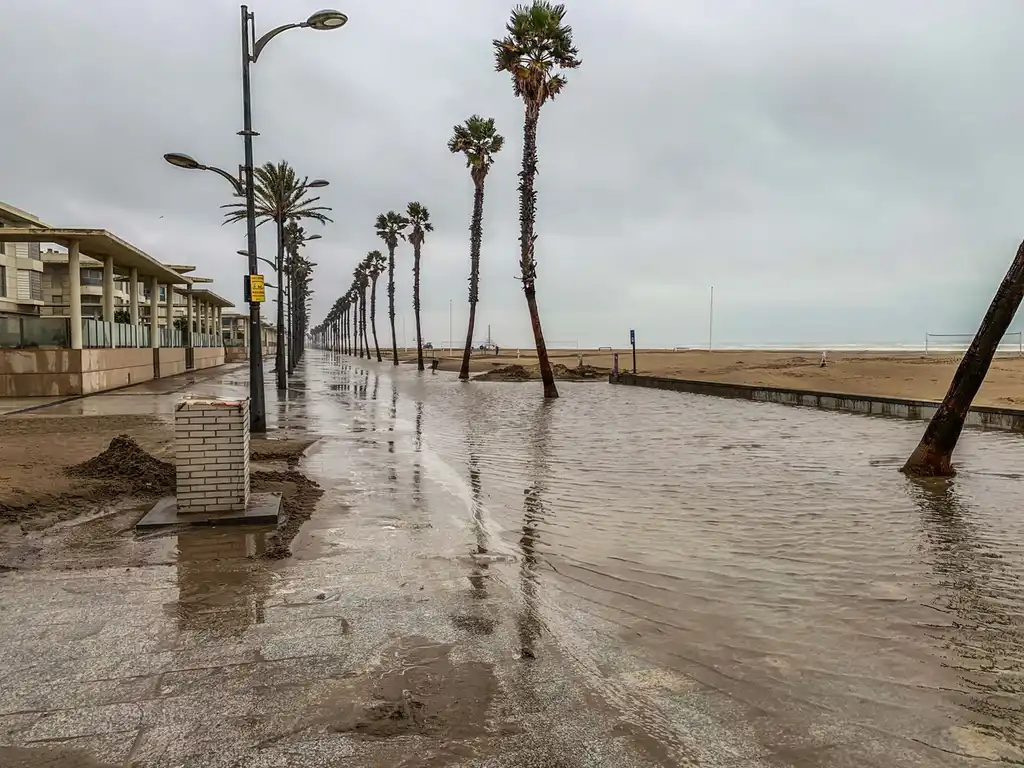
We extract standing black water with a water extraction unit, then remove contaminated materials: carpet, carpet padding, saturated drywall, and any insulation that took on waste. Everything goes into sealed bags and off your property. On a typical Fort Worth garage or hallway backup, this phase runs two to four hours.

Every surface the waste touched gets an antimicrobial solution applied by pump sprayer, including framing, subfloor and baseboards. We follow with odor removal and air purification because sewage smell lingers in porous materials long after the water is gone. This step is what makes the space safe to live in again.
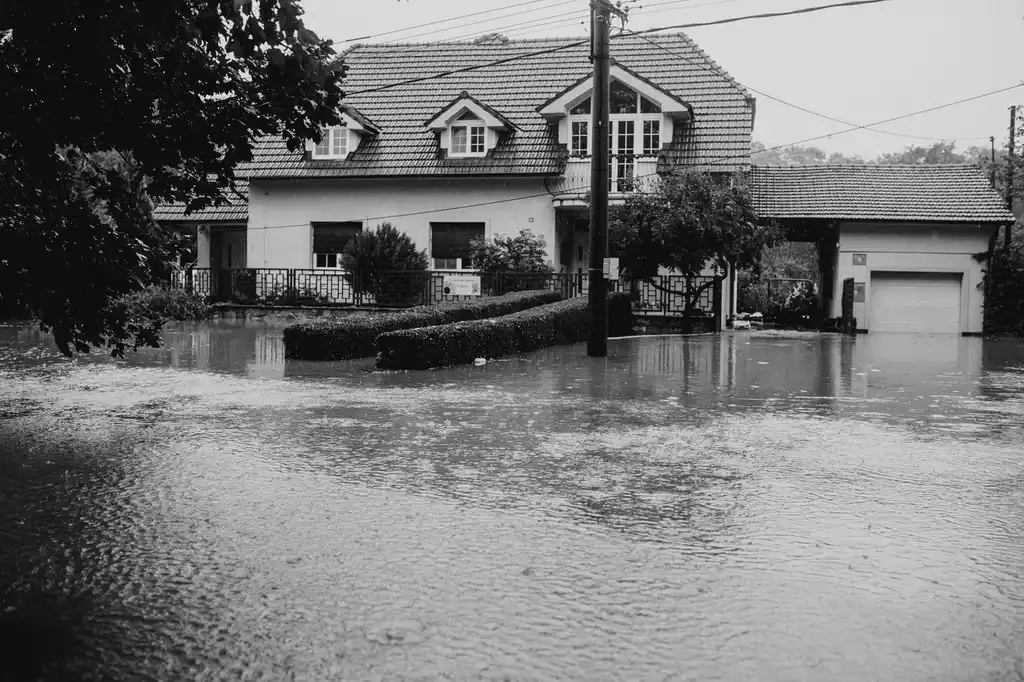
We set air movers and dehumidifiers and leave them running for two to four days, checking moisture readings daily. When the structure hits its dry standard, we pull the equipment, take final photos, and hand you a drying log for your insurance file. If reconstruction is needed, we schedule that next.
Move across a circle, or focus it and press Enter, for an illustrative thermal view of the photograph.
Truck-mounted and portable units that pull standing black water and contaminated solids out of the affected area fast, often within the first 30 minutes on site.
Reveals where waste water traveled behind walls and under flooring without tearing the space apart, so we remove only what is actually contaminated.
Tracks moisture content in framing, subfloor and drywall daily, giving us a hard number for when the structure is actually dry.

Dri-Eaz and Phoenix Restoration Equipment units that circulate air and pull humidity out of the space so wet materials release their water faster.
A camera on a flexible line that lets us look inside wall cavities and under slabs to confirm where the contamination reached.
Thermal views are illustrative, generated from the photographs.
Applied to every surface the waste touched, including framing, subfloor and concrete, to kill bacteria and prevent mold growth.
The industry standard for water damage restoration, including how category 3 black water is handled. We follow it on every sewage job, from extraction through drying verification.
Sewage is category 3 water, which means full PPE, sealed disposal of contaminated materials, and antimicrobial treatment on every affected surface. We treat it as a biohazard from start to finish.
The same platform most Texas adjusters use. Our estimates are line-itemed and formatted so your insurance claim moves through without repeated back-and-forth.
We log readings with a moisture meter and hygrometer every day until the structure hits its dry standard, then hand you the log for your records and your claim.
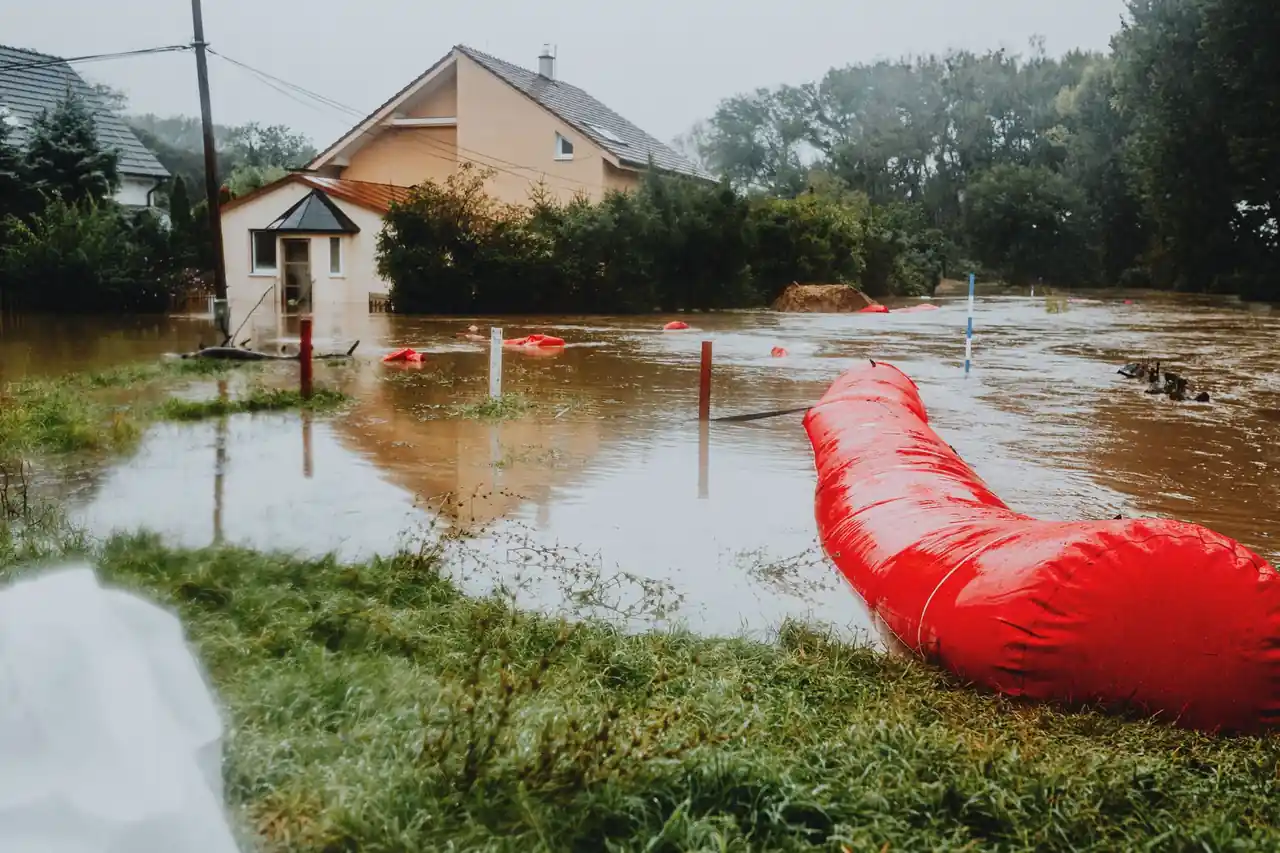
A Fairmount bungalow with a shared sewer lateral backs up during a hard freeze, sending waste into the bathroom and hallway.
We extract the standing waste, cut out the saturated carpet padding and drywall, treat the framing with antimicrobial solution, and run air movers and dehumidifiers for three days. We document everything for the homeowner's claim.
Outcome: The home is dry, sanitized and back to normal in under a week, with a complete drying log for the insurance file.
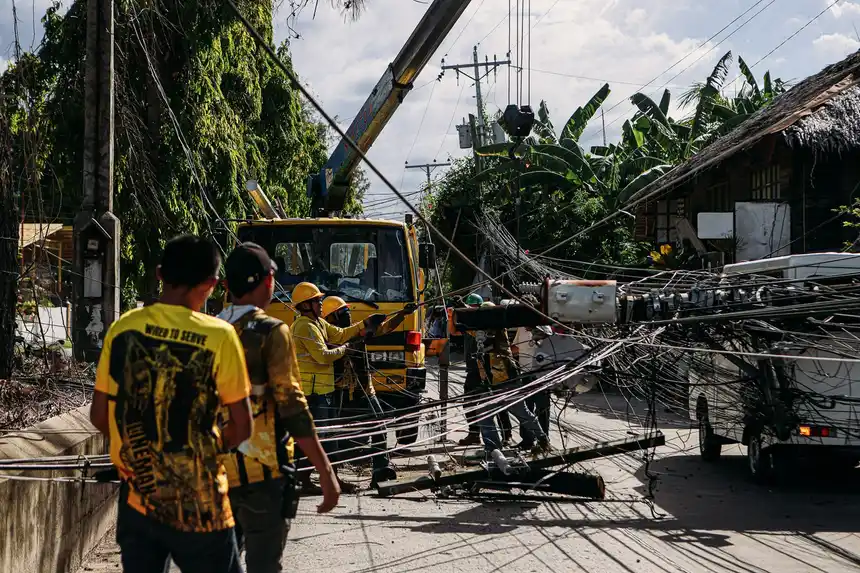
A West 7th restaurant has a grease line backup during dinner service, flooding the kitchen floor and a storage area.
We work overnight to extract, remove contaminated materials, sanitize the kitchen and storage space, and dry the concrete and walls. We build an Xactimate estimate so the owner's adjuster can process the claim quickly.
Outcome: The restaurant reopens in two days with the kitchen sanitized and the claim already moving.
A Near Southside duplex tenant reports a sewage smell and a wet shared wall between units.
We inspect with a thermal imaging camera, find the backup has soaked into the shared wall, extract the water, remove saturated drywall, and sanitize both sides of the wall before drying.
Outcome: Both units are dry and odor-free, and the property manager has documentation for the owner's claim.
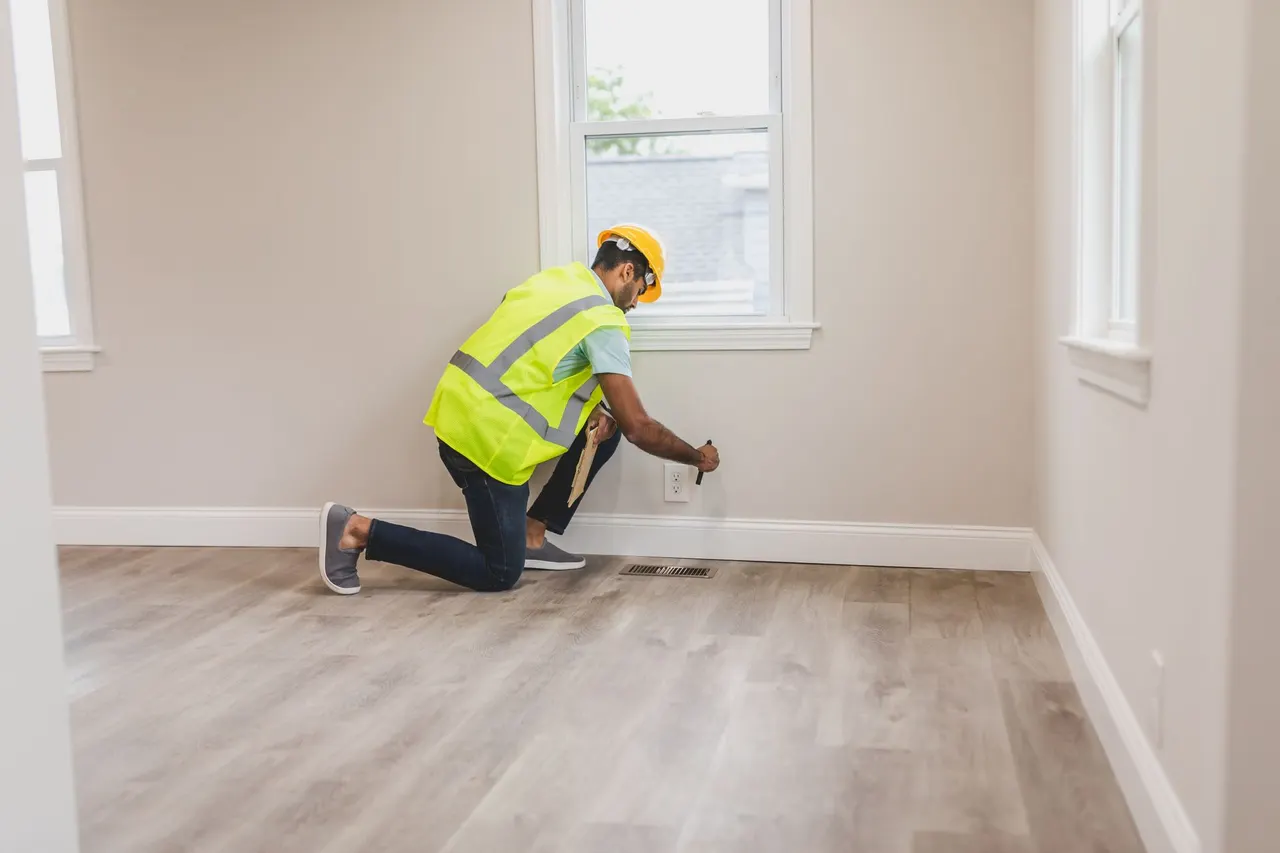
A TCU-area rental house has a toilet overflow that spreads into two bedrooms while the tenants are away for the weekend.
We extract the water, remove the contaminated carpet and padding in both rooms, treat the subfloor, and set drying equipment. We coordinate access with the property manager and document the whole job.
Outcome: The house is dry and ready for the tenants to return in four days, with new carpet padding scheduled after drying.
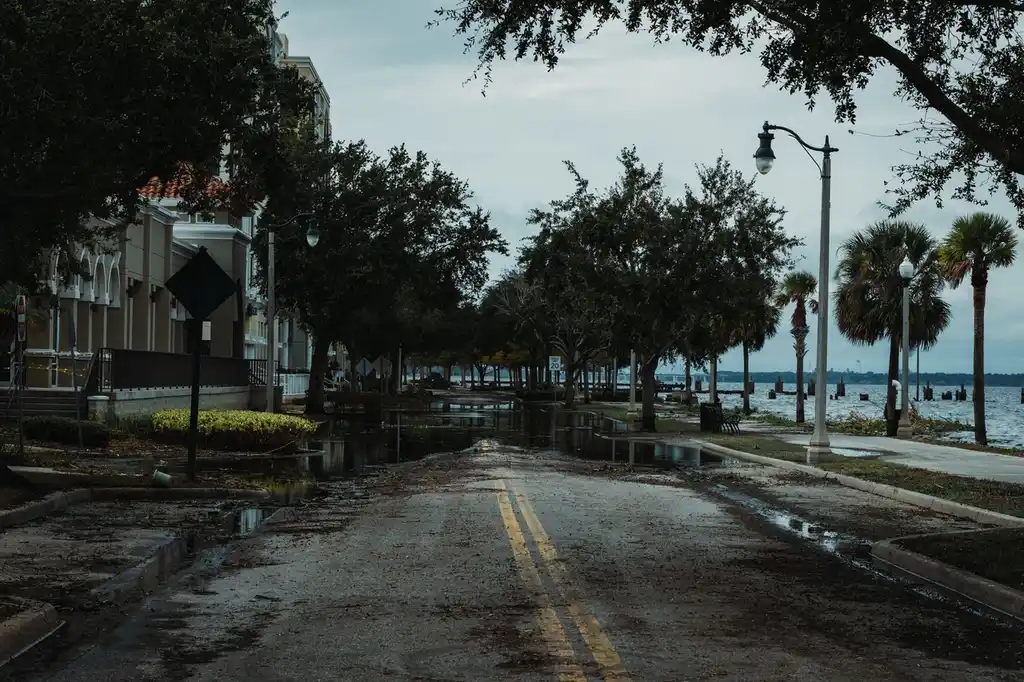
Fort Worth is a city of older homes on aging sewer laterals, and that shapes how we work. In Fairmount, Arlington Heights and Near Southside, cast-iron and clay lines crack and root-intrude, so backups tend to happen in the same low drains year after year. When a hard freeze hits in January, we get a wave of burst pipe and sewage calls at once, and we prioritize by how much waste is still rising.
Summer storms are the other driver: two inches of rain in an hour can surcharge the city main and push sewage into ground-floor drains across Tarrant County. We know which neighborhoods flood first and stage equipment accordingly. If you need emergency sewage water removal Fort Worth TX during a storm event, call early and we will give you a realistic window.
We also work with the Texas Department of Insurance documentation standards, so your claim is built correctly from day one.
Before: A main line backed up into a Fairmount bungalow bathroom overnight, sending black water across the tile and into the hallway carpet. The carpet padding was saturated, the baseboards were wicking, and the smell had reached the front room.
After: We extracted the standing waste, removed 180 square feet of carpet and padding, cut out 12 linear feet of baseboard, sanitized the subfloor and framing, and ran drying equipment for three days. Moisture readings returned to normal, and the homeowner's claim covered the replacement.
Have the sewer lateral camera-inspected every two years, and keep a floor drain cover on the lowest drain to catch debris. If the line backs up again, call before mopping.
Before: A grease line backed up into a West 7th restaurant kitchen during dinner service. Standing waste covered the kitchen floor and spread into a dry storage area, forcing the owner to close mid-service on a Friday night.
After: We worked overnight, extracting the water, removing contaminated materials, sanitizing the kitchen and storage space, and drying the concrete and walls. The restaurant reopened Sunday with the kitchen sanitized and the Xactimate estimate already in the adjuster's hands.
Schedule grease trap service quarterly and have the kitchen line jetted annually. Keep a floor drain log so you can spot slow drains before they back up.
Before: A tenant in a Near Southside duplex reported a sewage smell and a damp shared wall. The backup had soaked into the wall between units, and both sides were reading high moisture behind the drywall.
After: We used a thermal imaging camera to map the saturation, removed 24 square feet of drywall on both sides, treated the framing with antimicrobial solution, and dried the cavity for four days. Both units passed final moisture checks and the odor was gone.
Have the shared lateral inspected and consider a backwater valve on the lowest drain. Report any sewage smell immediately, even if you do not see water.
Most sewage calls come down to a handful of root causes. Here is what we see and how we handle each one.
A dry, sanitized space and a documented claim file.
Every hour that black water sits, it wicks further into baseboards, plywood and carpet padding. We arrive with a water extraction unit and begin pulling standing waste within the first 30 minutes on most Fort Worth calls, which limits how much material has to be cut out and replaced.
A wet floor that reads dry on the surface can still hold 20% moisture in the subfloor. We use a moisture meter and a hygrometer to track readings daily, then run air movers and dehumidifiers until the structure hits its dry standard. That is what keeps mold growth from showing up three weeks later.
Most homeowner policies in Texas cover sudden sewage backup, but the claim needs documentation. We photograph affected materials, log moisture readings, and build an Xactimate estimate your adjuster can read. That shortens the back-and-forth and gets your claim moving.
We set plastic barriers and negative air so the rest of your home stays livable while we work. Contents get sorted, cleaned or packed out, and anything salvageable is treated with an antimicrobial solution before it goes back. You are not sleeping in a contaminated house.
Clear records you can keep and share.
Before and after images of affected areas
Daily readings until the dry standard
Placement and run times for drying units
Itemized estimate for your adjuster
Not all water damage is the same. The category decides how we handle it and what has to be removed.
Clean water from a supply line
Gray water with some contamination
Black water with sewage or waste
A list like this tells people straight away whether you cover their street. Not listed? Call and ask: it only takes a minute.
Based in Fort Worth and covering the places around it. Pick one for local details.
A single bathroom backup with minimal saturation sits at the low end. A whole first floor with contaminated hardwood and drywall pushes toward the top. We give you an upfront price before work begins.
Fort Worth Restorations handles sewage removal across Tarrant County, including Downtown, Fairmount, Arlington Heights and the TCU area. We are a local crew, not a franchise call center. You can reach us at +1 817-270-9150, and we will tell you honestly whether we can get there today or whether you need a plumber first to stop the source.
In most cases, yes. Sudden and accidental sewage backup is typically covered under the water backup endorsement on a Texas homeowner policy. The key is documentation: photos, moisture readings, and an itemized estimate. We provide all of that in a format your adjuster can process, which is why most of our Fort Worth claims move through without a fight.
Extraction and sanitizing usually take one day. Drying runs two to four days, and we check moisture readings daily until the structure hits its dry standard. If reconstruction is needed, add three to seven days depending on scope. A typical Fort Worth bathroom backup is fully back to normal in about a week.
Other services from the same team.
Sewage does not wait, and neither should you. Call Fort Worth Restorations at +1 817-270-9150 and we will dispatch a crew, give you a straight arrival window, and start extracting as soon as we arrive. Upfront pricing before we begin.
Call +1 817-270-9150 any time, day or night. We answer, ask a few questions about the source and the rooms affected, and dispatch a crew. If you prefer email, send photos and your address to [email protected] and we will follow up with next steps.