For Homes
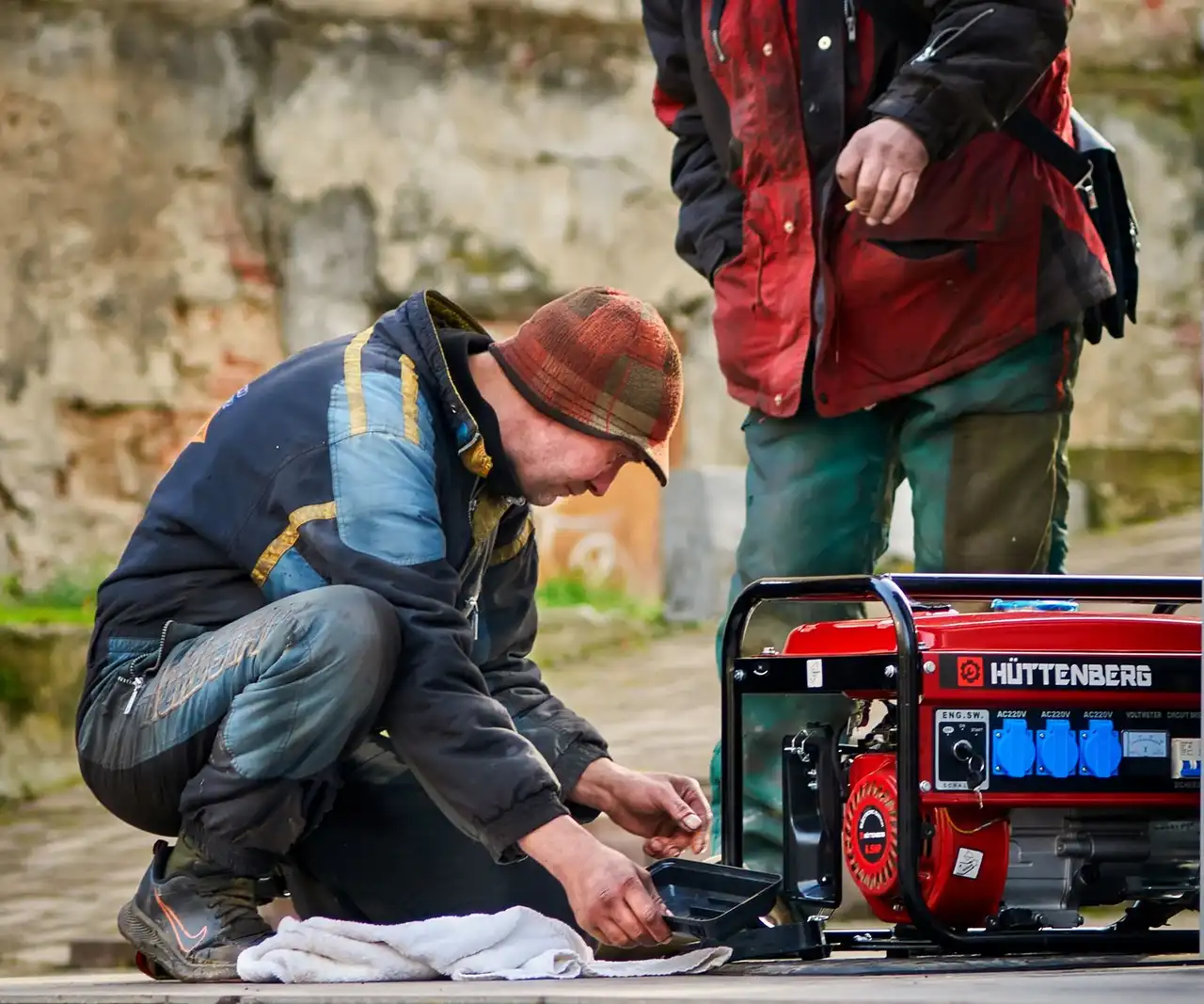
We handle flooded basements in houses, duplexes and rentals across Fort Worth. You get extraction, drying and a report you can hand to your insurer.
- Storm flooding after heavy rain
- Burst pipe in utility room
- Sump pump failure
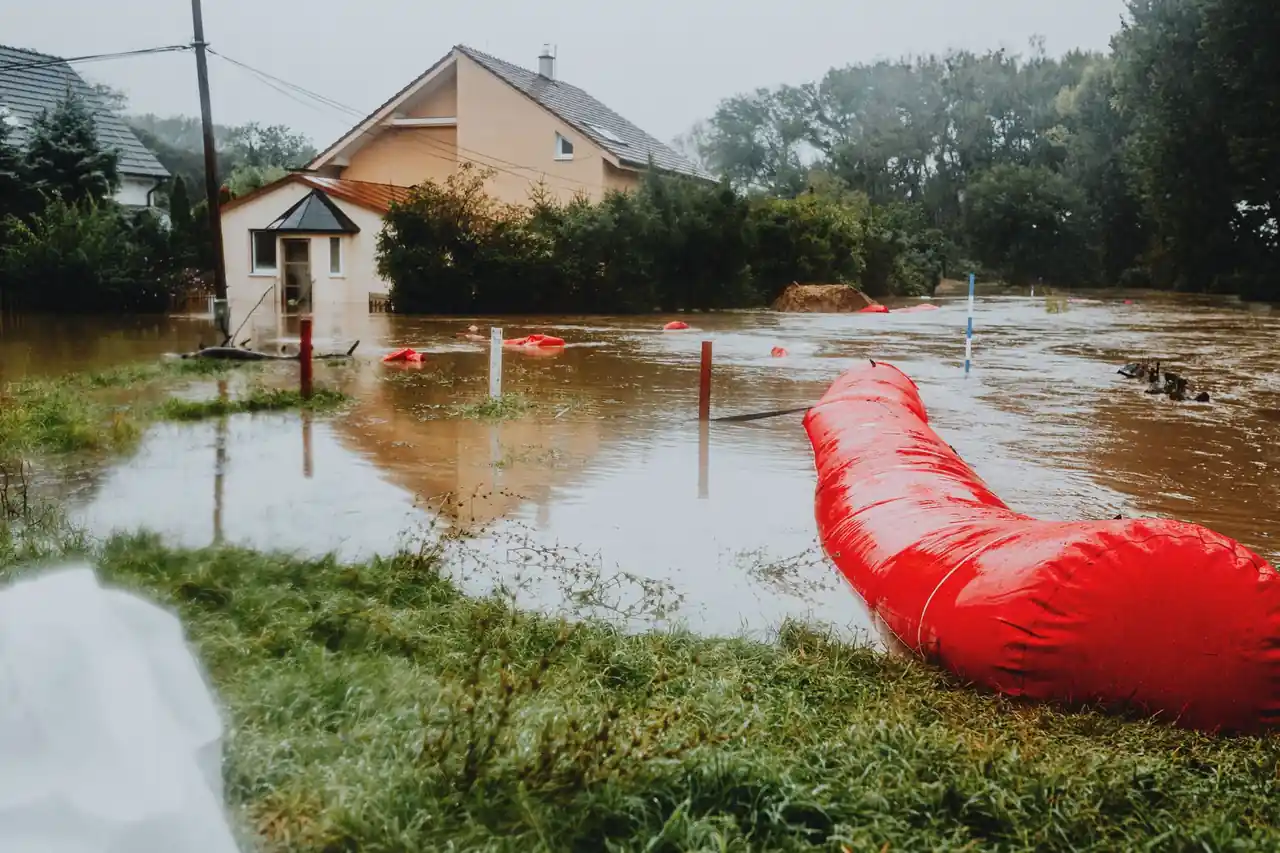
Standing water in your basement does not wait, and neither do we. Basement Water Removal Fort Worth TX means our crew arrives with truck-mounted extraction units, pulls the water out, and starts basement drying in Fort Worth the same day. We handle slab leaks, burst pipes, sewage backups and storm flooding across Tarrant County. One call and we are on the way.
 Moisture mappedWater extractedDrying logged
Every basement water removal job includes the core work: inspection, extraction, drying and documentation. What changes is the scope. A small utility room with clean water is a shorter job than a finished basement with sewage. Here is what we cover.
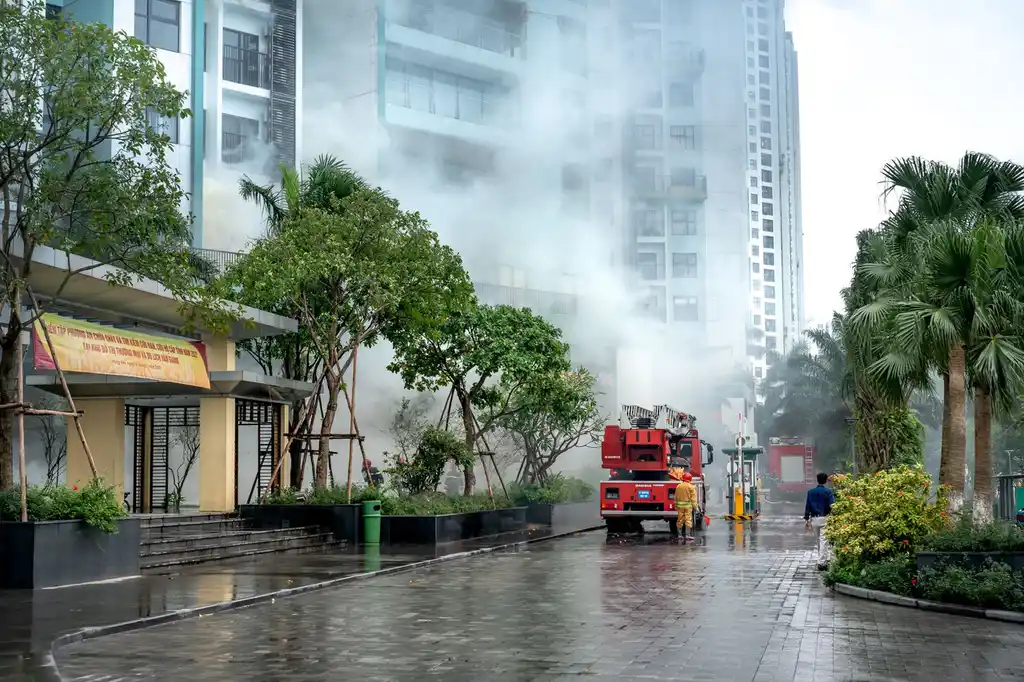
We inspect the basement with a thermal imaging camera, moisture meter and boroscope. Wet zones get marked on a moisture map so you can see exactly where the water is. This step takes 30 to 45 minutes and sets the plan for everything that follows.
Truck-mounted and portable extraction units pull standing water from the floor, carpet and padding. A sump pump handles deeper pockets. We remove saturated materials that cannot be dried in place, like carpet padding and ruined drywall.
We position air movers along the walls and a dehumidifier in the center of the room. Floor drying mats go down on hardwood. Equipment runs continuously until moisture readings hit the dry standard, usually three to five days.
We apply an antimicrobial solution to framing, baseboards and drywall edges after extraction. This stops mold growth from starting while the space is still drying. It is a standard step on every water job, not an add-on.
We check moisture readings every day and adjust equipment placement as the space dries. You get updates on progress. If one area is drying slower, we add equipment or reposition what is there.
You get a completion report with photos, moisture maps and final readings. That file goes to your insurance adjuster if you are filing a claim. It also serves as proof the space was dry when we finished.
The approach is the same for a home and a business. What changes is the access, the schedule and who needs the paperwork.
We handle flooded basements in houses, duplexes and rentals across Fort Worth. You get extraction, drying and a report you can hand to your insurer.
We work with property managers and business owners on basement flooding that disrupts operations. After-hours scheduling is available so your tenants or staff are not affected.
A plain-language look at what Basement Water Removal involves and when it is needed.
See how it worksBasement Water Removal Fort Worth TX is the process of pumping, extracting and drying standing water from a below-grade space before it destroys the structure. We start by finding where the water is coming from, then use a water extraction unit to pull the bulk of it out. From there we set air movers and dehumidifiers to dry the slab, walls and any stored belongings. Every job gets moisture readings before, during and after so you know the space is actually dry, not just dry to the touch.
Fort Worth basements flood for reasons that repeat across the city. Summer storms dump two inches in an hour and overwhelm a sump pump that has not been serviced. Winter freezes split a pipe in an unheated utility room. Clay soil shifts and cracks a slab, letting groundwater seep up through the floor. If you are searching for basement water removal near me Fort Worth, you are probably standing in an inch of water right now. We have seen every version of this across 76164, 76134 and 76135.
Water comes out first, then the structure dries to a measured standard.

Five steps from the first call to a dry, documented basement. No surprises, no vague timelines.
You call and describe what you see. We ask about the water source, how deep it is, and whether sewage is involved. Within minutes we have a crew assigned and a realistic arrival window. If it is a burst pipe, we tell you how to shut off the water before we get there.

We walk the basement with a thermal imaging camera and moisture meter to find the water you can see and the water you cannot. A boroscope checks inside wall cavities. We mark wet zones on a moisture map so you can see the full scope before we start extracting.
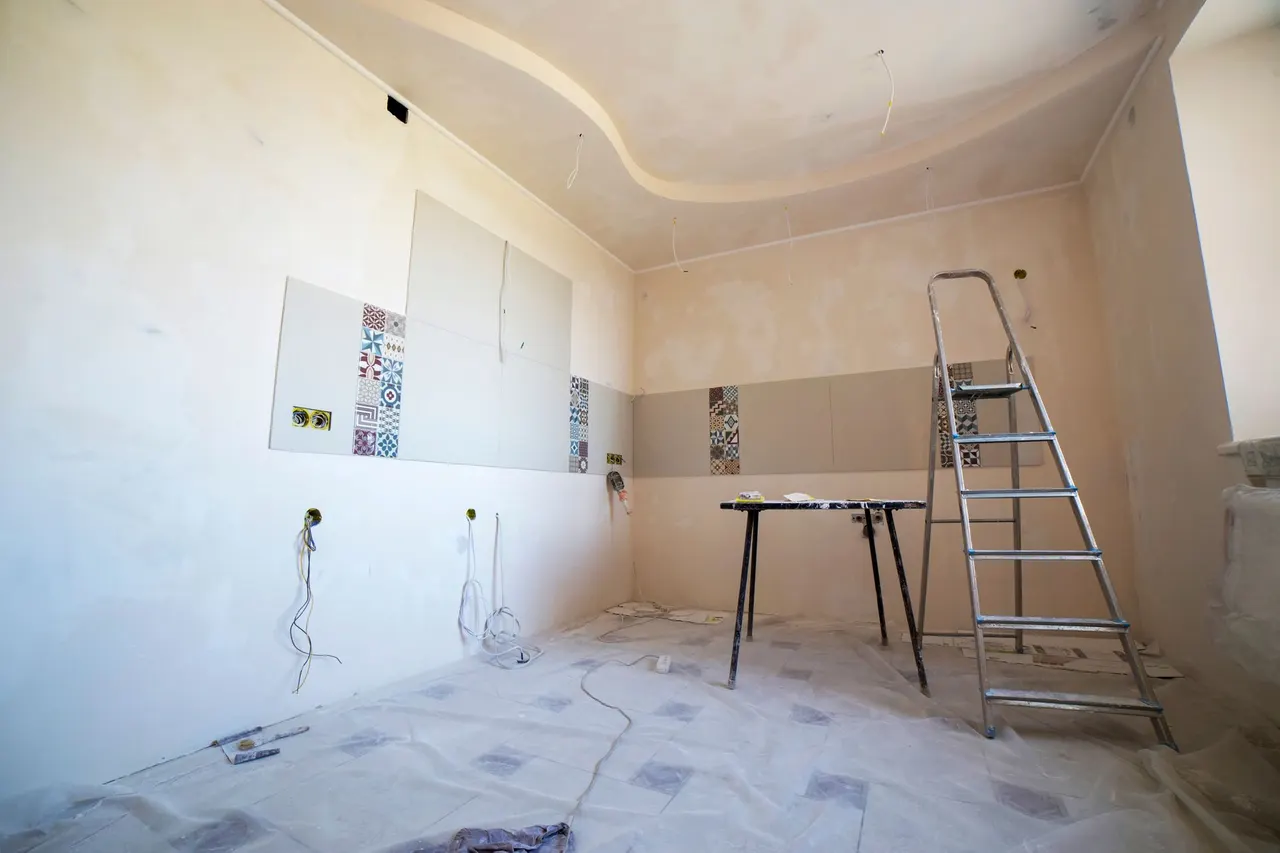
Truck-mounted and portable extraction units pull standing water from the floor, carpet and padding. A sump pump handles deeper pockets. This step usually takes one to three hours depending on volume. We haul out saturated carpet padding and anything that cannot be dried in place.
We set air movers along the walls and a dehumidifier in the center of the room. Floor drying mats go down on hardwood. We check readings daily and adjust equipment placement until the moisture content matches a dry standard. Most basements need three to five days of drying.
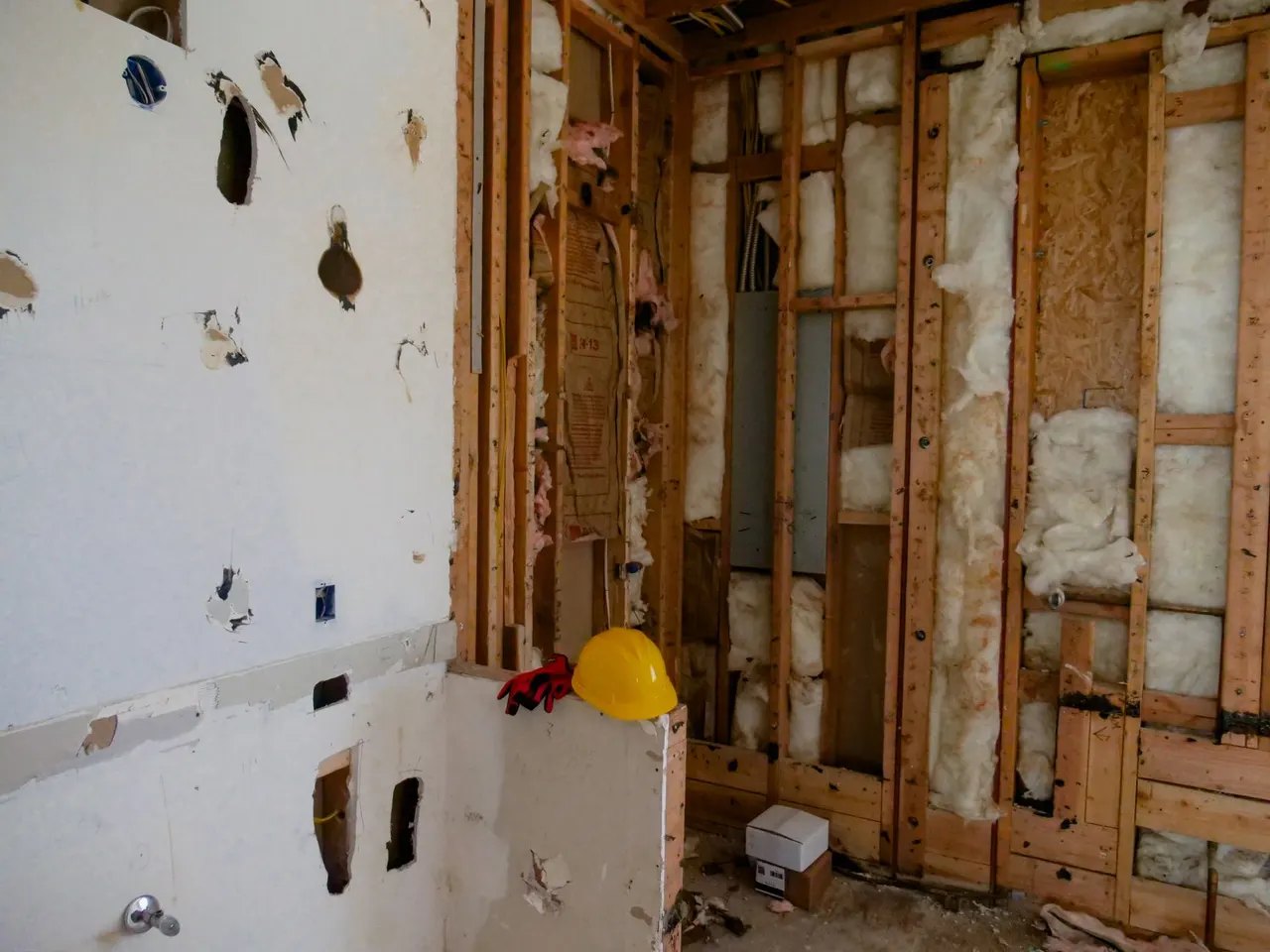
Before we pull equipment, we take final moisture readings and compare them to the dry standard. You get a completion report with photos and readings. If anything is still wet, the equipment stays. We do not call a job done until the numbers say it is done.

Move across a circle, or focus it and press Enter, for an illustrative thermal view of the photograph.
Finds hidden moisture behind walls and under floors by reading temperature differences. It shows us where water traveled, not just where you can see it.
Measures moisture content in wood, drywall and concrete. We use these daily to track drying progress and know when the space hits the dry standard.
Pulls hundreds of gallons of standing water per hour from basements and carpets. It is the fastest way to get bulk water out of a flooded space.
Circulate air and pull moisture from the air to dry structural materials. We position them based on the moisture map, not guesswork.
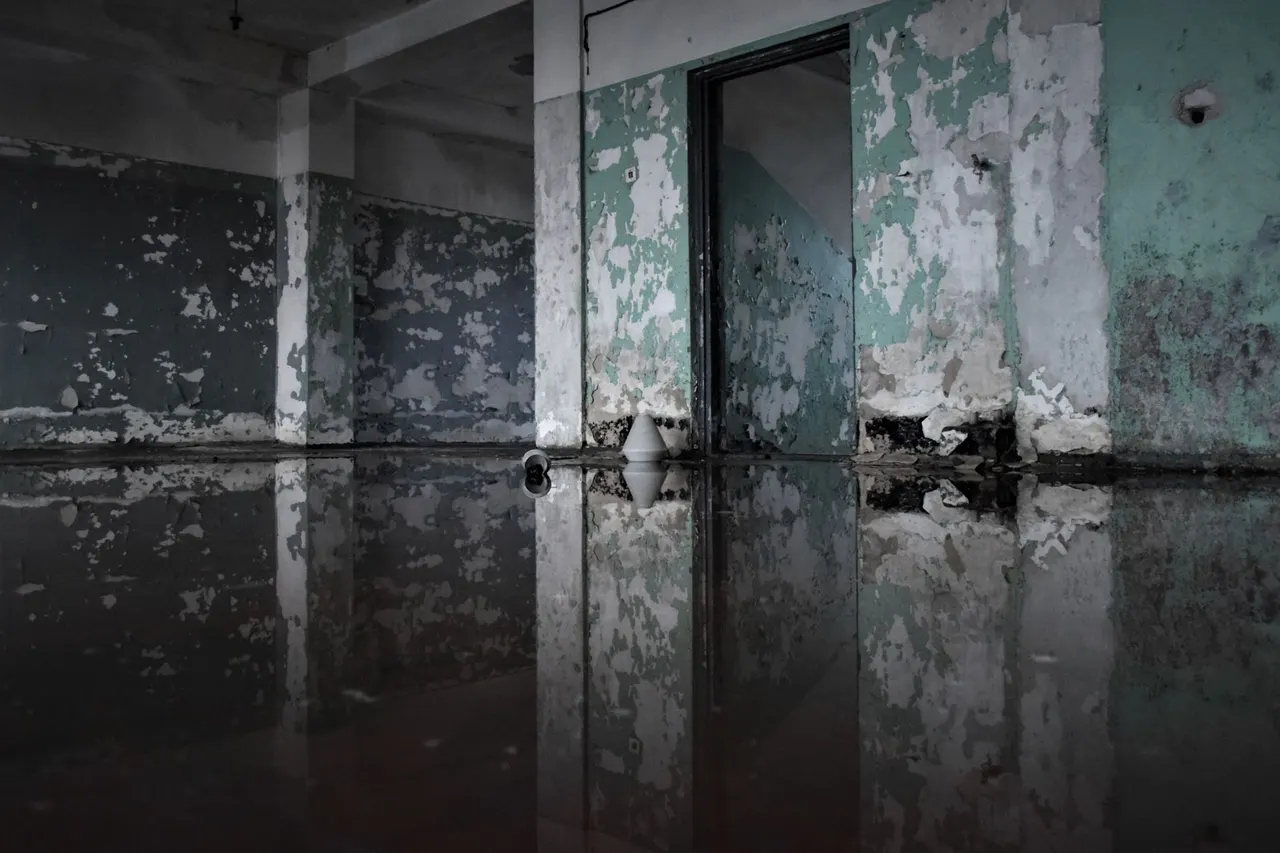
Pull moisture out of hardwood flooring and subfloor without removing the boards. They save floors that would otherwise cup and buckle.
Thermal views are illustrative, generated from the photographs.
A camera on a flexible rod that lets us see inside wall cavities and under floors. It confirms whether hidden spaces are wet.
Removes water from deeper pockets where extraction units cannot reach. We also check your existing sump pump to see if it needs replacing.
The industry standard for professional water damage restoration. It defines how to classify water, how to dry different materials, and when a space is considered dry. Every job we do follows it.
We create a floor plan of your basement and mark every wet zone with readings from a moisture meter and thermal camera. That map guides equipment placement and tracks drying progress day by day.
After extraction, we apply an antimicrobial solution to framing, baseboards and drywall edges. It stops mold growth from starting while the space is still drying. Standard step on every water job.
We take readings every day and compare them to the dry standard. If one area is drying slower, we add equipment or reposition what is there. We do not pull equipment until the numbers say it is dry.
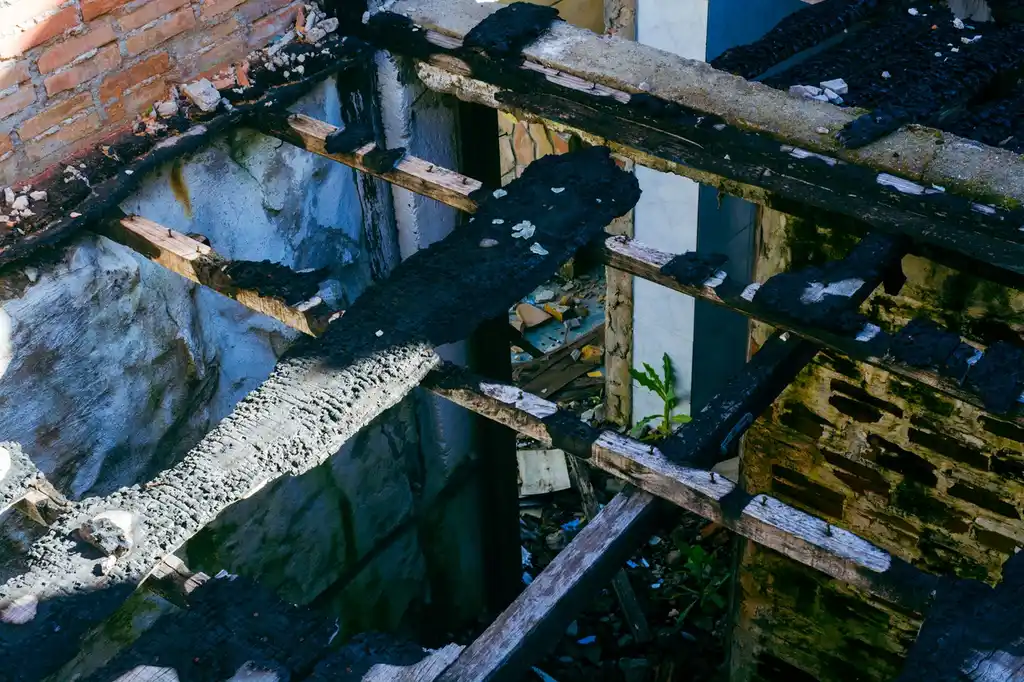
You wake up to an inch of water in your basement after a storm and your sump pump did not keep up.
We arrive with extraction units and a backup sump pump. Standing water comes out first, then we set air movers and dehumidifiers. We check the sump pump and recommend a replacement if it failed.
Outcome: Your basement is dry in three to five days, and you know whether your sump pump needs replacing before the next storm.
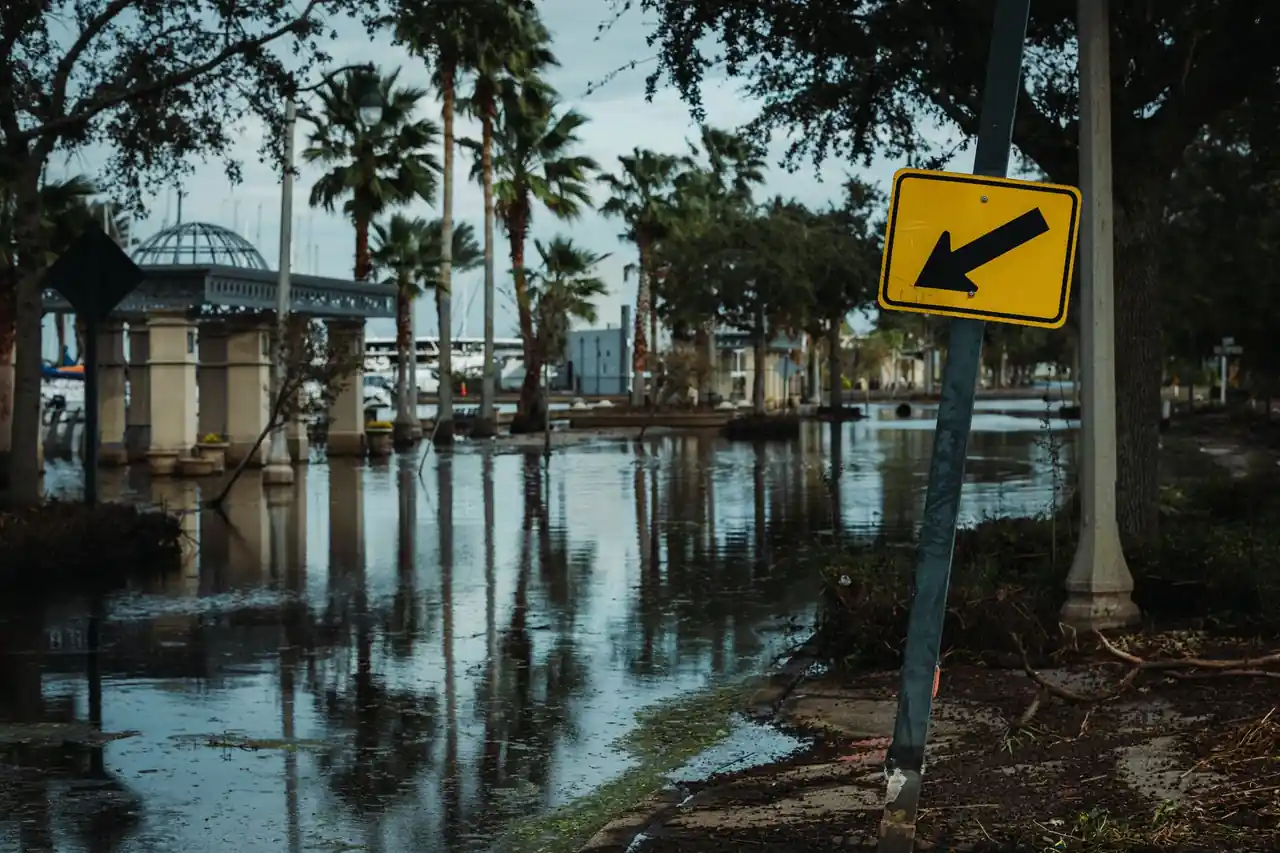
A pipe bursts in an upstairs bathroom and water runs down through the ceiling into your basement.
We repair the pipe, extract water from the basement, and dry the ceiling and walls it passed through. Thermal imaging shows us how far the water traveled inside the walls.
Outcome: The leak is fixed, the basement and ceiling are dry, and you have documentation for your insurance claim.
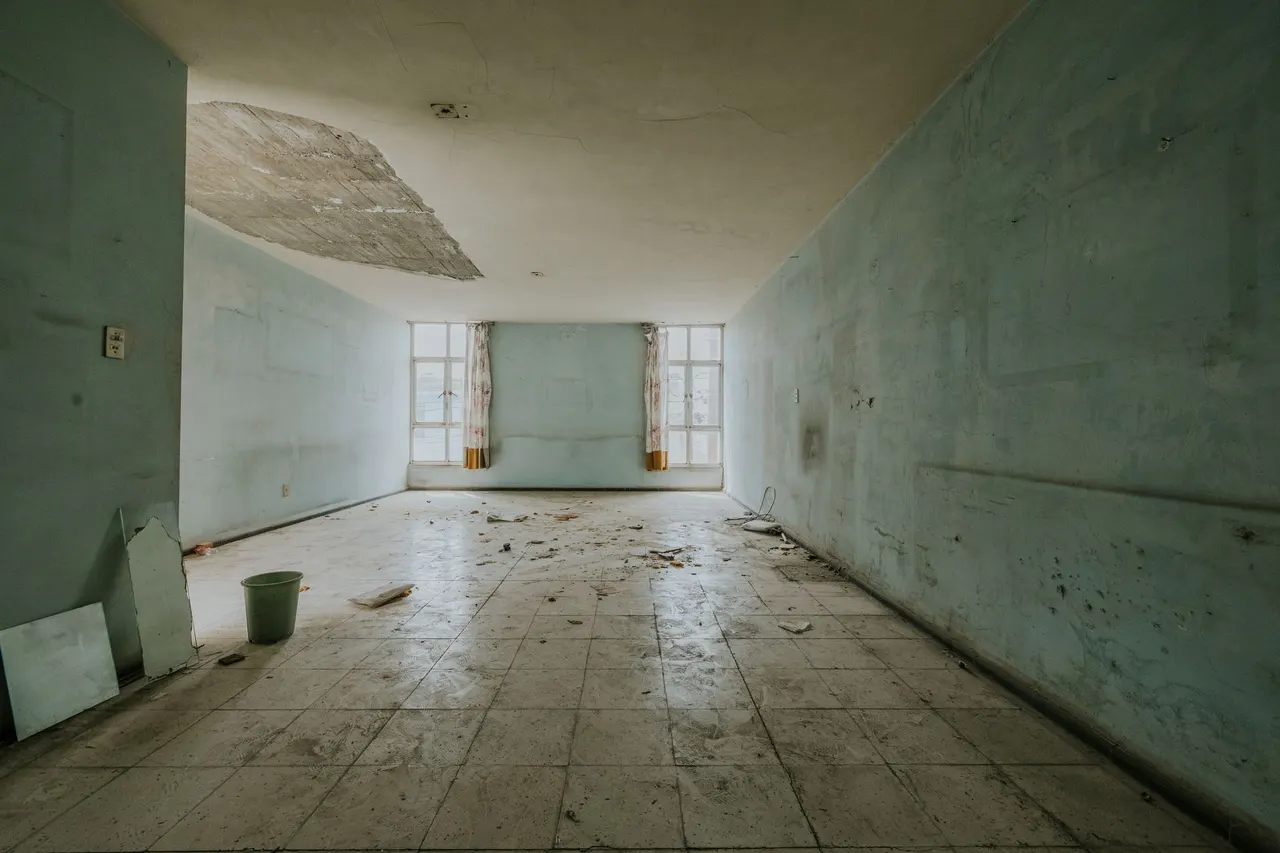
You come home to a sewage smell and standing water in your basement after the city sewer backed up.
We treat it as a biohazard. Contaminated water is extracted, affected materials are removed, and every surface gets disinfected. Air scrubbers run during the job to clear the air.
Outcome: The sewage is gone, the space is disinfected, and the smell is cleared. You get a report showing what was removed and what was treated.

Your basement has been damp for weeks and you notice a musty smell but no standing water.
We inspect with a thermal imaging camera and moisture meter to find the hidden moisture source. A boroscope checks inside wall cavities. Once we find it, we dry the space and treat for mold if needed.
Outcome: The moisture source is found and fixed, the space is dried, and the musty smell is gone. You know what caused it and how to prevent it.
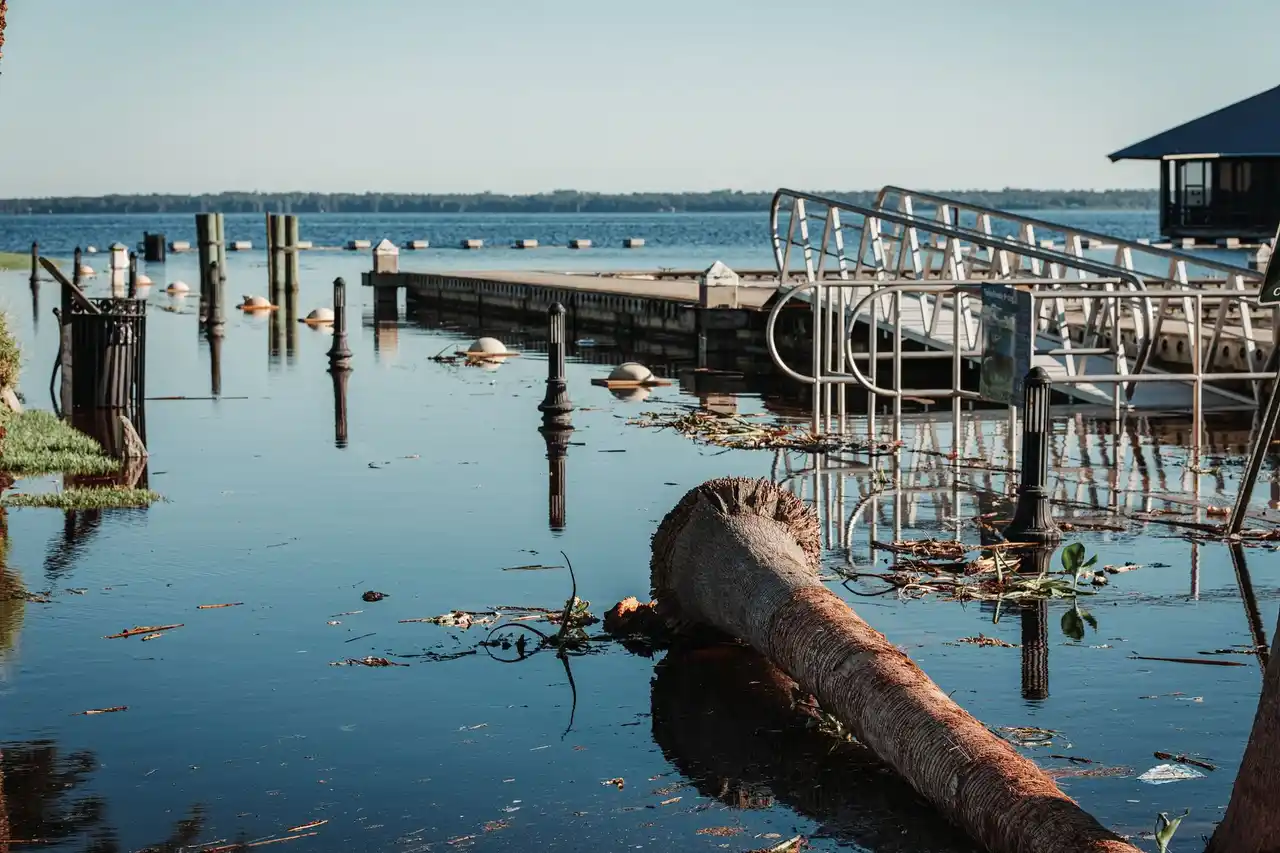
Fort Worth basements flood for reasons that repeat here. The soil is heavy clay, which expands when wet and shifts when dry. That movement cracks slabs and lets groundwater seep up through basement floors. Summer storms drop two inches of rain in an hour, and older drainage systems cannot keep up. Winter freezes split pipes in unheated utility rooms and crawl spaces. We have worked all of it across Tarrant County.
Homes in Fairmount and Arlington Heights often have stone foundations that seep during heavy rain. Newer builds near the TCU Area deal with slab leaks and sump pump failures. When you call for emergency wet basement water removal Fort Worth TX, we ask what neighborhood you are in because it tells us what we are likely walking into.
We also handle flooded basement cleanup Fort Worth Texas after storms, including mud and debris removal. If you need same day basement water removal Fort Worth TX, we dispatch a crew and start extraction the day you call.
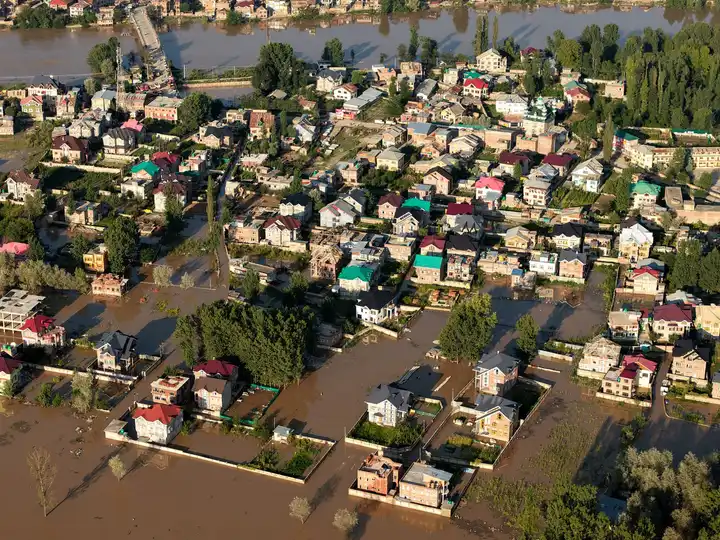
Before: A pipe burst in an unheated utility room overnight and sent two inches of water across a finished basement. Carpet, padding and the bottom two feet of drywall were saturated. The homeowner called at 6 a.m.
After: We extracted the water by 9 a.m., removed the ruined carpet padding, and set air movers and a dehumidifier. Four days later, moisture readings hit the dry standard. We replaced the drywall and baseboards, and the homeowner filed the claim with our documentation.
We recommended insulating the utility room pipes and installing a water alarm. The homeowner also had us service the sump pump before the next storm season.
Before: A city sewer backup sent contaminated water across a rental basement floor. The tenant reported the smell immediately. Carpet, padding and stored boxes were soaked with category 3 water.
After: We treated it as a biohazard, removed all contaminated materials, and disinfected every surface with antimicrobial solution. Air scrubbers ran for two days. The space passed a clearance check, and the tenant moved back in within a week.
We recommended a backwater valve on the sewer line to prevent future backups. The property manager had one installed within the month.
Before: A slab leak pushed water up through a concrete basement floor in a 1920s Fairmount home. The homeowner noticed dampness and a musty smell but no standing water. Thermal imaging found the leak under the floor.
After: Five days of drying brought moisture readings to the dry standard. The musty smell cleared, and no mold growth was found.
We recommended a moisture barrier and a dehumidifier for year-round use. The homeowner also scheduled annual sump pump checks.
Water gets into a Fort Worth basement in a handful of ways. We have seen them all and we know how to fix each one.
A dry basement with documented readings and no mold growth.
We pull standing water out the same day you call. A truck-mounted extraction unit moves hundreds of gallons an hour, which means your basement goes from flooded to damp in one visit. That speed is the difference between replacing carpet padding and replacing a whole floor.
We do not guess when a basement is dry. A moisture meter and hygrometer tell us exactly where the water hides, and we keep the dehumidifiers running until readings match a dry standard. Most basements hit that mark in three to five days with proper airflow.
Mold growth can begin within 24 to 48 hours of a flood. We apply an antimicrobial solution to framing, baseboards and drywall edges as part of the extraction visit. That step buys you time and keeps a wet basement from turning into a mold remediation project.
We document everything with photos, moisture maps and a room-by-room report formatted for Xactimate. Your adjuster gets what they need to process the claim, and you are not stuck translating what happened. Most Fort Worth policies cover sudden pipe bursts and appliance leaks.
Clear records you can keep and share.
Wet zones marked on floor plan
Before, during and after photos
Moisture readings recorded each day
Completion summary with readings
Not all basement water is the same. The category determines how we handle it and what can be saved.
Clean water from a pipe or supply line
Gray water from appliances or minor seepage
Black water from sewage or flooding
A list like this tells people straight away whether you cover their street. Not listed? Call and ask: it only takes a minute.
Based in Fort Worth and covering the places around it. Pick one for local details.
A small utility room with an inch of clean water costs less than a finished basement with sewage backup. We give you a written estimate before we start. Insurance often covers the bulk of it when the cause is a sudden pipe burst or appliance failure.
We do. Our crew handles both water extraction and basement drying in Fort Worth, so you are not coordinating two companies. We bring the extraction units, air movers, dehumidifiers and moisture meters. One call gets the water out and the drying started. We work across Tarrant County including 76164, 76040 and 76137.
Most basements dry in three to five days with proper airflow and dehumidification. A concrete floor with minimal saturation can be dry in 48 to 72 hours. A finished basement with carpet, drywall and insulation takes longer, sometimes up to a week. We check moisture readings daily and do not pull equipment until the numbers hit the dry standard.
Most Fort Worth homeowner policies cover sudden and accidental water damage, like a burst pipe or appliance leak. Flooding from rising groundwater usually requires separate flood insurance. We document the loss with photos, moisture maps and a report formatted for Xactimate, which makes the claims process smoother. We work directly with adjusters and can explain what your policy likely covers.
Other services from the same team.
Standing water gets worse every hour. Call us and we will dispatch a crew, extract the water and start drying your basement the same day. We answer the phone and show up when we say we will.
Call +1 817-270-9150 any time, day or night. We answer, ask a few questions about the source and the rooms affected, and dispatch a crew. If you prefer email, send photos and your address to [email protected] and we will follow up with next steps.