For homes
We handle floods in houses, condos, and rentals across Fort Worth. You get a clear plan before we start.
- Burst pipe under sink
- Basement sump failure
- Washing machine hose leak
When water is rising in your Fort Worth home, every minute counts. Our Flood Damage Cleanup Fort Worth TX team pulls standing water, dries the structure, and handles the insurance paperwork so you can focus on your family. From burst pipes in Arlington Heights to storm flooding near the TCU Area, we respond fast and work clean.
 Check moistureExtract waterDry structure
Every flood job is different, but the core scope covers assessment, extraction, drying, sanitizing, and documentation. Here is what you can expect us to handle from the moment we arrive.

We use a moisture meter, thermal imaging camera, and boroscope to find every wet area, including behind walls and under floors. You get a written scope before work begins.
Truck-mounted water extraction units and sump pumps remove standing water from carpet, hardwood, and basements. We pull the bulk of the water within the first few hours.
Air movers and dehumidifiers are placed according to IICRC standards. We monitor daily with a hygrometer and adjust until every material reaches dry standard.
After extraction and drying, we apply antimicrobial solution to affected surfaces to stop mold growth. This is standard on every flood job, not an upsell.
Photos, moisture readings, and a room-by-room material inventory go into an Xactimate file for your adjuster. It speeds up the claim and supports a fair settlement.
We walk the property with you, confirm dry standard readings, and provide a completion report. If reconstruction is needed, we scope it and schedule the work.
The approach is the same for a home and a business. What changes is the access, the schedule and who needs the paperwork.
We handle floods in houses, condos, and rentals across Fort Worth. You get a clear plan before we start.
We work with property managers and owners to minimize downtime. After-hours scheduling is available for most commercial jobs.
A plain-language look at what Flood Damage Cleanup involves and when it is needed.
See how it worksFlood Damage Cleanup Fort Worth TX is the process of removing standing water, drying the structure, and sanitizing every affected surface after a flood, burst pipe, or sewage backup. It starts with a full assessment using a moisture meter and thermal imaging camera to find hidden saturation behind drywall and under hardwood flooring. From there, we extract water with truck-mounted units, set air movers and dehumidifiers, and monitor moisture daily until readings match dry-standard baselines. It is not just about getting the water out. It is about stopping mold growth, saving materials, and documenting everything for your insurance claim.
Fort Worth sits in Tarrant County where clay soil shifts with every heavy rain, cracking slab foundations and stressing the pipes that run through them. Add aging plumbing in neighborhoods like Fairmount and Near Southside, and you get slab leaks, burst pipes, and flooded basements that show up without warning. When you search for flood damage cleanup near me Fort Worth TX at 2 a.m., you need a crew that knows these local failure patterns. We do.
Fast extraction and measured drying protect your property and your claim.
You should know exactly what happens from the moment you call until the job is signed off. Here is the sequence we follow on every Fort Worth flood job.
You call, we answer. We ask what happened, how long the water has been sitting, and whether it is clean water, gray water, or sewage. That tells us what safety gear and equipment to load. We give you an arrival window and stay on the phone with tips to stop the source if you can safely reach it.
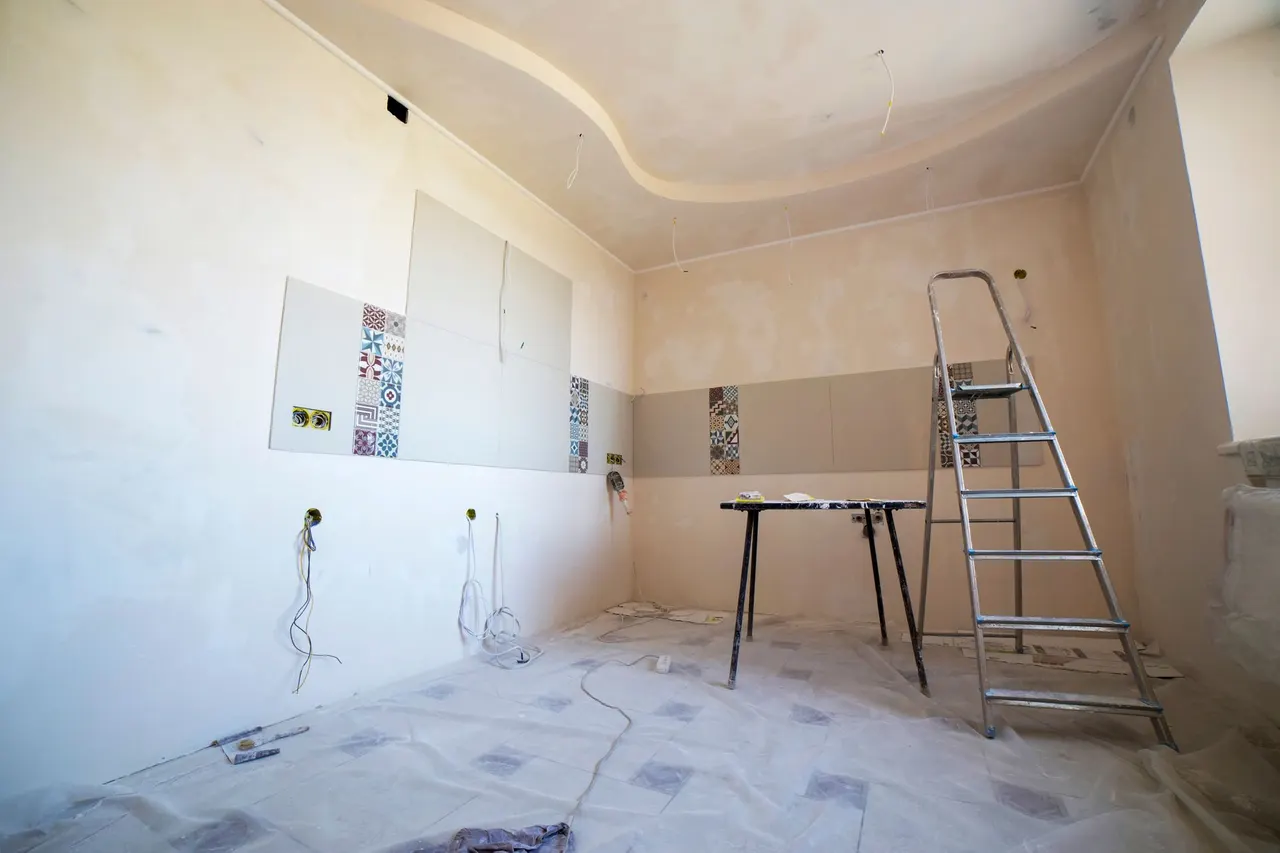
We walk the property with you, then run a moisture meter and thermal imaging camera across walls, floors, and ceilings. A boroscope checks inside wall cavities. You get a clear picture of what is wet, what is not, and what the drying plan looks like before we move a single piece of furniture.
Truck-mounted water extraction units pull standing water from carpet, hardwood, and subfloor. For flooded basements, a sump pump handles the bulk before extraction begins. We remove carpet padding that cannot be saved and set it aside for your adjuster to photograph. This phase usually takes two to six hours.
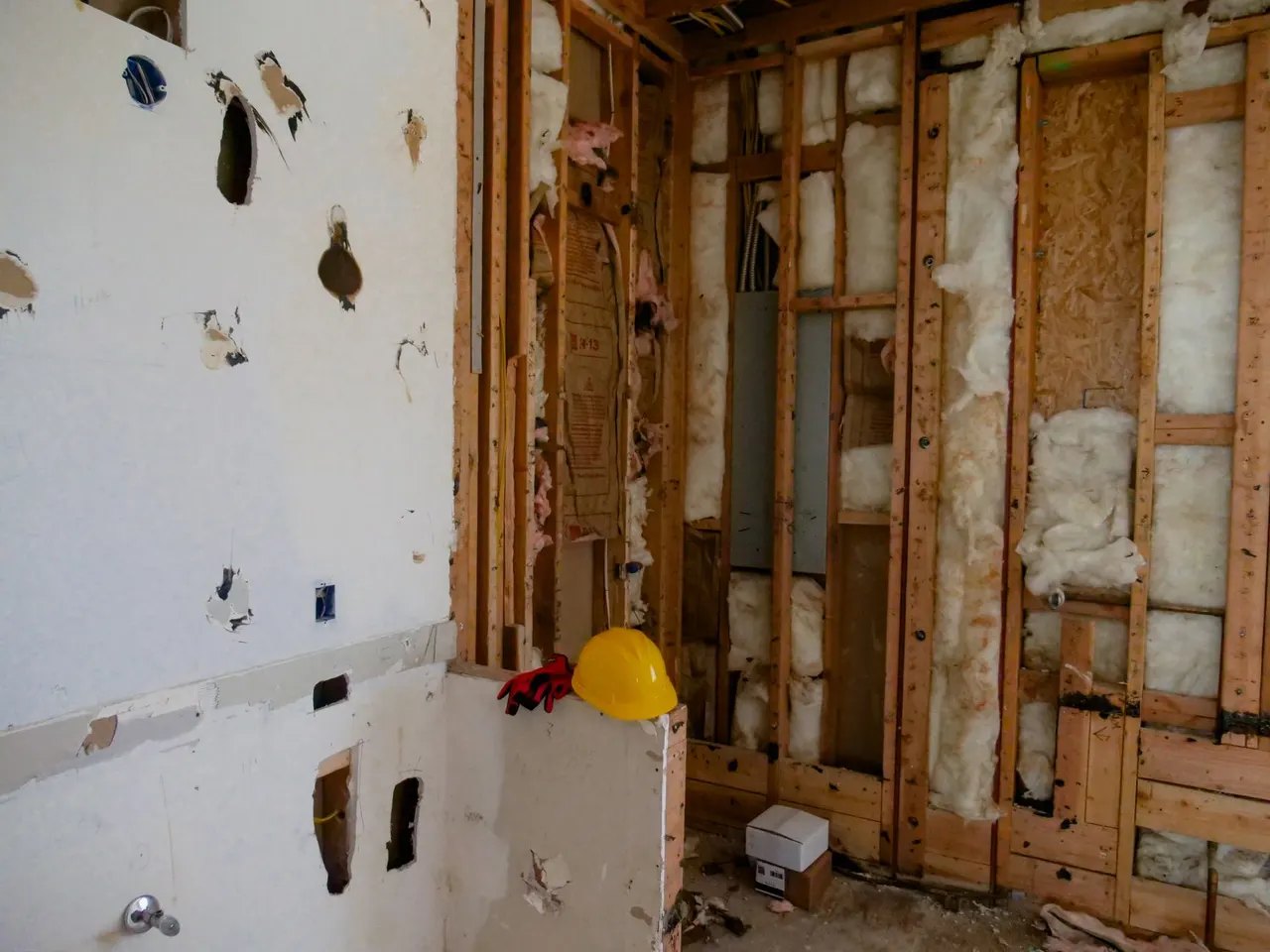
We position air movers and dehumidifiers according to IICRC drying standards, then return daily to take moisture readings. A hygrometer tracks relative humidity in each room. We adjust equipment placement as materials dry. You get a daily log so you can see progress, not just take our word for it.

Once readings hit dry standard, we do a final walkthrough with you. We check for ceiling water stains, warped baseboards, and any lingering odor. If reconstruction is needed, we scope it and hand it off to our repair crew. You get a completion report with before-and-after moisture readings.
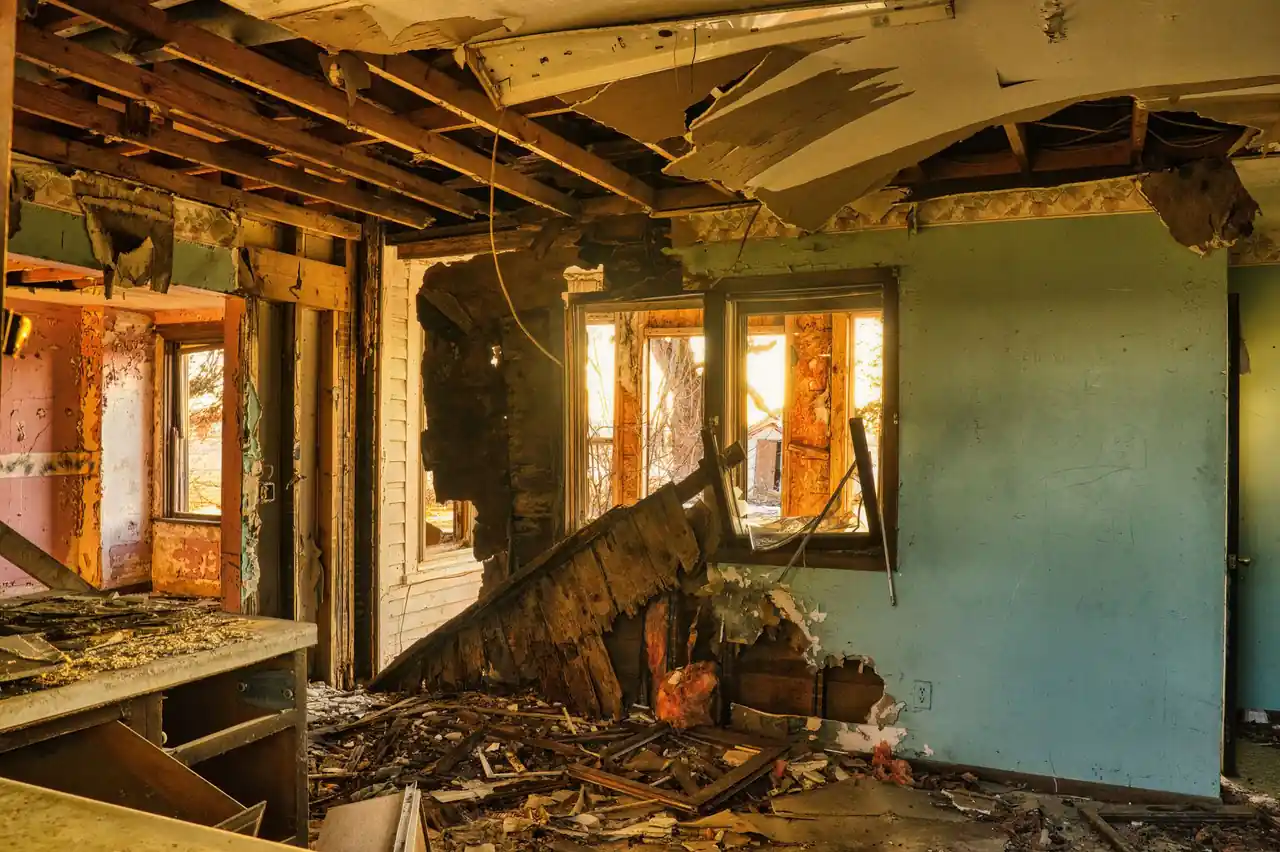
Move across a circle, or focus it and press Enter, for an illustrative thermal view of the photograph.
Detects temperature differences behind walls and under floors to find hidden moisture without tearing out materials.
Measures moisture content in building materials and relative humidity in the air. We use these daily to track drying progress.
Pulls hundreds of gallons of standing water per minute from carpet, hardwood, and subfloor. Faster than portable units on large jobs.
Dri-Eaz and Phoenix Restoration Equipment units positioned according to IICRC standards to evaporate moisture and pull it from the air.
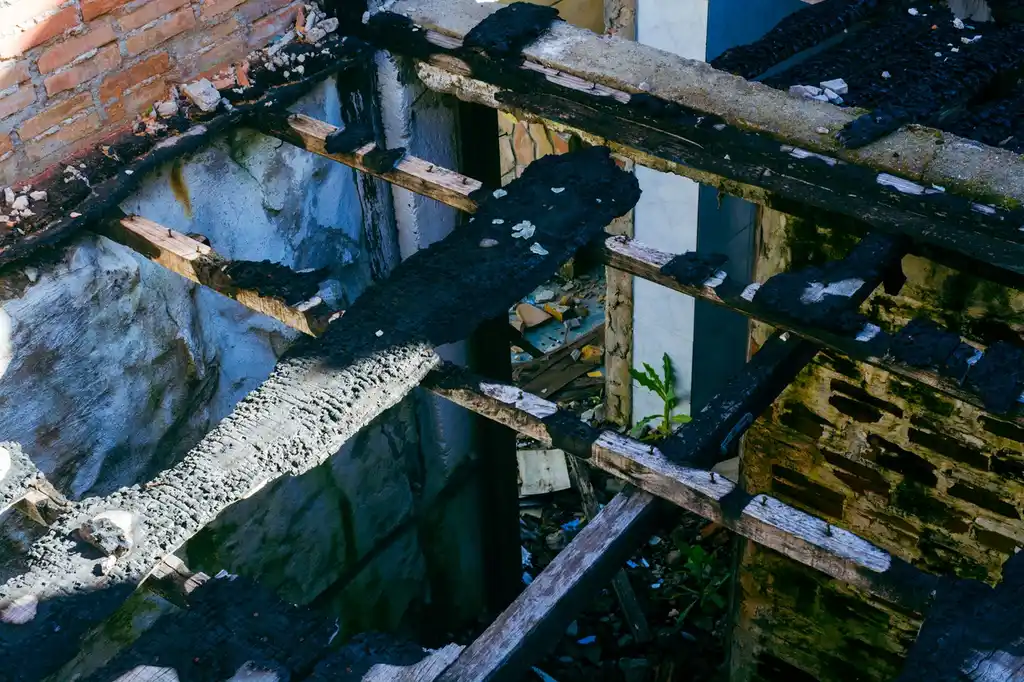
A camera on a flexible rod that lets us see inside wall cavities and under cabinets without cutting open the wall.
Thermal views are illustrative, generated from the photographs.
Pulls moisture out of hardwood flooring slowly to prevent cupping and buckling. Used with controlled humidity.
Removes standing water from flooded basements and crawl spaces before extraction equipment can reach the area.
The industry standard for water damage restoration. It defines water categories, drying goals, and documentation requirements. We follow it on every job so your insurance claim is backed by recognized science.
We map moisture readings across a floor plan to create a visual picture of where water has traveled. It guides equipment placement and confirms when drying is complete.
A science-based approach to drying that balances air movement, temperature, and dehumidification. It dries materials faster and reduces the risk of secondary damage.
The same software most insurance carriers use. Our documentation matches their format, which reduces delays and helps ensure you get a fair settlement.
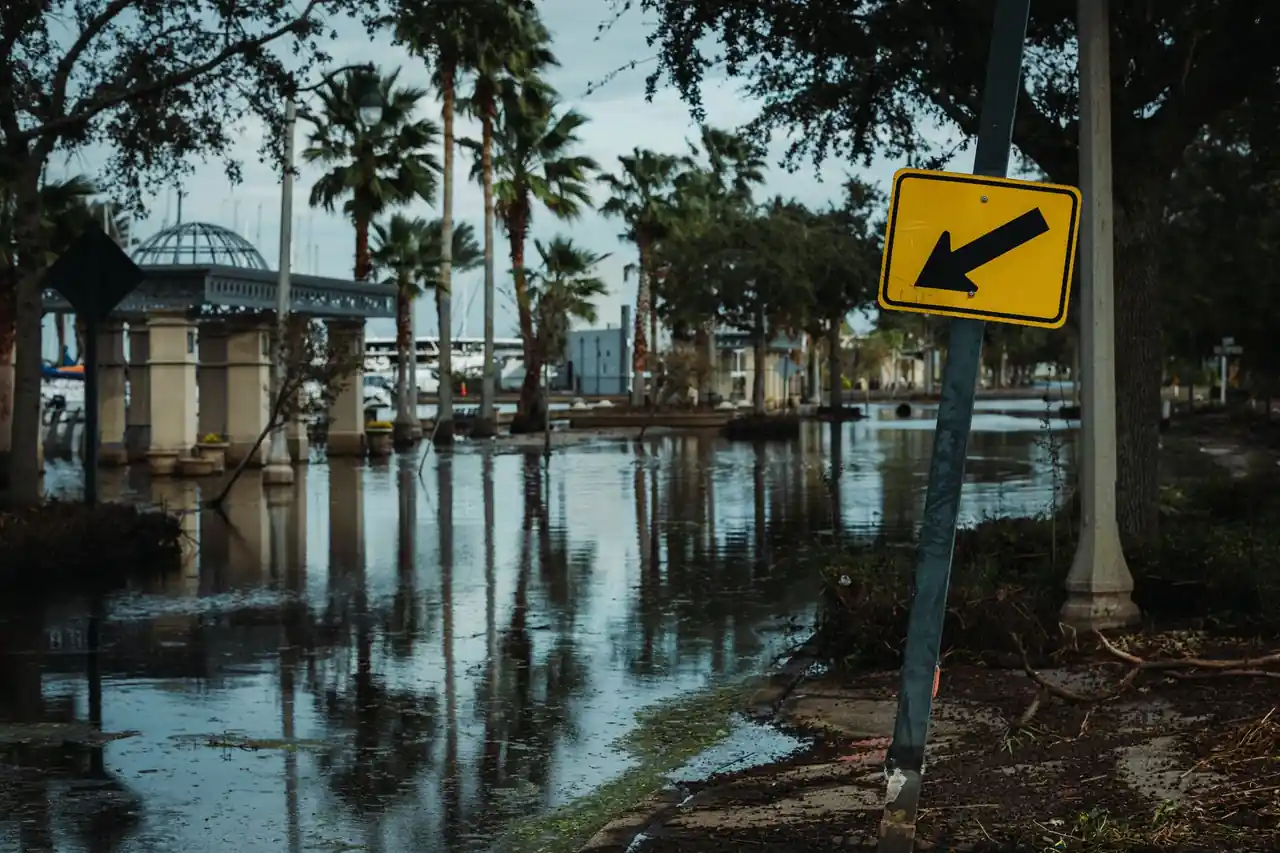
A frozen pipe bursts in a West 7th bungalow during a January freeze.
We respond fast, shut off the water, extract from the crawl space and living area, and set up drying equipment. We check for frozen pipes elsewhere and advise on insulation.
Outcome: Water is out within hours, structure dries in four days, and the homeowner avoids a mold problem.
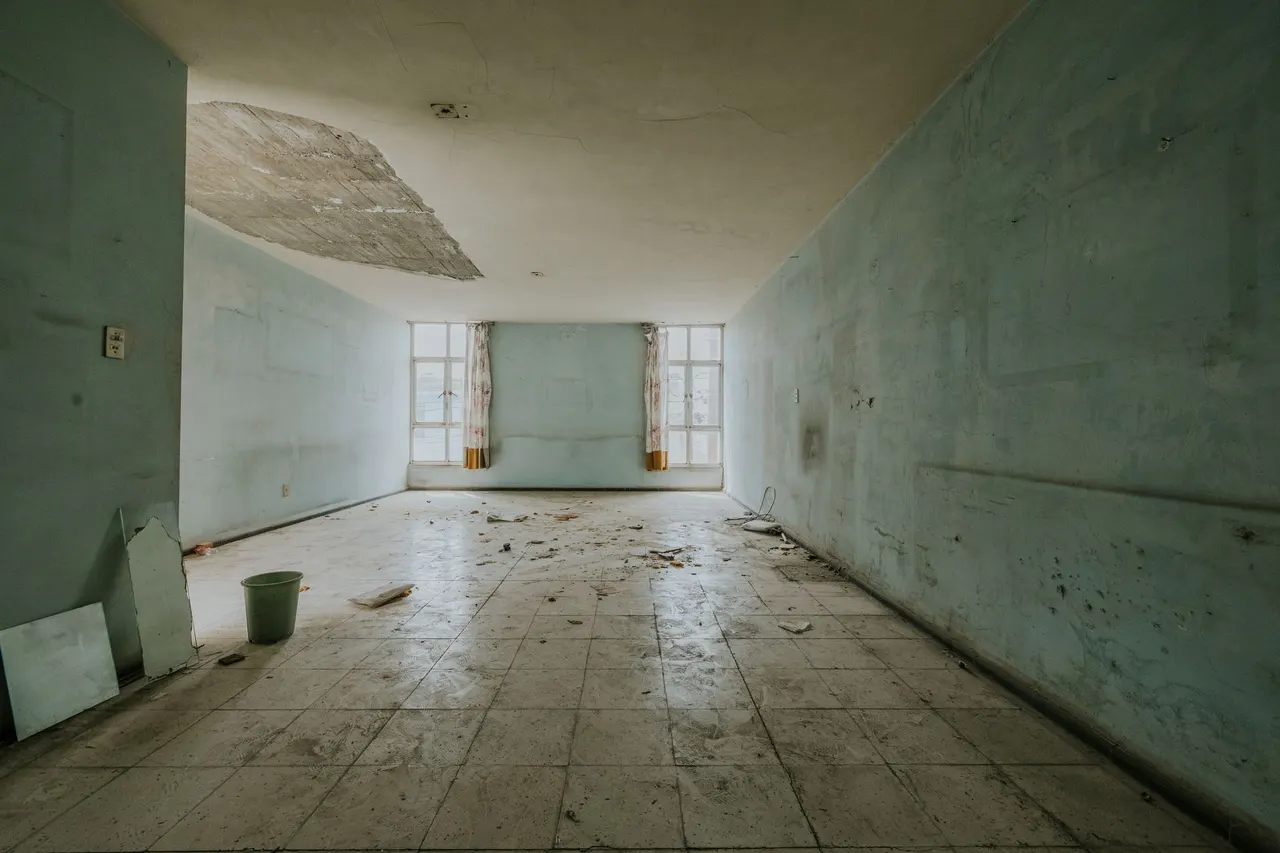
Heavy spring rain floods a Near Southside basement through a failing sump pump.
We pump out standing water, dry the concrete and any stored contents, and check the crawl space for moisture migration. We also advise on sump pump replacement.
Outcome: Basement is dry in three days, contents are saved, and the homeowner has a plan to prevent the next flood.
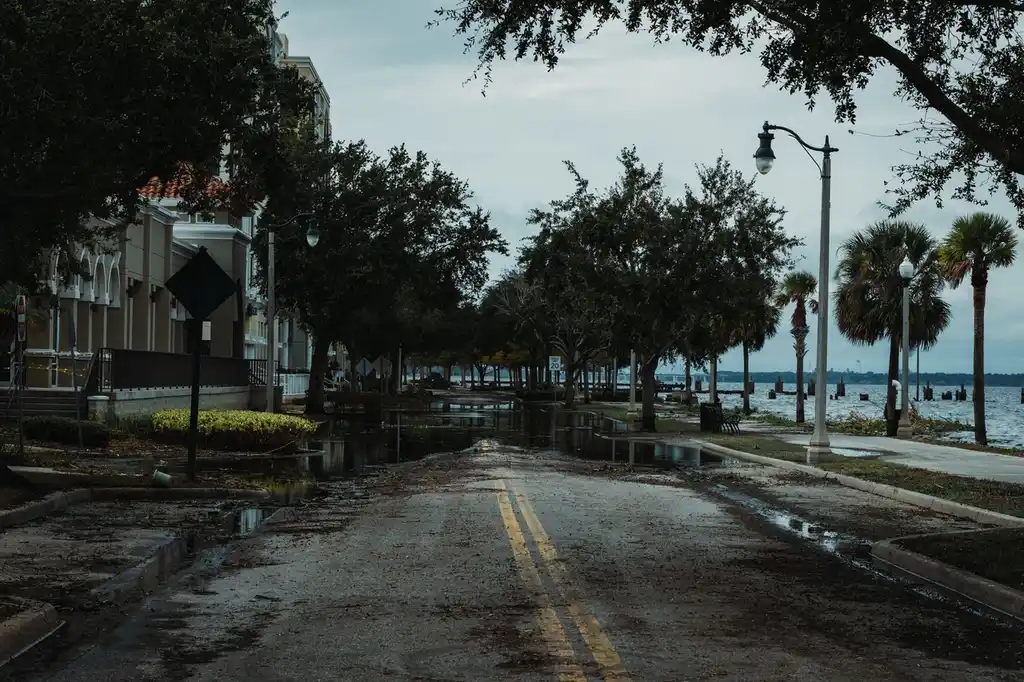
A Downtown Fort Worth restaurant has a supply line fail overnight, flooding the kitchen.
We work after hours to extract water, dry the kitchen and dining area, and document everything for the commercial claim. We coordinate with the health inspector if needed.
Outcome: The restaurant reopens in four days instead of two weeks, with no mold and no failed inspection.
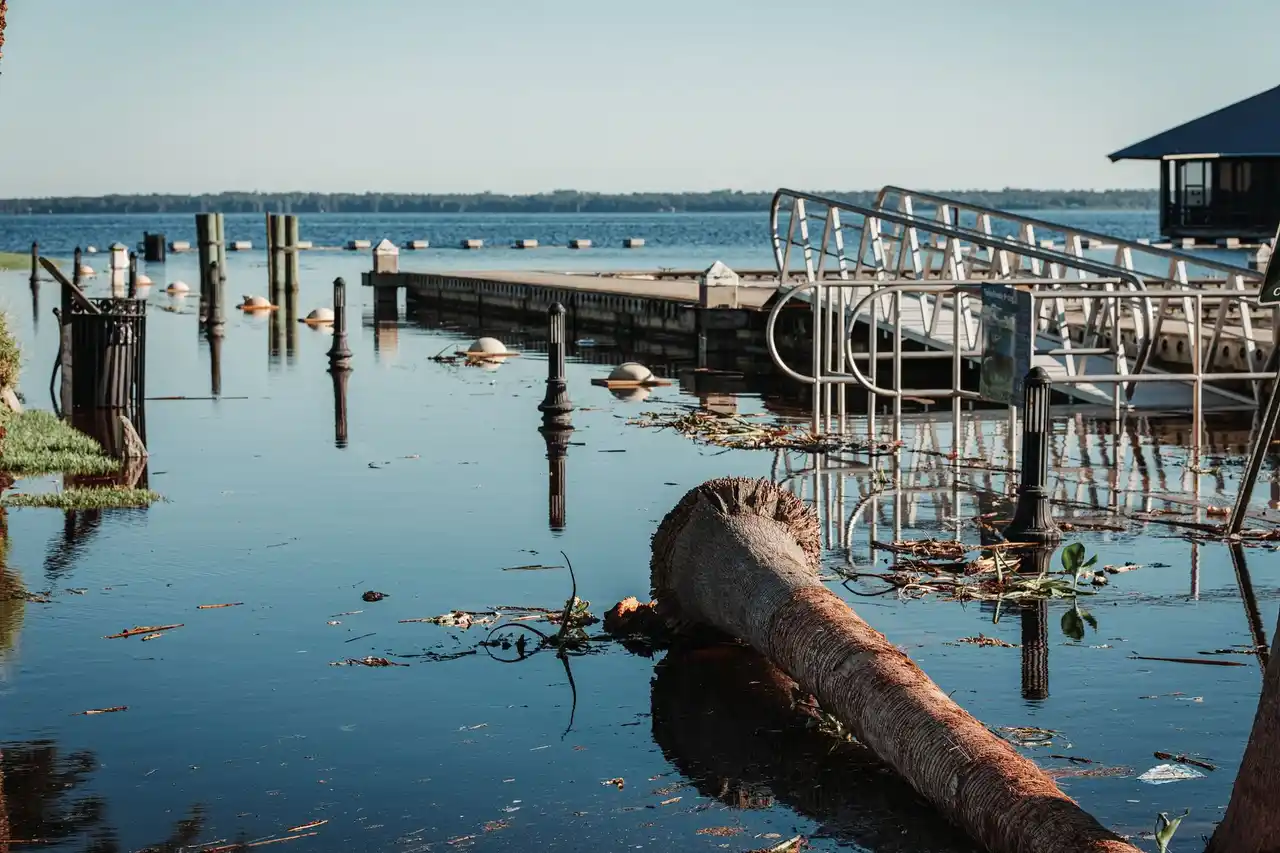
A TCU Area rental property has a washing machine hose burst while tenants are away.
The property manager calls us, we extract and dry, and we handle the claim documentation directly with the landlord's insurance carrier.
Outcome: Tenants return to a dry, clean unit. The landlord avoids lost rent and a mold remediation bill.
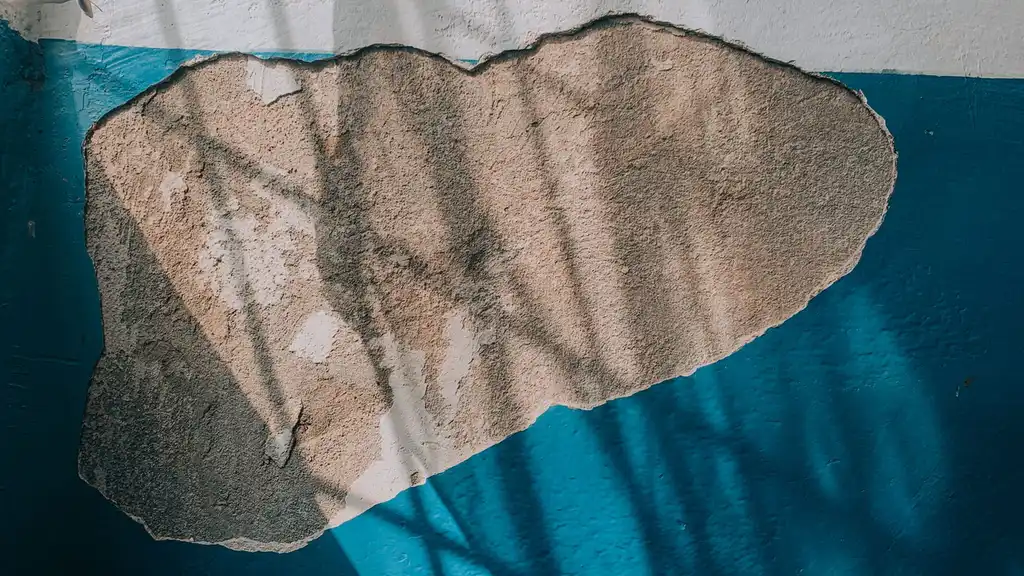
A Cultural District homeowner finds ceiling water stains after a hail storm.
We inspect the attic, find the roof leak, tarp the roof, remove wet insulation, and dry the ceiling cavity before repairing drywall and paint.
Outcome: The ceiling is repaired and painted, the roof is fixed, and the claim covers both the water damage and the roof repair.
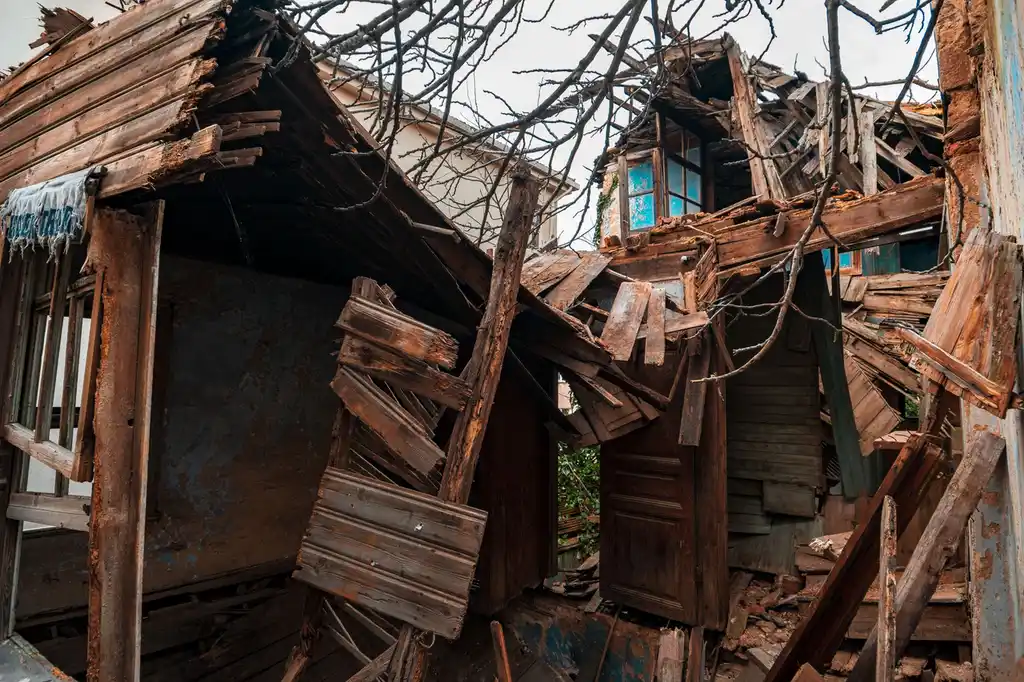
Fort Worth flooding follows patterns you only learn by working here. The clay soil in Tarrant County expands and contracts with every wet-dry cycle, which cracks slabs and stresses the pipes running through them. Homes in Fairmount and Near Southside are older, often with cast iron drains that corrode and pier-and-beam foundations that let water pool underneath.
Newer builds in the Cultural District and West 7th have different issues, like PEX supply lines that fail at fittings and slab-on-grade foundations that hide leaks until the floor buckles. Spring storms dump heavy rain fast, and winter freezes burst pipes in attics and exterior walls.
When you call for emergency flood damage cleanup Fort Worth TX, we already know what to look for based on your neighborhood and the age of your home.
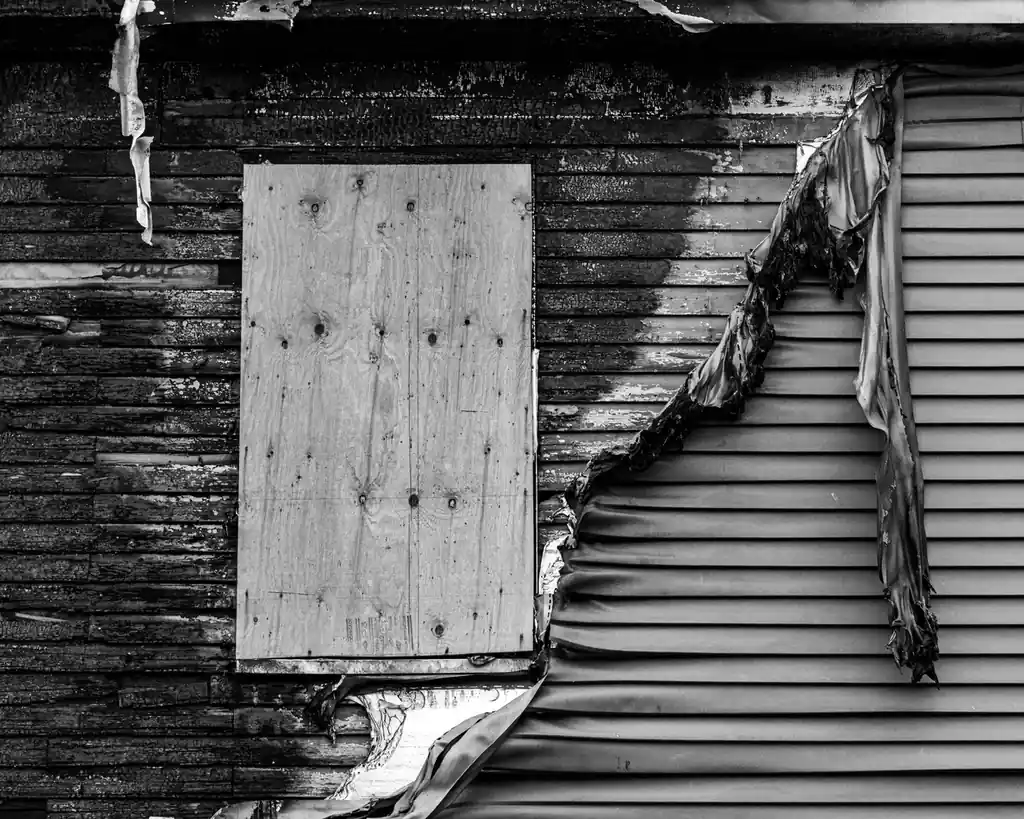
Before: A supply line under the kitchen sink failed overnight, flooding the kitchen, hallway, and two bedrooms. Carpet was soaked, hardwood was cupping, and drywall was wet 18 inches up the wall.
After: We extracted 120 gallons of water, removed carpet padding, dried the hardwood with floor drying mats, and cut out and replaced the wet drywall. Moisture readings hit dry standard in four days. The homeowner kept the original hardwood.
We advised the homeowner to replace the flexible supply line with a braided stainless steel line and to check under the sink monthly for drips.
Before: A city sewer line backup sent category 3 water into a finished basement, soaking carpet, drywall, and stored furniture. The homeowner called us after discovering the smell two days later.
After: We removed and disposed of contaminated carpet and drywall, treated the space with EPA-registered disinfectant, and dried the concrete and framing. Air quality testing confirmed the space was clean. Total job took six days.
We recommended a backwater valve on the sewer line and annual drain cleaning to prevent another backup.
Before: A storm pushed water through a roof seam, flooding the kitchen and dining area overnight. Ceiling tiles were saturated, and water had spread across 1,200 square feet of tile flooring.
After: We tarped the roof, extracted standing water, removed wet ceiling tiles and insulation, and dried the structure in three days. The restaurant reopened four days after the storm with no mold issues.
We advised the owner to schedule annual roof inspections before storm season and to keep a tarp kit on site for emergencies.
Flooding shows up in different ways depending on the season and the building. Here are the most common problems we get called for in Fort Worth.
A dry, clean, documented structure after a flood.
Standing water causes more damage every hour it sits. Our water extraction unit pulls hundreds of gallons per minute, and we typically have the bulk of the water out within the first two to four hours on site. That speed is the difference between saving your hardwood flooring and replacing it.
Extraction is only step one. We place air movers and dehumidifiers in calculated positions based on room size and saturation levels. A hygrometer tells us exactly when materials hit dry standard. Most residential jobs reach dry standard in three to five days, depending on the water category and how long it sat.
We document every affected material with photos, moisture readings, and a room-by-room inventory. That file goes straight to your adjuster in Xactimate format, the same estimating software most carriers use. It reduces back-and-forth and helps you get a fair settlement without fighting for every line item.
Mold can start colonizing wet drywall and carpet padding within 24 to 48 hours. We apply antimicrobial solution to every affected surface after extraction and drying. If we find existing mold growth during the assessment, we flag it immediately and bring in our remediation team so it gets handled before it spreads.
Clear records you can keep and share.
Daily moisture readings by room
Before-and-after images of damage
Room-by-room material inventory
Final dry-standard confirmation
Not all flood water is the same. The category determines how we handle cleanup and what can be saved.
Clean water from a supply line
Gray water with some contamination
Black water with pathogens
A list like this tells people straight away whether you cover their street. Not listed? Call and ask: it only takes a minute.
Based in Fort Worth and covering the places around it. Pick one for local details.
Clean water from a supply line costs less than sewage backup cleanup, which requires full decontamination. We provide a written scope before work begins so you know what you are paying for.
Fort Worth Restorations handles flood restoration in Fort Worth TX for both homes and businesses. Call +1 (817) 270-9150 and we will dispatch a crew to assess the damage, usually within the hour for emergency calls.
Most homeowners policies cover sudden and accidental water damage, like a burst pipe or appliance leak. Storm flooding and rising groundwater typically require a separate flood policy through the NFIP or a private carrier. We document everything for your claim and can explain what your policy likely covers before you file. Texas Department of Insurance rules apply to how claims are handled in this state.
Extraction usually takes two to six hours. Structural drying runs three to five days for most residential jobs, with daily monitoring. If reconstruction is needed, that adds another one to three weeks depending on scope. We give you a realistic timeline after the initial assessment, not a guess over the phone.
Other services from the same team.
Every hour you wait, water spreads further into your walls and floors. Call Fort Worth Restorations and we will dispatch a crew to assess, extract, and start drying. We document everything for your insurance claim and keep you informed at every step.
Call +1 817-270-9150 any time, day or night. We answer, ask a few questions about the source and the rooms affected, and dispatch a crew. If you prefer email, send photos and your address to [email protected] and we will follow up with next steps.