For Homes
We handle storm leaks in houses, condos, and rentals across Fort Worth. You get a walkthrough, a written scope, and daily drying checks.
- Ceiling stains after hail
- Wet carpet and padding
- Crawl space holding water
Storm Damage Restoration Fort Worth TX starts the moment we pull up: we tarp the roof, stop the water, and start drying before mold gets a foothold. Hail, wind, and flash flooding hit Tarrant County hard, and we handle the whole job from emergency board-up to drywall, paint, and final walkthrough. One crew, one number, no runaround.
 Tarp and board-upMoisture mappingDaily drying logs
Every storm job starts with the same core scope: secure the property, stop the water, dry the structure, and document everything for your claim. From there, the rebuild scope depends on how much damage the storm left behind. Here is what is covered in a standard storm damage restoration job.
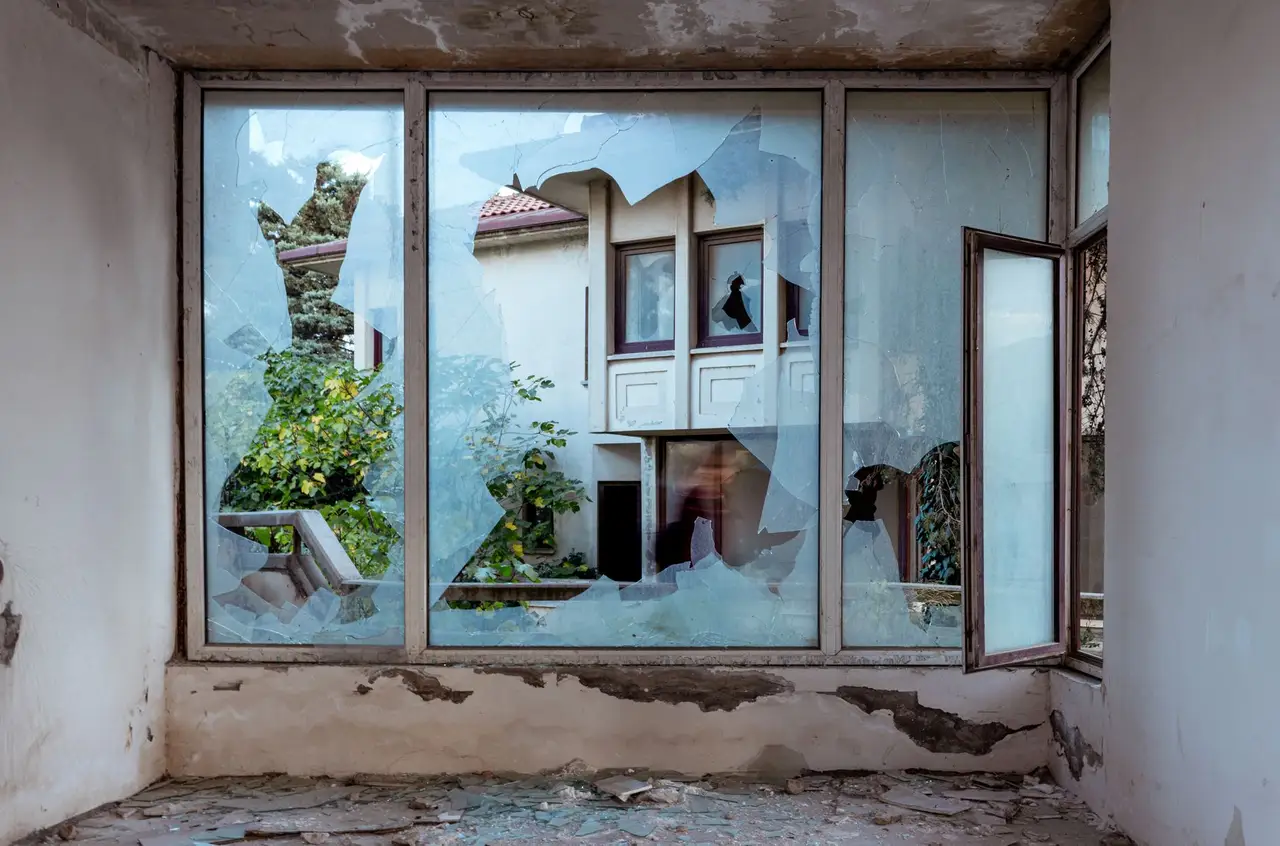
We cover roof breaches with tarps and board up broken windows the same day. That stops water from getting in and keeps your home secure until permanent repairs are scheduled. Materials are included in the scope.
Standing water comes out with a water extraction unit and sump pump. We pull water from carpet, hardwood, crawl spaces, and basements, then check with a moisture meter to confirm nothing was missed.
We set air movers, dehumidifiers, and floor drying mats sized to the job, then check readings daily. Drying runs until the framing hits dry standard, usually three to five days for a single room.
After extraction, we apply antimicrobial solution to affected framing, subfloor, and wall cavities. That is the step that stops mold from taking hold while the structure is still drying out.
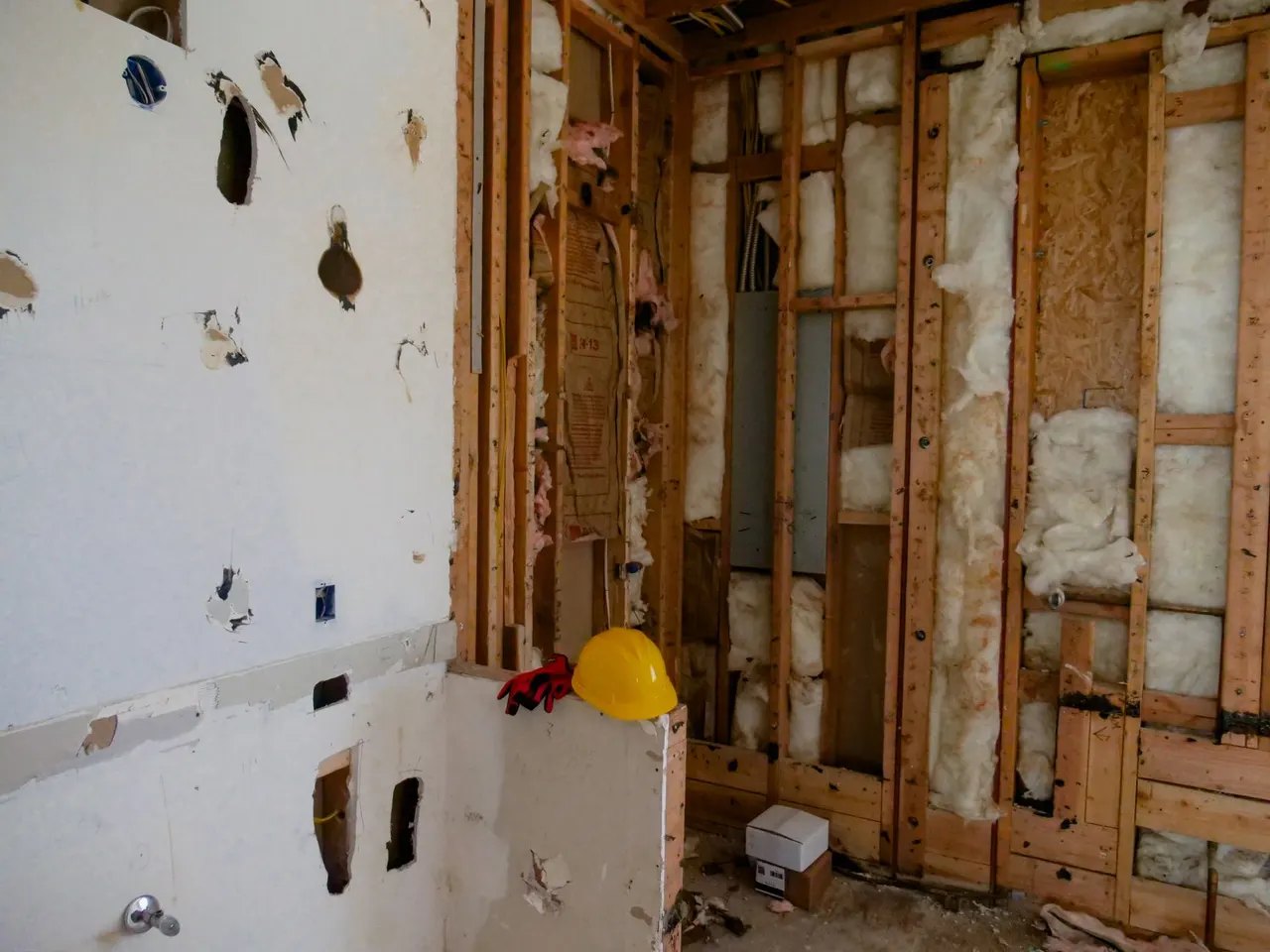
Storm debris, saturated insulation, ruined carpet padding, and damaged drywall all get hauled out. We leave the job site clean so your rebuild crew is not working around a pile of wet trash.
You get photos of every wet area, daily moisture logs, and a scope written in Xactimate. That package goes straight to your Texas carrier and keeps your claim moving instead of sitting in a queue.
The approach is the same for a home and a business. What changes is the access, the schedule and who needs the paperwork.
We handle storm leaks in houses, condos, and rentals across Fort Worth. You get a walkthrough, a written scope, and daily drying checks.
We work with property managers and business owners on storm losses. We section off the damage and dry in phases so you can keep operating.
A plain-language look at what Storm Damage Restoration involves and when it is needed.
See how it worksStorm Damage Restoration Fort Worth TX is the process of securing a storm-damaged home, removing water and debris, drying the structure, and rebuilding whatever the wind, hail, or rain destroyed. It is not just a roof patch. A single hailstorm can drive water through shingles, soak insulation, stain ceilings, and leave standing water in a crawl space within hours. We use moisture meters, thermal imaging cameras, and hygrometers to map exactly where the water went, then dry it with air movers and dehumidifiers before we ever pick up a hammer.
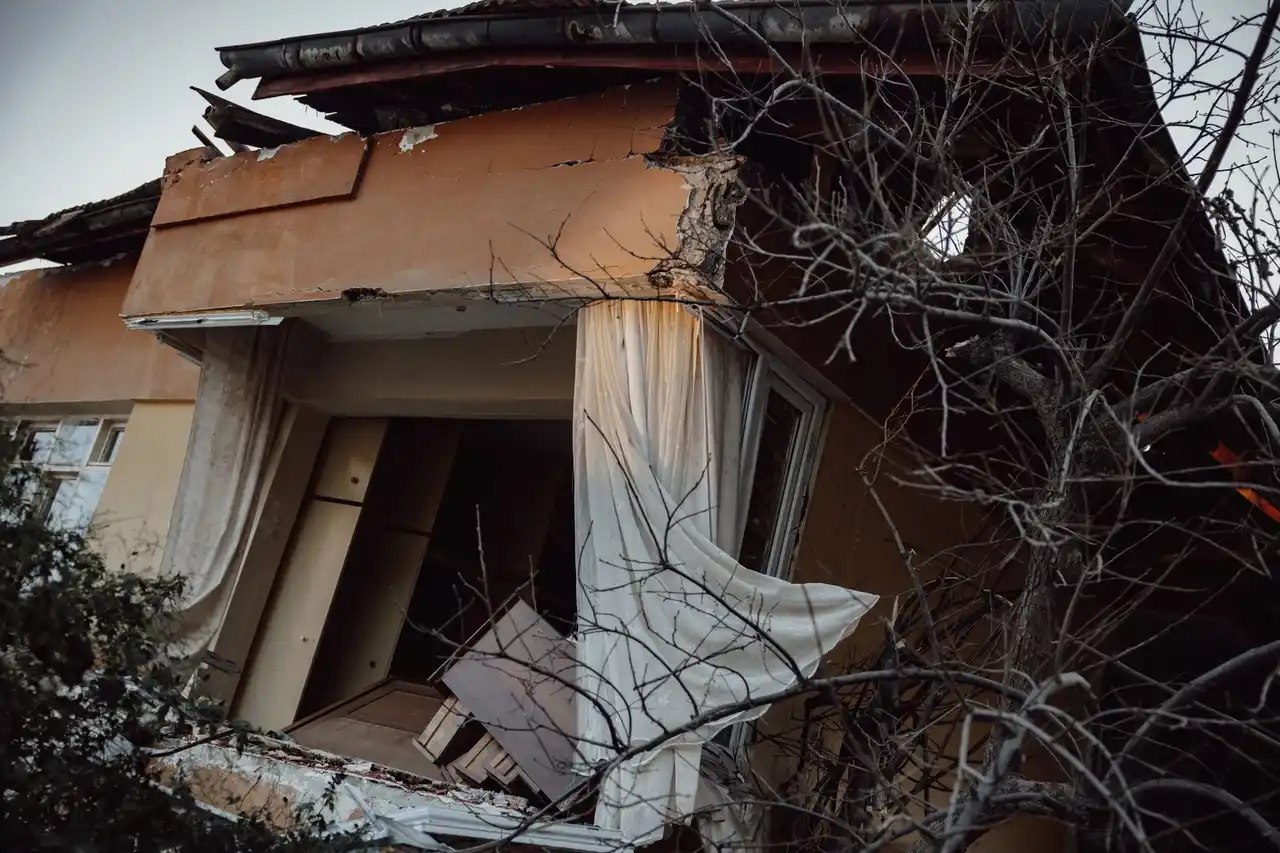
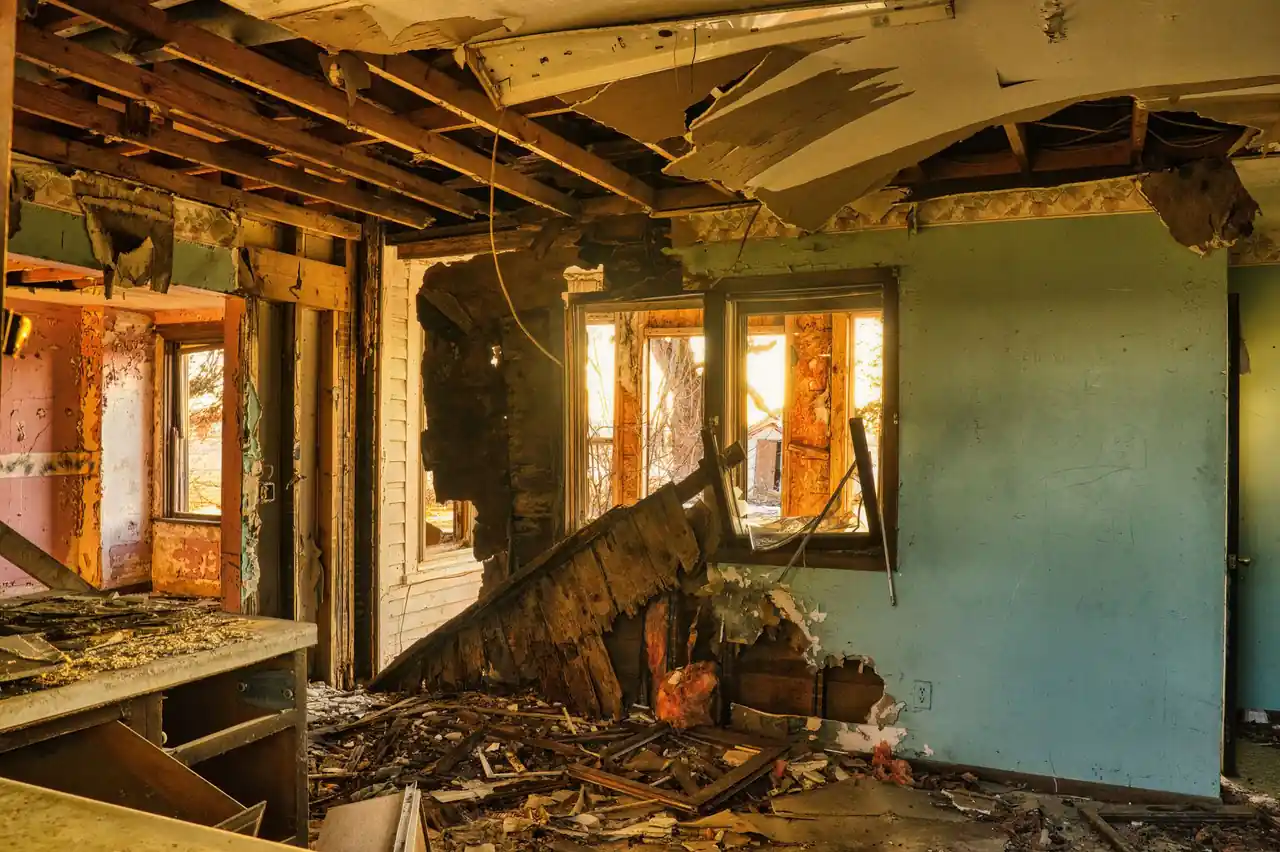
Fort Worth sits in one of the most active hail corridors in the country, and spring storms here routinely drop golf-ball hail and 60 mph wind gusts in the same afternoon. When a storm rolls through, the damage is rarely limited to one spot. Water finds the path of least resistance, so a roof breach in Arlington Heights often shows up as a wet ceiling in a hallway three rooms away. That is why we treat every storm call as a full-building inspection, not a patch job.
Storm damage gets worse by the hour, so the first job is stopping the water.
Every storm job follows the same five steps, whether it is a single wet bedroom or a whole-house flood. Here is what you can expect from the first phone call to the final walkthrough.
You call, we ask the right questions: what hit, where is the water, is the power safe, is anyone hurt. We dispatch a crew with tarps, a water extraction unit, and drying equipment already loaded. Most Fort Worth addresses get eyes on the damage the same day, and you get a straight answer on what needs to happen first.
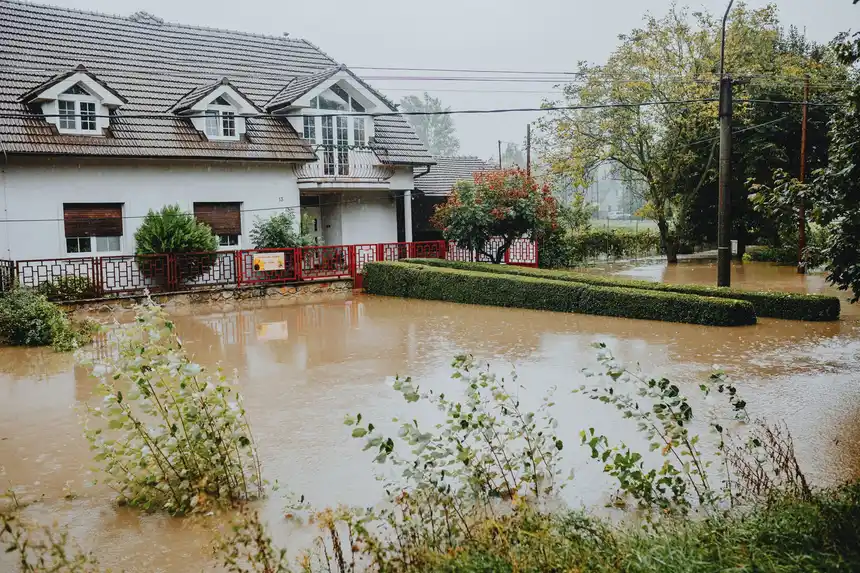
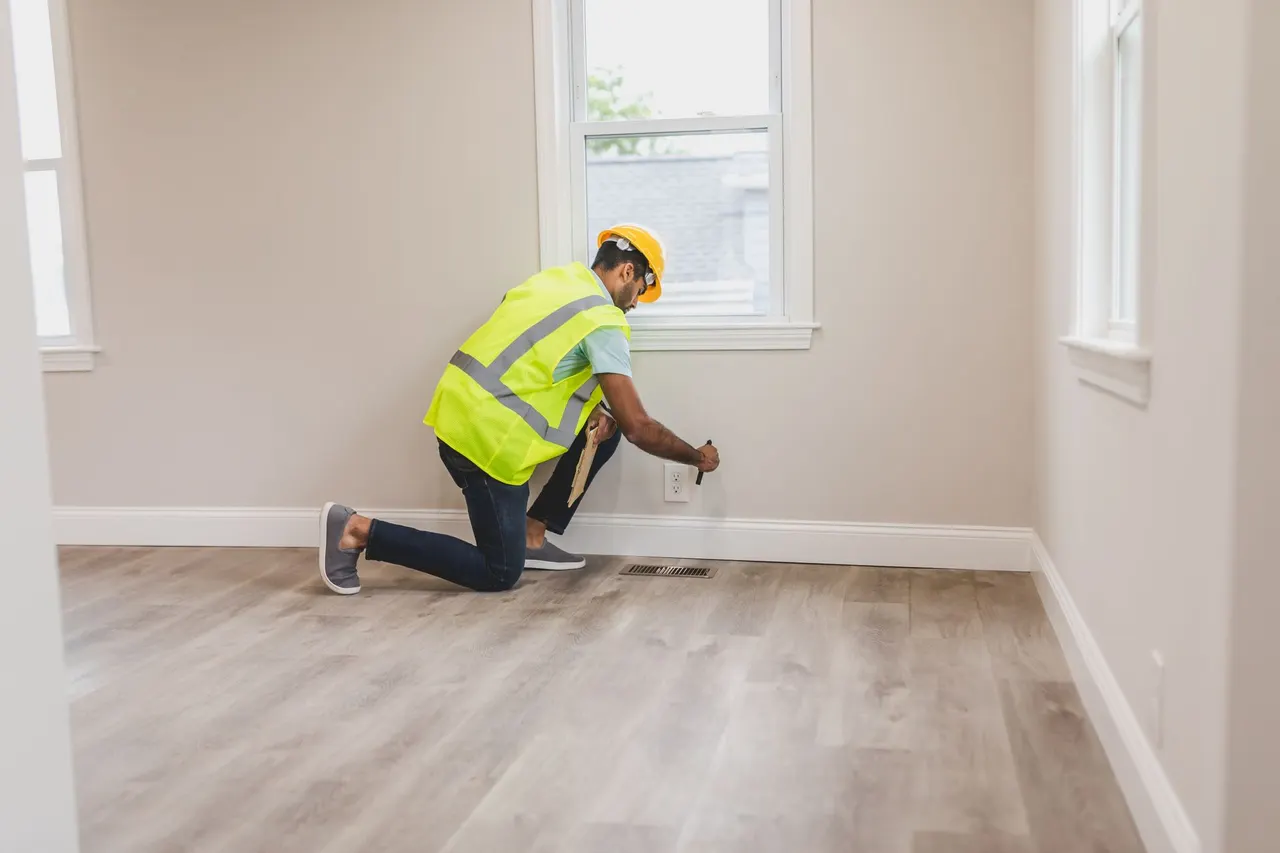
We tarp the roof, board broken windows, and stop any active water. Then we walk the whole house with a moisture meter, thermal imaging camera, and hygrometer to map every wet zone. You get a written scope and photo report before we start drying, so nothing is a surprise.
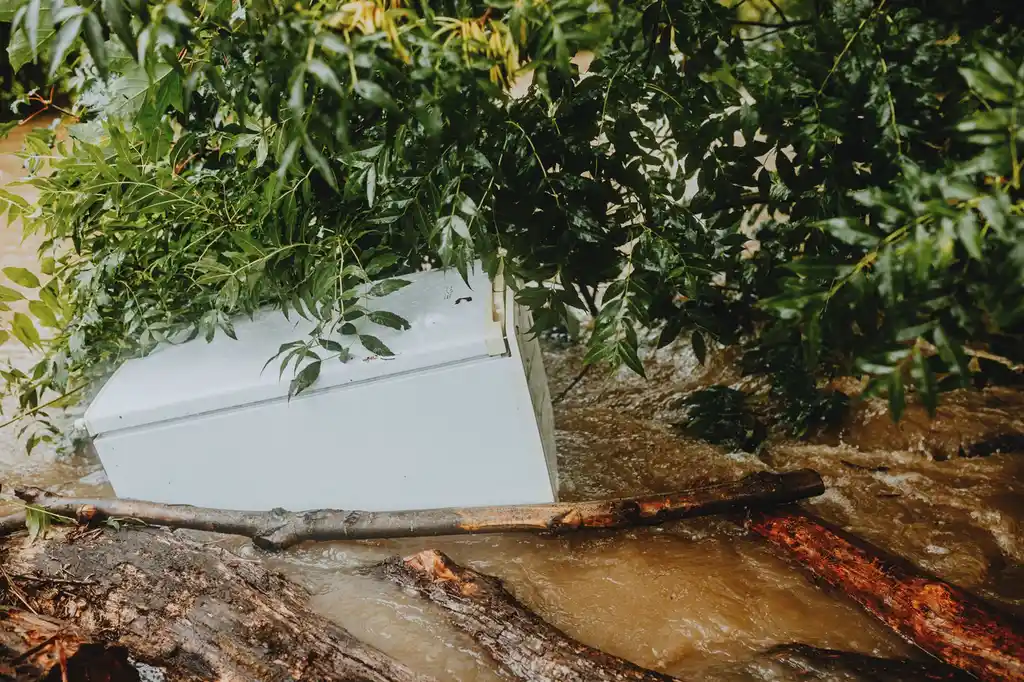
Standing water comes out with a water extraction unit and sump pump. We set air movers, dehumidifiers, and floor drying mats, then check readings daily. A typical Fort Worth bedroom dries in three to five days. A flooded crawl space can take seven to ten, depending on how long the water sat.
Once the framing is dry, we cut out damaged drywall, insulation, and carpet padding, then rebuild. That means new drywall, joint compound, paint, baseboards, and sealant. If a slab leak or burst pipe caused the damage, we coordinate the plumbing repair before the finish work goes back on.
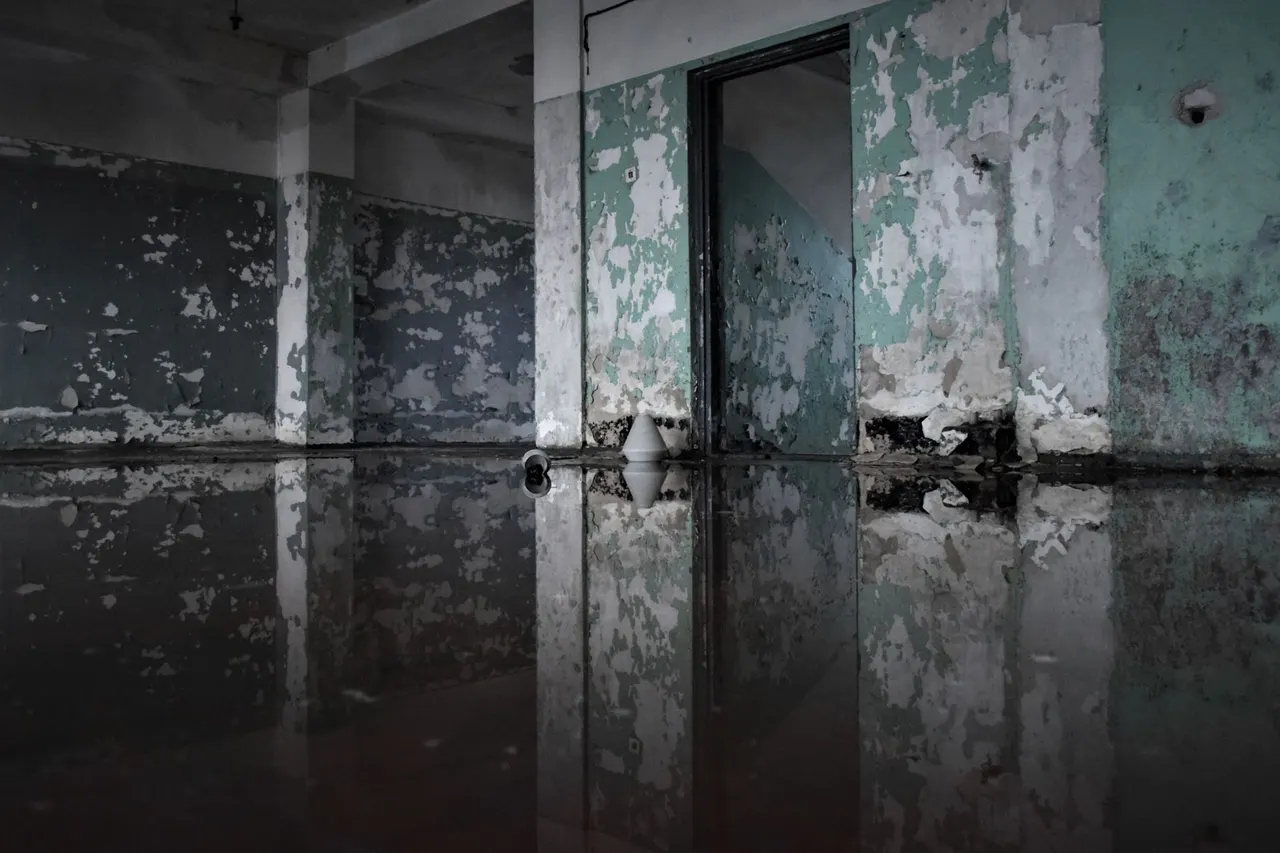
We do a last moisture check, confirm every reading is back to dry standard, and walk the job with you room by room. You get a final photo log and documentation package for your insurance file. If anything looks off in the first 30 days, you call us and we come back.
Move across a circle, or focus it and press Enter, for an illustrative thermal view of the photograph.
Finds hidden moisture behind walls, under floors, and in ceiling cavities without cutting into the structure. It shows us where the water actually went, not just where the stain is.
Measures moisture content in drywall, framing, and subfloor. We log readings daily so we know exactly when the structure hits dry standard and the equipment can come out.

Pulls standing water out of carpet, hardwood, crawl spaces, and basements fast. Getting the bulk water out first is what makes the drying process actually work.
Dri-Eaz and Phoenix Restoration Equipment air movers and dehumidifiers circulate air and pull moisture out of the structure. We size the equipment to the room, not a one-size package.
Dries hardwood and engineered flooring from underneath without tearing it out. Mats push air under the boards so the subfloor and flooring dry at the same rate.
Thermal views are illustrative, generated from the photographs.
Lets us look inside wall cavities and behind baseboards without tearing them open. We use it to confirm whether a leak spread further than the visible damage suggests.
Our rebuild crews run DeWalt and Milwaukee saws, drivers, and demo tools. That is what cuts out wet drywall, pulls baseboards, and rebuilds the room after drying is done.
We follow the IICRC S500 standard for water-damaged structures. That means drying goals are set by material type, readings are logged daily, and equipment stays in place until the framing hits dry standard, not until it looks dry.
Our estimates are written in Xactimate, the same software most Texas insurance carriers use. That keeps line items consistent with what your adjuster expects and cuts down on back-and-forth that delays your claim.
We map every wet zone with a thermal imaging camera and moisture meter before drying starts. That map drives where the equipment goes and gives your adjuster a clear picture of the damage.
After extraction, we apply antimicrobial solution to affected framing, subfloor, and wall cavities. It is a preventive step that stops mold from growing while the structure is still drying out.
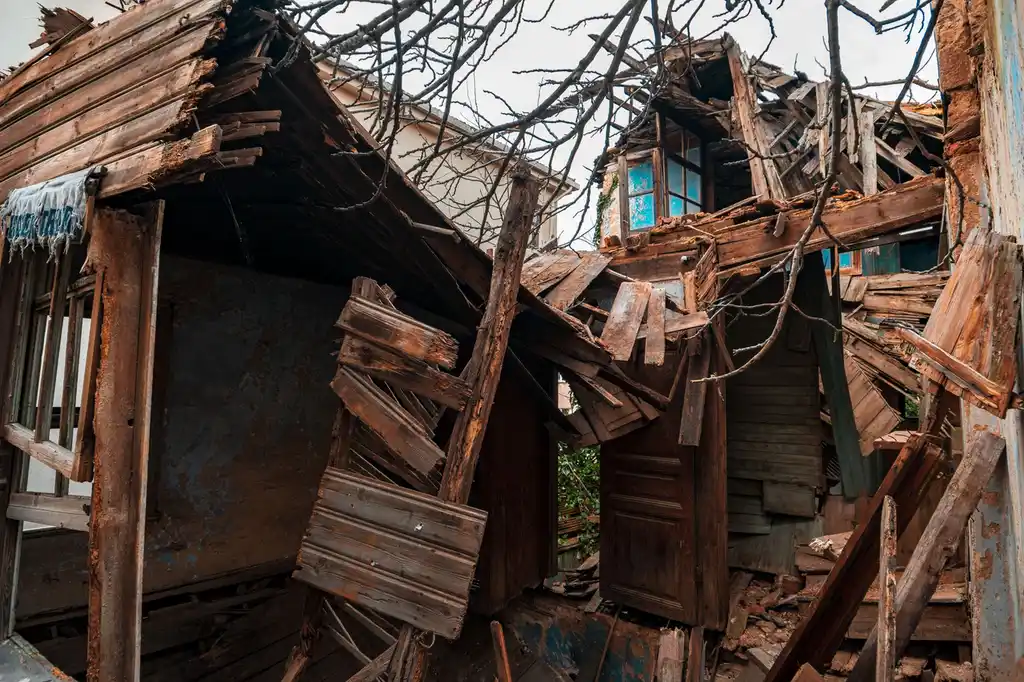
A hailstorm cracked shingles and water is dripping through a ceiling in your West 7th home.
We tarp the roof the same day, extract any water that made it in, and dry the attic and ceiling cavity. Once the structure is dry, we repair the drywall and paint the ceiling.
Outcome: The leak is stopped, the ceiling is repaired, and your insurance claim has photos and moisture logs to back it up.
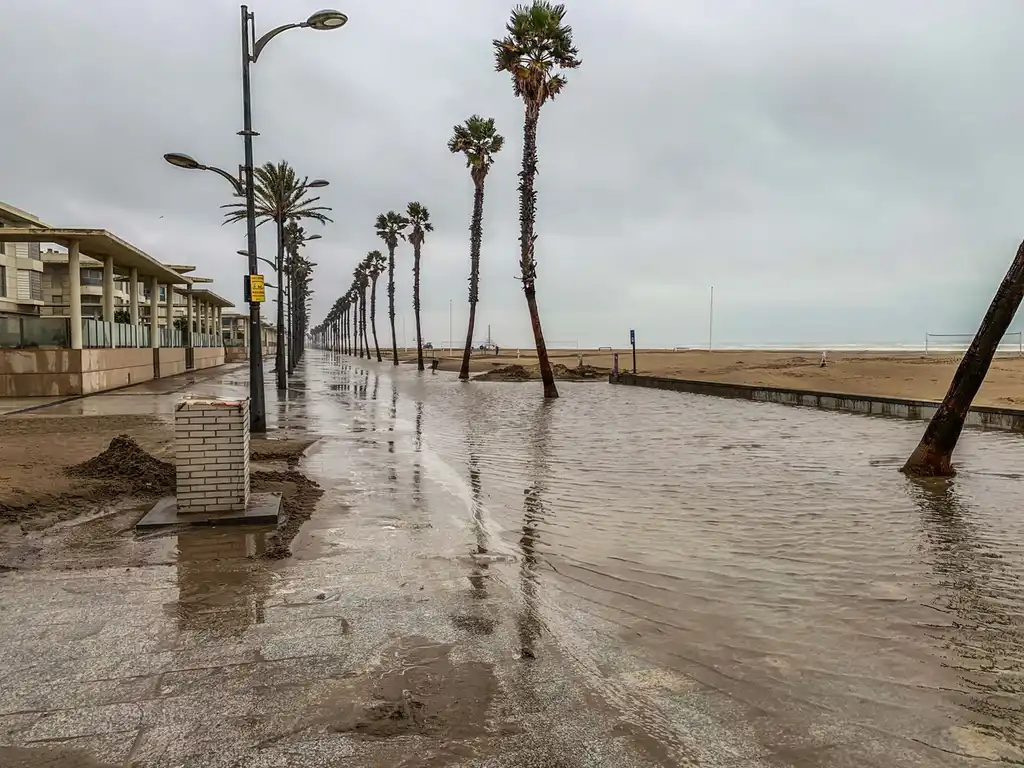
A storm pushed water into your crawl space and the floors are starting to cup.
We pump out the standing water, dry the joists and subfloor with air movers and dehumidifiers, and check moisture daily with a hygrometer until readings are normal.
Outcome: The crawl space is dry, the floor stops cupping, and mold never gets a chance to take hold.

Wind tore off part of your roof and rain soaked the insulation and drywall in two rooms.
We board up and tarp immediately, extract water, remove saturated insulation, and dry the framing. Then we replace the drywall, insulation, and paint as part of the rebuild.
Outcome: Two rooms go from soaked and sagging to painted and finished, usually within two weeks.
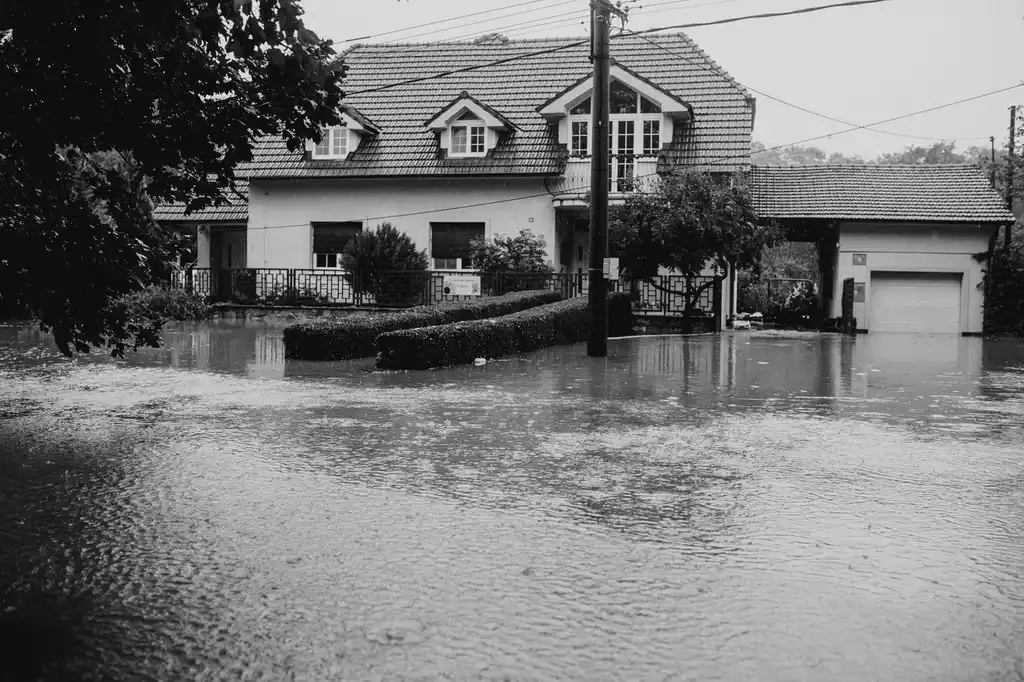
A storm knocked out power, your pipes froze, and a burst pipe flooded the kitchen.
We shut off the water, extract it, and dry the cabinets, flooring, and wall cavities. We coordinate the pipe repair, then rebuild the drywall, baseboards, and paint.
Outcome: The kitchen is dry, the pipe is fixed, and the room looks like the flood never happened.
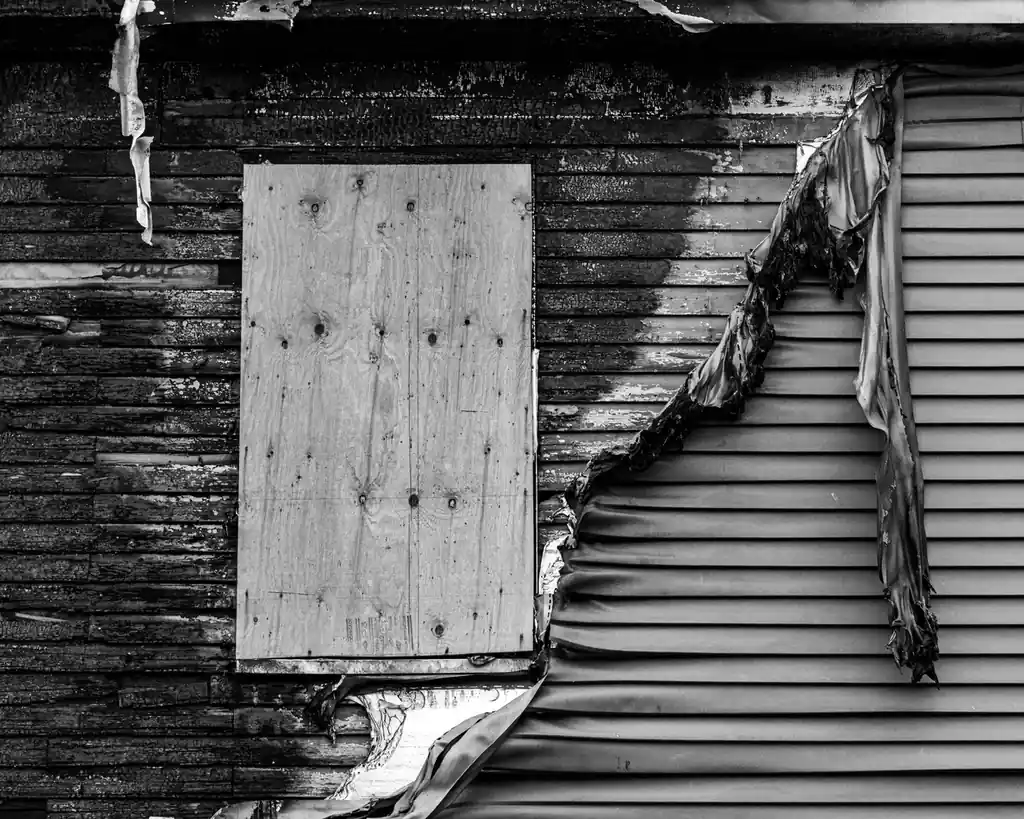
You came back from a trip to find storm water had been sitting in your Near Southside home for days.
We assess with a moisture meter and thermal imaging camera, extract the water, remove moldy materials, and dry the structure to standard before rebuilding.
Outcome: The mold is gone, the structure is dry, and your home is safe to live in again.
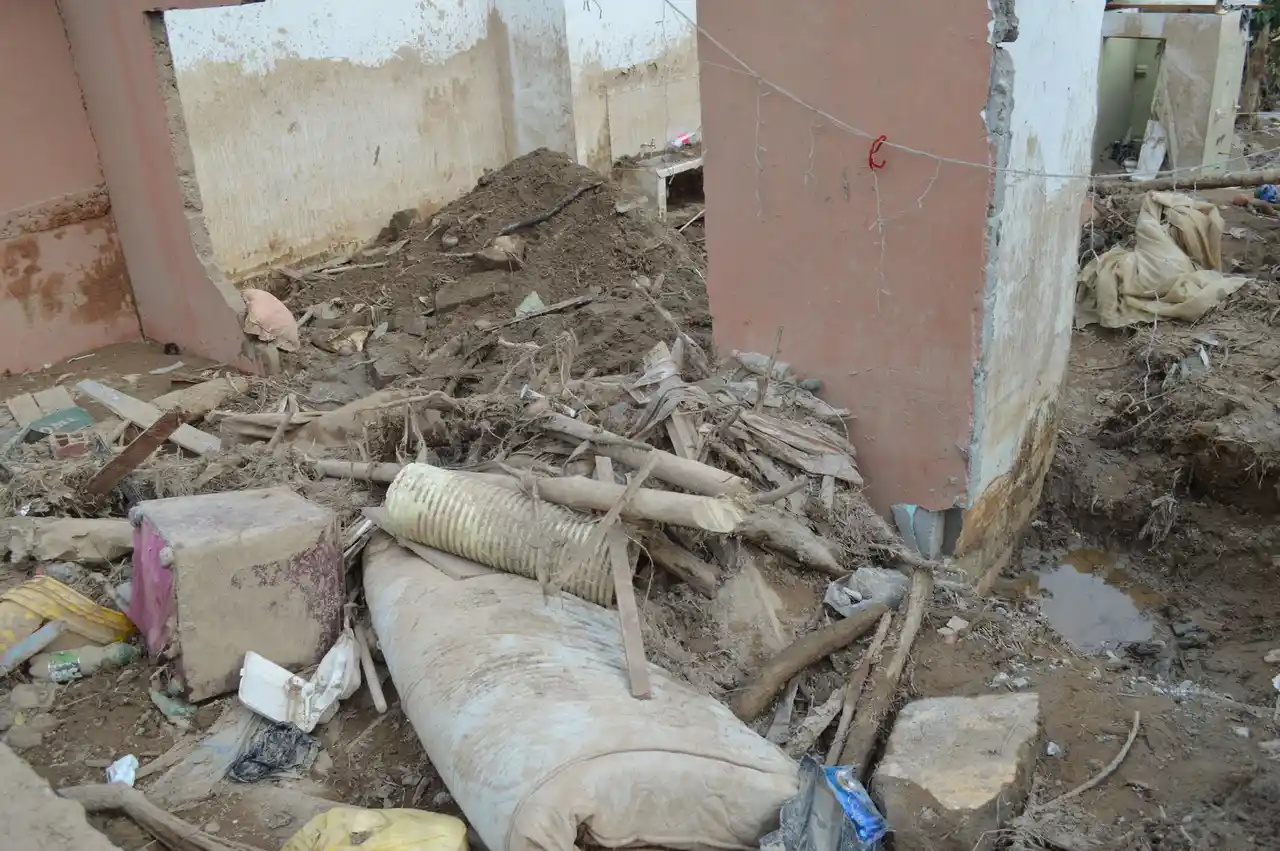
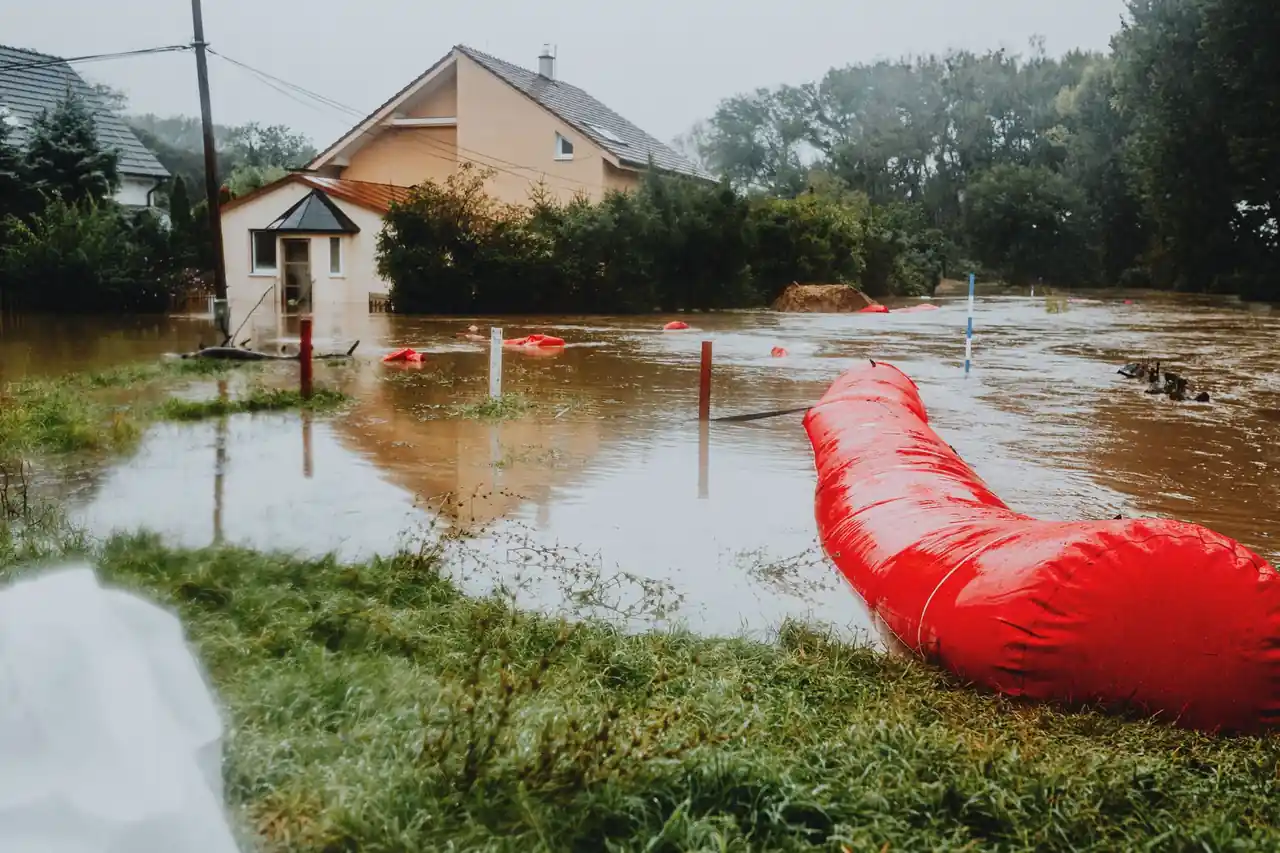
Fort Worth sits in the heart of hail alley, and the storms here do not mess around. Spring and early summer bring golf-ball hail and 60 mph wind gusts, and fall storms can drop several inches of rain in an hour. That combination drives water into roofs, crawl spaces, and basements all over Tarrant County.
The housing stock matters too: pier-and-beam homes near Fairmount flood from the ground up, while slab-on-grade builds in the TCU Area hide leaks under flooring until the wood starts to cup. Freeze events are their own problem. When a hard freeze hits, older plumbing in the Near Southside and Downtown cracks, and we get a wave of burst pipe calls right behind it.
We work to IICRC S500 drying standards and follow EPA Lead-Safe practices on pre-1978 homes, which is most of the older neighborhoods. Emergency storm damage cleanup Fort Worth Texas calls get the same response whether you are in a 1920s bungalow or a new build in the 76137 ZIP code.
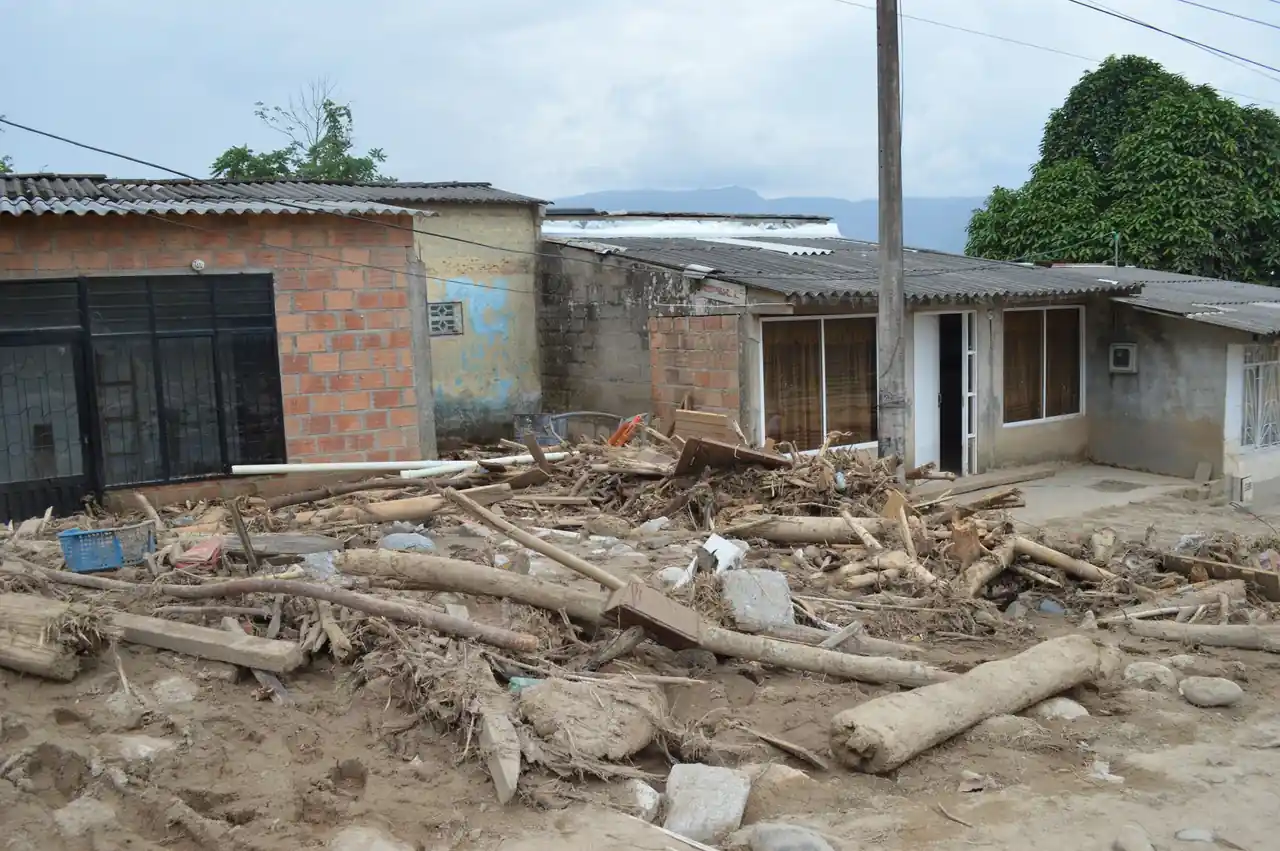
Before: Golf-ball hail cracked shingles and water ran down through the attic into a bedroom ceiling. The drywall was sagging, insulation was soaked, and the homeowner had a bucket on the floor.
After: We tarped the roof the same day, dried the attic and ceiling cavity in four days, and replaced the insulation and drywall. The ceiling was painted and back to original in two weeks.
Check attic insulation after every hail event and look for ceiling stains early. A moisture meter reading once a year catches small leaks before they spread.
Before: A storm pushed water into a pier-and-beam crawl space and it sat for days. The hardwood floors started cupping and the house smelled musty from the front door.
After: We pumped out the standing water, dried the joists and subfloor in eight days, and applied antimicrobial solution to the framing. The cupping stopped and the smell was gone.
Keep crawl space vents clear and check for moisture after every heavy rain. A hygrometer reading twice a year tells you if the space is staying dry.
Before: A hard freeze cracked a supply pipe and water ran into a kitchen overnight. The flooring, baseboards, and lower drywall were soaked, and water had spread into the adjacent hallway.
After: We shut off the water, extracted it, and dried the kitchen and hallway in five days. The pipe was repaired, and new flooring, baseboards, and paint went back on in ten days.
Insulate exposed pipes before the first freeze and know where your shut-off valve is. If a pipe bursts, shutting the water off fast is the difference between a small repair and a big one.
Storm damage rarely shows up where you expect it. Water travels, mold hides, and small breaches turn into big repairs if they sit. Here are the problems we see most often after a Tarrant County storm.
A dry structure, a documented claim, and a rebuilt room.
Storms do not wait for business hours, and neither do we. When you call after a hailstorm or a burst pipe, we roll with a water extraction unit, tarps, and drying gear already loaded. Most Fort Worth calls get a crew on site the same day, often within a few hours of your call.
We do not hand you off to a separate contractor once the drying is done. Our team handles drywall, insulation, baseboards, paint, and finish work. That means one schedule, one point of contact, and no finger-pointing between trades when the job is halfway finished.
We photograph every wet wall, log moisture readings, and write our scope in Xactimate, the same estimating software most Texas carriers use. That keeps your storm damage repair Fort Worth TX claim moving instead of sitting in a queue while the adjuster asks for more paperwork.
We check with a moisture meter and thermal imaging camera daily and do not pull equipment until the readings say the framing is dry.
Clear records you can keep and share.
Images of every wet area.
Daily readings until dry.
Line items for the claim.
Closeout readings and photos.
How we dry and rebuild depends on what kind of water got in.
From roof leaks or supply lines
From appliances or tubs
From sewage or flooding
A list like this tells people straight away whether you cover their street. Not listed? Call and ask: it only takes a minute.
Based in Fort Worth and covering the places around it. Pick one for local details.
The biggest cost drivers are how much water got in, how long it sat, and how much drywall and flooring has to be replaced. We write a scope before work starts so you know the number.
Fort Worth Restorations handles storm damage repair near me Fort Worth calls across Tarrant County, from Downtown and Sundance Square to Arlington Heights and the TCU Area. We do emergency tarping, water extraction, structural drying, and full rebuilds. One call gets a crew dispatched with tarps and drying equipment already loaded. Most addresses get eyes on the damage the same day.
Most Texas homeowner policies cover sudden storm damage, including hail, wind, and the water that comes in behind it. We photograph every wet area, log moisture readings, and write our scope in Xactimate so your carrier has what it needs. We work directly with Texas Department of Insurance carriers and can talk to your adjuster so you are not stuck in the middle.
Drying usually takes three to five days for a single room and seven to ten for a flooded crawl space or whole floor. Rebuild time depends on scope: a drywall and paint patch can be two to three days, while a full room rebuild with flooring and trim runs one to two weeks. We give you a written schedule after the inspection so you know what to expect.
Other services from the same team.
Every hour a storm leak sits, the damage gets deeper and the repair bill gets bigger. We answer the phone, dispatch a crew with tarps and drying equipment, and give you a written scope before work starts. Call Fort Worth Restorations and let us get your home dried in.
Call +1 817-270-9150 any time, day or night. We answer, ask a few questions about the source and the rooms affected, and dispatch a crew. If you prefer email, send photos and your address to [email protected] and we will follow up with next steps.