For Homes
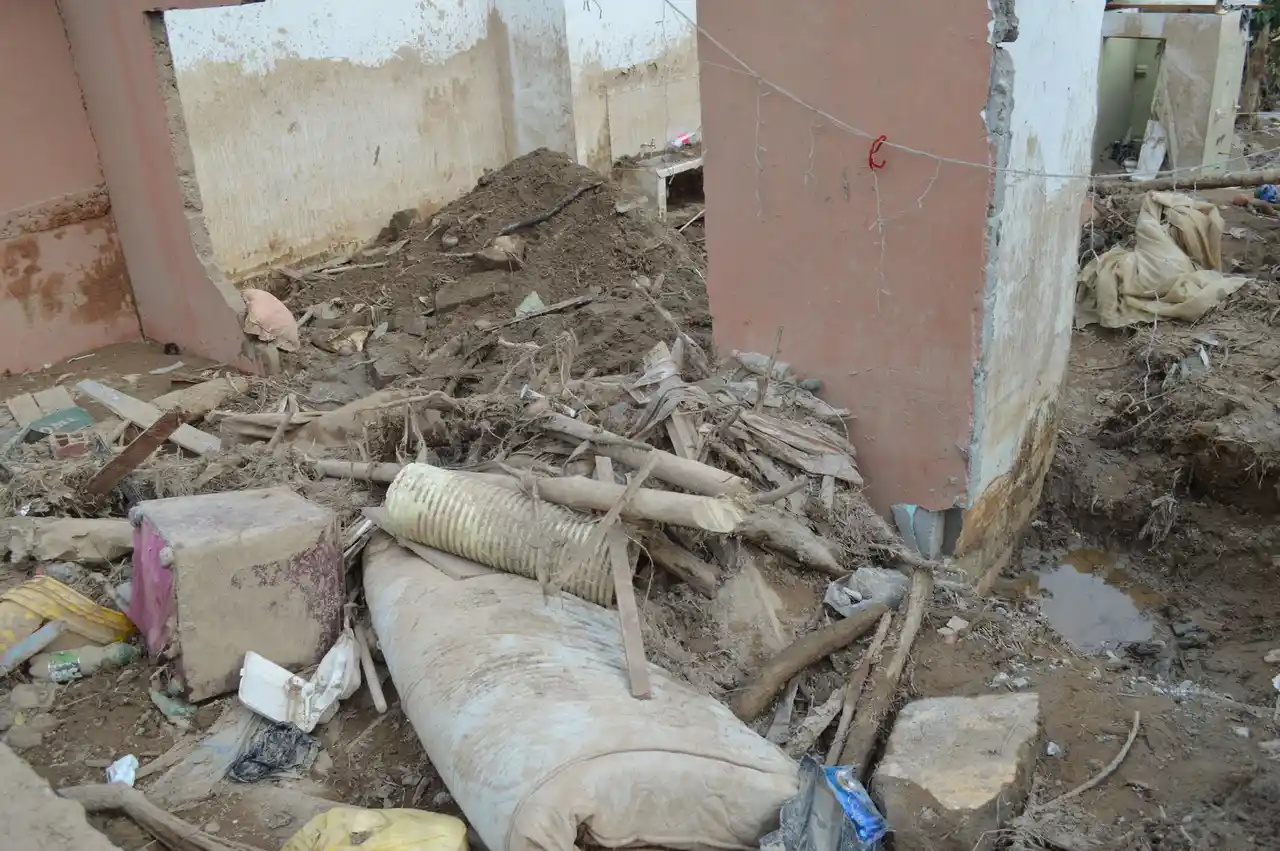
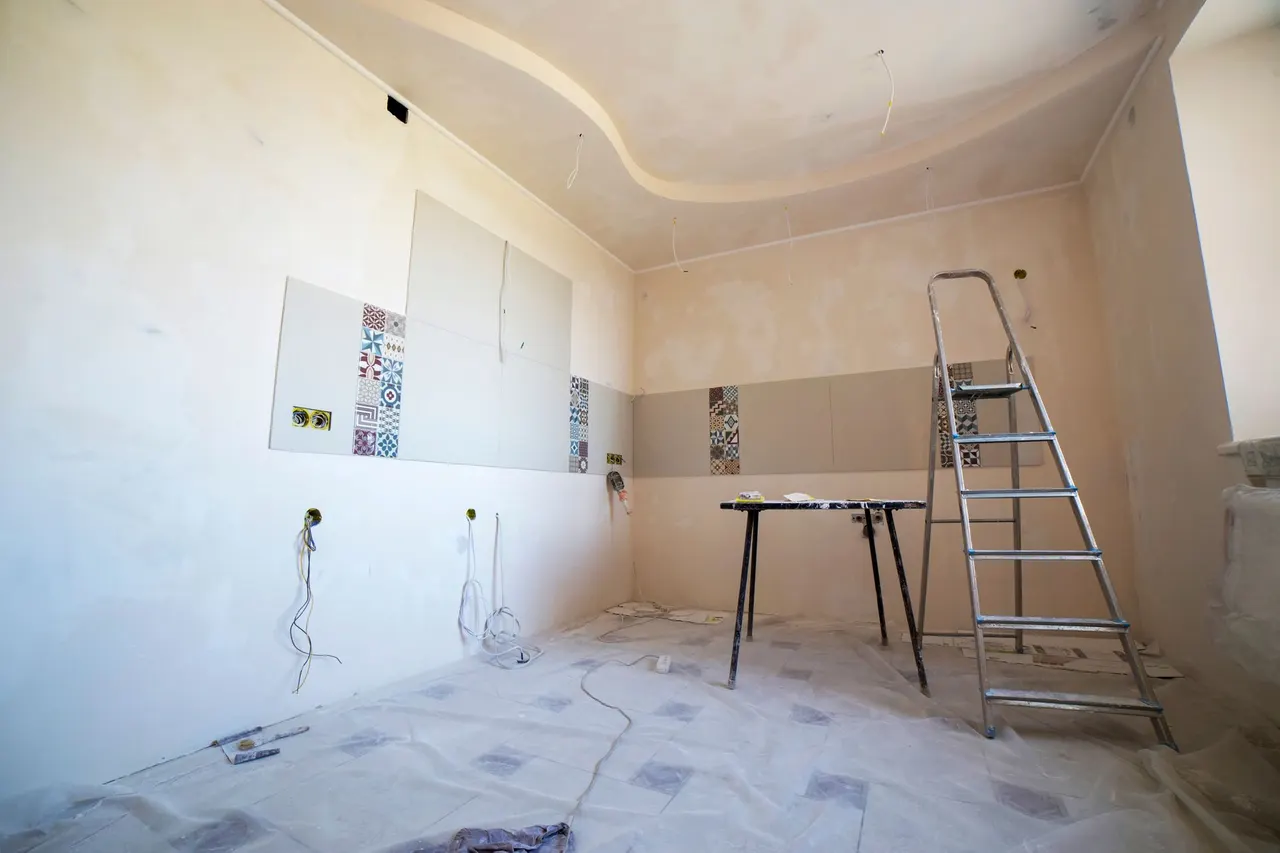
We handle leaks, floods, and wet floors in Fort Worth homes. You get a clear plan and daily updates while we dry.
- Water heater leaks
- Burst pipes
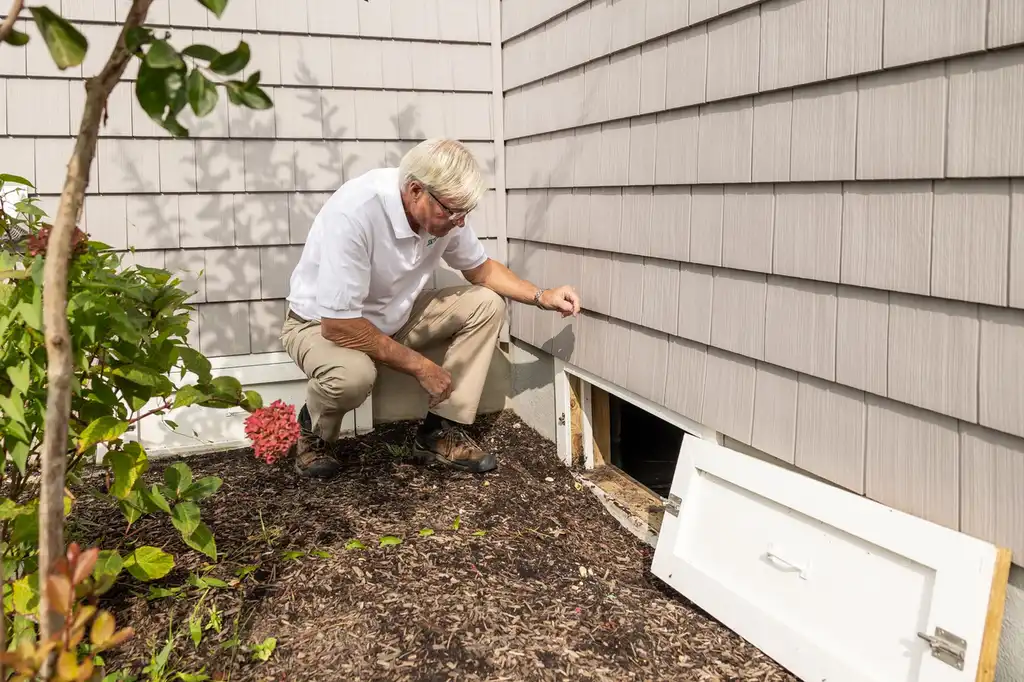
- Wet crawl spaces
Water Damage Repair in Fort Worth means stopping the water, drying the structure, and rebuilding what got soaked. If your floor is wet or your ceiling is stained, call us now at +18172709150.
 Meter the wallsFind the sourceDry to standard
Every job starts with an inspection and a written scope, so you know what is covered before we start. The core service covers extraction, drying, and the repairs needed to put your Fort Worth property back together. Add-ons like mold remediation or contents cleaning are quoted separately if the inspection shows they are needed.
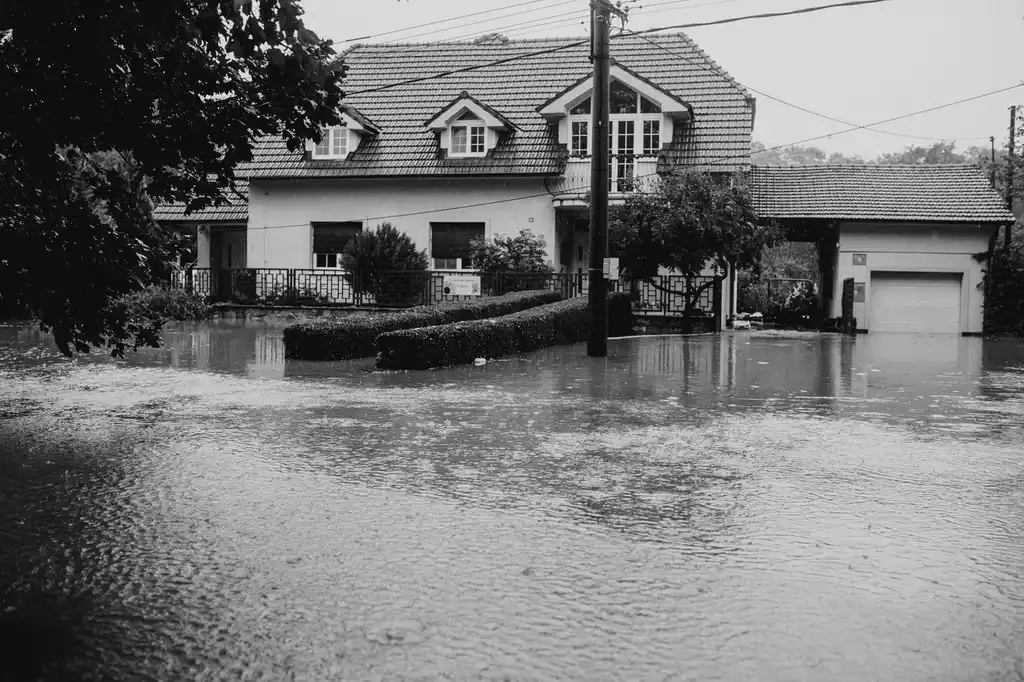
We map every wet zone, mark the walls, and explain what we found before any equipment is set.
We pull standing water from carpet, hardwood, and crawl spaces using water extraction units and sump pumps. Extraction usually takes one to three hours, depending on how much water is present.
We set air movers, dehumidifiers, and floor drying mats to dry the framing, subfloor, and wall cavities. Equipment runs until moisture readings hit the dry standard, usually three to five days.
We apply antimicrobial solution to wet framing and wall cavities to stop mold growth. This is standard on every job, not an upsell, because mold can start within 24 to 48 hours.
We replace damaged drywall, insulation, baseboards, hardwood flooring, and paint.
We photograph affected materials, log daily moisture readings, and build an Xactimate scope your adjuster can process. You get copies of everything for your records.
The approach is the same for a home and a business. What changes is the access, the schedule and who needs the paperwork.
We handle leaks, floods, and wet floors in Fort Worth homes. You get a clear plan and daily updates while we dry.
We dry and repair water damage in Fort Worth shops and offices. We work around your hours to limit downtime.
A plain-language look at what Water Damage Repair involves and when it is needed.
See how it worksWater Damage Repair in Fort Worth is the trade of extracting standing water, drying wet materials, and rebuilding anything the moisture ruined. It covers the whole chain: find the source, stop it, pull the water out, dry the framing and drywall, then repair or replace damaged carpet padding, baseboards, and hardwood flooring. We use moisture meters, thermal imaging cameras, and hygrometers to map exactly where water traveled, including inside walls where you cannot see it.
Fort Worth sits on clay soil that shifts with every wet-dry cycle, so slab leaks and foundation movement are common. Add burst pipes from a hard freeze, sewage backup after a heavy spring storm, and appliance leaks from aging water heaters, and you get a city where water damage repair near me Fort Worth searches spike every season. We handle residential water damage repair Fort Worth and commercial jobs alike, from a 76164 bungalow to a West 7th storefront.
Water damage repair is mostly measurement: find the water, dry it, prove it is dry.
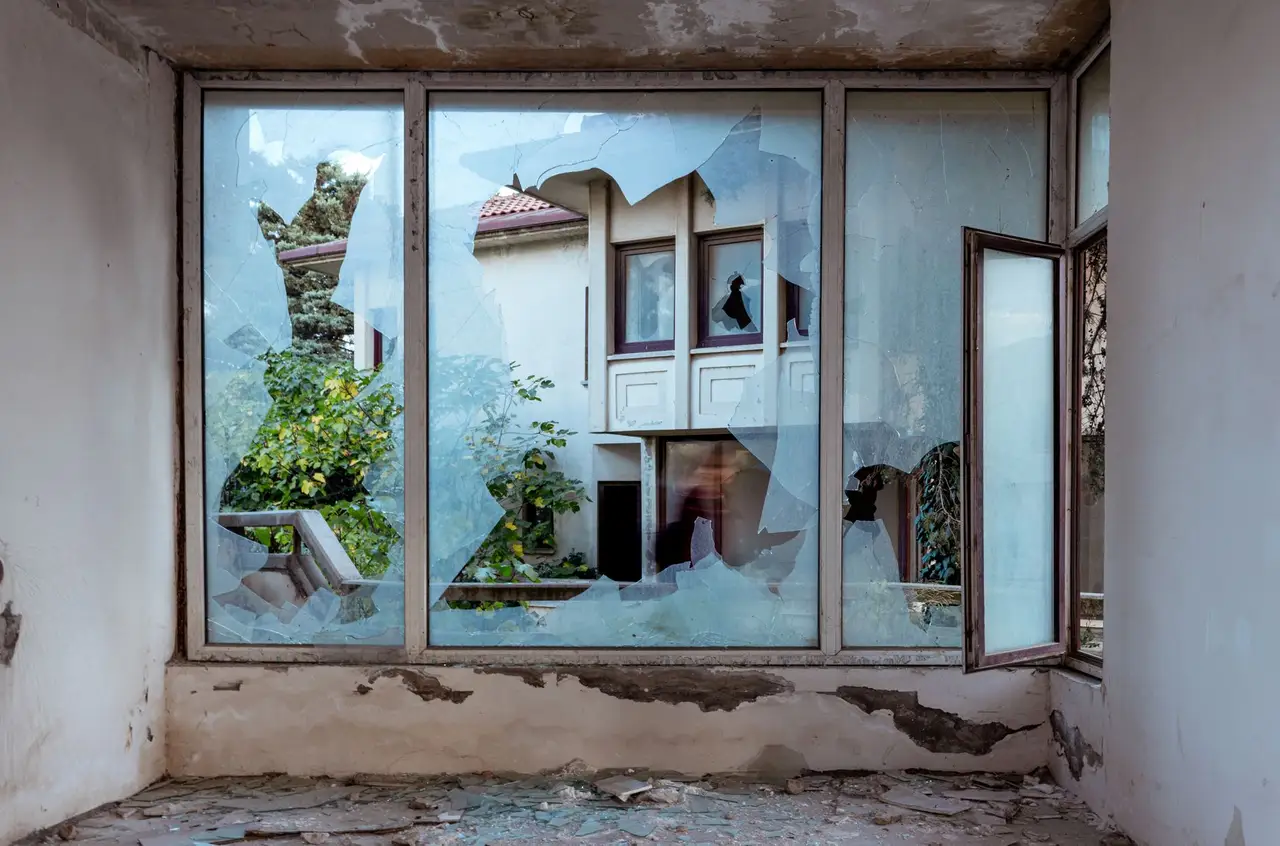
Every job follows the same five steps, whether it is a small appliance leak or a flooded crawl space. Here is what you can expect from the first call to the final walkthrough.
You call +18172709150 and describe what is wet. We ask about the source, how long it has been leaking, and whether sewage is involved. We schedule a crew, tell you to shut off the water if you can, and give you a realistic arrival window. No call center, no runaround.
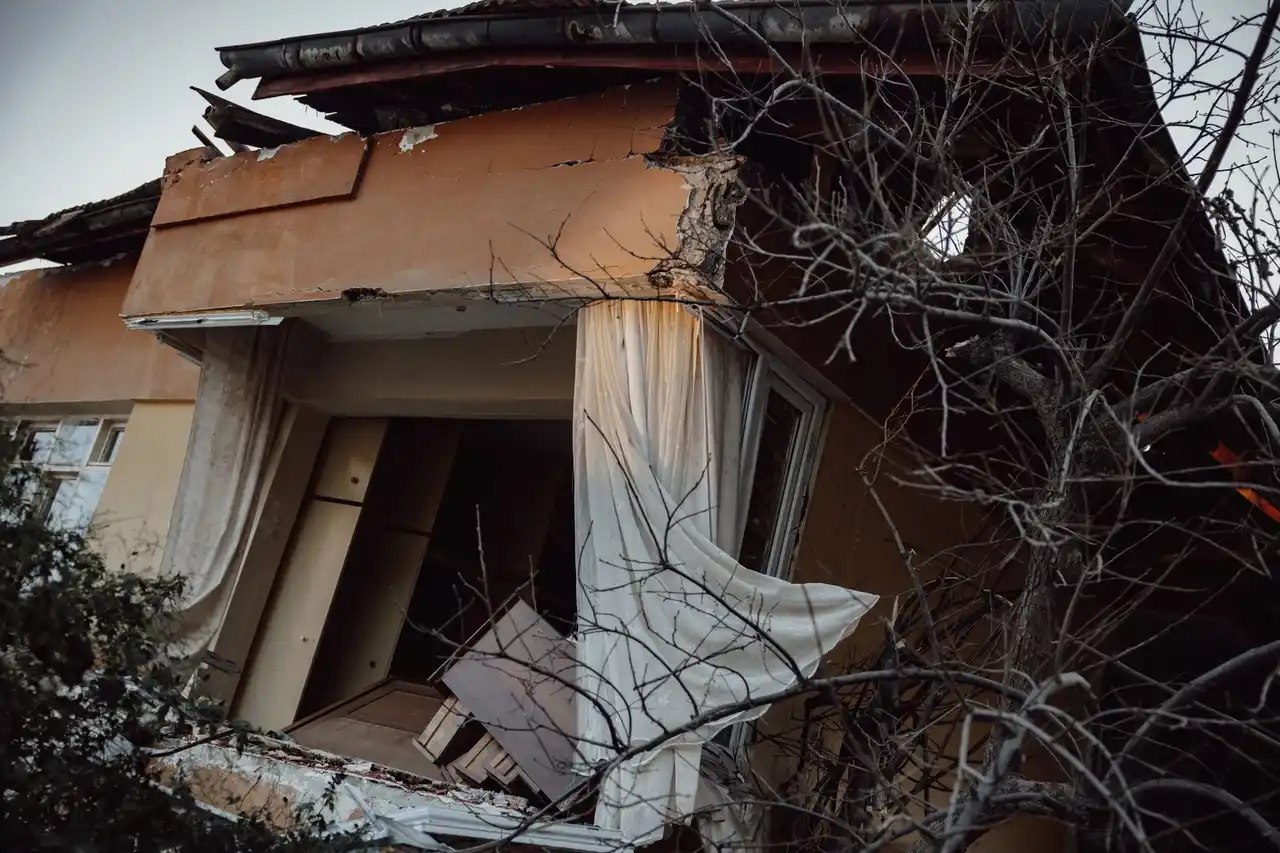
We check the slab, walls, ceiling, and crawl space, then mark the wet zones. This takes 30 to 60 minutes and tells us exactly how far the water traveled.

We pull standing water with a water extraction unit, then set air movers, dehumidifiers, and floor drying mats. Dri-Eaz and Phoenix Restoration Equipment units run 24 hours a day until readings hit the dry standard. Most Fort Worth homes dry in three to five days.
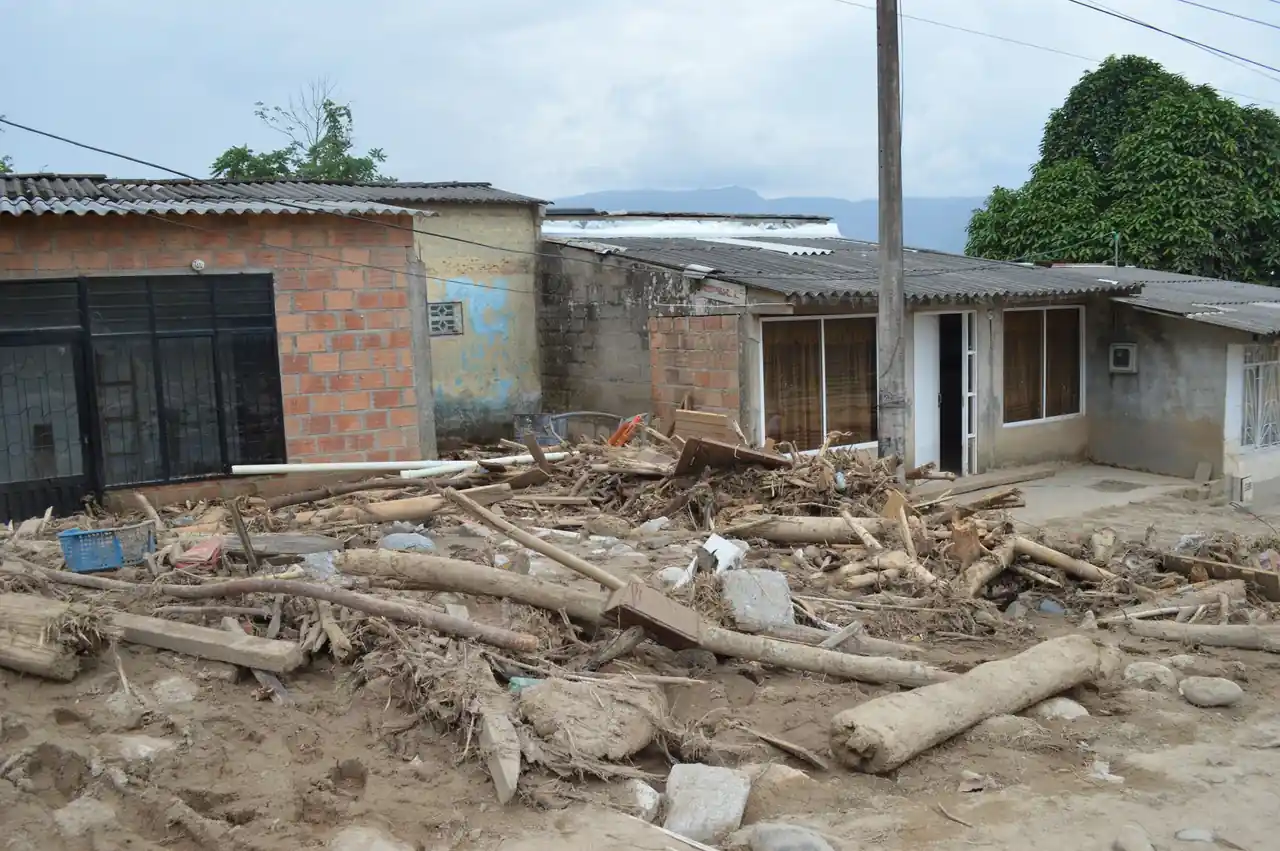
Once dry, we remove and replace damaged drywall, insulation, baseboards, and flooring. We match joint compound, paint, and sealant to the existing finish.
We take final moisture readings, photograph the completed work, and walk you through everything. If your insurance adjuster needs anything else, we handle that follow-up directly.

Move across a circle, or focus it and press Enter, for an illustrative thermal view of the photograph.
Reads the moisture content in drywall, wood, and subfloor. We use it to find wet zones and to confirm when materials are actually dry.
Shows temperature differences that reveal hidden water inside walls and under floors. It helps us find the leak path without cutting open every wall.
Measures relative humidity in the air. We use it to set drying goals and confirm the dehumidifiers are keeping up.
Moves high volumes of air across wet surfaces to speed evaporation. We position them to dry walls, floors, and cabinets evenly.
Pulls moisture out of the air so wet materials can release water faster. Without it, Fort Worth humidity slows drying and feeds mold.
Thermal views are illustrative, generated from the photographs.
Removes standing water from carpet, hardwood, and hard surfaces. We use it before setting drying equipment.
Forces dry air under hardwood and laminate floors to dry the subfloor without removing the finished floor.
The S500 standard defines how to classify water, inspect, and dry a structure. We follow it on every job, which is why our drying logs hold up with insurance adjusters.
We map wet zones with a moisture meter and thermal camera, then mark the walls with tape. The map guides equipment placement and tells us when the job is done.
We take readings every day and log them. You can see the numbers dropping toward the dry standard, and your adjuster gets a clear record of the drying progress.
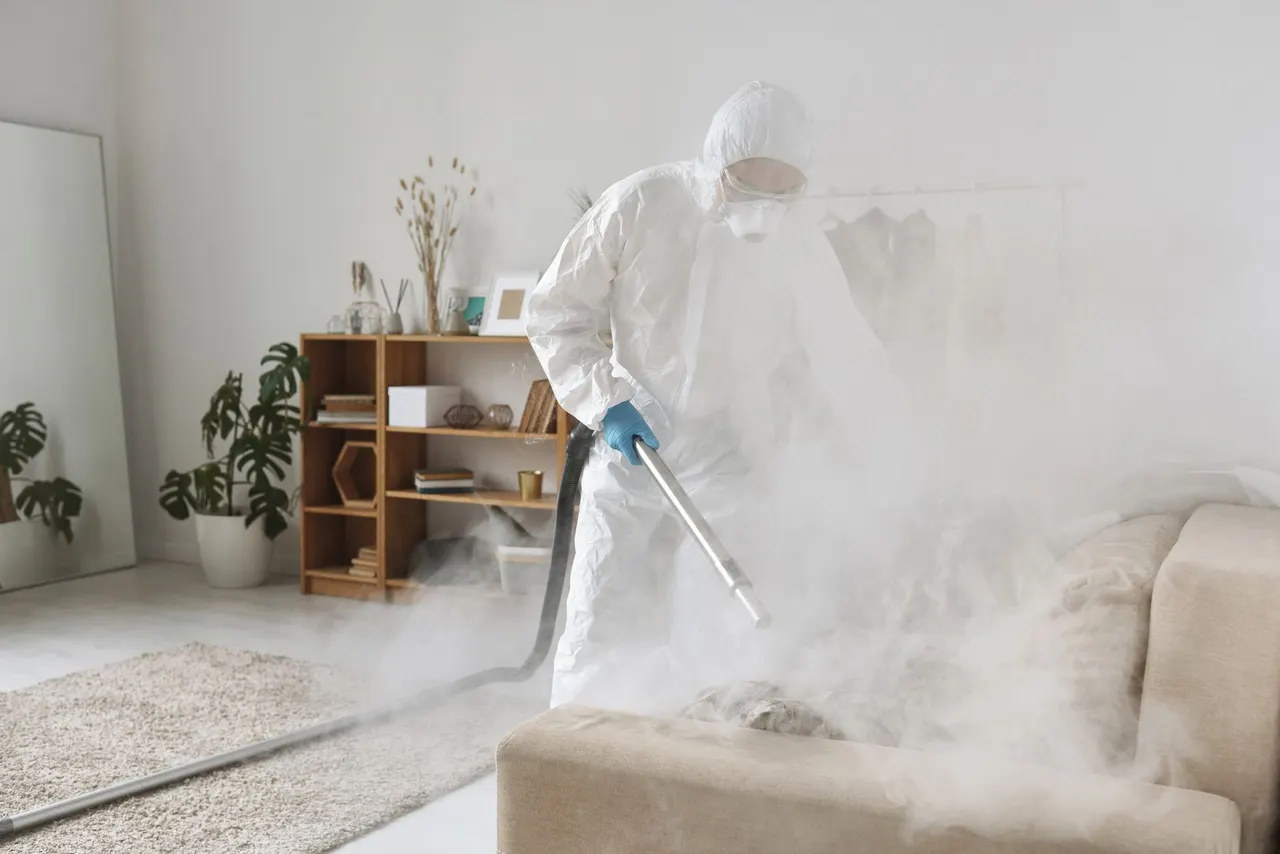
On sewage or mold-related jobs, we contain the area with plastic barriers and apply antimicrobial solution. This keeps contaminants from spreading to clean rooms.
You come home to a wet hallway and a water heater that is leaking from the bottom.
We shut off the supply, extract the water, and dry the closet and hallway. If the hardwood has cupped, we dry it in place or replace the affected boards. We check the surrounding walls for hidden moisture before we leave.
Outcome: The floor is dry, the water heater is replaced, and the repair blends with the existing flooring. Most jobs like this finish in three to four days.
A pipe freezes and bursts overnight, and you wake up to water dripping through the ceiling.
We shut down the water, open the ceiling to release trapped water, and dry the joists and drywall. We coordinate the plumbing repair, then replace the drywall and paint the ceiling.
Outcome: The leak is fixed, the ceiling is dry and painted, and you have documentation for your insurance claim. Drying typically takes four to five days.
Heavy rain floods your crawl space and the floors above start to feel soft.
We pump out the standing water, dry the soil and joists, and check the vapor barrier. If the subfloor is wet, we dry it from below and above to prevent rot.
Outcome: The crawl space is dry, the floor feels solid again, and the joists are protected from rot. We also check for mold growth before closing up.
A sewage line backs up into your basement laundry room.
We contain the area, remove contaminated flooring and drywall, and apply antimicrobial solution. After decontamination, we dry the space and rebuild.
Outcome: The biohazard is removed, the space is clean, and the rebuild is finished. This type of job usually takes five to seven days.
Your commercial kitchen has a supply-line failure and water is running across the tile floor.
We work after hours to extract the water and dry the kitchen so you can reopen. We document everything for your property claim and coordinate with your manager.
Outcome: The kitchen is dry and back in service quickly, with minimal downtime. We handle the repairs so you are not managing a separate contractor.
Fort Worth has a mix of pier-and-beam homes in Fairmount and Arlington Heights, slab-on-grade ranches in 76135 and 76137, and newer construction across the TCU Area. That matters because water travels differently in each. In a pier-and-beam home, water runs down into the crawl space and rots joists. On a slab, a slab leak wicks up through the concrete and soaks the flooring from below. Our crews know how to dry both.
The clay soil here shifts with every wet-dry cycle, which is why slab leaks are so common. Summer storms drop heavy rain fast, and winter freezes burst pipes in attics and exterior walls. We handle emergency water damage repair services Fort Worth TX year-round, and we know the TDLR and Texas Department of Insurance rules that affect repair work and claims.
If you need same day water damage repair Fort Worth TX, call us and we will schedule an inspection.
Before: A supply line under the sink let go overnight. Water soaked the cabinet base, drywall behind the sink, and about 60 square feet of hardwood flooring. The cabinet box was swollen and the drywall was soft.
After: We extracted the water, dried the cavity, and replaced the cabinet base, drywall, and four hardwood boards. Final moisture readings were back to the dry standard in four days, and the repair blends with the original floor.
Check supply lines under sinks every six months and replace plastic lines with braided stainless. Keep the cabinet base dry and watch for any new swelling.
Before: A pipe in the attic burst during a freeze and water ran down through the ceiling into a bedroom. The ceiling drywall was sagging, insulation was soaked, and the carpet padding was saturated.
After: We opened the ceiling, removed the wet insulation and drywall, and dried the joists. The plumbing was repaired, and we replaced the insulation, drywall, and paint. Drying took five days, and the ceiling looks original.
Insulate attic pipes before winter and leave cabinet doors open during hard freezes. Check the ceiling for new stains each spring.
Before: A sewage line backed up into a laundry room and spread across about 100 square feet of tile and drywall. The area smelled and the drywall was contaminated.
After: We contained the room, removed the contaminated drywall and baseboards, and applied antimicrobial solution. After decontamination, we dried the space and rebuilt the walls and trim. The job took six days.
Have the main line jetted every 18 to 24 months and avoid flushing wipes or grease. Watch for slow drains as an early warning sign.
Most water damage calls fall into a handful of categories. Here are the ones we see most often in Fort Worth and what happens if they are ignored.
A dry structure, documented readings, and repairs finished in-house.
We run water extraction units and air movers the same day you call, which stops secondary damage before it spreads into adjacent rooms. Most residential jobs in Fort Worth see standing water removed within two to four hours of arrival, and structural drying starts immediately after.
We use a thermal imaging camera and moisture meter to map every wet pocket, then mark the walls with tape so you can see exactly what we are drying. You get a daily moisture log showing readings dropping toward the dry standard, not a vague promise that it is handled.
We photograph affected materials, log moisture readings, and build an Xactimate scope your adjuster can process. Texas Department of Insurance rules require prompt claim handling, and clean documentation keeps your claim moving. We work directly with most major carriers on water damage restoration repair Fort Worth TX claims.
Once the structure is dry, we replace drywall, insulation, baseboards, and paint so you are not left hunting for a separate contractor.
Clear records you can keep and share.
Daily moisture readings
Before and after images
What we will repair
Documents for your adjuster
Water category decides how we handle the job, from simple drying to full decontamination.
From supply lines and rain
From appliances and sinks
From the main line
A list like this tells people straight away whether you cover their street. Not listed? Call and ask: it only takes a minute.
Based in Fort Worth and covering the places around it. Pick one for local details.
A small appliance leak with minimal drywall damage sits at the low end. A slab leak that soaks hardwood flooring and baseboards across two rooms lands higher. We give you a written scope before work begins.
Fort Worth Restorations does. We are a local company based in Fort Worth, and we handle both the drying and the repairs, so you are not coordinating two contractors. Call +18172709150 and we will schedule an inspection, usually the same day. We cover Downtown, Sundance Square, Fairmount, Arlington Heights, and the TCU Area.
Most homeowner policies cover sudden and accidental water damage, like a burst pipe or appliance failure, but not long-term neglect or flooding from outside. We document the damage with photos, moisture readings, and an Xactimate scope your adjuster can use. We work with most major carriers and can talk to your adjuster directly.
Drying usually takes three to five days, and the repair phase adds two to seven days depending on scope. A small ceiling leak might be dry in 72 hours with a one-day drywall repair. A flooded crawl space or a sewage backup takes longer because we have to decontaminate before we dry. We give you a timeline after the inspection.
Other services from the same team.
Water spreads fast. Call Fort Worth Restorations at +18172709150 and we will schedule an inspection, give you a written scope, and start drying the same day.
Call +1 817-270-9150 any time, day or night. We answer, ask a few questions about the source and the rooms affected, and dispatch a crew. If you prefer email, send photos and your address to [email protected] and we will follow up with next steps.