For Homes
We dry carpet in houses, condos, and apartments across Fort Worth. We work around your furniture and keep the noise to daytime hours.
- Burst pipe under sink
- Washing machine leak
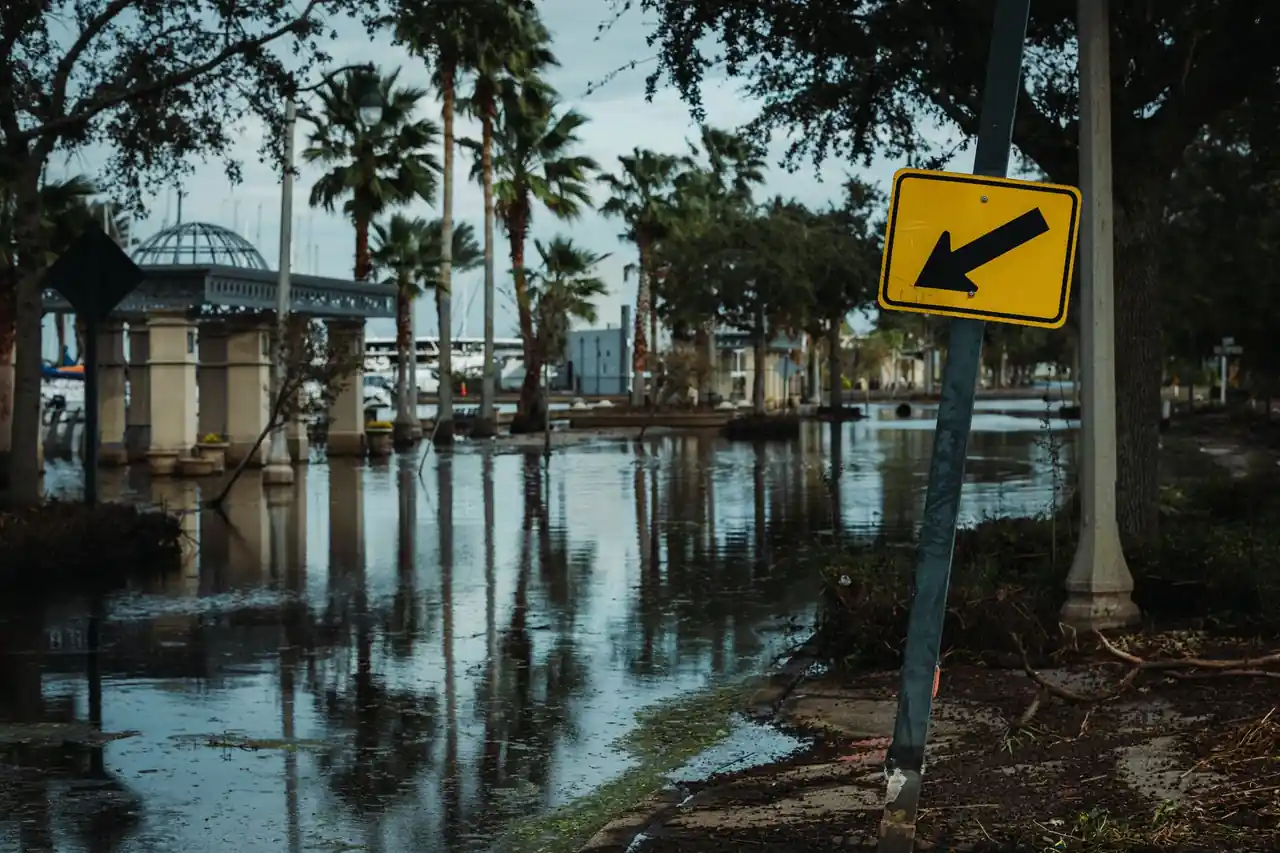
- Storm water at back door
When a pipe bursts, an appliance leaks, or a storm pushes water under your carpet, Carpet Water Extraction and Drying Fort Worth TX starts with a call. Our IICRC-trained crews pull standing water, lift saturated padding, and dry the subfloor before mold takes hold. We handle homes and businesses across Tarrant County, from slab leaks to sewage backups, and we document every step for your insurance claim.
 Moisture readingsThermal scanDaily logs
Every job starts with an inspection and moisture mapping, then moves to extraction, drying, and daily monitoring. We document readings and photos for your insurance claim. If padding must be removed, we handle disposal. Replacement padding and carpet installation are separate line items, and we will tell you upfront if they are needed.
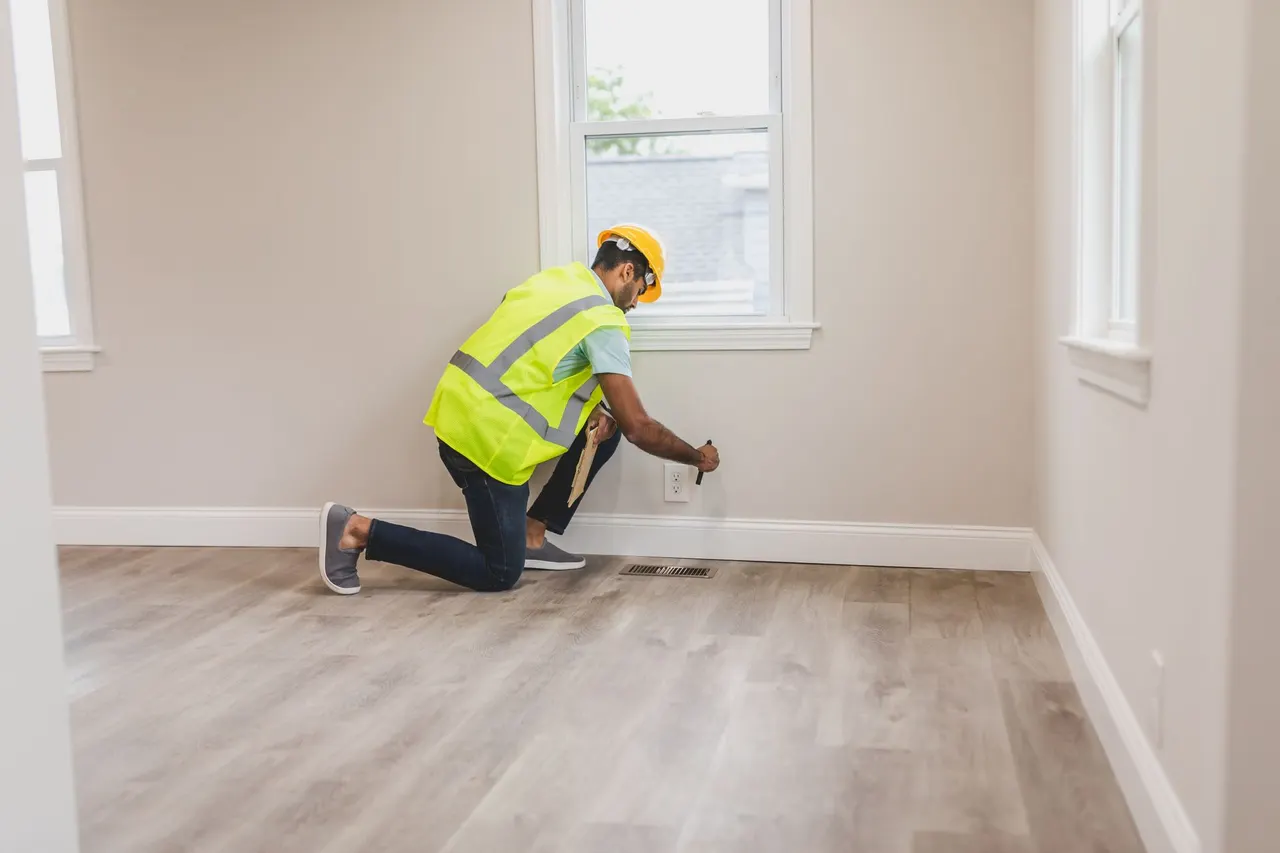
We use a moisture meter and thermal imaging camera to find where water traveled under carpet, into padding, and up baseboards. This map tells us where to place equipment and how long drying will take.
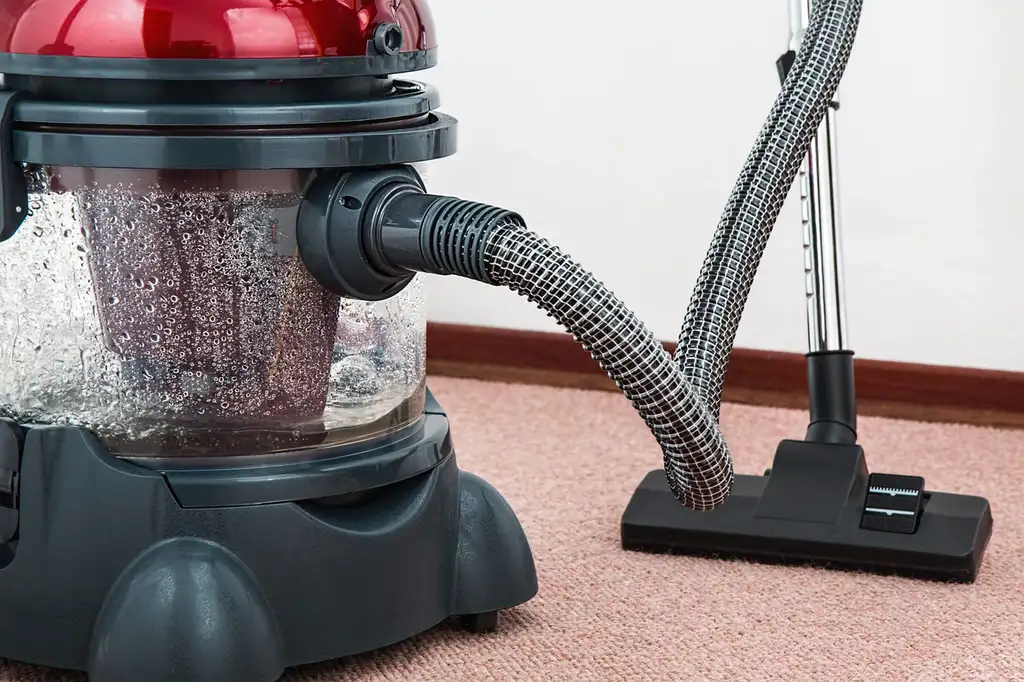
Truck-mounted extraction units pull water from carpet and padding. We work room by room until the carpet is damp, not soaked. Extraction typically takes one to three hours depending on square footage.
When padding is soaked through, it cannot be dried effectively. We pull it up, bag it, and dispose of it. Removing wet padding also exposes the subfloor so it can dry faster.
We set commercial air movers and dehumidifiers to dry the carpet, pad, and subfloor. Equipment runs continuously for two to four days. We check readings daily and adjust placement as needed.
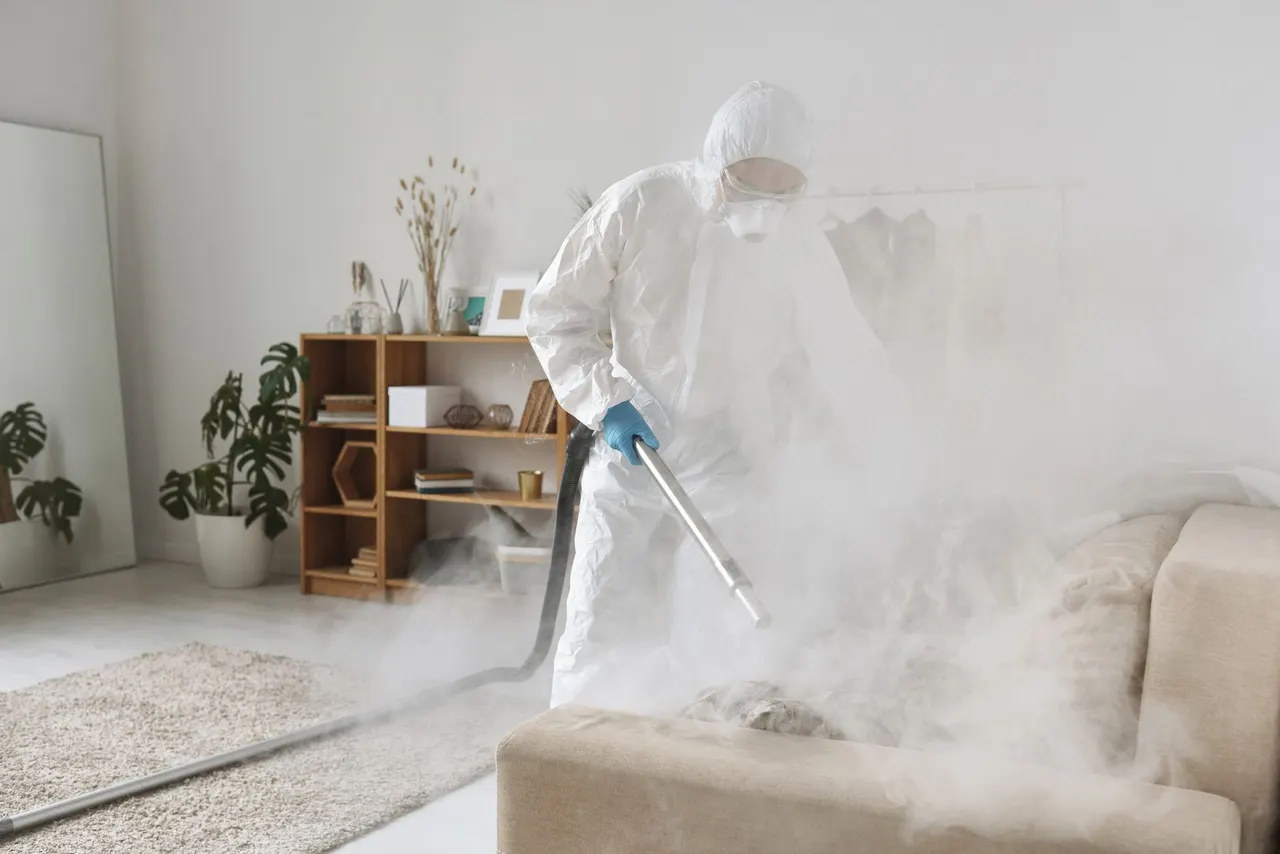
We apply antimicrobial solution to carpet backing and subfloor where water sat. This helps prevent mold growth during the drying period and addresses musty odors at the source.
We return each day to take moisture readings and photograph equipment. You get a final drying report with logs and photos that you can submit to your insurance adjuster.
The approach is the same for a home and a business. What changes is the access, the schedule and who needs the paperwork.
We dry carpet in houses, condos, and apartments across Fort Worth. We work around your furniture and keep the noise to daytime hours.
We dry carpet in offices, retail, and restaurants with minimal disruption. We can work after hours to keep your business open.
A plain-language look at what Carpet Water Extraction and Drying involves and when it is needed.
See how it worksCarpet Water Extraction and Drying Fort Worth TX is the process of removing standing water from carpet and padding, then drying the carpet, pad, and subfloor to safe moisture levels. We start with a moisture meter and thermal imaging camera to map how far water traveled. Truck-mounted extraction units pull the bulk of the water, then air movers and dehumidifiers run until readings match a dry standard. Most residential jobs take two to four days of equipment run time.
Fort Worth homeowners call us for burst pipes in older Fairmount bungalows, slab leaks in West 7th condos, and storm flooding near the Trinity River. Water wicks into carpet padding fast, and padding holds moisture long after the surface feels dry. If you search carpet water extraction near me Fort Worth, you need a crew that can be on site the same day. We also handle wet carpet drying Fort Worth Texas for commercial spaces where downtime costs money.
Carpet water extraction and drying removes water and dries the pad and subfloor before mold starts.
Five steps from the first call to a dry, verified floor. You will know what is happening and when.
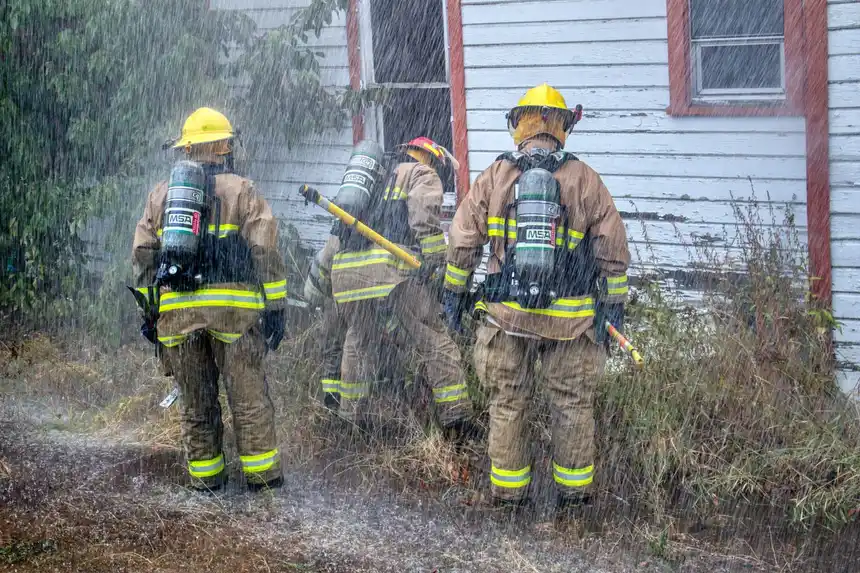
You call, we ask what happened and when. A burst pipe, a sewage backup, or a slow appliance leak all get different responses. We schedule a same-day visit for most Fort Worth addresses and tell you what to do before we arrive, like shutting off the water supply or pulling electronics off the carpet.
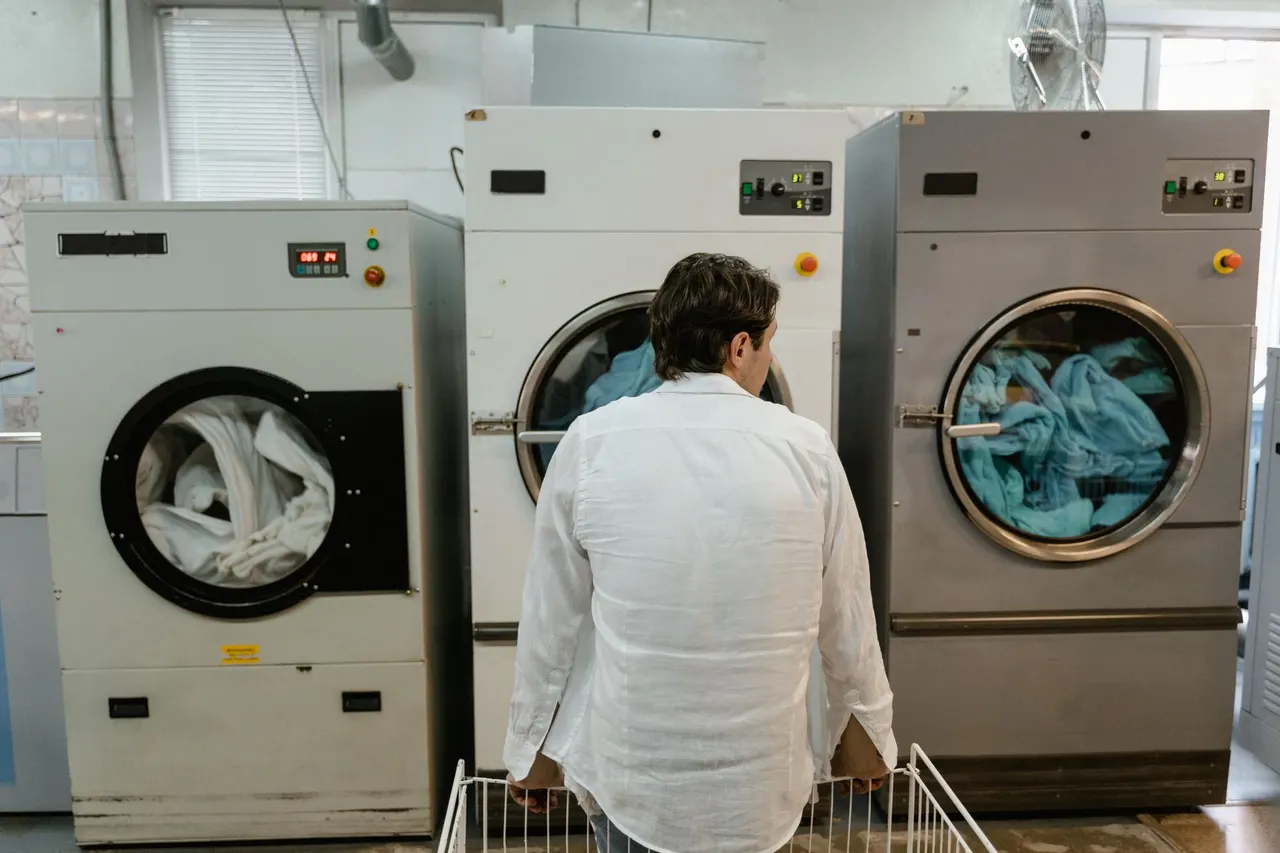
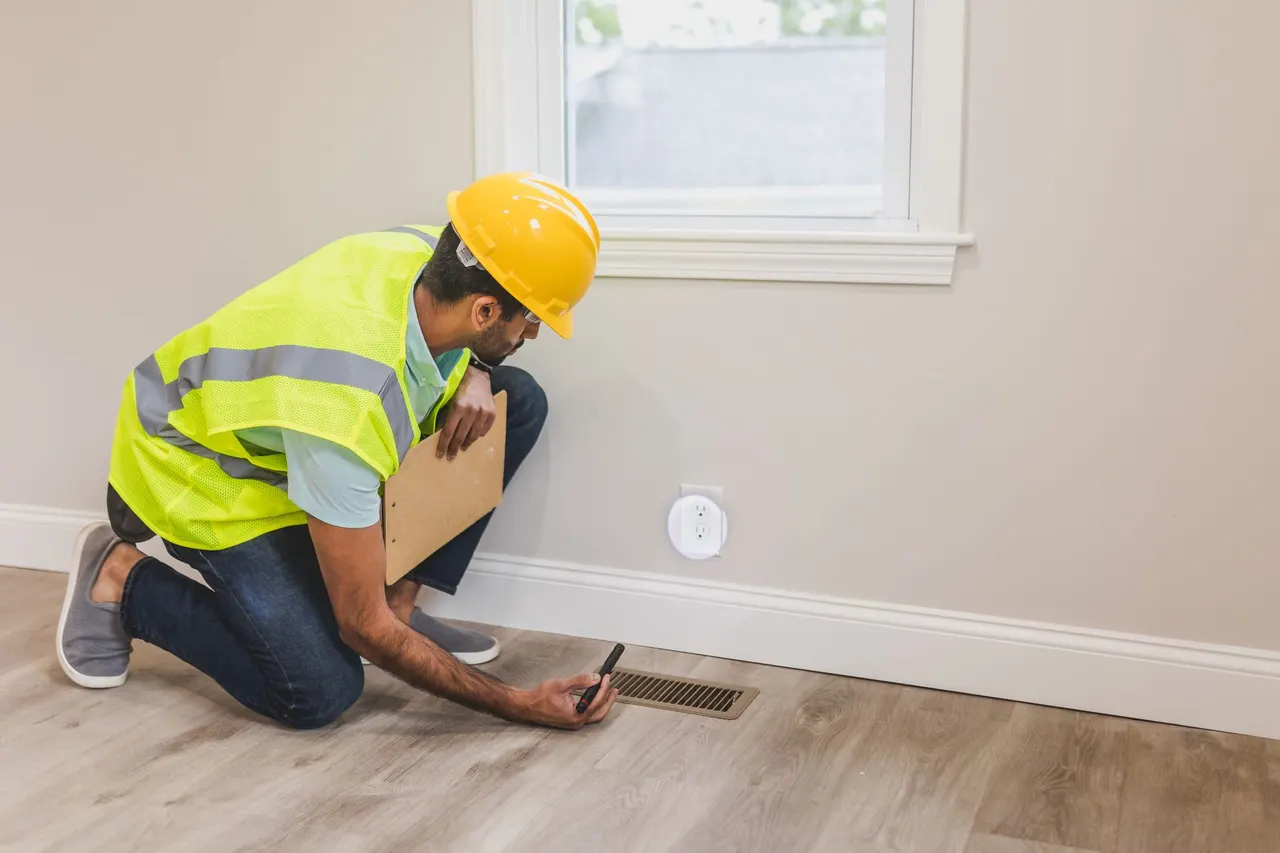
On arrival, we walk the space with you and run a moisture meter and thermal imaging camera across the carpet, pad, and baseboards. We check for hidden migration into drywall and insulation. This takes 20 to 40 minutes and tells us exactly how far the water traveled and what equipment we need.
We use a truck-mounted water extraction unit to pull standing water from the carpet. If the padding is saturated beyond saving, we pull it up and bag it. We check the subfloor with a hygrometer and set a floor drying mat if needed. Extraction usually takes one to three hours depending on square footage.
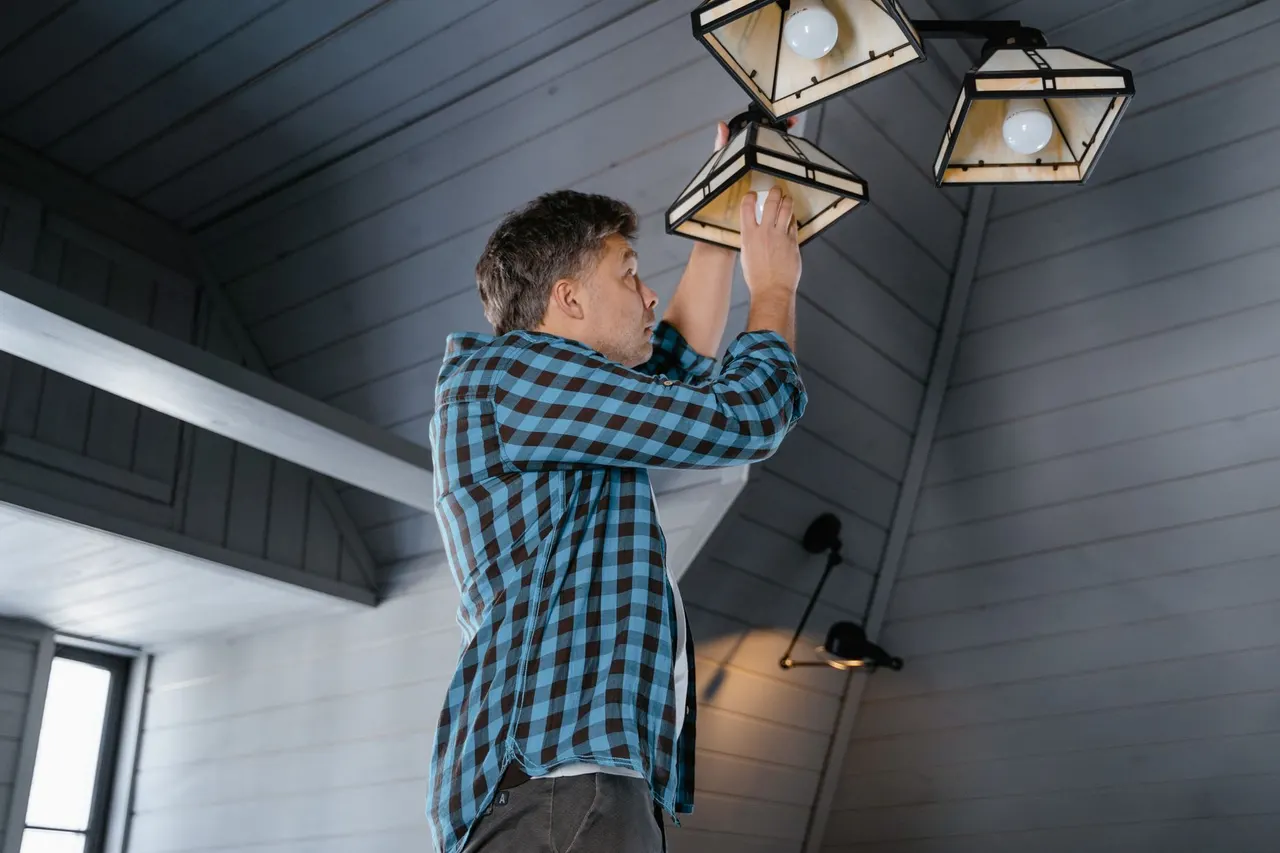
We place air movers and dehumidifiers to circulate dry air across the carpet and subfloor. Every day we return to take moisture readings and adjust equipment. Most jobs run two to four days. You will get a daily update on readings and an estimated completion day so you can plan around the noise.
When readings match the dry standard, we remove equipment and do a final walk-through with you. We leave a drying report with photos and moisture logs for your insurance claim. If padding was removed, we can schedule replacement. We also check for any lingering odor and treat if needed.
Move across a circle, or focus it and press Enter, for an illustrative thermal view of the photograph.
Pin and pinless meters measure moisture content in carpet, padding, and subfloor. We use them to map the affected area and track daily drying progress.
Infrared camera shows temperature differences that reveal hidden moisture behind baseboards, under carpet, and inside wall cavities without cutting into surfaces.
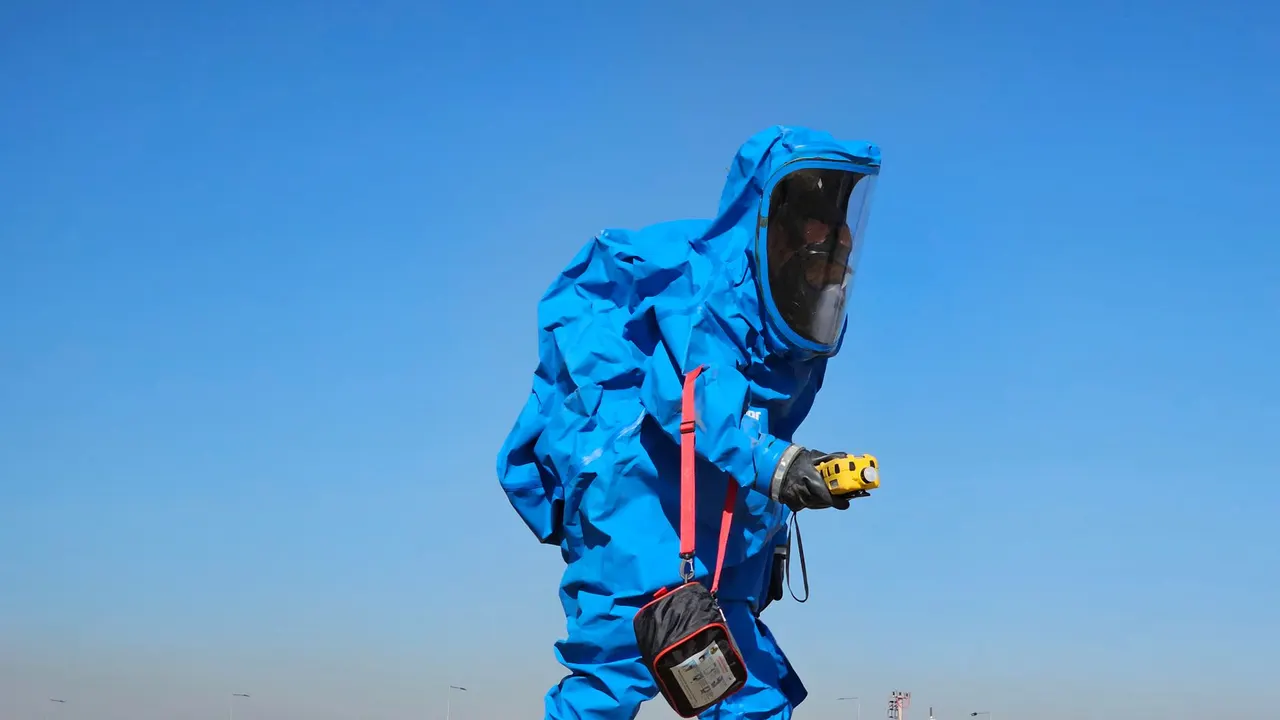
High-powered vacuum pulls standing water from carpet and padding faster than portable units. It removes the bulk of the water before drying equipment is set.
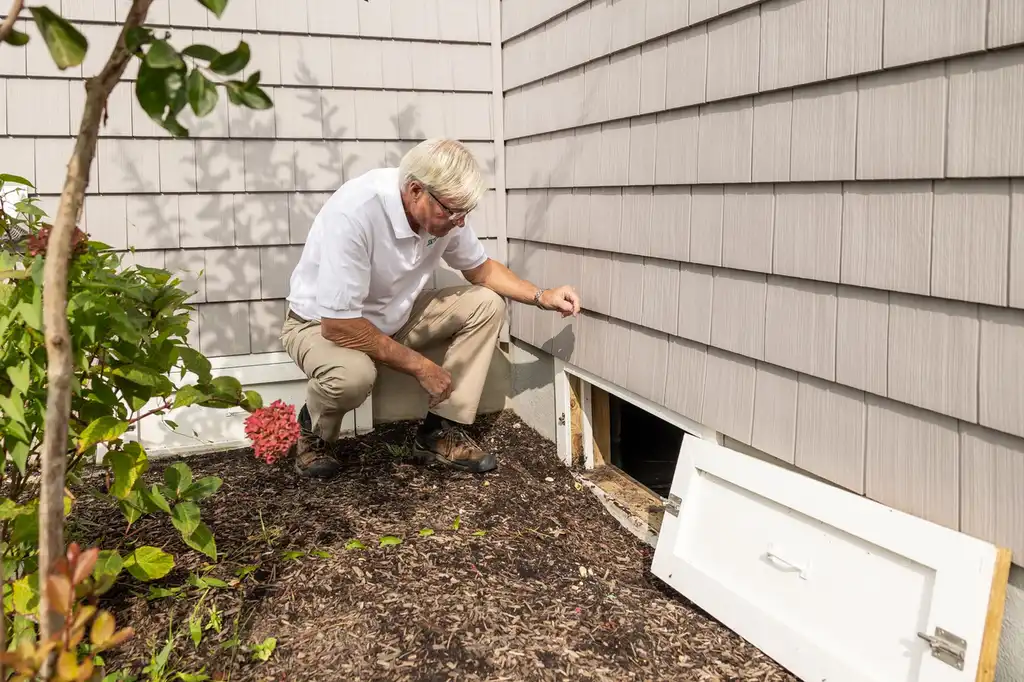
Dri-Eaz and Phoenix Restoration Equipment air movers circulate dry air across carpet and subfloor while dehumidifiers pull moisture out of the air.
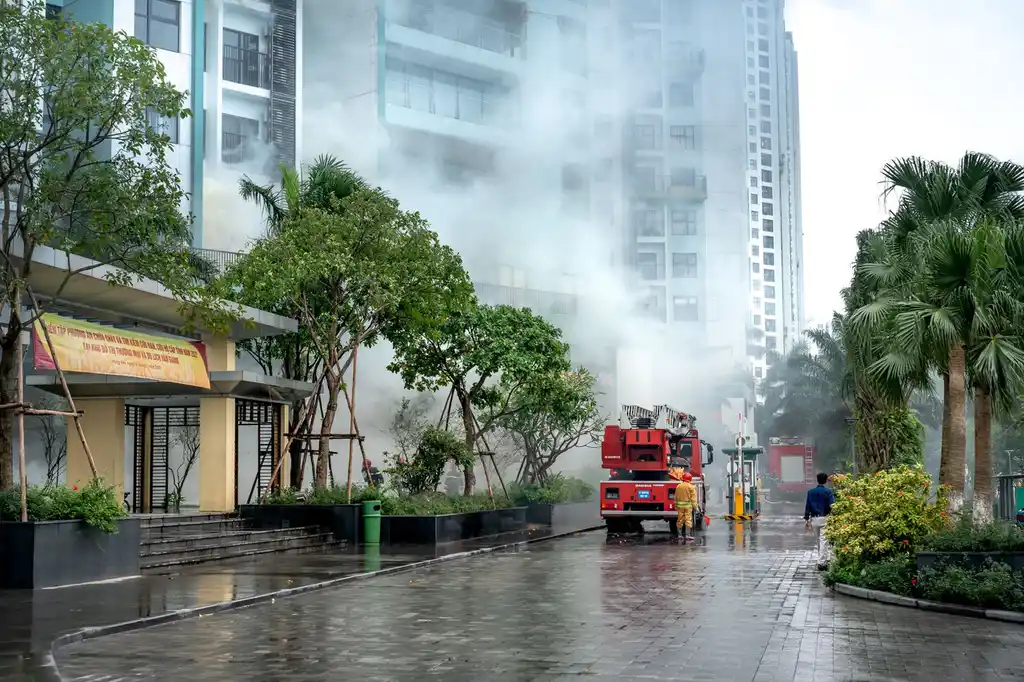
A mat that pulls moisture out of hardwood and subfloor by circulating dry, warm air directly against the surface. Used when water has reached the subfloor.
Thermal views are illustrative, generated from the photographs.
Measures relative humidity in the drying chamber. We use it to confirm dehumidifiers are keeping humidity low enough for carpet and pad to dry.
A camera on a flexible rod that lets us see inside wall cavities and under floors without demolition. We use it to check for hidden moisture and mold.
We follow the IICRC S500 standard for water damage restoration, which sets drying goals based on material type and category of water. This is the industry benchmark for knowing when a structure is dry.
We take readings at multiple points across the carpet, pad, and subfloor to create a moisture map. This map guides equipment placement and tells us when drying is complete.
We return every day to take readings, adjust equipment, and photograph progress. Daily monitoring catches problems early and keeps the job on schedule.
We use Xactimate to prepare drying reports and estimates that align with insurance industry standards. This speeds up claim review and reduces back-and-forth with your adjuster.

A pipe bursts under the kitchen sink overnight and soaks the carpet in the adjacent dining room.
We shut off the water, extract from the carpet, and check how far moisture traveled into the pad and baseboards. We set air movers and a dehumidifier, then return daily to monitor readings.
Outcome: The carpet and pad dry in three days without replacement, and you have a drying report for your insurance claim.

A washing machine supply line fails and water spreads across the laundry room carpet and into the hallway.
We pull the appliance out, extract standing water, and remove saturated padding. We dry the subfloor with a floor drying mat and air movers, then check the hallway for hidden moisture.
Outcome: The laundry room and hallway are dry in two to three days, and the appliance can be reconnected once the floor is verified dry.

A slab leak in a West 7th condo pushes water up through the carpet in the living room.
We locate the leak with thermal imaging, stop the water source, and extract from the carpet. We dry the concrete slab and carpet with dehumidifiers and air movers over several days.
Outcome: Moisture readings return to dry standard, and the condo avoids mold growth and carpet replacement.
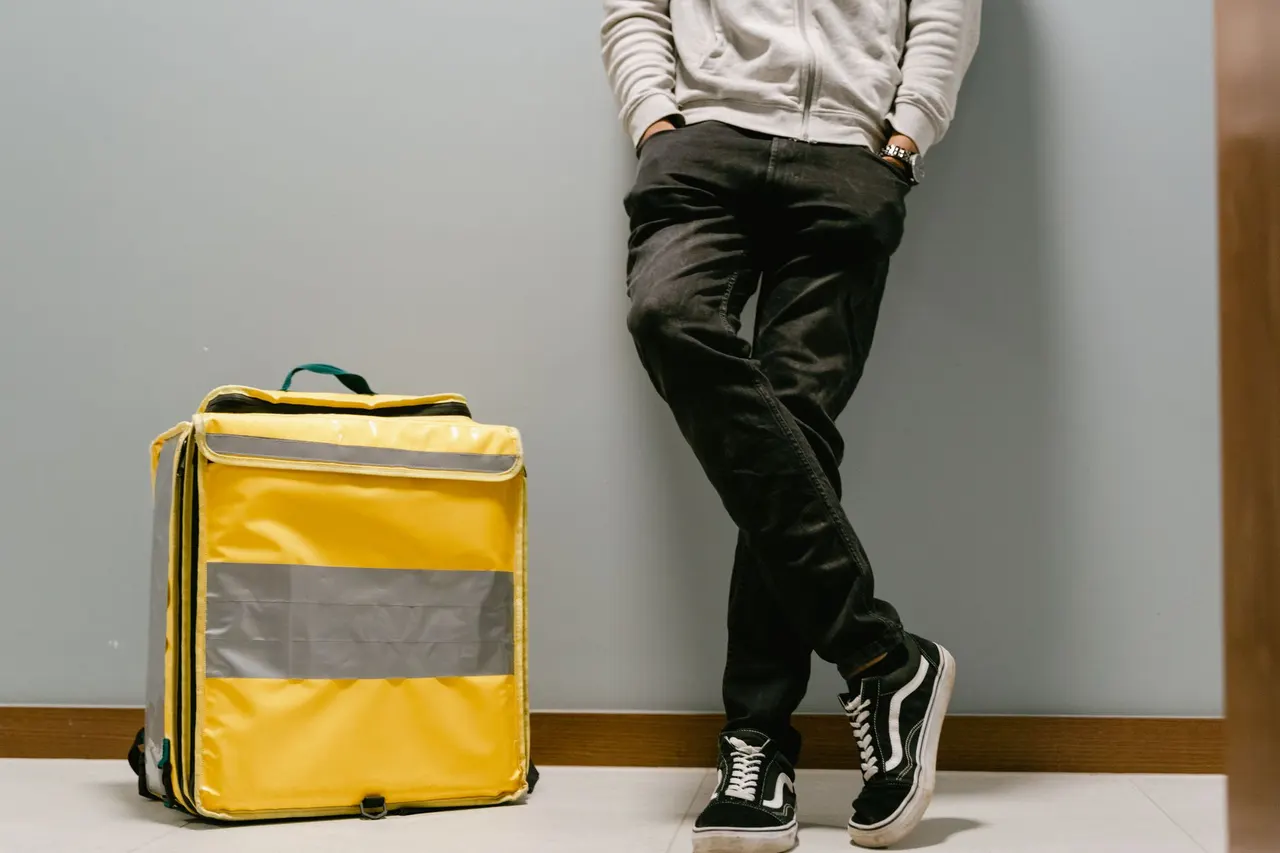
A storm pushes water under the back door of a Fairmount home and soaks the den carpet.
We extract the water, remove wet padding, and treat the subfloor with antimicrobial solution. We set drying equipment and check the walls for moisture migration.
Outcome: The den dries in three days, and we provide photos and logs for your storm damage claim.
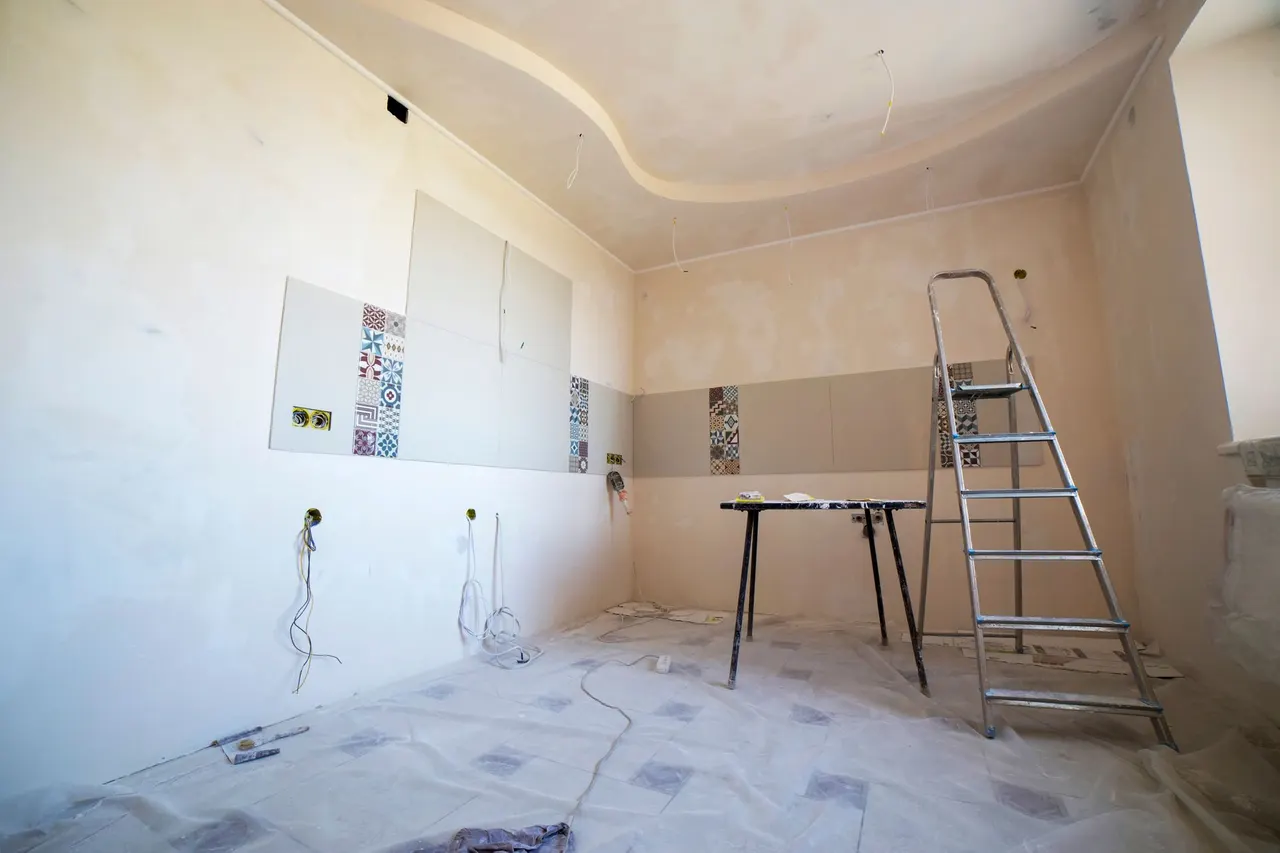
A water heater in the garage fails and sends water into the carpeted utility room.
We extract water from the carpet, pull saturated padding, and dry the subfloor. We also check the garage slab and adjacent drywall for moisture.
Outcome: The utility room is dry in two days, and you have documentation for your insurance adjuster.
Fort Worth sits in a climate that swings from humid summers to occasional hard freezes. That matters for carpet drying. In summer, high humidity slows evaporation, so we run dehumidifiers longer. In winter, frozen pipes can burst and send water into carpet before you notice.
Older neighborhoods like Fairmount and Near Southside have pier-and-beam foundations and original hardwood subfloors that hold moisture differently than slab-on-grade homes in West 7th. We adjust drying equipment based on what is under the carpet. If you need wet carpet drying Fort Worth Texas after a storm or burst pipe, we bring the right tools for your building type.
We also work with TDLR and Texas Department of Insurance guidelines when documenting claims.
Before: A supply line burst under the kitchen sink overnight and soaked the carpet in two rooms. The padding was saturated, and moisture had reached the baseboards. The homeowner called us at 6 a.m.
After: We extracted 40 gallons of water, removed the wet padding, and set 12 air movers and two dehumidifiers. Readings returned to dry standard in four days. The carpet was saved, and the insurance claim was approved.
Check supply lines under sinks every six months and know where your main shut-off valve is. If you leave for vacation, shut off the main water supply.
Before: A slab leak pushed water up through the carpet in a ground-floor condo. The carpet felt damp, and a musty odor was starting. The homeowner had already called a plumber to stop the leak.
After: We used thermal imaging to map the moisture, extracted from the carpet, and dried the concrete slab and carpet over three days. Moisture readings returned to normal, and the odor was gone.
Watch for warm spots on the floor or unexplained increases in your water bill. Both can signal a slab leak before carpet damage appears.
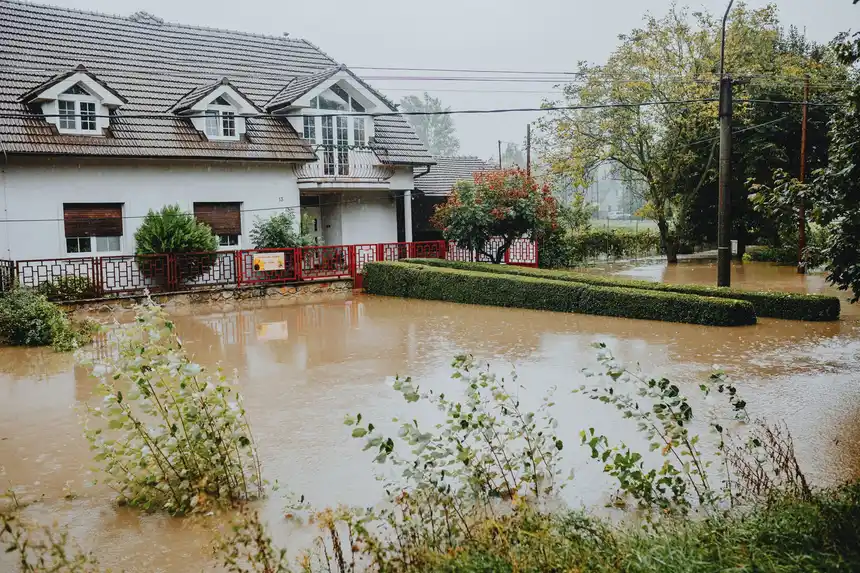
Before: Heavy rain pushed water under the back door and soaked the den carpet. The padding was wet through, and water had reached the base of the drywall. The homeowner needed documentation for a storm claim.
After: We extracted the water, removed the wet padding, and treated the subfloor with antimicrobial solution. Drying took three days. We provided photos and moisture logs that supported the insurance claim.
Keep door sweeps and thresholds in good condition. After a storm, check carpet near doors for dampness and call if you find any.
Water under carpet causes more damage than most homeowners realize. Here are the common problems we fix.
Fast extraction and proper drying save your carpet and subfloor.
Mold can begin colonizing wet carpet padding in 24 to 48 hours. We extract water and set drying equipment the same day, pulling moisture out of the pad and subfloor before spores get a foothold. If you already see dark spots or smell that musty odor, we can add antimicrobial solution during extraction.
Carpet that stays wet too long delaminates and loses its backing. Padding that sits soaked compresses and never recovers. By extracting fast and drying with air movers and dehumidifiers, we save carpet and padding that a slower response would send to the dumpster. Many customers avoid replacement entirely.
Plywood and OSB subfloor swells when water sits on it. Swollen subfloor means squeaks, soft spots, and eventual replacement. We use a moisture meter and infrared thermometer to track subfloor readings daily, so we know exactly when the structure is dry and when it is safe to put furniture back.
We photograph moisture readings, log equipment placement, and write a drying report you can hand to your adjuster. If you need affordable carpet water extraction Fort Worth TX that also supports your claim, we build the file from day one. Most homeowners policies cover sudden water damage from burst pipes or appliance failures.
Clear records you can keep and share.
Daily moisture readings and equipment notes
Before, during, and after photos
Readings across carpet and subfloor
What was done and what remains
Clean water, gray water, and sewage water each require different handling for carpet and padding.
From supply lines, rain, or appliances
From washing machines or dishwashers
From backups or flooding
A list like this tells people straight away whether you cover their street. Not listed? Call and ask: it only takes a minute.
Based in Fort Worth and covering the places around it. Pick one for local details.
Price depends on square footage, how much padding is removed, and how long drying takes. We give you a written estimate before we start, and we bill insurance directly when your claim covers the work.
Fort Worth Restorations handles carpet drying across Tarrant County, including Downtown, Fairmount, West 7th, and Arlington Heights. We are IICRC-trained and carry the extraction and drying equipment on our trucks. Call us and we will schedule a same-day or next-day visit. We can also coordinate with your insurance adjuster if you have a covered claim.
Most wet carpet dries in two to four days with professional air movers and dehumidifiers running continuously. Humidity, carpet thickness, and how long the water sat before extraction all affect timing. We take moisture readings daily and tell you when the carpet and pad are dry. If readings stall, we adjust equipment or recommend pad replacement.
Most homeowners policies cover sudden water damage from burst pipes, appliance failures, and storm-driven rain, which includes carpet extraction and drying. Slow leaks and neglected maintenance are often excluded. We document everything with photos and moisture logs, provide a drying report, and can talk to your adjuster directly to support the claim.
Other services from the same team.
Standing water under your carpet will not wait. Call Fort Worth Restorations and we will schedule a same-day visit, extract the water, and set drying equipment. We document everything for your insurance claim and tell you exactly what to expect.
Call +1 817-270-9150 any time, day or night. We answer, ask a few questions about the source and the rooms affected, and dispatch a crew. If you prefer email, send photos and your address to [email protected] and we will follow up with next steps.