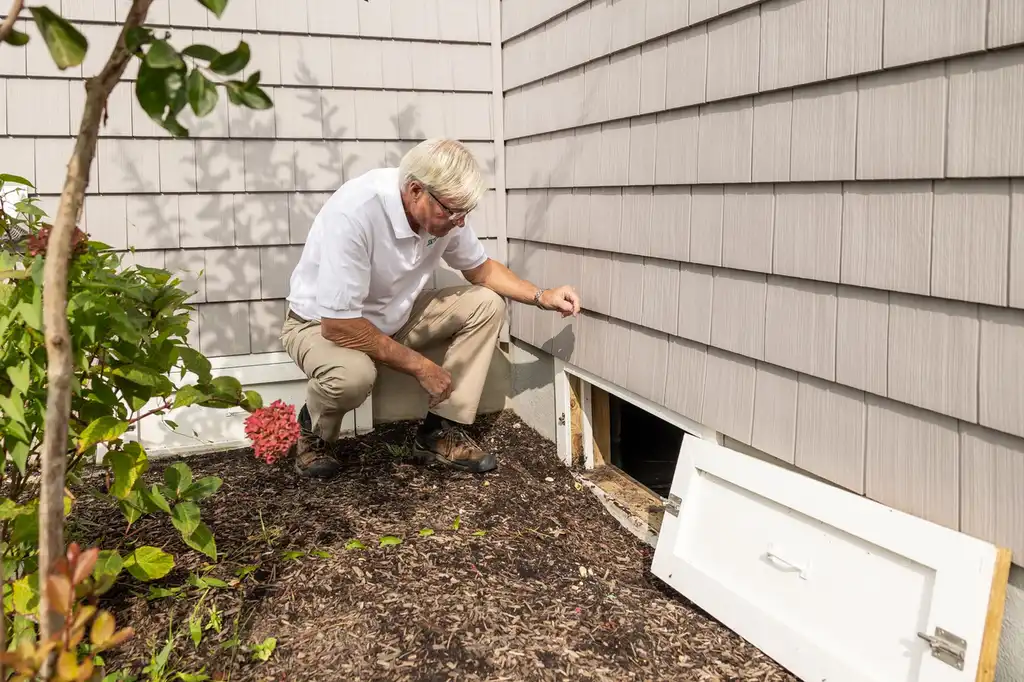
For homeowners
We handle leaks in houses, condos, and rental units. You get a clear plan and daily updates until the job is dry.
- Ceiling stains and drips
- Attic moisture and insulation
- Storm damage to roofs
Ceiling and Roof Leak Repair Fort Worth TX starts with finding the actual source, not just patching the stain. We handle roof leak repair Fort Worth TX for homeowners across Tarrant County, from active drips to hidden moisture behind drywall. If you have a ceiling leak, we stop the water, dry the structure, and fix the damage before mold sets in.
 Moisture mappingThermal scanSame-day repair
Every job starts with a full inspection and ends with a dry, repaired home. Here is what is typically covered. If your situation needs something extra, we explain it upfront before we start.
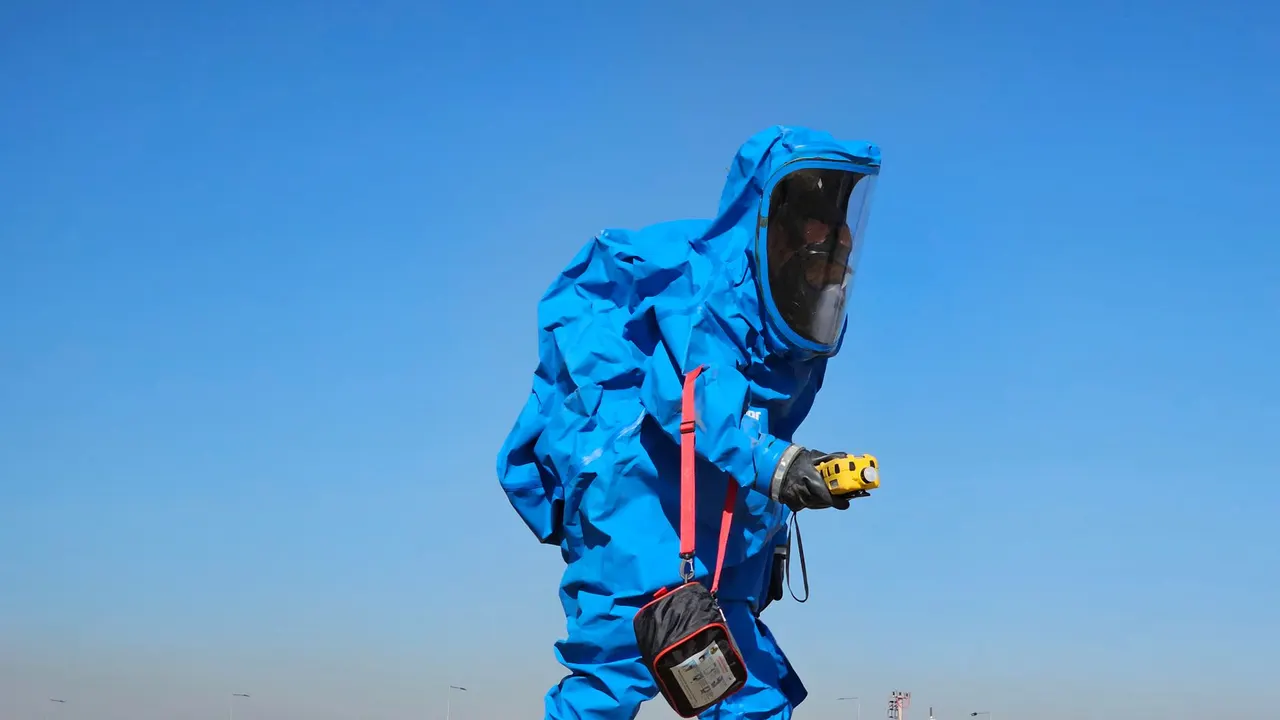
We use moisture meters, thermal imaging cameras, and boroscopes to find the source and map how far water traveled. This step prevents us from fixing the wrong spot.
We repair or replace damaged flashing, pipe boots, shingles, and sealant. The goal is to stop water from entering your home for good.
We remove standing water with a water extraction unit, then set air movers and dehumidifiers. We monitor moisture daily until the structure is dry to IICRC standards.
We cut out wet drywall, replace insulation, treat framing with antimicrobial solution, and install new drywall. We finish with joint compound and paint to match your ceiling.
We photograph the damage, log moisture readings, and prepare a report that works with Xactimate. This helps your adjuster process the claim quickly.
The approach is the same for a home and a business. What changes is the access, the schedule and who needs the paperwork.
We handle leaks in houses, condos, and rental units. You get a clear plan and daily updates until the job is dry.
We work with property managers and business owners to minimize downtime. We schedule around your operating hours and document everything.
A plain-language look at what Ceiling and Roof Leak Repair involves and when it is needed.
See how it worksCeiling and Roof Leak Repair Fort Worth TX is a water damage service that traces roof and ceiling leaks to their source, stops the intrusion, and restores the damaged materials. We use moisture meters and thermal imaging cameras to map exactly where water is traveling. That matters because water rarely drips straight down. It follows rafters, insulation, and joists before it shows up as a ceiling stain. We fix the leak path, not just the visible wet spot.
Fort Worth homes take a beating from hail, high winds, and summer heat that cooks roof flashing until it cracks. After a storm, we see everything from missing shingles to failed pipe boots. If you search for ceiling leak repair near me Fort Worth, you need a team that can handle both the roof side and the interior drying. We do both. One crew, one point of contact, and a clear plan from the first inspection.
A ceiling leak is a symptom. We find and fix the source.

From the first phone call to the final walkthrough, here is exactly how we handle a ceiling or roof leak in Fort Worth.
You call, we ask a few questions to understand the leak, and we schedule a same-day visit. If water is actively pouring, we walk you through shutting off the source or placing a bucket. We give you a realistic arrival window and stick to it.

We inspect the attic, roof deck, and ceiling cavity with a moisture meter, thermal imaging camera, and boroscope. We check insulation, joists, and nearby drywall for hidden moisture. You get a plain-language explanation of what we found and what it will take to fix it.

We extract standing water with a water extraction unit, then set air movers and a dehumidifier to dry the structure. We use a hygrometer to track humidity and adjust equipment daily. Most rooms are dry in three to five days.

We fix the roof leak at the source. That might mean replacing flashing, sealing a pipe boot, or repairing shingles. On the inside, we cut out wet drywall, treat the framing with an antimicrobial solution, and replace insulation. We use joint compound and paint to finish the ceiling.
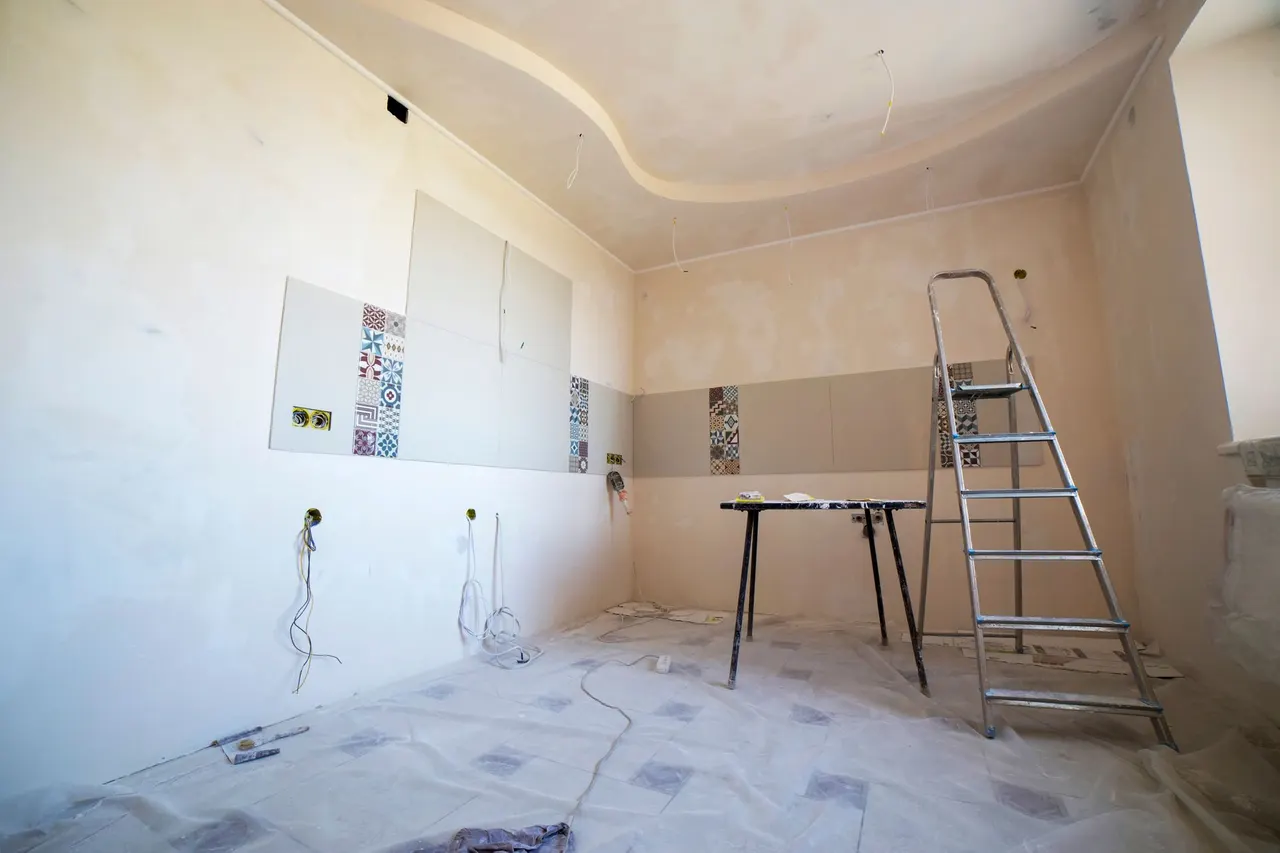
We do a last moisture check, confirm the leak is stopped, and walk you through the finished work. You get photos of the repair and a summary of what was done. If you have an insurance claim, we send the documentation directly to your adjuster.
Move across a circle, or focus it and press Enter, for an illustrative thermal view of the photograph.
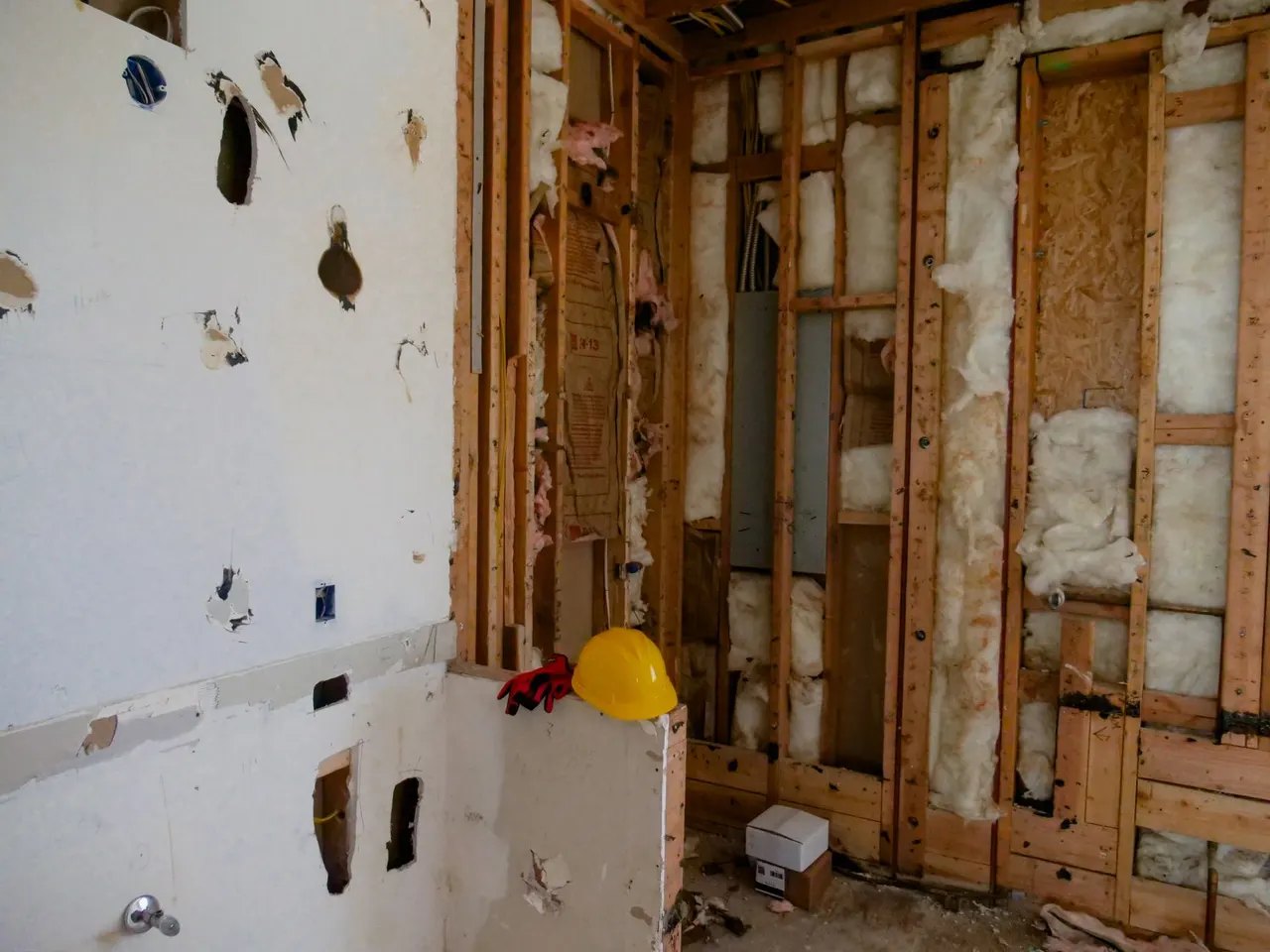
Reveals temperature differences caused by hidden moisture behind drywall and in ceiling cavities.

Measures water content in drywall, wood, and insulation to confirm the extent of the leak.
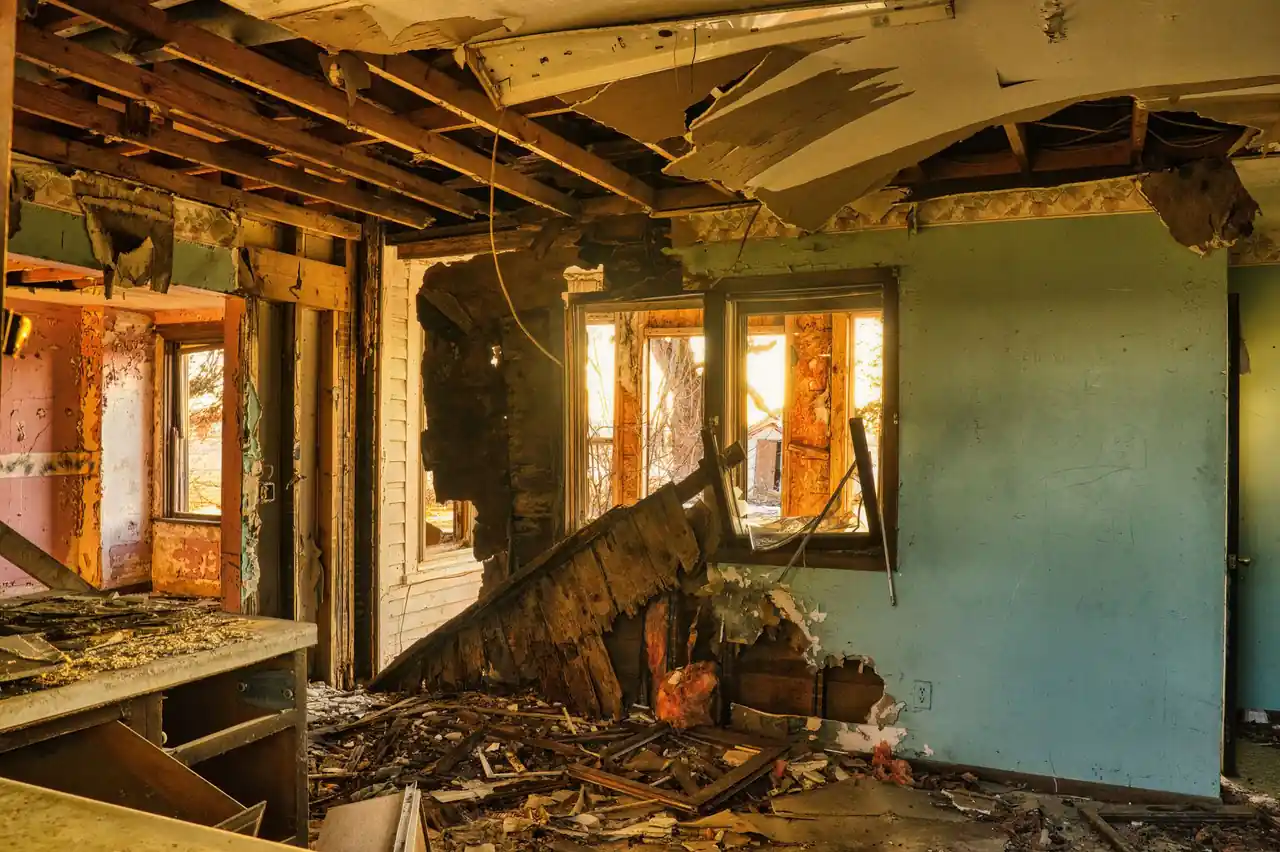
Tracks humidity levels during drying to ensure the structure reaches a dry standard.

Lets us see inside wall cavities and ceiling voids without tearing everything apart.
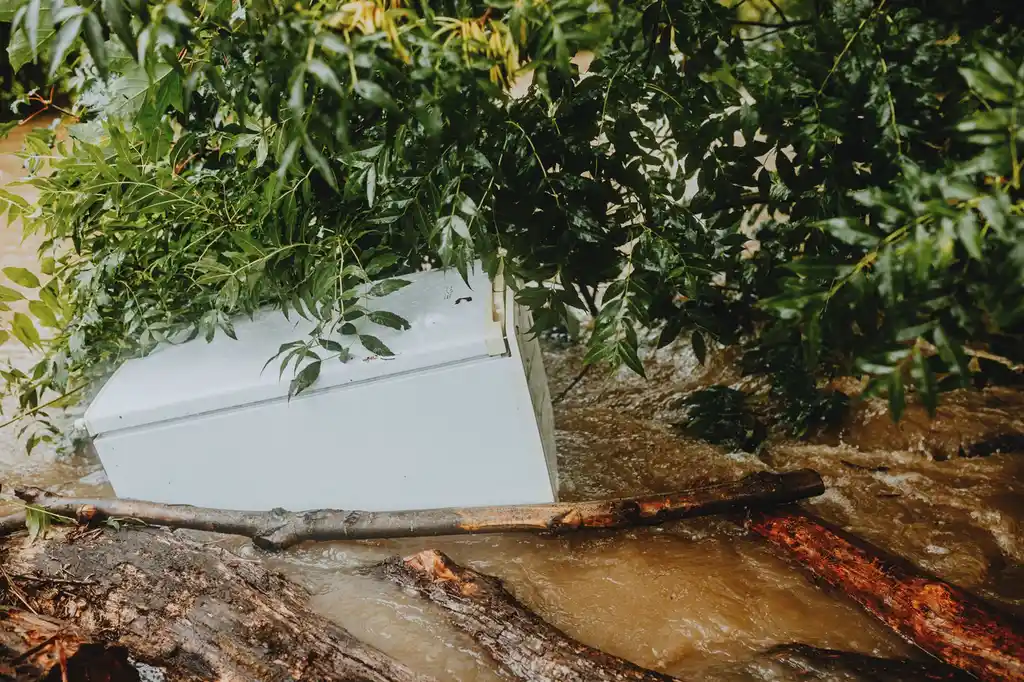
High-velocity air movers speed up evaporation from wet surfaces and cavities.
Thermal views are illustrative, generated from the photographs.
Pulls moisture from the air to dry the structure faster and prevent secondary damage.
Helps us inspect inside pipes and tight spaces to find hidden leaks.
We follow the IICRC S500 standard for water damage restoration, which sets the drying goals and procedures for every job.
We create a map of moisture readings across the affected area. This guides our drying plan and confirms when the job is complete.
We apply an antimicrobial solution to framing and surfaces after extraction to prevent mold growth during the drying process.
We prepare estimates using Xactimate, the same software most insurance adjusters use. This speeds up claim approval.

A hail storm cracked your roof flashing and water is dripping into your living room.
We tarp the roof to stop the water, extract any standing water, and set up drying equipment. Once the storm passes, we repair the flashing and replace wet drywall.
Outcome: Your living room is dry, the roof is repaired, and your ceiling looks new again.
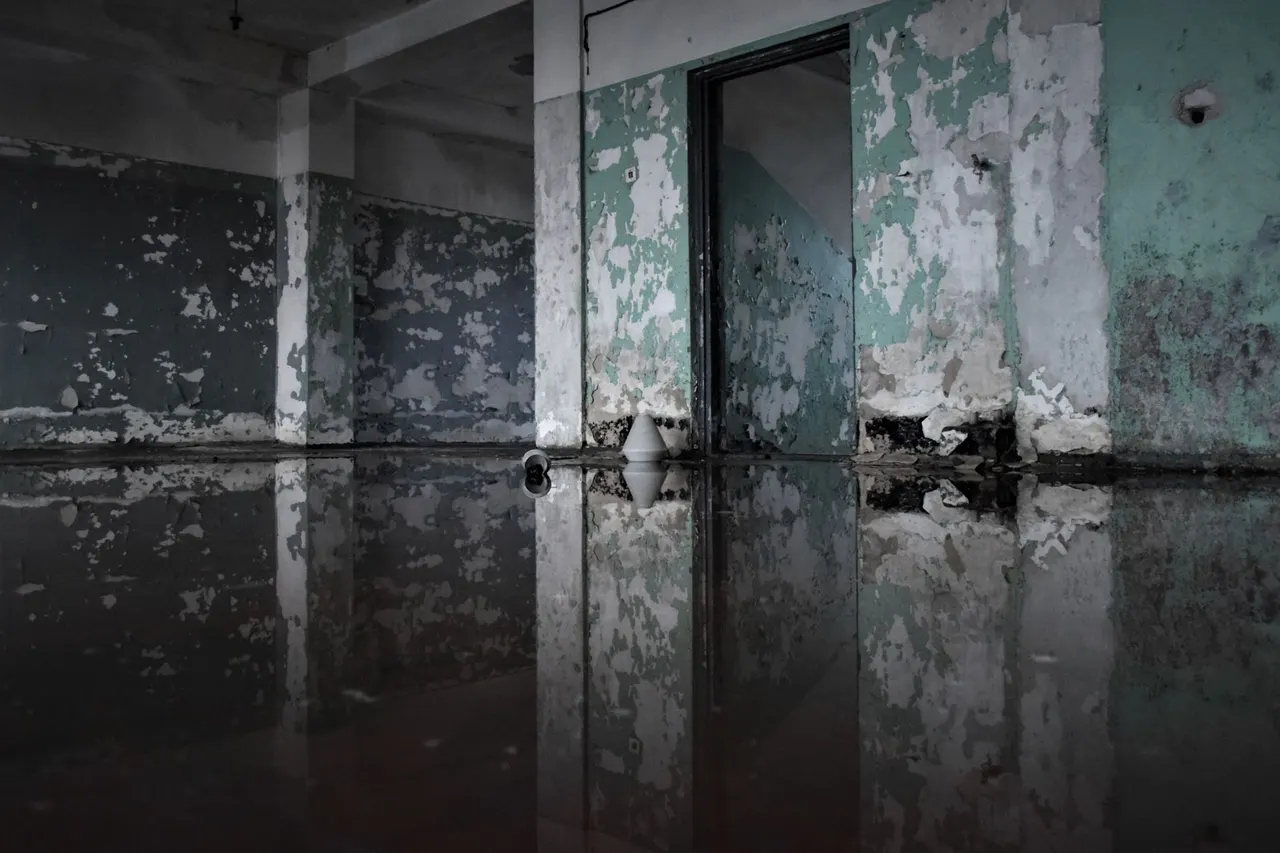
You notice a brown water stain on your ceiling but cannot find the source.
We inspect the attic and roof with thermal imaging and moisture meters. We trace the leak to its source, repair it, and dry the hidden moisture.
Outcome: The stain is fixed, the leak is stopped, and you avoid a mold problem.
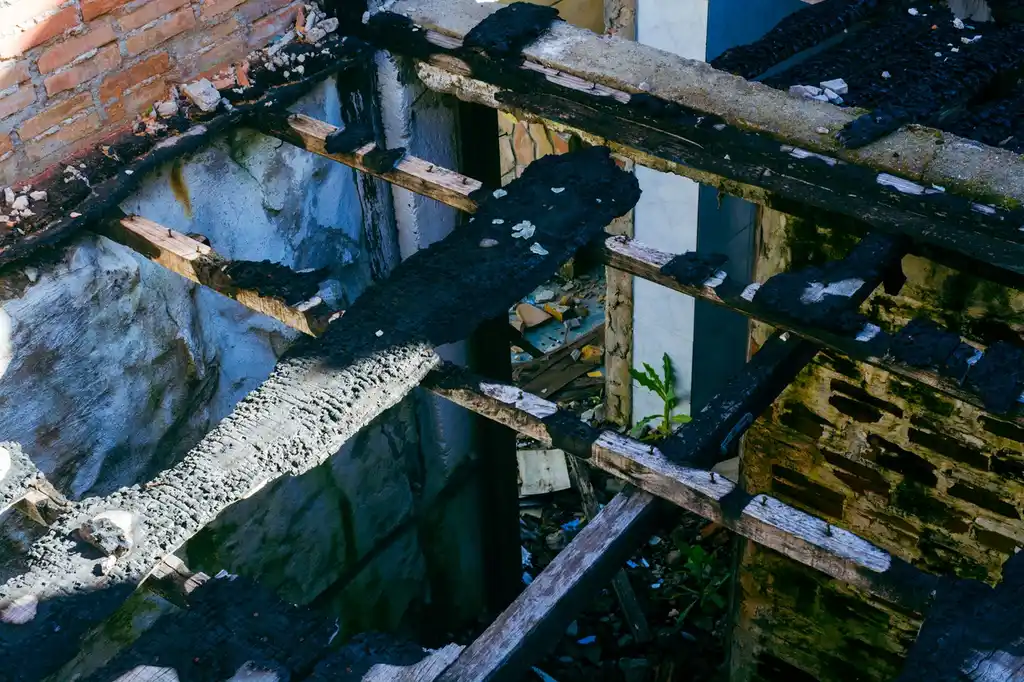
A pipe burst in your attic during a freeze and water is pouring through the ceiling.
We shut off the water, repair the pipe, extract water, and dry the ceiling and insulation. We also check for frozen pipes elsewhere.
Outcome: Your home is dry, the pipe is fixed, and you have documentation for your insurance claim.

You had a roof leak repaired last year, but the ceiling stain is back and smells musty.
We inspect the previous repair, find the missed leak point, and fix it properly. We also test for mold and treat any affected areas.
Outcome: The leak is gone for good, the mold is removed, and your ceiling is restored.
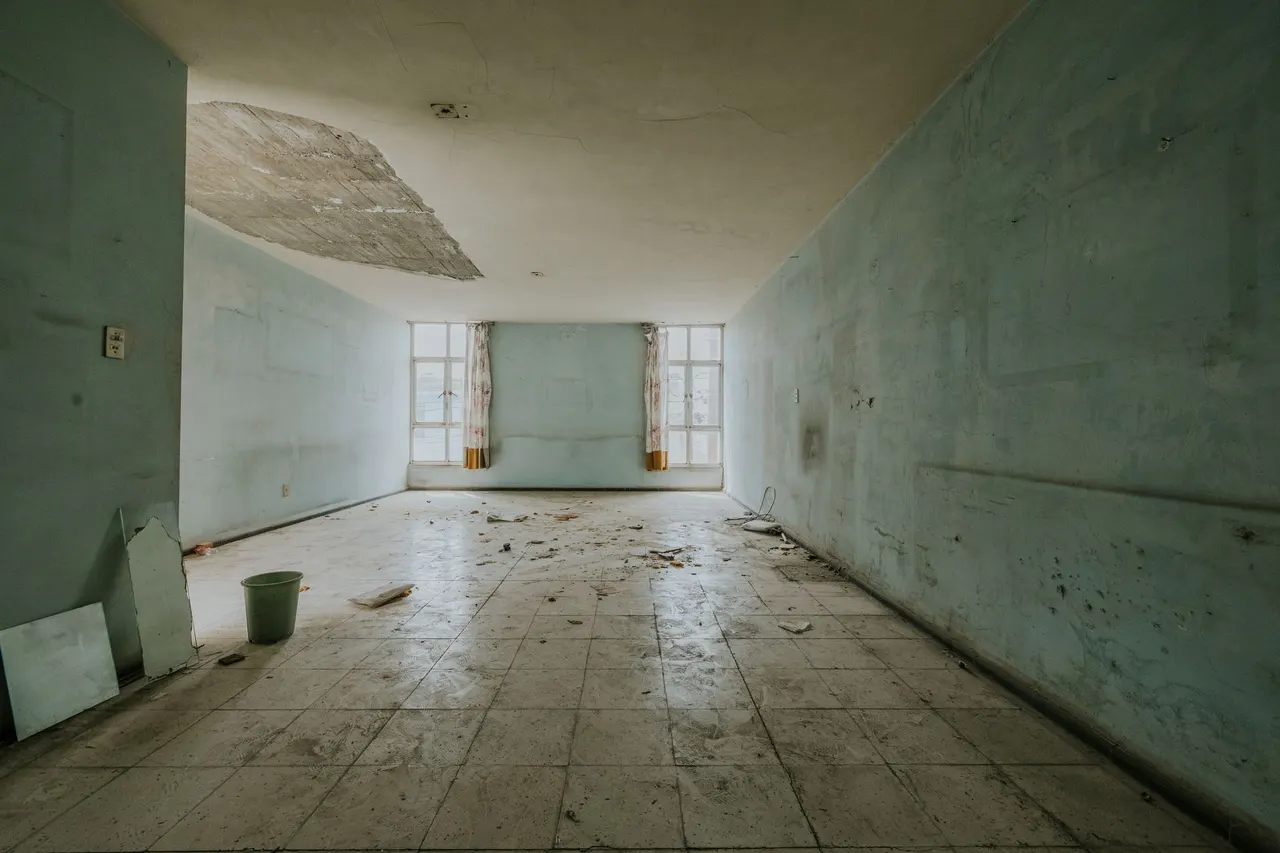
Fort Worth weather drives most of the roof leaks we see. Spring hail storms pound shingles and flashing. Summer heat, often over 100 degrees, bakes sealant until it cracks. Winter freezes can burst pipes in attics, sending water through ceilings. The housing stock matters too. Older homes in Fairmount and Arlington Heights often have pier-and-beam foundations and original roof decks that need careful inspection.
Newer construction in the TCU Area and West 7th may have different flashing details that fail in high winds. We know these local patterns. When you call for emergency roof leak repair Fort Worth TX, we bring the tools to handle both the roof and the interior. We also work with TDLR and Texas Department of Insurance requirements for documentation.
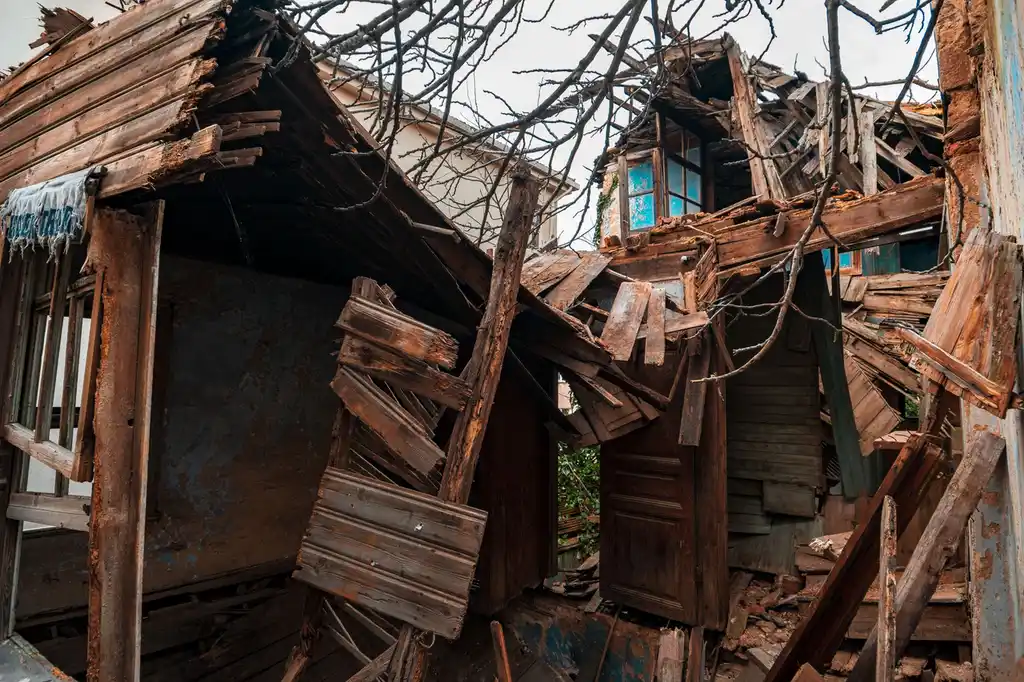
Before: A spring hail storm cracked a pipe boot on a 1970s ranch home. Water dripped through the ceiling in the hallway, staining drywall and soaking insulation. The homeowner called us after noticing the stain spreading.
After: We tarped the roof, replaced the pipe boot, extracted water, and dried the attic. We replaced two square feet of drywall and painted the ceiling. Moisture readings returned to dry standard in four days.
We recommended an annual roof inspection before storm season. Checking pipe boots and flashing each spring prevents small cracks from becoming leaks.
Before: A homeowner noticed a musty smell but no visible water. A moisture meter found elevated readings in the ceiling cavity above the kitchen. The leak came from failed flashing around a chimney.
After: We repaired the flashing, dried the ceiling cavity with air movers and a dehumidifier, and treated the framing with antimicrobial solution. The musty odor was gone within 48 hours.
We suggested checking chimney flashing every fall. A quick sealant touch-up can prevent water from seeping in over winter.
Before: A hard freeze burst a pipe in the attic of a rental property. Water poured through the ceiling into a bedroom, soaking carpet and drywall. The tenant called us at 6 a.m.
After: We shut off the water, repaired the pipe, extracted water from the carpet, and dried the room. We replaced the damaged drywall and carpet padding. The unit was ready for the tenant in five days.
We advised the property manager to insulate attic pipes and keep the heat at 55 degrees or higher during freezes.
A ceiling leak is rarely just a wet spot. Here are the common problems we fix and why they matter.
A dry home and a leak that stays fixed.
We respond to emergency roof leak repair Fort Worth TX calls with a full water extraction unit and drying equipment ready. The sooner we stop the source, the less drywall, insulation, and hardwood flooring you lose. Most active leaks are controlled within the first hour on site.
A moisture meter and thermal imaging camera show us what your eyes cannot. We check ceiling cavities, wall voids, and attic insulation for trapped water. If we find wet spots behind the drywall, we dry them before they turn into mold growth. That saves you a much bigger repair bill later.
We photograph every affected area, log moisture readings, and prepare a report that works with Xactimate. Most Fort Worth homeowners policies cover sudden roof leak damage. Our documentation gives your adjuster the clear evidence needed to process the claim without back-and-forth delays.
We set air movers and dehumidifiers to dry the structure to IICRC standards. Drying typically takes three to five days depending on how long the leak ran. We monitor moisture daily and do not pull equipment until the readings match a dry standard. No guesswork, no lingering dampness.
Clear records you can keep and share.
Images of damage and repair progress.
Daily readings showing drying progress.
A written list of work completed.
Documentation formatted for your adjuster.
Not every ceiling stain means the same thing. Knowing the difference helps you decide how fast to act.
Water is currently entering your home.
A dried mark from a past leak.
Water trapped behind surfaces.
A list like this tells people straight away whether you cover their street. Not listed? Call and ask: it only takes a minute.
Based in Fort Worth and covering the places around it. Pick one for local details.
The final price depends on roof height, access, and how far water traveled. We give you a written estimate before any work begins.
Fort Worth Restorations handles ceiling leak repair near me Fort Worth calls across Tarrant County. We fix the roof leak, dry the ceiling cavity, and repair the drywall. Call us at +1 817-270-9150 for same-day service.
Most homeowners insurance policies in Texas cover sudden roof leak damage, like a storm creating a hole or a pipe boot failing. They usually do not cover damage from long-term neglect. We document everything with photos and moisture readings to support your claim and work directly with your adjuster.
The exterior roof repair usually takes two to four hours. Interior drying takes three to five days with air movers and dehumidifiers. If drywall or insulation needs replacement, add one to two days for repairs and finishing. We give you a clear timeline after the initial inspection.
Other services from the same team.
Call now for same-day service and a written estimate. We handle the roof, the ceiling, and everything in between.
Call +1 817-270-9150 any time, day or night. We answer, ask a few questions about the source and the rooms affected, and dispatch a crew. If you prefer email, send photos and your address to [email protected] and we will follow up with next steps.