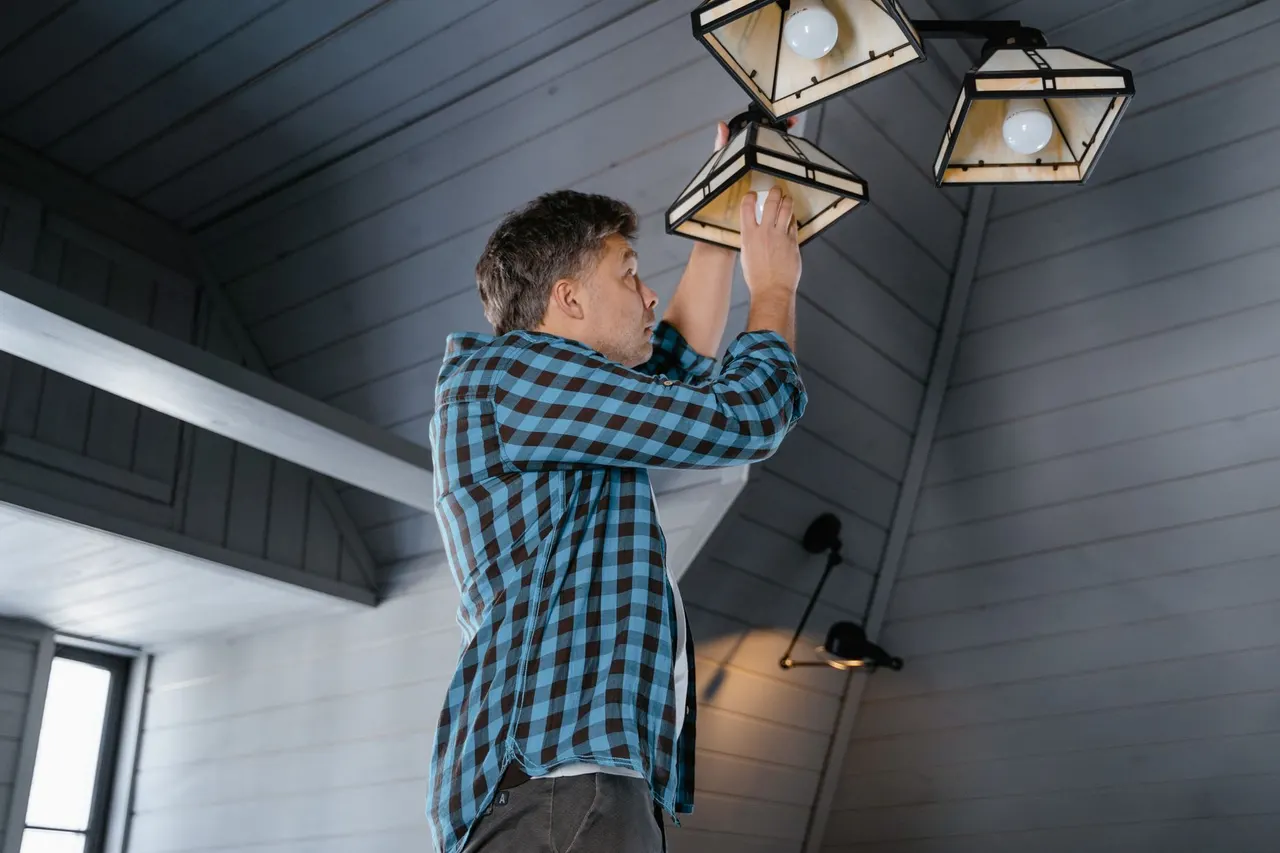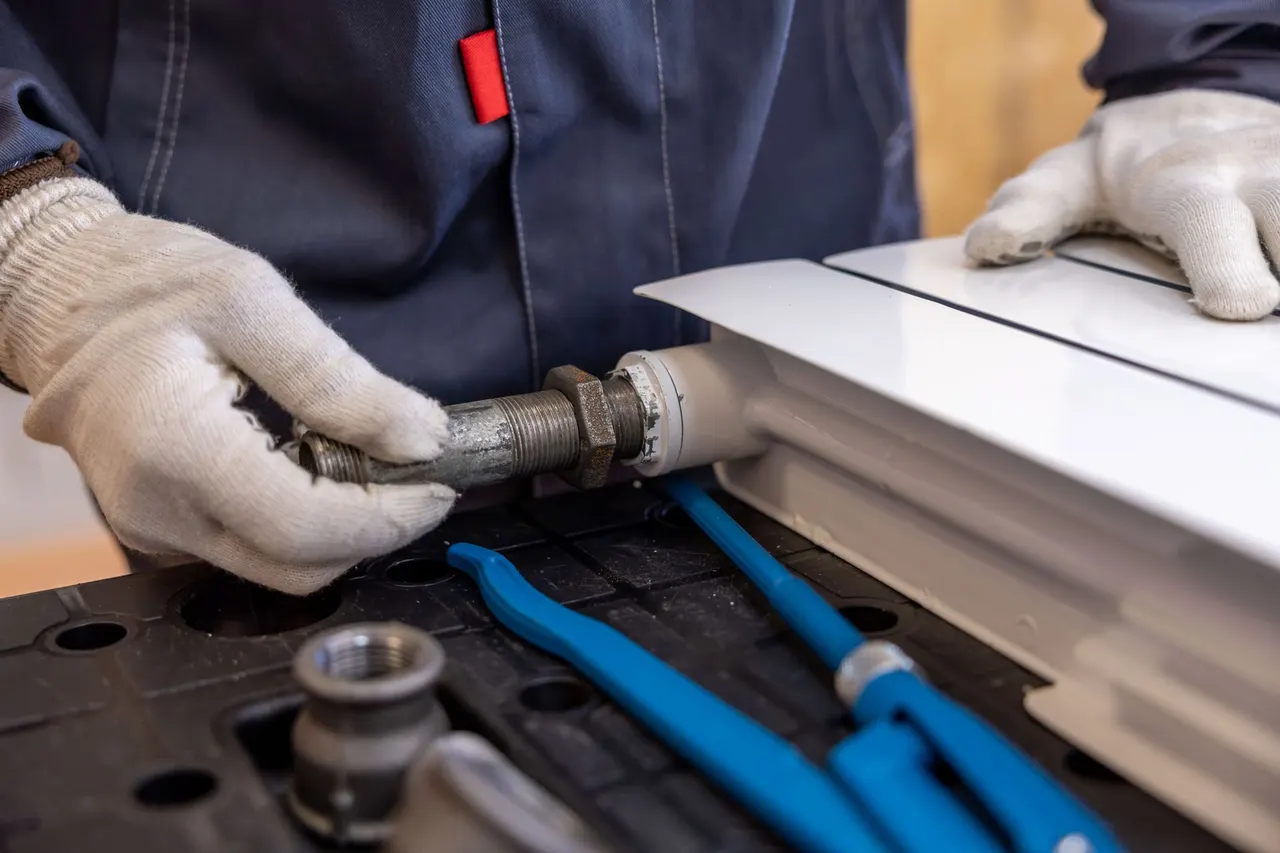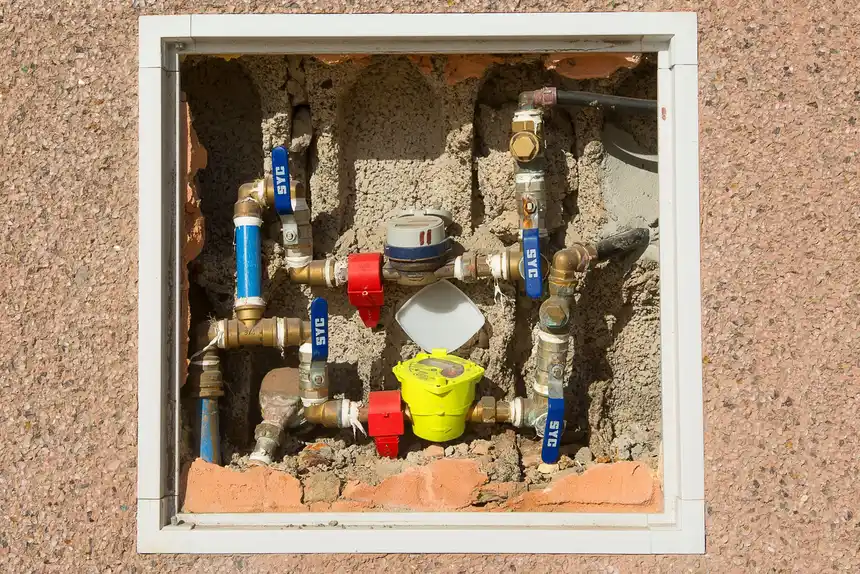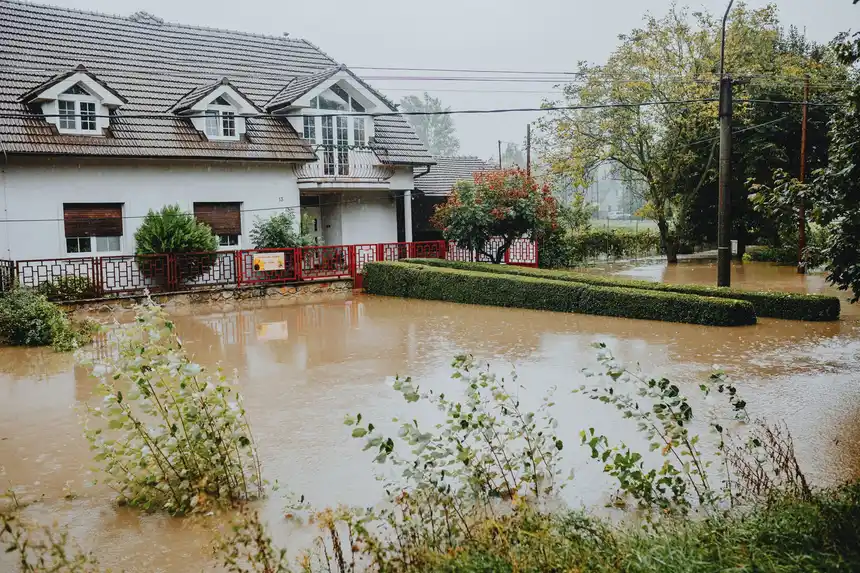
For Homes
Appliance leaks in Fort Worth homes often hide under cabinets and flooring. We find the source, dry the structure, and repair the failed connection.
- Washer hose bursts
- Fridge line drips
- Dishwasher drain fails
When a washer, fridge, or dishwasher lets go, Appliance Leak Water Damage in Fort Worth spreads under cabinets and into flooring within minutes. Fort Worth Restorations sends IICRC-trained technicians to shut off the source, extract standing water, and dry the structure before mold sets in. We handle appliance leak repair in Fort Worth and the cleanup in one visit, so you are not juggling two contractors while your kitchen floor cups.
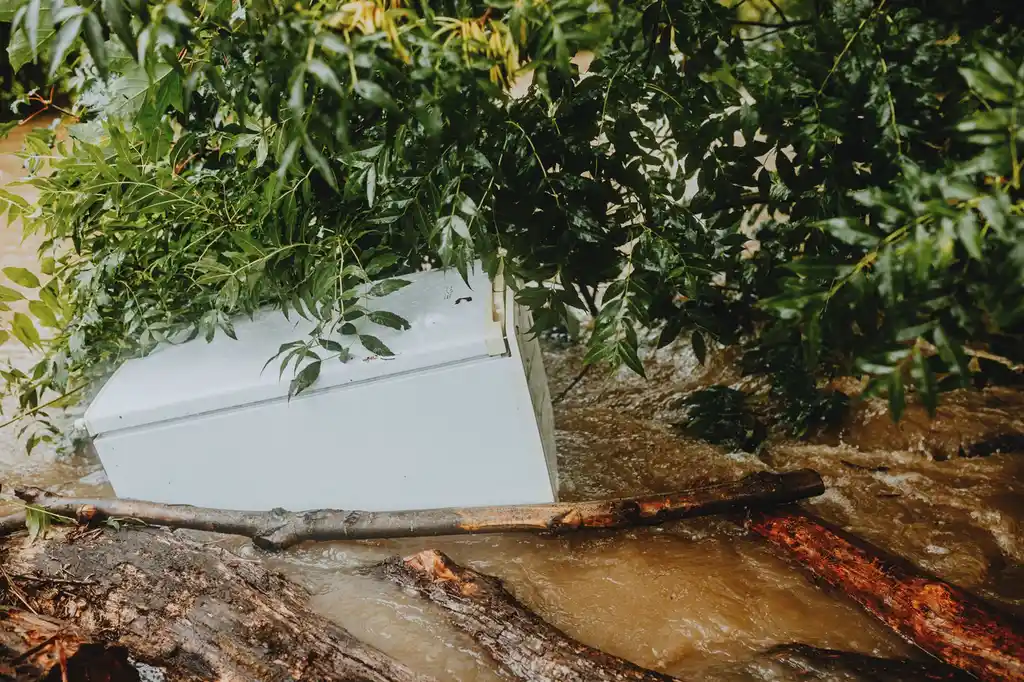 Shut off supplyExtract standing waterMap hidden moisture
Every appliance leak job includes source control, moisture mapping, water extraction, structural drying, and documentation. Appliance repair is included when the failed part is a supply line, drain hose, or valve connection. Cabinet replacement, flooring replacement, and full reconstruction are scoped separately after drying is complete.
We shut off the water, then repair or replace the failed supply line, drain hose, or valve. The line gets pressure-tested before we move on to drying. That stops the leak at the source instead of just cleaning up after it.
A moisture meter, thermal imaging camera, and hygrometer trace how far water traveled behind cabinets, under flooring, and into baseboards. You get a clear map of the affected area before drying equipment is placed.
Truck-mounted and portable water extraction units pull standing water from hard flooring, carpet, and padding. Fast extraction limits how far moisture wicks into subfloor and wall cavities.
Air movers, a dehumidifier, and floor drying mats dry framing, drywall, and hardwood to IICRC dry standard. We check readings daily and adjust equipment placement until materials are dry.
Affected surfaces get an antimicrobial solution to prevent mold growth while materials dry. This matters in Fort Worth humidity, where wet drywall can start growing mold in under 48 hours.
We photograph affected materials, log daily moisture readings, and write an Xactimate-compatible scope. Your adjuster gets the detail needed to process the appliance leak claim without delays.
The approach is the same for a home and a business. What changes is the access, the schedule and who needs the paperwork.
Appliance leaks in Fort Worth homes often hide under cabinets and flooring. We find the source, dry the structure, and repair the failed connection.
Commercial kitchens and laundry rooms leak too, often during service hours. We work around your schedule to dry the space and repair the line.
A plain-language look at what Appliance Leak Water Damage involves and when it is needed.
See how it worksAppliance Leak Water Damage in Fort Worth is the cleanup and drying work that follows a failed supply line, drain hose, or appliance seal inside a home or business. It starts with shutting off the water, then mapping how far moisture traveled through baseboards, drywall, and carpet padding. We use a moisture meter and thermal imaging camera to find hidden saturation behind cabinets and under tile. From there, water extraction units pull standing water, and air movers paired with a dehumidifier bring structural materials back to a safe moisture content.
Fort Worth homes deal with this constantly. Supply lines behind refrigerators crack from heat cycles, and washing machine hoses in older Near Southside bungalows fail after years of hard water. If you search for appliance leak water damage near me Fort Worth at 2 a.m., you need a crew that can be on-site fast, not a call center. We also handle appliance leak repair Fort Worth TX so the source is fixed, not just mopped up. Left alone, a slow leak under a dishwasher can soak a cabinet base and start mold growth in 24 to 48 hours.
Stop the water, measure the spread, dry to standard, repair the source.
Every job follows the same sequence: stop the water, measure the spread, dry the structure, repair the damage, and confirm the numbers. Here is what you can expect from the first phone call to the final walkthrough.
You call, we ask which appliance failed and whether the water is still running. We walk you through shutting the supply valve behind the unit. A crew is dispatched with extraction and drying equipment, and we give you a realistic arrival window based on your part of Tarrant County.
On arrival we inspect the appliance, then map moisture with a moisture meter, thermal imaging camera, and hygrometer. We check baseboards, cabinet toe kicks, and the floor under and around the unit. You get a clear picture of how far the water traveled before we start any drying.

Water extraction units pull standing water from flooring and carpet padding. If the leak is a failed supply line or drain hose, we complete the appliance leak repair Fort Worth TX homeowners need, replacing the line and testing it under pressure. Most repairs take one to two hours.
We set air movers and a dehumidifier to dry drywall, plywood, and framing. Floor drying mats go down on hardwood. We check readings daily and adjust equipment until materials hit dry standard, usually three to five days for a typical Fort Worth appliance leak.
We pull equipment, confirm moisture readings, and walk you through what was dried and what was repaired. You get a drying log and photo report for your records or insurance claim. If any drywall or paint needs finishing, we schedule that as a follow-up.
Move across a circle, or focus it and press Enter, for an illustrative thermal view of the photograph.
Measures moisture content in drywall, wood, and flooring to find hidden saturation and confirm when materials reach dry standard.

Reveals temperature differences behind cabinets and under floors, showing where water traveled without opening walls.
Reads relative humidity in the air so we can track drying progress and adjust dehumidifier settings daily.
Truck-mounted and portable units pull standing water from hard flooring, carpet, and padding quickly to limit wicking.
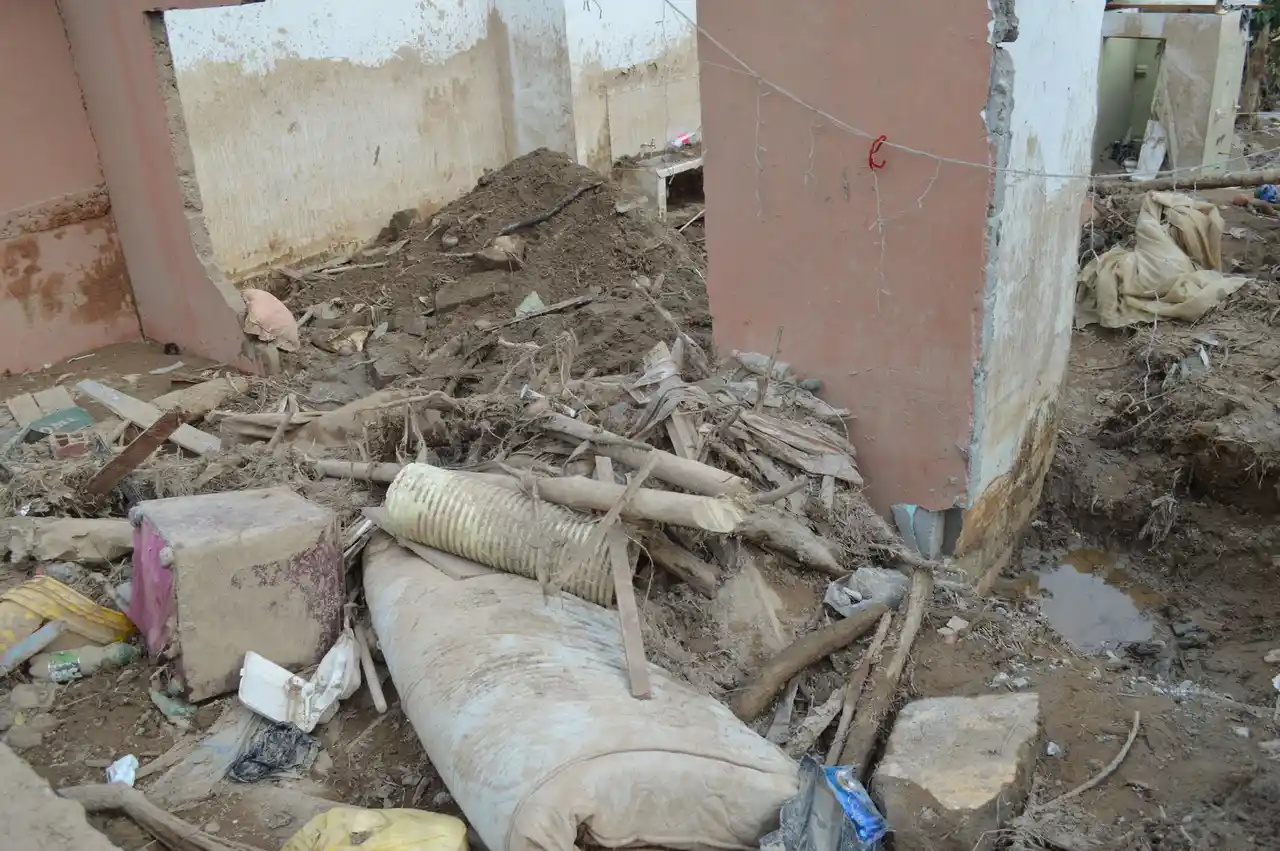
High-velocity fans move air across wet surfaces to speed evaporation from drywall, framing, and flooring.
Thermal views are illustrative, generated from the photographs.
Pulls moisture from the air so wet materials release water faster and mold cannot start during the drying period.
Sits on hardwood to draw moisture out of boards without causing cupping or finish damage.
We follow the IICRC S500 standard for water damage restoration, which sets drying goals based on material type and moisture readings. Every job is documented against those goals before equipment is removed.
We combine thermal imaging with moisture meter readings to build a map of affected materials. That map drives equipment placement and gives your insurance adjuster a clear picture of the loss.
We write scopes in Xactimate format, the industry standard used by most Fort Worth insurance adjusters. That means fewer questions and faster claim processing.
After extraction, affected surfaces get an antimicrobial solution to prevent mold growth during drying. This is standard on every appliance leak job in Fort Worth humidity.
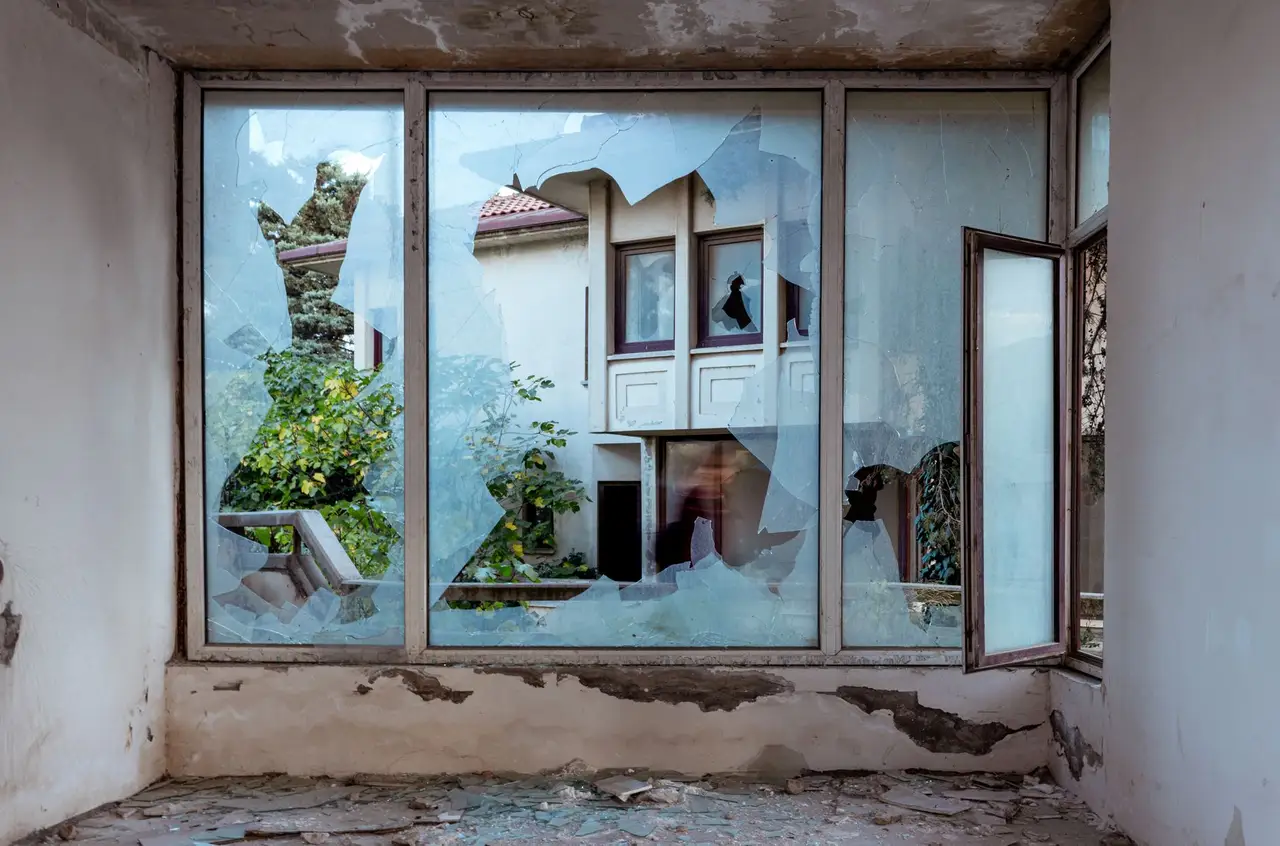
A washing machine hose bursts in a Fairmount bungalow on a Sunday night and water runs into the hallway.
We dispatch the closest crew, shut off the supply, extract water from the hallway and laundry room, and replace the burst hose. Air movers and a dehumidifier dry the hardwood and baseboards over four days.
Outcome: The floor is dry to standard, the hose is replaced, and the homeowner has documentation for an insurance claim.
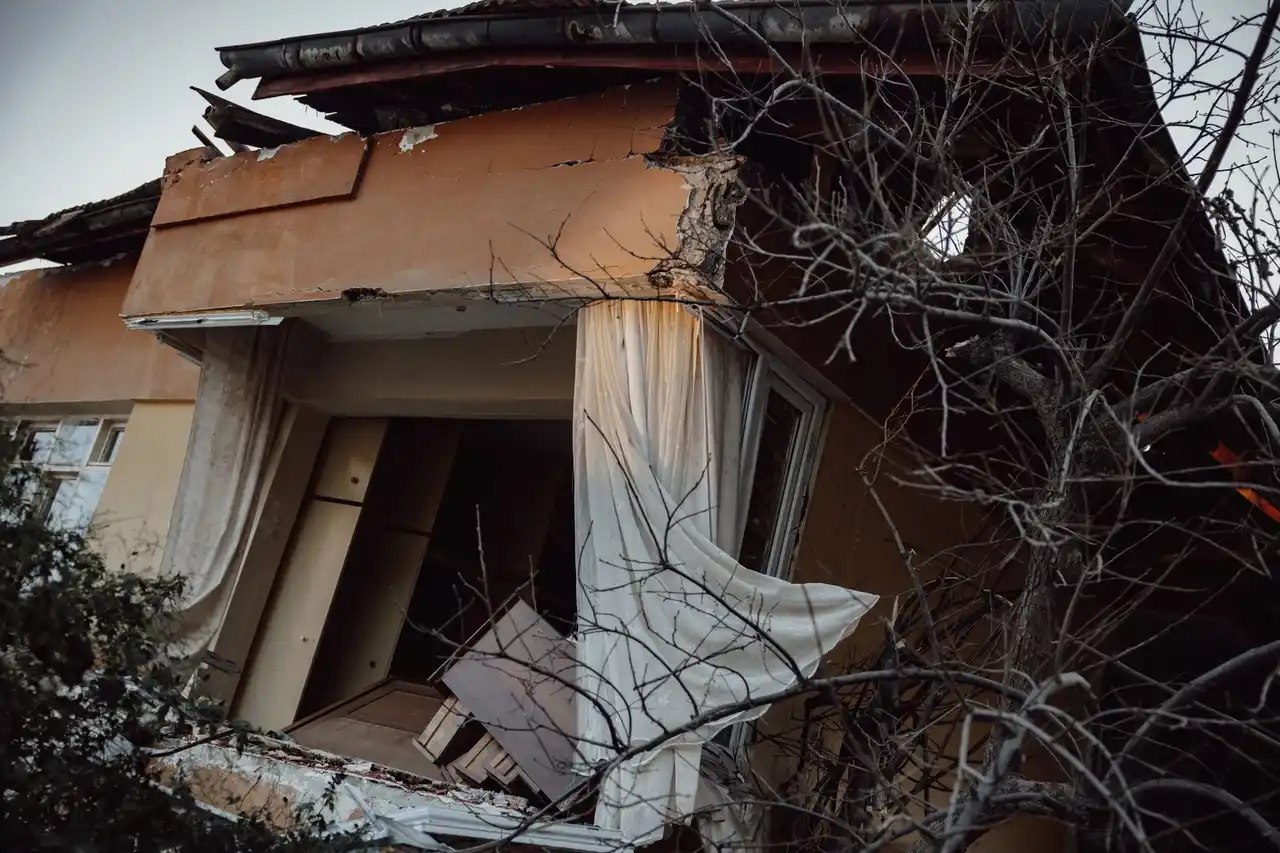
A refrigerator line drips behind the cabinet in a West 7th condo and the cabinet base is soft.
Thermal imaging confirms saturation behind the cabinet. We repair the line, dry the cabinet base and drywall, and treat with antimicrobial solution. Damaged drywall is cut out and replaced.
Outcome: The cabinet base is solid again, the wall is dry, and no mold growth appears in follow-up checks.

A dishwasher leak floods two units in a Near Southside apartment building.
We dry both units simultaneously, coordinate with tenants, and write separate Xactimate scopes for each insurance claim. The failed drain hose is replaced and tested.
Outcome: Both units are dry within five days, tenants are back to normal, and the property manager has clean claim documentation.
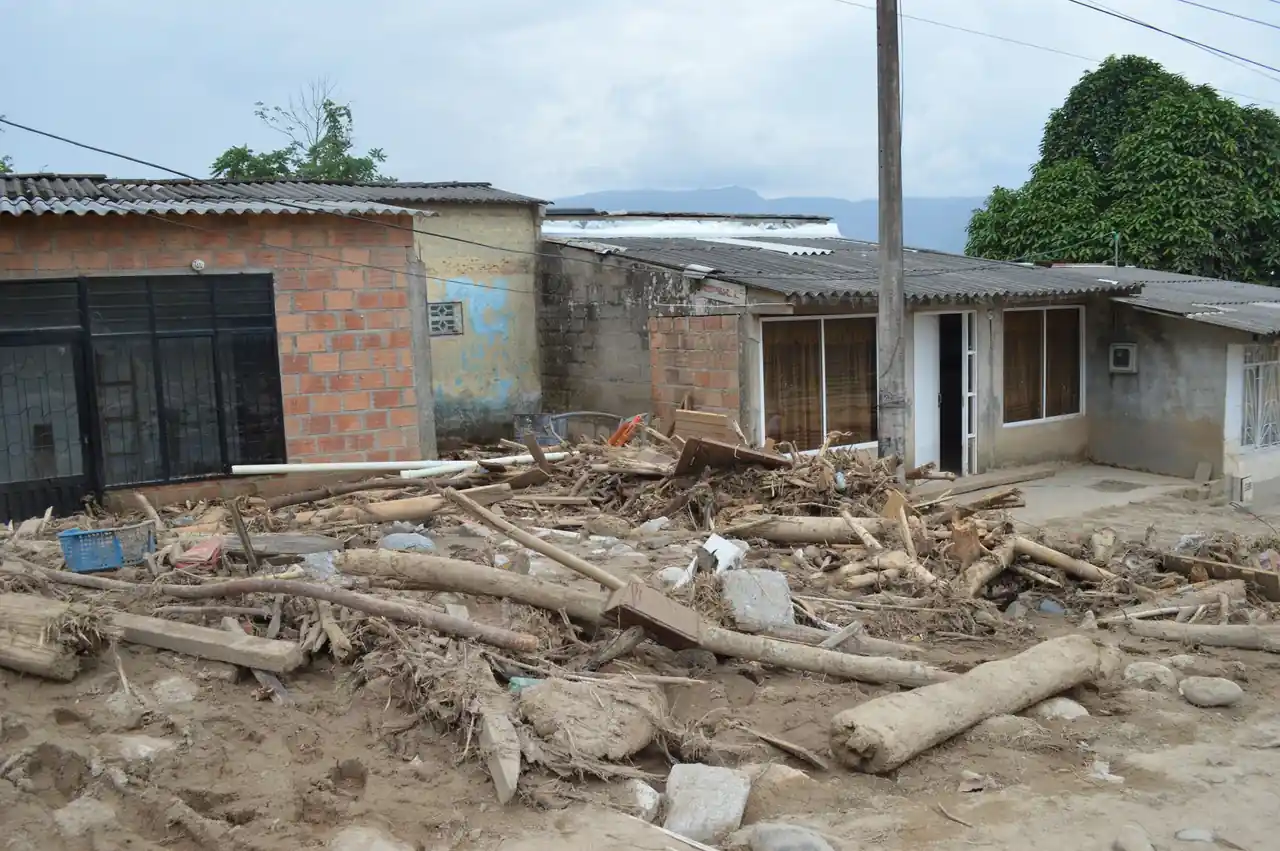
A commercial dishwasher line fails in a Cultural District restaurant during dinner service.
We work after closing, extract water from the kitchen floor, dry the subfloor and wall cavity, and replace the failed line. Equipment is placed to dry overnight without blocking the kitchen.
Outcome: The restaurant opens the next morning with a dry kitchen floor and a repaired dishwasher connection.
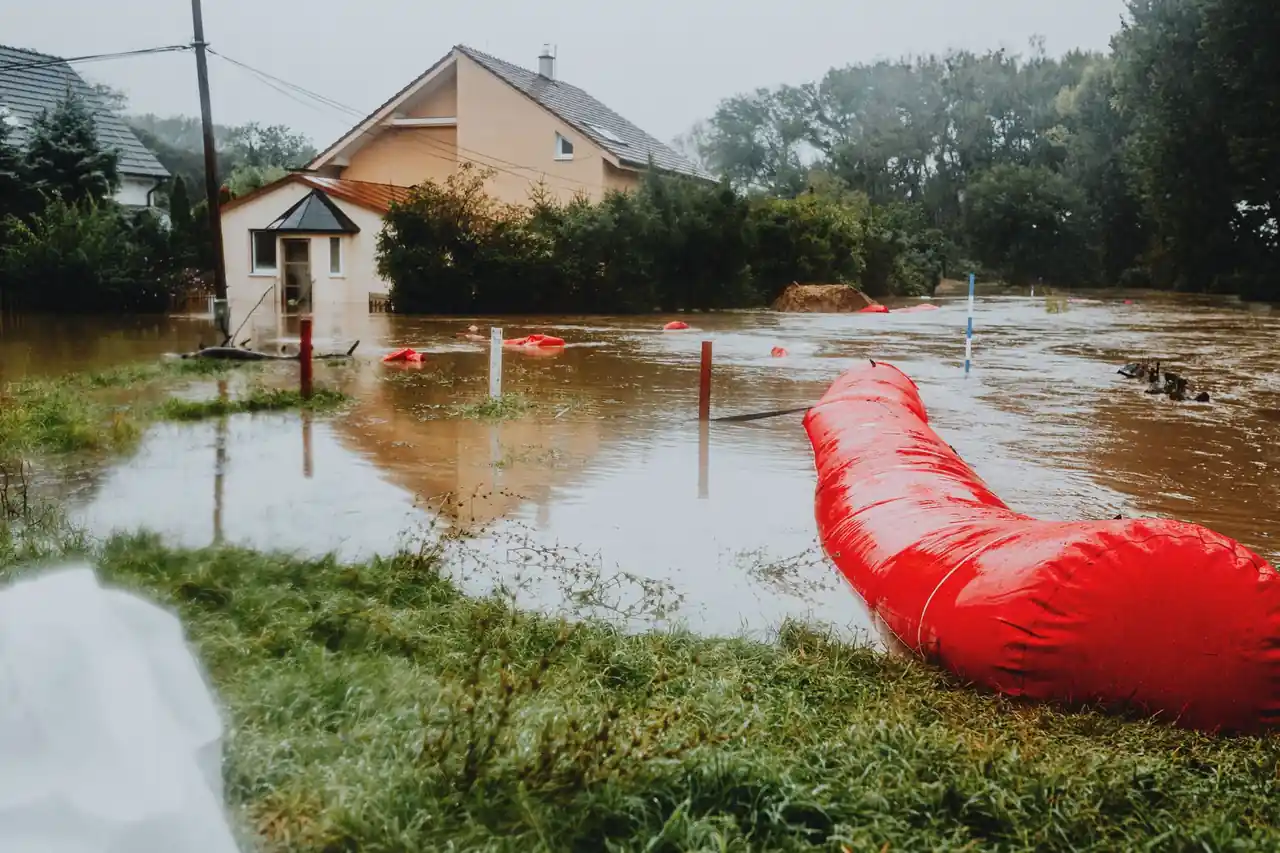
A homeowner in the TCU Area notices a musty smell weeks after a small refrigerator leak.
We inspect with thermal imaging, find mold growth behind the cabinet, contain the area, remove affected materials, and treat with antimicrobial solution. The space is dried and documented.
Outcome: Mold is removed, the cabinet and wall are rebuilt, and the homeowner has a clean, dry space with no odor.
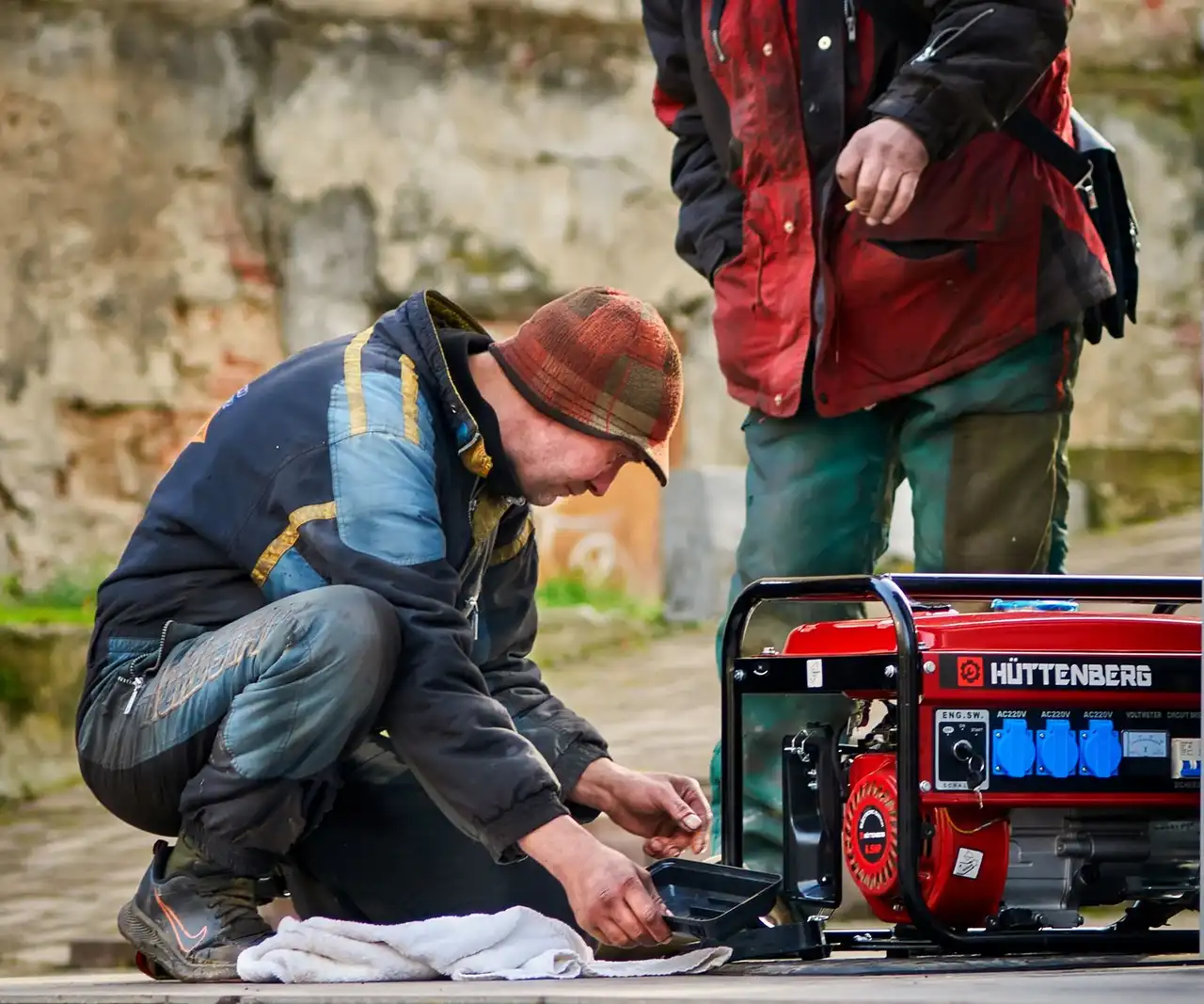
Fort Worth sits in a climate that swings from humid summers to occasional hard freezes, and both stress appliance connections. Supply lines behind refrigerators crack from heat cycles, and washing machine hoses in older homes fail after years of hard water exposure.
In the older bungalows around Fairmount and Near Southside, cast iron drains and original hardwood floors need slower, more controlled drying than newer construction. Slab-on-grade homes in Arlington Heights and the TCU Area trap moisture under cabinets, so we rely on thermal imaging to find saturation that a moisture meter alone might miss.
We follow IICRC S500 drying standards on every job and document readings for Texas Department of Insurance claims. If you need emergency appliance leak water damage Fort Worth TX help, we route the closest crew and give you a real arrival window.
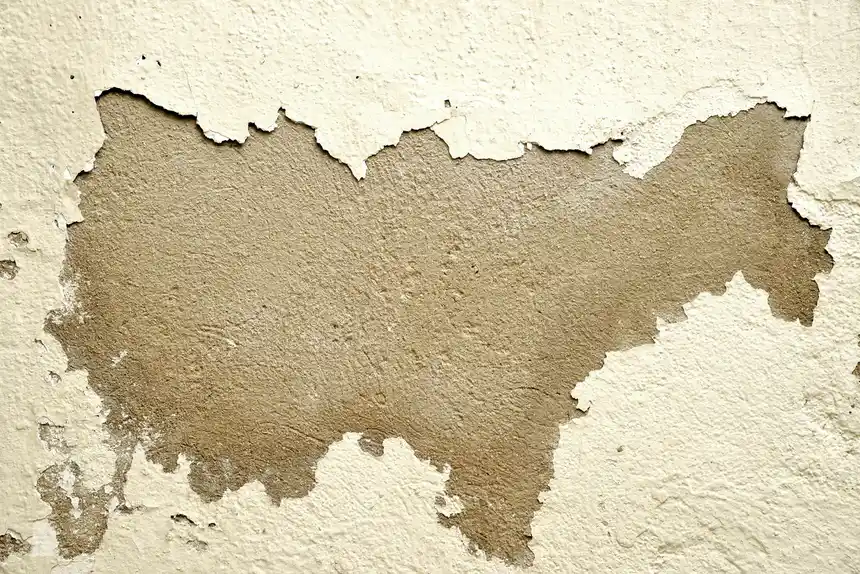
Before: A burst washer hose ran water across a hallway and into two bedrooms. Carpet padding was saturated, baseboards were wet, and the homeowner had no idea how far the water traveled.
After: We extracted standing water, pulled wet padding, and dried the subfloor and baseboards over four days. Moisture readings dropped from saturated to dry standard. The hose was replaced and pressure-tested.
Replace rubber washing machine hoses every five years and use braided stainless steel lines. Check the hose connections twice a year for cracks or bulges.
Before: A slow refrigerator line leak had been dripping behind the cabinet for weeks. The cabinet base was soft, drywall was wet, and a musty smell was starting to develop in the kitchen.
After: Thermal imaging found the hidden saturation. We repaired the line, dried the cabinet base and drywall, and treated with antimicrobial solution. Damaged drywall was cut out and replaced.
Check the ice maker line and saddle valve once a year. Look for water stains or soft spots on the cabinet base under the refrigerator.
Before: A dishwasher drain hose failed under the counter and water pooled beneath the cabinet. The subfloor was wet, and the unit below showed a ceiling stain.
After: We pulled the dishwasher, extracted water, and dried the cabinet cavity and subfloor. The ceiling cavity below was dried and the stained drywall repaired. The drain hose and clamp were replaced.
Inspect the dishwasher drain hose and clamp annually. Run the dishwasher only when someone is home so a leak is caught early.
Most appliance leaks look small on the surface and are much bigger underneath. Here are the problems we see most often in Fort Worth homes and how we solve them.
A dry home, a repaired leak, and documentation for your claim.
We repair the appliance connection and dry the structure in the same visit. That means no waiting on a plumber before drying can start, which matters because mold can begin colonizing wet drywall in under 48 hours. One call covers the leak and the cleanup.
Water wicks sideways under vinyl and hardwood, so the wet spot looks smaller than the actual damage. Our technicians use a moisture meter and thermal imaging camera to trace saturation into baseboards and plywood subfloor. We dry what is wet, not just what is visible.
We document every affected material with photos, moisture readings, and an Xactimate-compatible scope. Most Fort Worth appliance leak claims move faster when the adjuster gets clear drying logs and material lists. We work directly with your carrier so you are not translating between trades.
We take daily hygrometer readings and leave them with you, so you can see the numbers drop from saturated to dry standard.
Clear records you can keep and share.
Daily moisture readings
Before and after images
Xactimate-compatible detail
Line replaced and tested
Not every appliance leak is the same category of water, and that changes how we handle it.
Water from a supply line or ice maker
Water from a dishwasher or washer drain
Water mixed with sewage from a drain line
A list like this tells people straight away whether you cover their street. Not listed? Call and ask: it only takes a minute.
Based in Fort Worth and covering the places around it. Pick one for local details.
A small refrigerator line leak with a wet cabinet base sits at the low end. A washing machine hose that flooded carpet, padding, and baseboards across two rooms lands higher. Appliance repair itself is usually a separate line item. We give you the full breakdown before work starts.
Fort Worth Restorations handles both the appliance leak repair and the water damage cleanup. We replace failed supply lines, drain hoses, and valve connections, then dry the structure in the same visit. That means you are not waiting on a plumber before drying begins. Call +18172709150 and we will route the closest crew to your address in Fort Worth or Tarrant County.
Yes, most Fort Worth homeowners policies cover sudden appliance leak water damage, including extraction, drying, and damaged materials. The key word is sudden. Slow leaks that went unnoticed for months are often excluded. We document moisture readings and photos to show the loss was sudden, and we write Xactimate-compatible scopes that adjusters can process quickly.
Shut the supply valve behind the appliance first. For a washing machine, that is usually a pair of valves in the wall box. For a refrigerator or dishwasher, pull the unit out and close the saddle valve or angle stop. Then call us. If the valve is seized or broken, shut off the main at the street or at the interior shutoff and we will handle the rest when we arrive.
Other services from the same team.
One call covers the leak repair, water extraction, and structural drying. We document everything for your insurance claim and leave the space dry to standard. Call Fort Worth Restorations at +18172709150 and we will dispatch the closest crew.
Call +1 817-270-9150 any time, day or night. We answer, ask a few questions about the source and the rooms affected, and dispatch a crew. If you prefer email, send photos and your address to [email protected] and we will follow up with next steps.