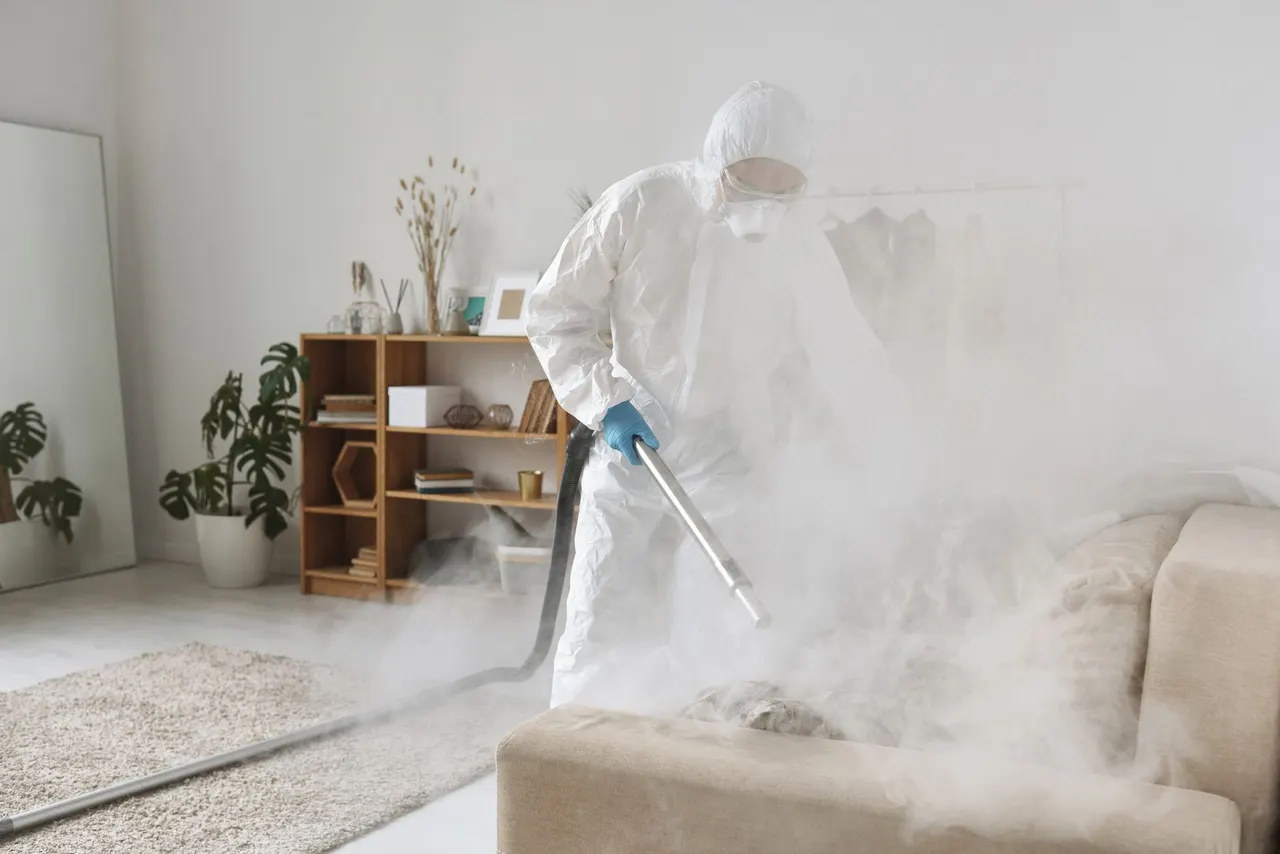
For Homeowners
A slab leak under your home can soak flooring and drywall before you see a drop. We find it, fix it, and dry the space so your house goes back to normal.
- Warm spot on the floor
- Water bill jumped
- Running water sound
Slab Leak Detection and Repair Fort Worth TX starts with finding the exact break under your foundation before it ruins flooring, drywall, or air quality. We handle everything from emergency slab leak repair Fort Worth TX to permanent pipe fixes and structural drying. If your water bill jumped or a warm spot appeared on the floor, call us now.
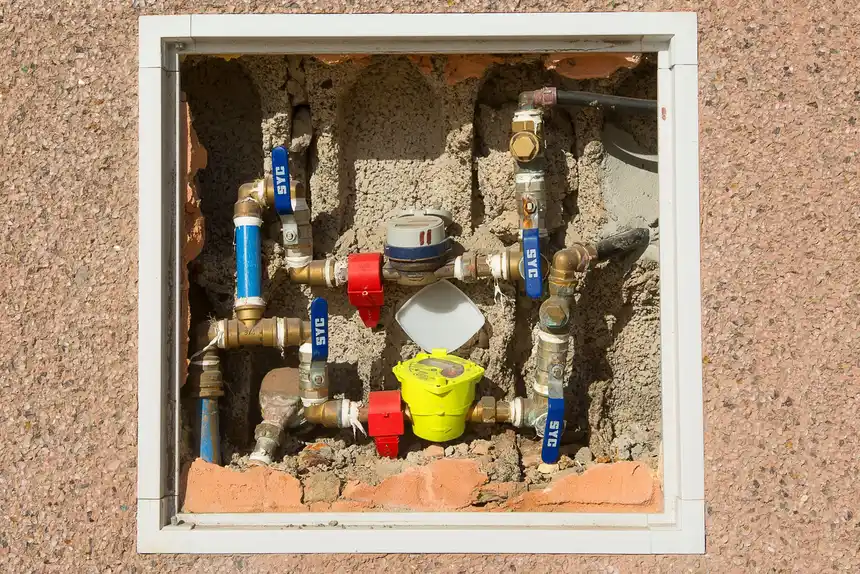 Pressure testThermal scanMoisture map
Every slab leak job is different, but most include the same core steps. Here is what we handle in-house versus what depends on your home's layout and the leak location.

We pressurize the system, walk the slab with a thermal imaging camera, and listen with acoustic discs. You get a marked location and a written summary before any concrete opens.
We either tunnel to the break and replace the section or reroute the line overhead through the attic. Both options are quoted upfront so you can choose based on cost and downtime.
After the repair, we cap the line, pressurize it, and hold the gauge for an hour. If it drops, we keep working. You see the final reading before we close the access point.
We map moisture with a hygrometer and moisture meter, then set air movers and a dehumidifier. Daily readings are logged until the structure meets a dry standard.
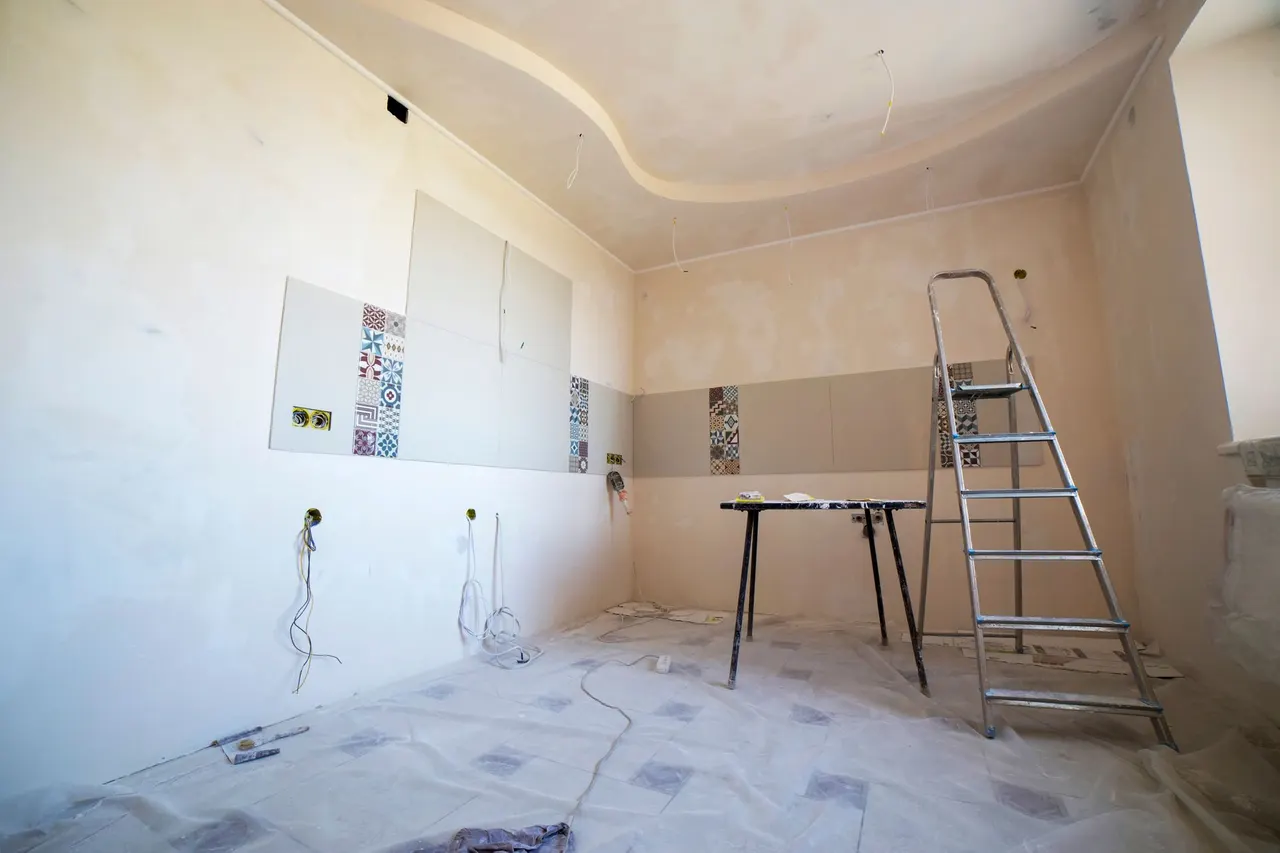
Once dry, we replace drywall, apply joint compound, texture, and paint. The repaired area blends with the rest of the room so you cannot tell where we worked.
The approach is the same for a home and a business. What changes is the access, the schedule and who needs the paperwork.
A slab leak under your home can soak flooring and drywall before you see a drop. We find it, fix it, and dry the space so your house goes back to normal.
A slab leak in a commercial space can shut down operations and affect tenants below. We work around your hours to detect, repair, and dry with minimal disruption.
A plain-language look at what Slab Leak Detection and Repair involves and when it is needed.
See how it worksSlab Leak Detection and Repair Fort Worth TX is the process of pinpointing a broken water or drain line beneath your concrete foundation, then repairing it without tearing up the whole house. We use acoustic listening discs, thermal imaging cameras, and moisture meters to isolate the leak to within a few inches. Once located, we either reroute the line overhead or tunnel to the break and replace the damaged section. Every job ends with a pressure test and a drying plan.
Fort Worth homes sit on expansive clay soil that shifts with every wet and dry cycle, and that movement cracks copper and PVC lines under the slab. Older neighborhoods like Fairmount and Arlington Heights see this constantly. If you search for slab leak detection near me Fort Worth, you want a crew that understands local soil, local plumbing codes, and how to keep the repair from turning into a full repipe. We do exactly that.
A slab leak is found by pressure testing and thermal imaging, then repaired by tunnel or reroute.
No guesswork, no unnecessary demolition. Here is exactly what happens from the first call to the final walkthrough.
We ask what you are seeing: warm floor spots, a running meter, the sound of water under tile. That tells us whether to treat it as an emergency or schedule a standard diagnostic. You get a two-hour arrival window, not a vague all-day promise.
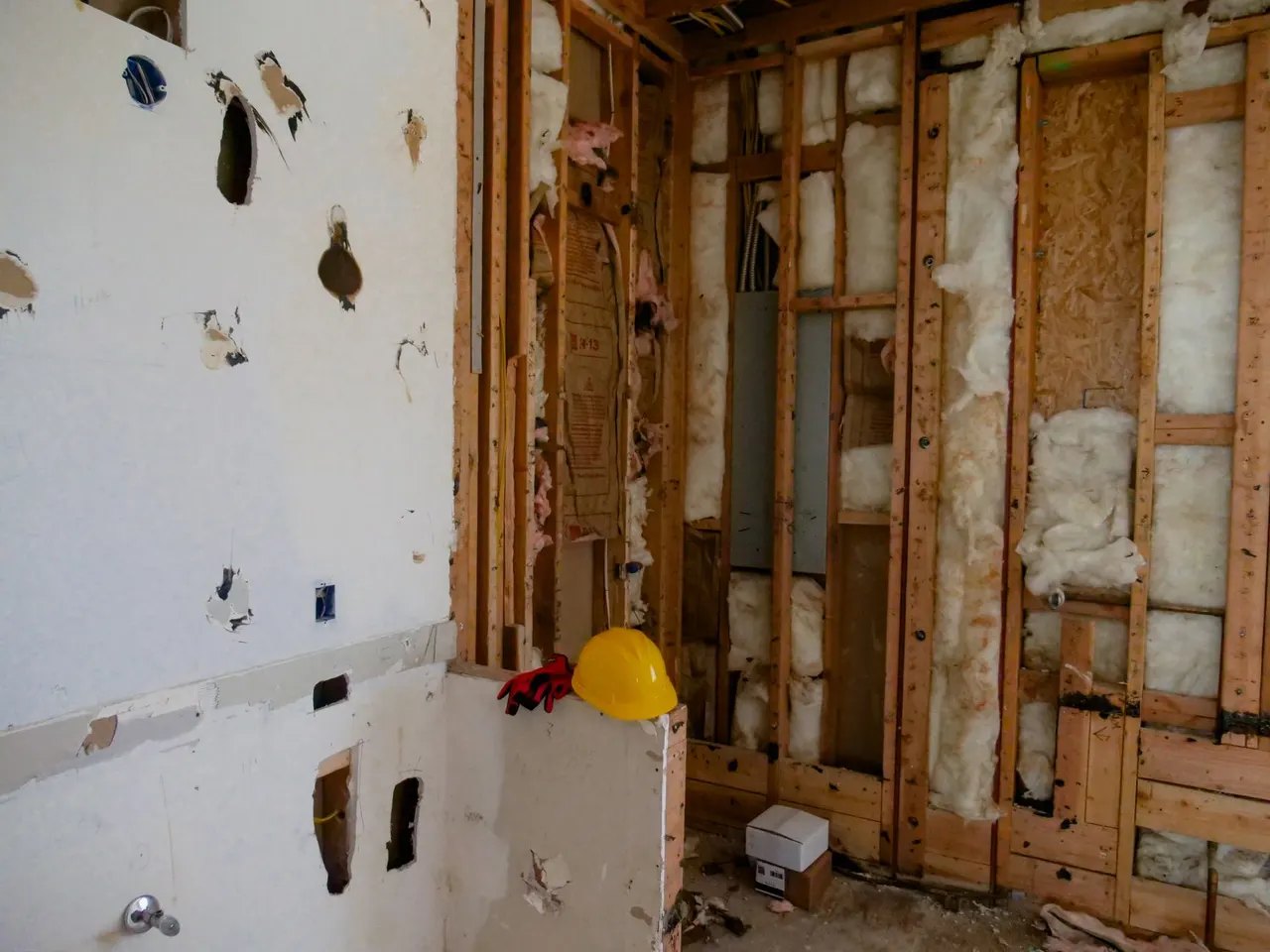
A technician walks the slab with a thermal imaging camera and an acoustic listening device. We pressurize the system, watch the gauge, and isolate the hot or cold line. Most detections take 45 to 90 minutes and end with a marked spot on the floor.

You get two clear choices: tunnel under the slab to replace the damaged section, or reroute the line through the attic and walls. We explain cost, downtime, and which option suits your home's layout. You pick, we schedule.
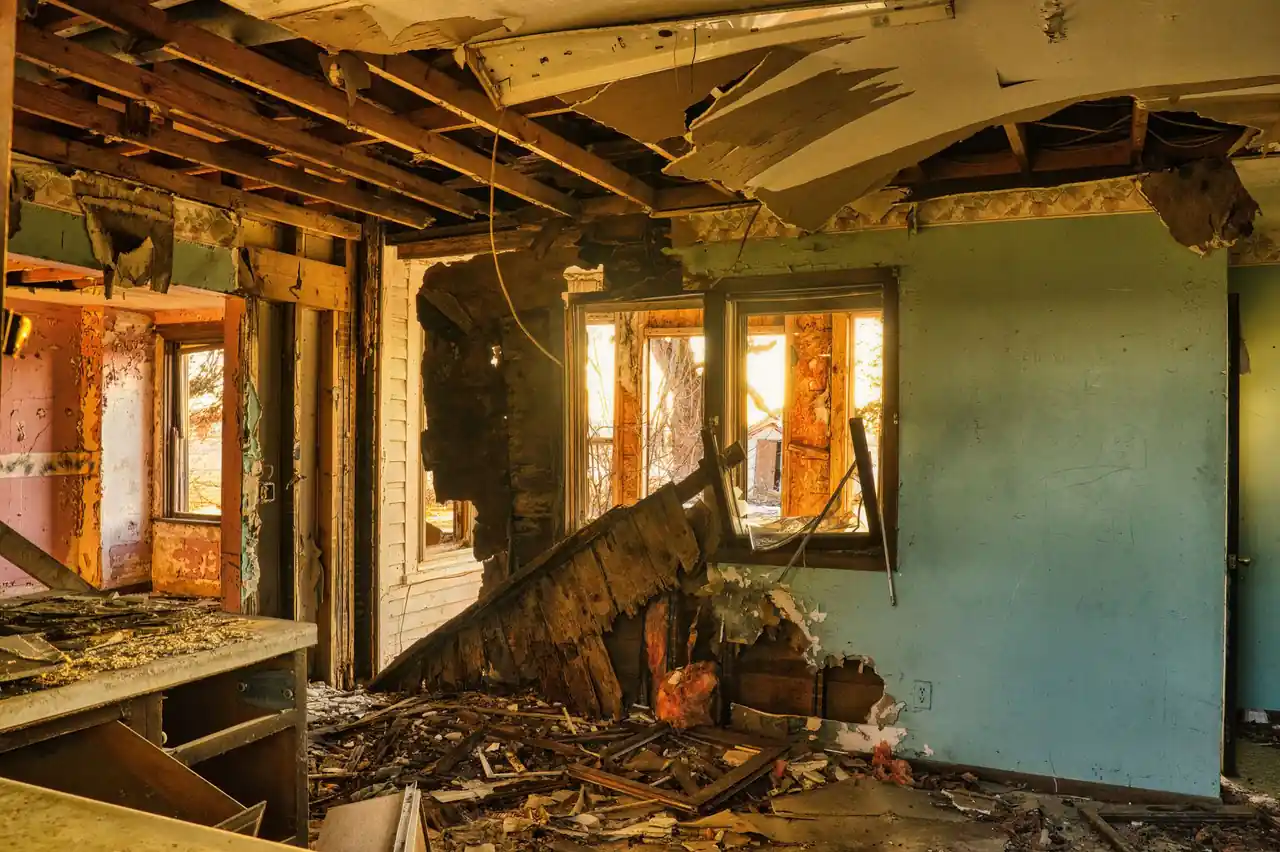
We cut a small access point, replace the failed copper or PVC, and solder or glue the new section to code. Then we cap the line, pressurize it, and hold the gauge for an hour. If it moves, we keep working until it holds.
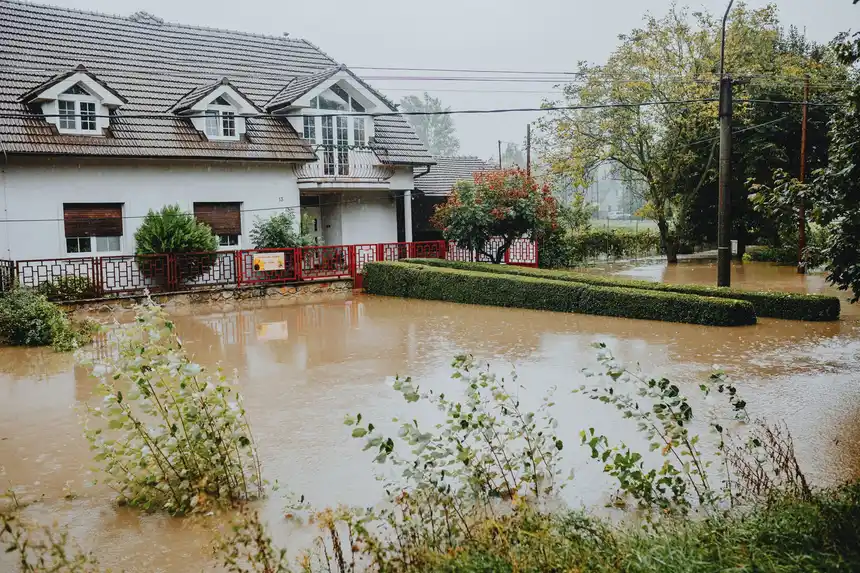
Wet drywall, insulation, and carpet padding come out. We set Dri-Eaz air movers and a Phoenix dehumidifier, log daily readings, then patch, texture, and paint. You get a dry, finished room and a written moisture log.
Move across a circle, or focus it and press Enter, for an illustrative thermal view of the photograph.
Reads temperature differences on the slab to find hot water leaks and moisture trails without opening the floor.
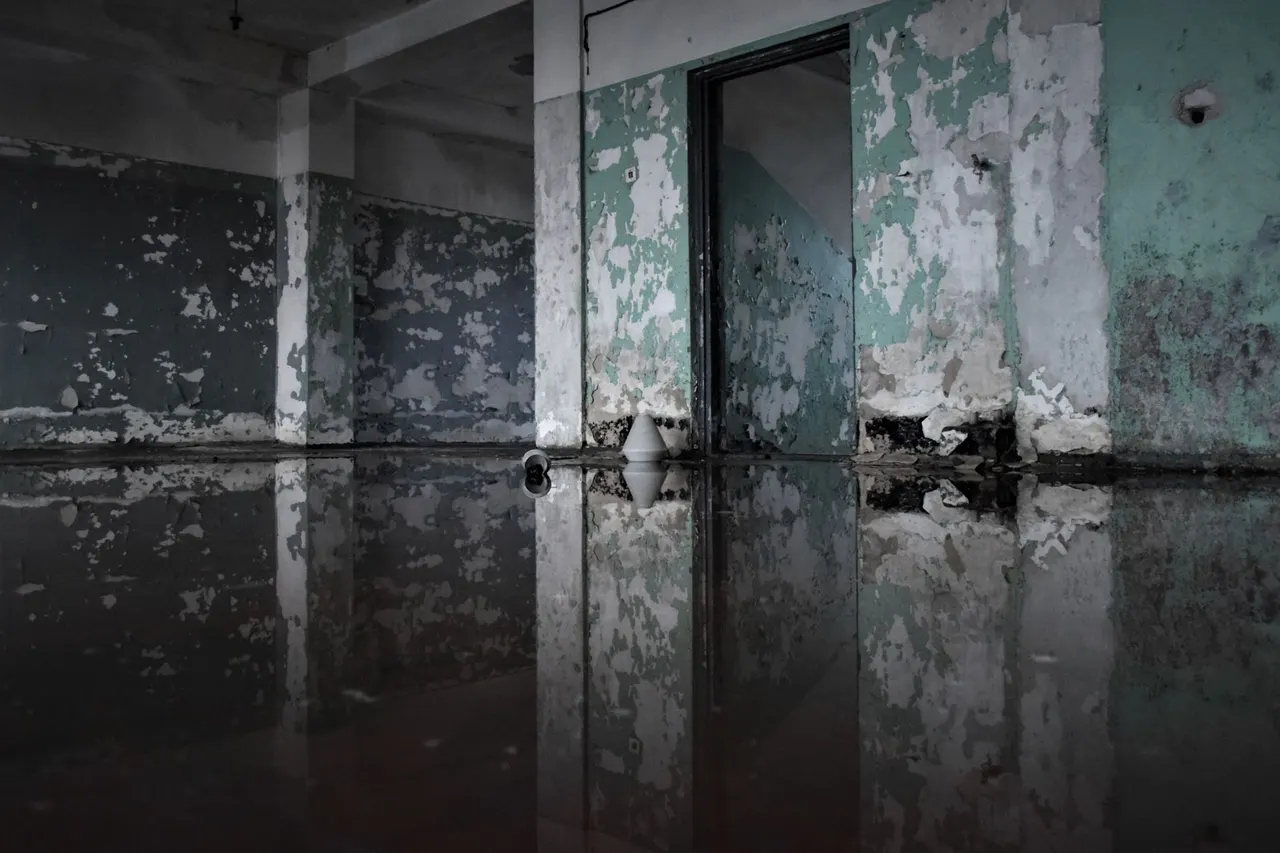
Amplifies the sound of pressurized water escaping a pipe so we can isolate the leak to a 12-inch zone.
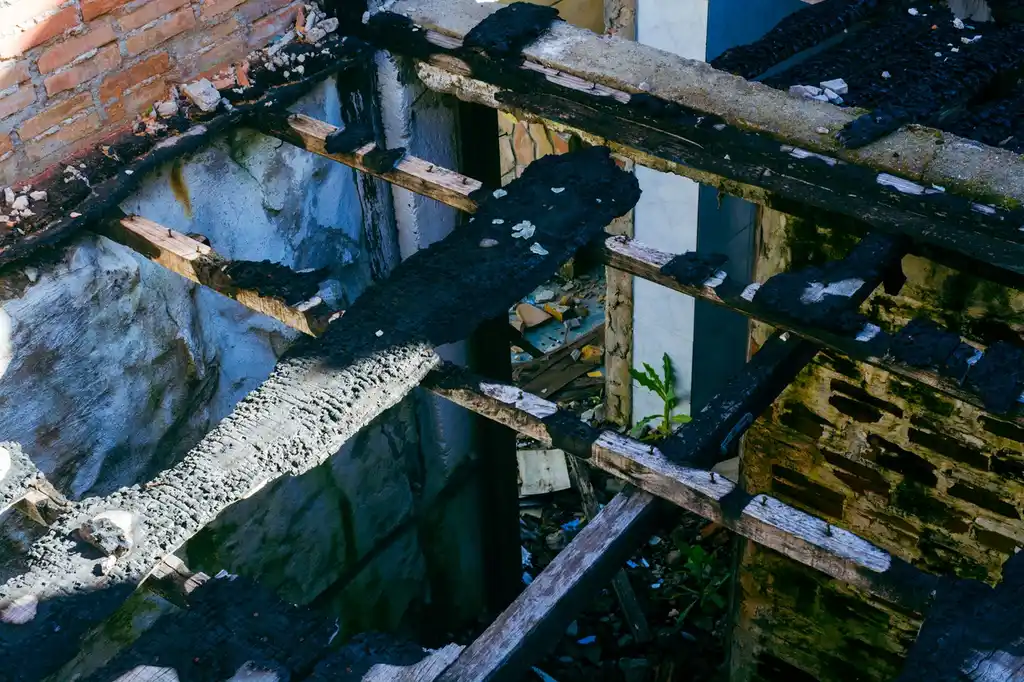
Measures moisture content in concrete, drywall, and air so we know when the structure is actually dry.
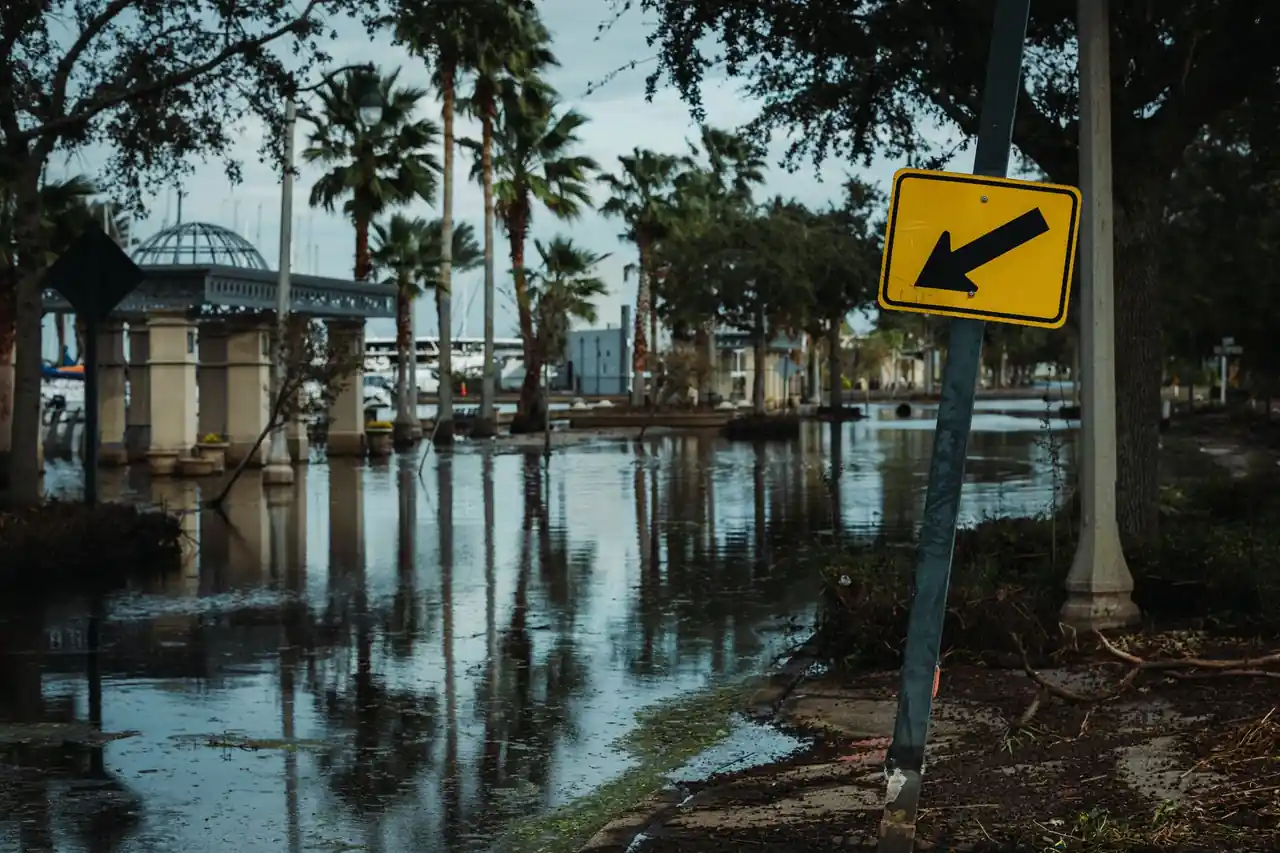
Inspects inside wall cavities and slab penetrations to confirm pipe condition before we commit to a repair method.
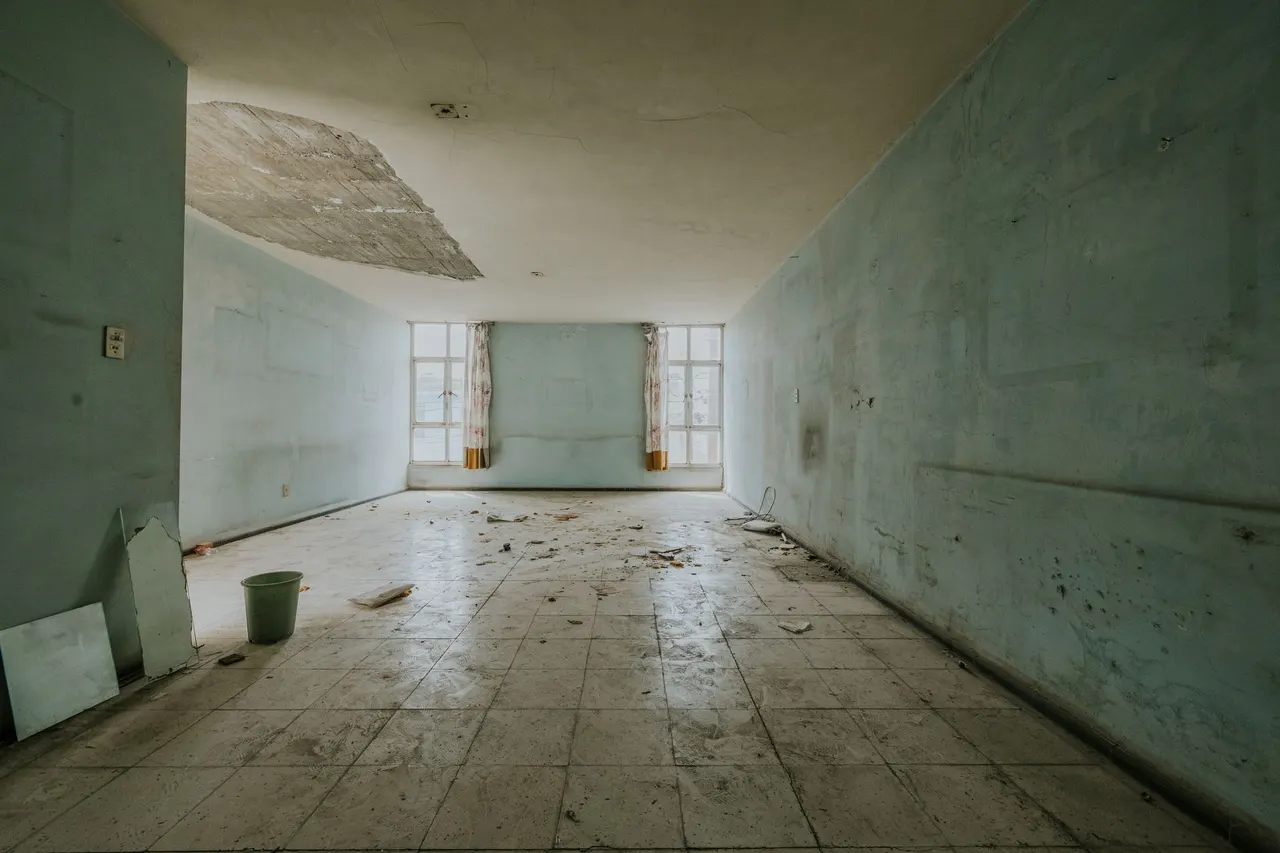
Dries the slab, walls, and flooring after repair. We log readings daily until the structure meets a dry standard.
Thermal views are illustrative, generated from the photographs.
Used for pipe cutting, press fittings, and line verification on every repair.
We follow the IICRC S500 standard for water damage restoration, which sets the drying goals and monitoring schedule for every slab leak job.
We cap sections of the plumbing system and pressurize them one at a time. The gauge tells us which line is leaking before we open any concrete.
We evaluate your home's layout, pipe material, and access to recommend the repair that costs less and disrupts less. You choose after we explain both.
Every insurance-related job is documented in Xactimate, the same software adjusters use. That keeps your claim moving and reduces back-and-forth.

A 1950s bungalow in Fairmount with original galvanized pipes and a rising water bill.
We detect the leak with thermal imaging, confirm the galvanized line has failed, and recommend a partial repipe with PEX. The repair runs through the attic to avoid tearing up the original hardwood.
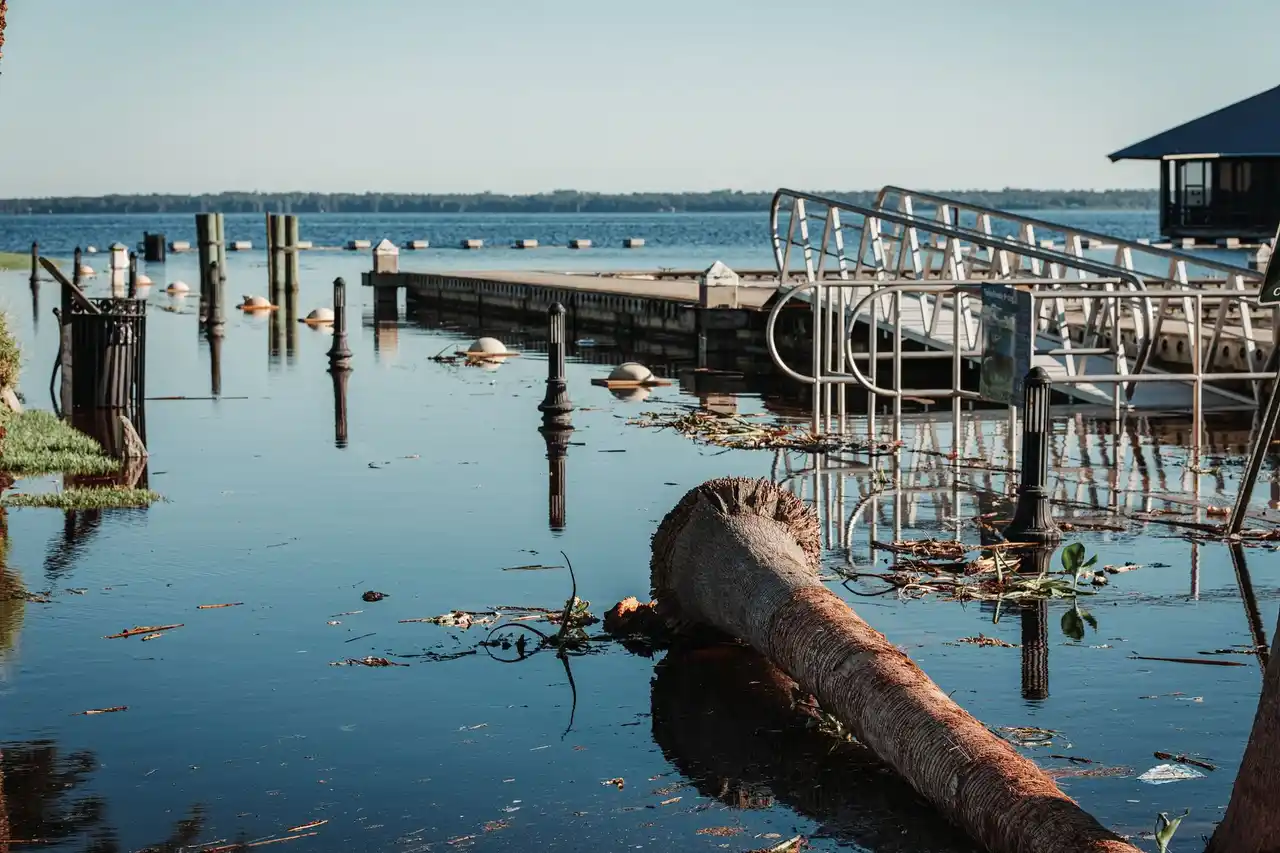
A TCU Area rental property where tenants report a warm spot in the hallway.
We schedule detection between tenant shifts, pinpoint a hot water slab leak, and tunnel under the hallway. The repair and drying finish in three days with minimal disruption.
Outcome: Tenants stay in place, the owner gets Xactimate documentation for insurance, and the floor is refinished to match.
A Sundance Square ground-floor retail space with water seeping into the unit below.
Our commercial crew works overnight to tunnel and repair the line, then sets Dri-Eaz air movers and a Phoenix dehumidifier. We coordinate with building management on access and noise.
Outcome: The retail space reopens in 48 hours, the unit below is dried, and the property manager gets a full moisture log.
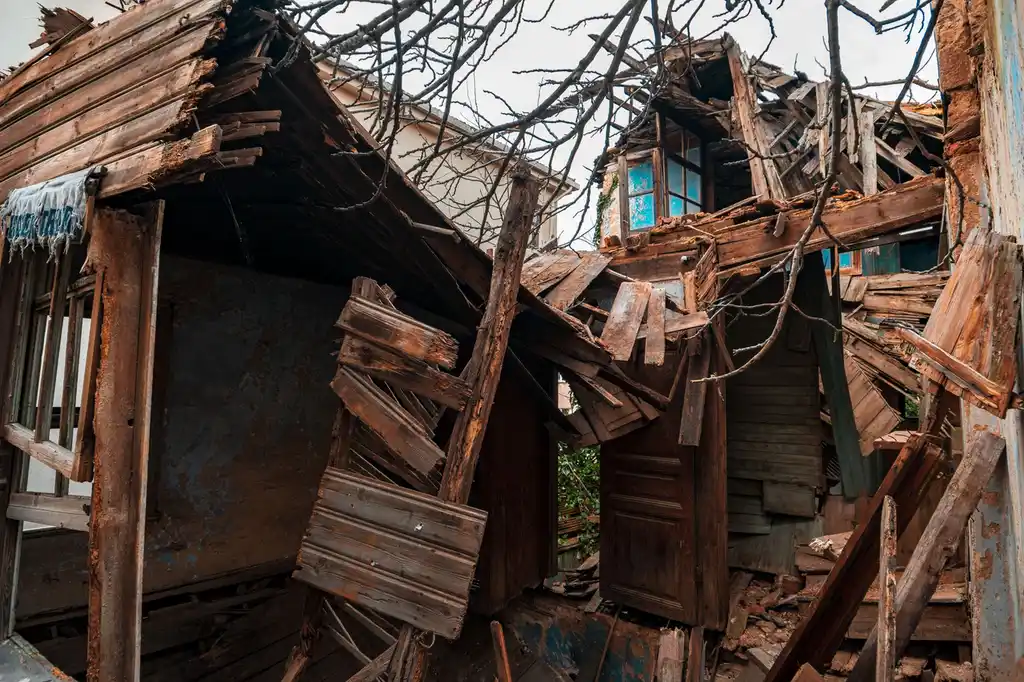
A West 7th condo with a slab leak that triggered the building's fire alarm from water in the electrical room.
We isolate the line, stop the flow, and work with the HOA to dry the common area. Detection confirms a failed copper fitting under the unit's slab.
Outcome: The leak is repaired, the electrical room is dried and tested, and the HOA receives documentation for its claim.
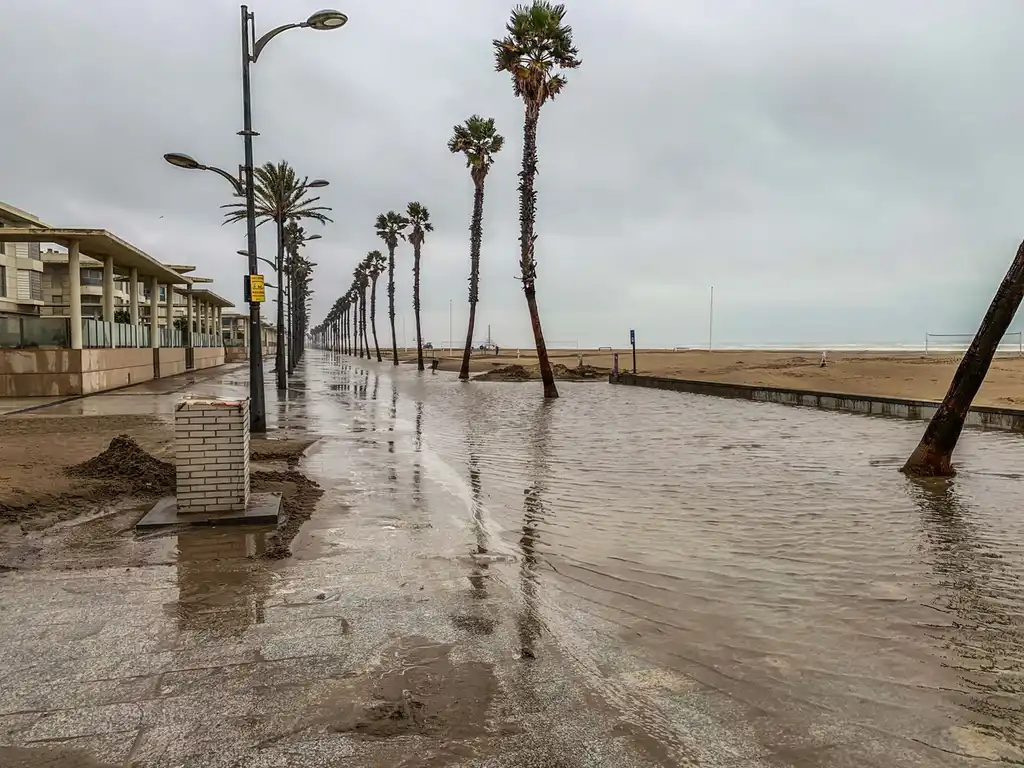
Fort Worth sits on expansive clay soil that swells when it rains and shrinks in summer drought. That movement flexes the pipes under your slab until something cracks. Older neighborhoods like Fairmount and Near Southside still have galvanized and early copper lines that are prone to pinhole leaks. Newer builds in the 76137 and 76131 ZIP codes use PEX, which handles movement better but can still fail at fittings.
We also deal with high water tables after spring storms, which pushes water against the slab and hides the source. When you call for under slab leak repair Fort Worth Texas, we bring detection gear that works on all of it. Our crews know Tarrant County inspection requirements and pull permits when the job needs them.
We also coordinate with your insurance adjuster, since most slab leak claims involve both the pipe repair and the water damage.
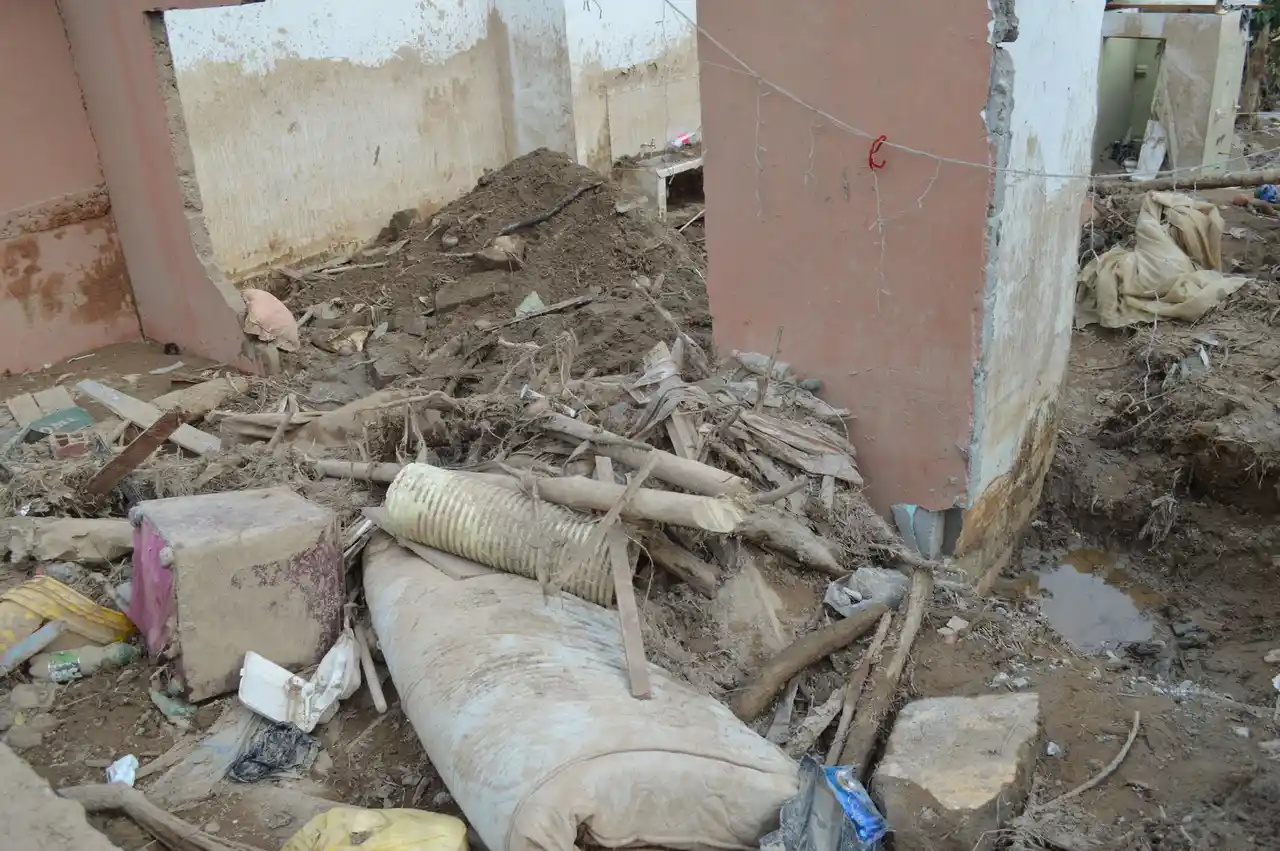
Before: A 1948 bungalow had a water bill that tripled in two months. The homeowner heard running water at night and found warm spots near the bathroom. Original hardwood floors were starting to cup.
After: We detected a hot water slab leak under the hallway, tunneled in, and replaced four feet of failed copper. Drying took three days with air movers and a dehumidifier. The water bill dropped back to normal the next cycle.
We recommended a pressure test every two years on the remaining copper lines and a soil moisture check each spring to catch movement early.
Before: A rental near TCU had three slab leaks in 18 months. Each repair meant tearing up tile and displacing tenants. The owner was ready to sell the property.
After: We rerouted the hot and cold lines through the attic with PEX, eliminating the under-slab pipes entirely. The job took four days, and the tenants stayed in place. No leaks since.
The owner now has us inspect the attic lines annually and check the water meter monthly for any unexplained rise.
Before: A ground-floor restaurant had water seeping into the basement storage area. The source was unclear, and the business could not afford to close during the lunch rush.
After: Our crew worked overnight, detected a cold water slab leak under the kitchen, and tunneled to repair it. We dried the basement with Dri-Eaz equipment and had the space ready by 6 a.m.
We set up a quarterly moisture check for the basement and documented the repair for the building's insurance file.
A slab leak shows up in ways most homeowners do not expect. Here are the common calls we run and how we solve them.
Stopping the leak and drying the structure protects your home and your wallet.
A pinhole slab leak can waste 10,000 gallons a month and spike your bill by hundreds. We locate and isolate the line the same day, so the meter stops spinning and your next statement looks normal again.
Constant moisture under a Fort Worth slab softens the soil and causes heave or settlement. Fixing the leak early keeps your doors closing right and your tile from cracking. We also check for secondary damage before we close up.
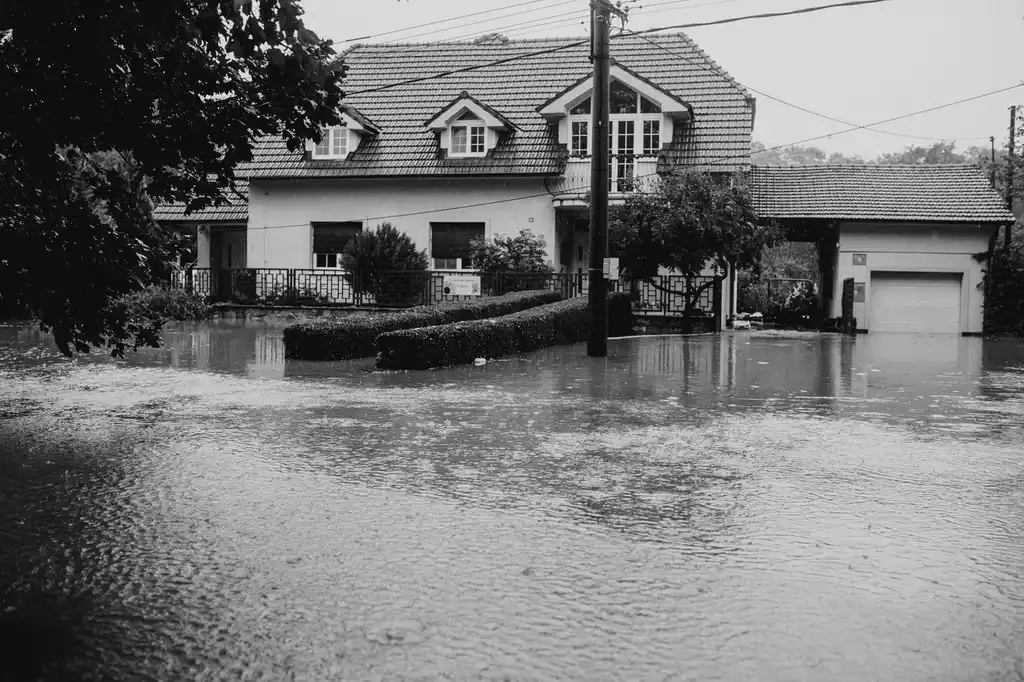
After the pipe is repaired, we set air movers and a dehumidifier to pull moisture out of carpet padding, baseboards, and drywall. We monitor with a hygrometer until readings match a dry standard, usually within three to four days.
Most Texas policies cover sudden slab leak damage but not the pipe itself. We document everything with photos, moisture maps, and Xactimate line items so your claim moves through the Texas Department of Insurance process without delays.
Clear records you can keep and share.
Marked leak location and findings
Before and after gauge readings
Daily drying readings until dry
Before, during, and after images
Slab leaks fall into two categories, and each one changes how we repair it.
A break in the hot water line under the slab.
A break in the cold water line under the slab.
A break in the sewer or drain line under the slab.
A list like this tells people straight away whether you cover their street. Not listed? Call and ask: it only takes a minute.
Based in Fort Worth and covering the places around it. Pick one for local details.
Rerouting a line through the attic often costs less than tunneling. We give you a written price before any work starts, and drying is quoted separately if you need it.
We do, and we cover every ZIP from 76164 through 76137. Our crews work out of Fort Worth, so we are not driving in from Dallas. Call and we will give you a two-hour arrival window, usually the same day for active leaks.
Watch for a water bill that jumps without extra use, warm spots on the floor, the sound of running water when nothing is on, or cracks in tile and baseboards. A moisture meter reading above 20 percent on a concrete floor is another sign. If two or more match, call for detection.
Most Texas policies cover the water damage and access costs but not the pipe repair itself. We document the loss with photos, moisture maps, and Xactimate estimates so your adjuster sees the full scope. That paperwork routinely gets more of the claim approved.
Other services from the same team.
A running meter or warm floor will not wait. Call Fort Worth Restorations and we will pinpoint the leak, give you a written price, and fix it right.
Call +1 817-270-9150 any time, day or night. We answer, ask a few questions about the source and the rooms affected, and dispatch a crew. If you prefer email, send photos and your address to [email protected] and we will follow up with next steps.