Slab leak vs pipe leak: how to tell what is leaking in your Fort Worth home
Slab leaks hide under concrete; pipe leaks show up fast. Here's how Fort Worth homeowners tell the two apart, what each costs to fix, and when to call a pro.
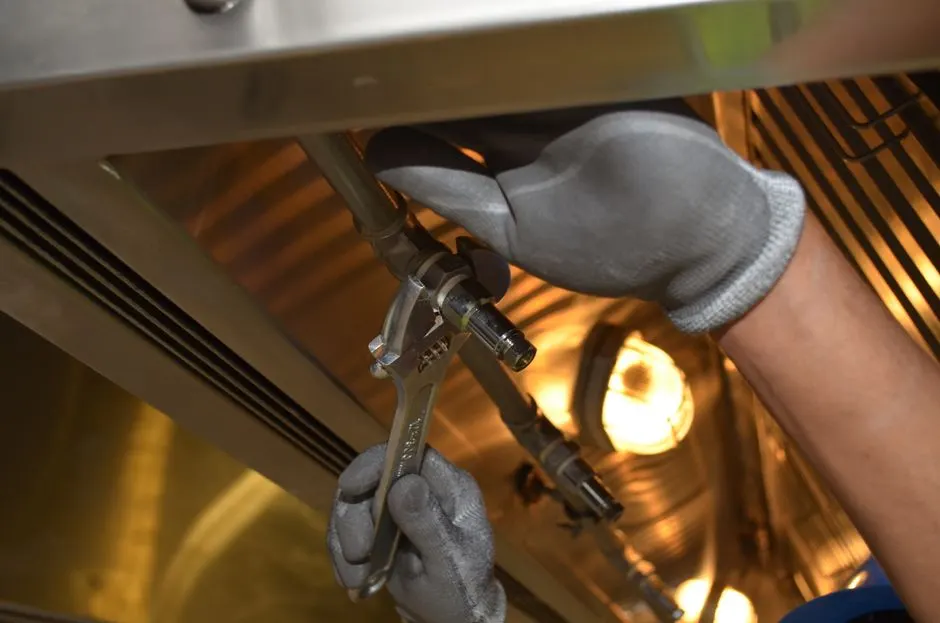
If your water bill jumped and you can't see water anywhere, you're most likely dealing with a slab leak - a broken pipe under your concrete foundation. If you can see water pooling, dripping, or staining a wall or cabinet, it's almost always a pipe leak in an accessible line. That's the short answer. The rest of this post shows you how to confirm which one you have in a Fort Worth home, what each one costs to fix in 2026, and when it's time to stop guessing and call someone.
We handle both every week across Tarrant County, and the two leaks behave very differently once you know what to look for. A slab leak hides. A pipe leak usually announces itself. Knowing which is which saves you money on the diagnostic visit and keeps a small repair from turning into a foundation problem.
The fastest way to tell a slab leak from a pipe leak
Slab leak vs pipe leak Fort Worth TX comes down to location and visibility: a slab leak is a supply or drain line buried under your foundation slab, while a pipe leak is any leak in a line you can reach - under a sink, in a wall, in the attic, or in the yard between the meter and the house. Slab leaks are the ones that never show a puddle where you'd expect one.
Here's the quick filter we use on the phone before we ever send a truck:
- Slab leak signs: unexplained water bill spike, warm spot on the floor, the sound of running water when everything is off, cracks in tile or sheetrock that appeared recently, musty smell with no visible water.
- Pipe leak signs: water under a sink or behind a toilet, a dripping sound in a wall, a wet ceiling stain, a puddle in the yard between the meter and the house, low water pressure at one fixture only.
If you're seeing a wet ceiling or a roof stain after one of our spring hailstorms, that's a different problem entirely - that's Ceiling and Roof Leak Repair Fort Worth TX, not a slab or supply line issue. We see a lot of those confused with plumbing leaks every April and May.
What a slab leak looks like in a Fort Worth home
A slab leak in Fort Worth almost never shows water on the surface. The pipe is under four to six inches of concrete, so the water finds the path of least resistance - up through the slab into flooring, sideways into the soil, or down into the void under the house.
What you actually notice is the side effects:
- A water bill that jumps 20% to 50% in one billing cycle with no change in habits.
- A warm or hot spot on a tile or vinyl floor - this is the classic sign of a hot-water line slab leak.
- The faint hiss or rush of water when every fixture in the house is off.
- New cracks in tile grout, sheetrock corners, or along the slab edge.
- A musty smell in a room with no visible moisture.
- Your water meter's leak indicator spinning with the main shutoff valve closed.
That last test is the one we ask every caller to run. Shut off the main valve at the meter, watch the leak dial for two minutes. If it still moves, the leak is between the meter and the house - a service line issue, not a slab leak. If it stops, the leak is inside the foundation or the walls.
What a pipe leak looks like in a Fort Worth home
A pipe leak in Fort Worth shows up where the pipe is - under a cabinet, behind a wall, in the attic, or in the yard. You usually see water, staining, or warped material before you ever suspect the pipe.
The common ones we run into:
- Under-sink supply line leaks: a slow drip from a compression fitting that swells the cabinet floor over weeks.
- Toilet and tub drain leaks: a stained ceiling below the bathroom, or a soft spot in the subfloor near the flange.
- Attic line leaks: a wet patch on the ceiling that grows after every shower - usually a copper or PEX line running above the room.
- Exterior service line leaks: a green patch in the yard, or a constantly wet spot between the meter and the house.
- Appliance line leaks: the braided hose behind your washing machine or fridge ice maker - the number one cause of sudden indoor flooding we see.
If the water is coming from an appliance rather than a wall or slab line, that's a different repair path - we handle those under Appliance Leak Water Damage Fort Worth TX, and we can usually stop the source and start drying the same day.
How to tell if you have a slab leak or pipe leak Fort Worth TX: a 10-minute checklist
Run this before you call anyone. It tells you which type of leak you're dealing with in about ten minutes, and it tells the dispatcher what to send.
- Shut off every fixture. No faucets, no ice maker, no irrigation, no pool auto-fill. Wait five minutes.
- Listen at the lowest point in the house. A steady hiss near a bathroom or hallway floor points to a slab leak. A drip behind a wall or under a cabinet points to a pipe leak.
- Check the water meter. Note the reading, wait 10 minutes, read again. Any movement with everything off is a leak on the supply side.
- Close the main shutoff at the meter. If the meter still moves, the leak is outside - service line. If it stops, the leak is inside the home.
- Feel the floors. A warm spot on a slab floor is almost always a hot-water line slab leak.
- Look up and under. Stains on ceilings or cabinet floors mean a pipe leak above or beside that spot.
If steps 1 through 4 point to a slab leak, stop running water in the house and call us. Every hour the line runs, more water goes under your foundation and into your flooring.
How Fort Worth soil and slab construction cause leaks
Fort Worth sits on expansive clay soil, and that clay is the reason slab leaks are so common here compared to cities on rock or sand. The clay swells when it's wet and shrinks hard when it dries - and North Texas does both, often in the same month.
That constant movement flexes the pipes running through and under the slab. Copper lines are the most vulnerable; they work-harden and crack at joints after enough cycles. Homes built in the 1960s through the 1990s with copper under-slab plumbing are the ones we see most often, especially in older neighborhoods like water damage restoration in Fort Worth near the historic districts where the housing stock dates to that era.
Two other local factors matter:
- Summer heat. July and August push soil temps and slab temps up, and hot-water lines under the slab expand against cooler concrete. We get a spike in slab leak calls from late June through September.
- Winter freezes. The February 2021 freeze cracked a lot of pipes that didn't fail until a year or two later. We're still finding the aftermath in homes that never had a visible burst.
If you've had a pipe burst from a freeze, that's a separate emergency - see Pipe Burst Repair Fort Worth TX for what we do in those first few hours.
What slab leak detection and repair costs in Fort Worth in 2026
Slab leak detection in Fort Worth runs $250 to $600 in 2026 for a proper acoustic and thermal scan, and the repair itself runs $1,500 to $6,500 depending on how the leak is fixed. Those are real numbers from jobs across Tarrant County this year, not national averages.
Here's how the repair costs break down:
- Spot repair (jackhammer through the slab at the leak point): $1,500 to $3,200. Fastest option, but you're left with a patched floor.
- Reroute through the attic or walls: $2,800 to $5,500. No concrete broken, but you lose some ceiling or wall finish.
- Full under-slab repipe: $4,500 to $9,000+. Best long-term fix for a home with multiple failing copper lines.
- Pipe lining (epoxy): $3,500 to $6,500. Less invasive, not always an option on badly deteriorated lines.
Add $400 to $1,200 for the water damage side - drying, flooring repair, baseboard replacement - if the leak ran for more than a few days. We handle that part in-house so you're not coordinating three contractors.
Pipe leaks in accessible locations are cheaper. A typical under-sink or in-wall pipe repair in Fort Worth runs $250 to $900 in 2026, plus drying if the cabinet or wall cavity got wet.
Does insurance cover slab leak repair in Fort Worth TX?
Most Fort Worth homeowner policies cover the water damage a slab leak causes, but not the pipe repair itself. That distinction matters, and it's the single biggest surprise we see on claim denials.
What's typically covered:
- Water damage to flooring, drywall, baseboards, and cabinets.
- Mold remediation if it's a direct result of the covered leak.
- Temporary lodging if the home is uninhabitable during drying.
What's typically not covered:
- The cost of accessing and repairing the failed pipe itself.
- Damage from a leak you knew about and didn't fix.
- Long-term seepage that built up over months.
We document every slab leak job the same way - moisture readings, thermal images, photos of the affected materials - so your adjuster has what they need on the first submission. If you want help with the paperwork, our Water Damage Insurance Claim Assistance Fort Worth TX service walks you through the claim from first call to final payout.
Common mistakes Fort Worth homeowners make
The most expensive mistake we see is waiting. A slab leak that runs for two weeks can undermine a foundation section that costs five figures to level - far more than the pipe repair would have.
Other ones worth avoiding:
- Assuming a high water bill is a billing error. Call the water department, sure - but run the meter test the same day.
- Turning the water back on to "check" after you've shut it off. Every cycle pushes more water into the slab and subfloor.
- Hiring a leak detector who doesn't do repairs. You end up paying two companies and coordinating between them. We do both.
- Skipping the drying step. A repaired pipe with wet drywall behind it becomes a mold job in 48 to 72 hours. We run Structural Drying Fort Worth TX on every leak job where materials got wet.
- Ignoring a warm floor spot in summer. That's a hot-water slab leak until proven otherwise.
When to call a professional
Call us when the meter test shows movement with everything off, when you find a warm spot on a slab floor, or when you can hear running water and can't find it. Those three signs mean the leak is under concrete, and no amount of DIY will fix it.
Fort Worth Restorations handles slab leak detection and repair across Tarrant County, and we handle the water damage side of the same job. We find the leak, fix it, dry the affected materials, and test the line before we leave. You get one number to call and one invoice at the end.
If you're not sure which type of leak you have, call us anyway. We'll walk you through the meter test over the phone and tell you what we think before we send a truck.
Frequently Asked Questions
How do I tell if I have a slab leak or pipe leak in Fort Worth TX?
Shut off every fixture and watch your water meter for 10 minutes. If it still moves, close the main valve at the meter - if the meter stops, the leak is inside the house (likely slab). If it keeps moving, the leak is in the yard service line.
What are the signs of a slab leak in Fort Worth?
The top signs are a water bill jump of 20% or more, a warm spot on a tile or vinyl floor, the sound of running water with everything off, new cracks in tile or sheetrock, and a musty smell with no visible moisture. Any two of those together point to a slab leak.
How much does slab leak repair cost in Fort Worth TX?
Detection runs $250 to $600 in 2026. Repair runs $1,500 to $3,200 for a spot repair, $2,800 to $5,500 for a reroute, and $4,500 to $9,000+ for a full under-slab repipe. Water damage repair adds $400 to $1,200 if materials got wet.
Who detects slab leaks near me in Fort Worth?
Fort Worth Restorations does slab leak detection and repair across Tarrant County. We use acoustic listening equipment and thermal imaging to pinpoint the leak before we break any concrete, so the repair is targeted rather than exploratory.
Does insurance cover slab leak repair in Fort Worth TX?
Usually the water damage is covered, but the pipe repair itself typically is not. Most policies pay for flooring, drywall, cabinets, and mold remediation caused by the leak. We document every job so your adjuster has what they need on the first submission.
Get help with Water Damage in Fort Worth
If you've got a leak you can't pin down, don't wait for it to show itself - the longer it runs, the more it costs to fix. Our team handles Water Damage Fort Worth TX from the first meter test to the final drying check.
Call Fort Worth Restorations at +1 (817) 270-9150 and we'll help you figure out what's leaking and what it takes to stop it.