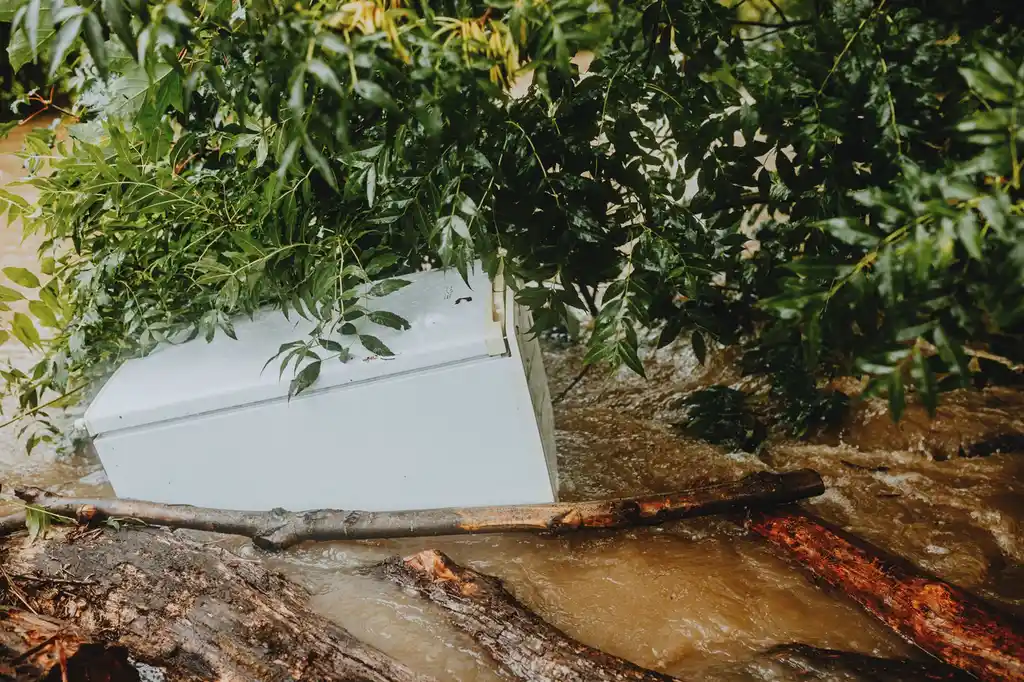
For Homes
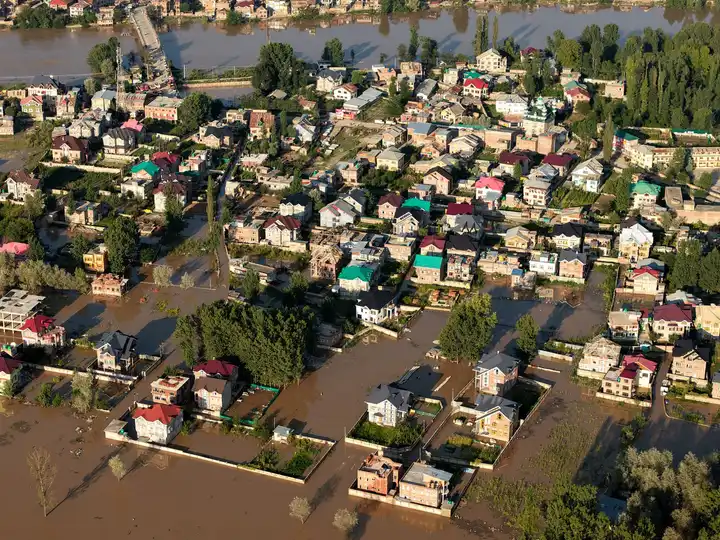
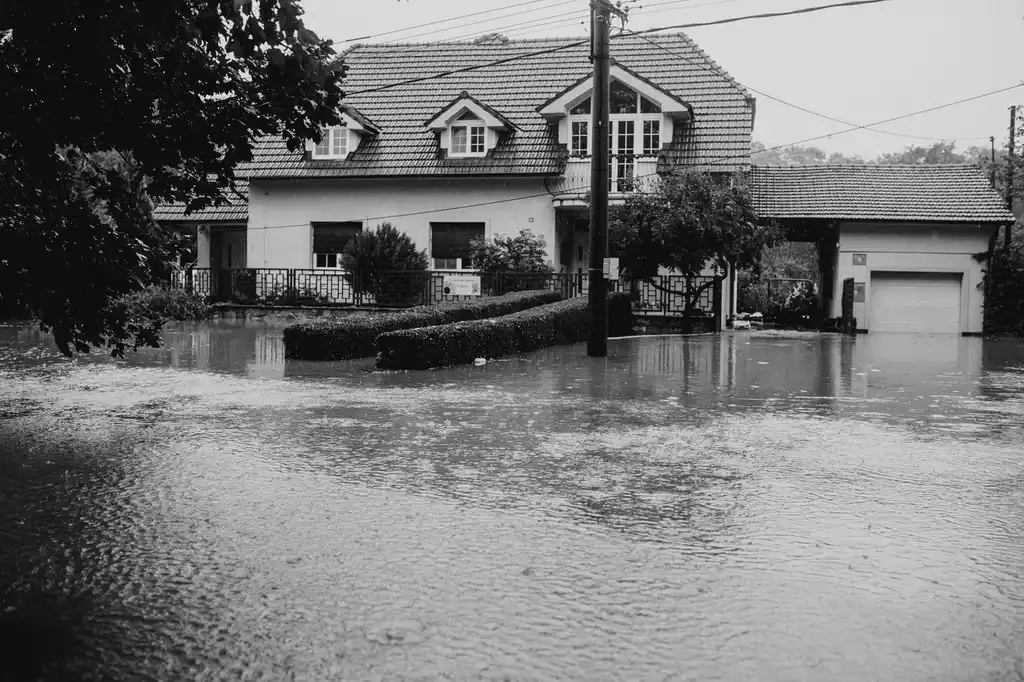
We handle burst pipes, appliance leaks, and storm flooding in Fort Worth homes. Our crew extracts water, dries the structure, and repairs the damage.
- Burst pipe under sink
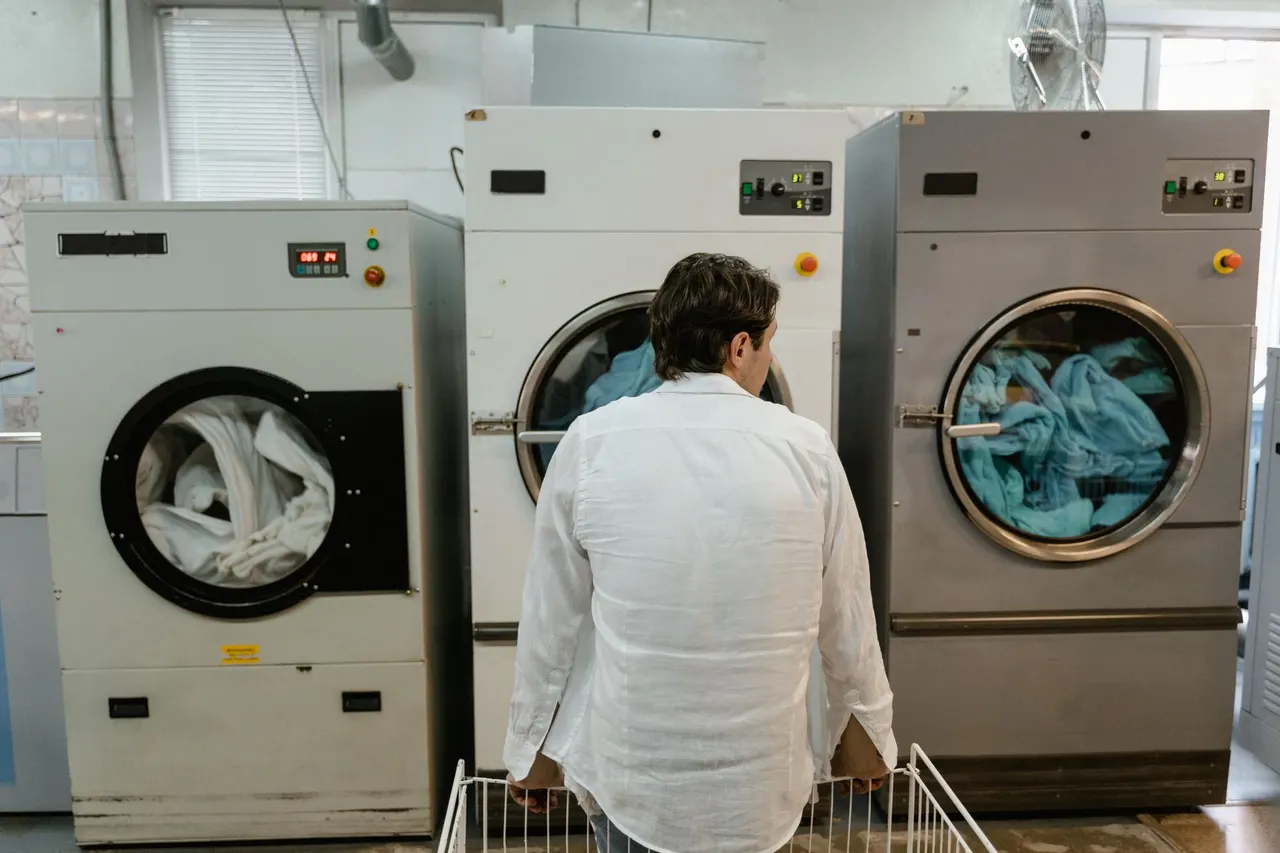
- Washing machine overflow
- Storm flooding in basement
When a pipe bursts or an appliance leaks, Residential Water Damage Restoration in Fort Worth from Fort Worth Restorations gets your home dry and back to normal. We handle emergency extraction, structural drying, and full repairs for homeowners across Tarrant County. Our IICRC-trained crew uses thermal imaging and moisture meters to find hidden water before it becomes mold. Call +18172709150 and we'll be on our way.
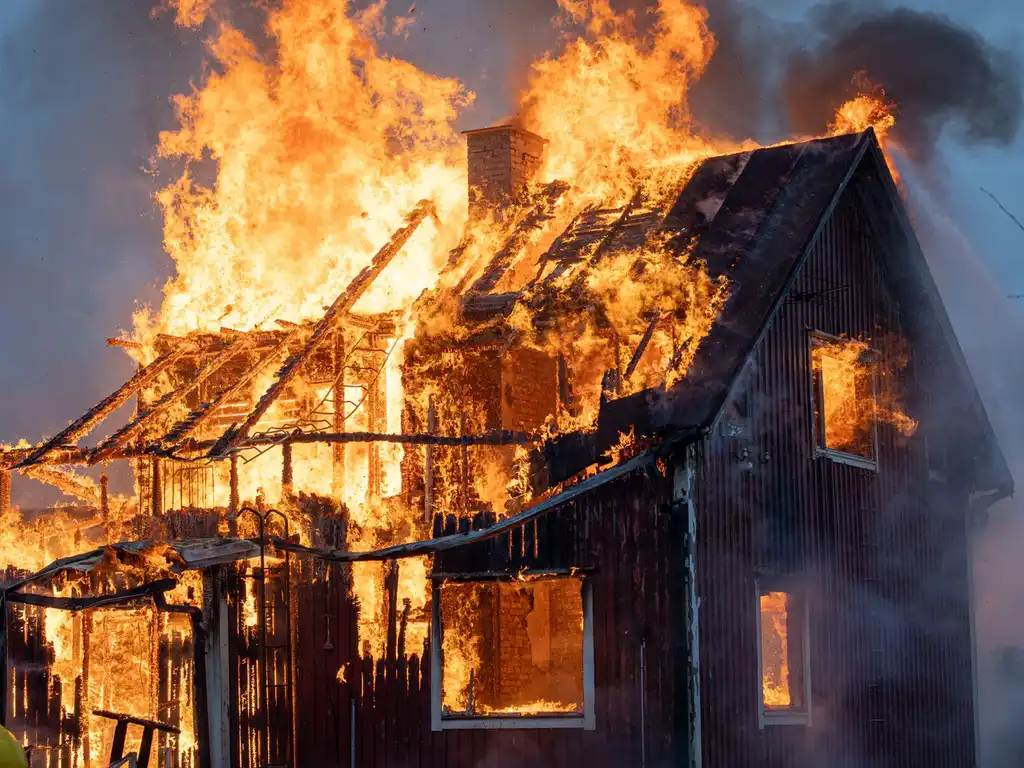 Moisture mappingThermal imagingDaily drying logs
Every job starts with an inspection and a written scope. We tell you what's covered and what might be an add-on, like reconstruction after major damage. Here's what's typically included.
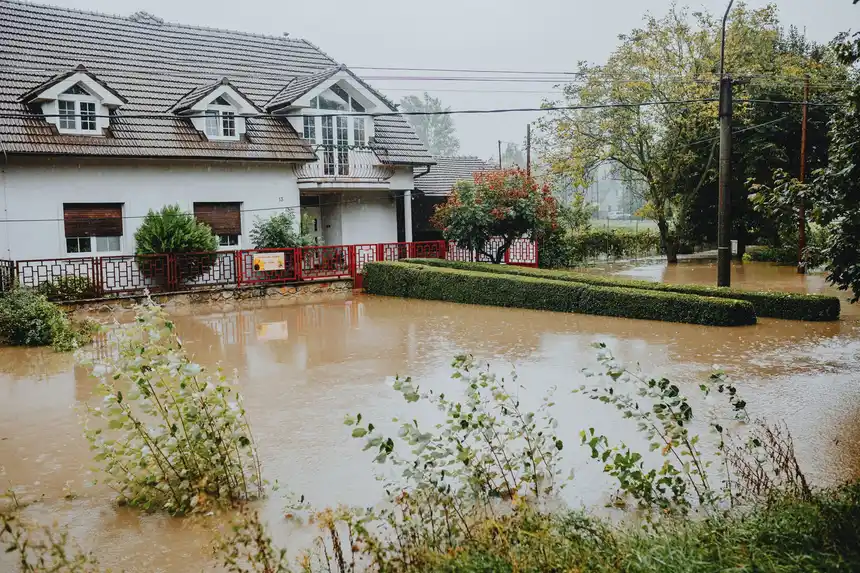
We pull standing water from carpet, hardwood, and tile using truck-mounted extraction units. For deep water, we use a sump pump first. Extraction usually takes one to three hours.
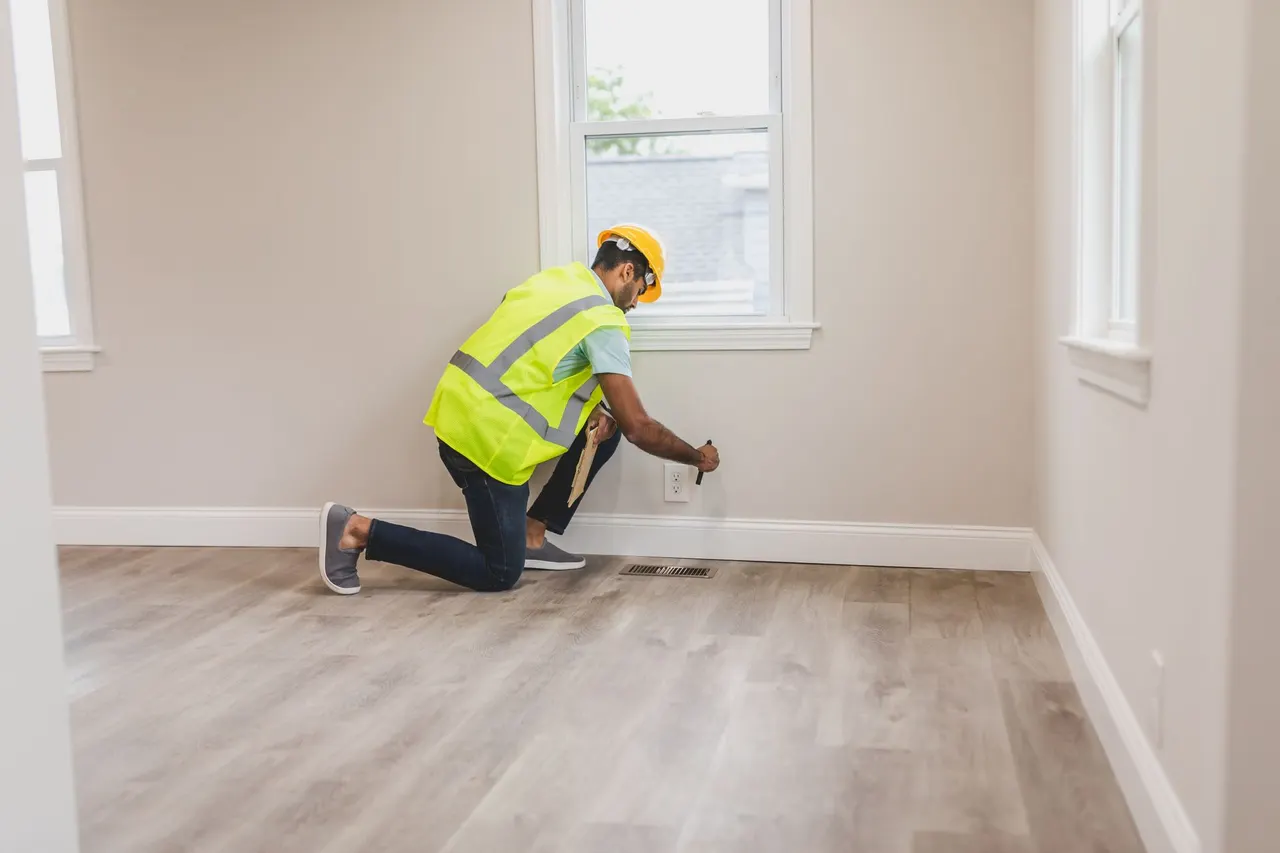
We use a thermal imaging camera and moisture meter to find hidden water behind walls and under floors. You get a map of affected areas before drying begins.
We place air movers and dehumidifiers to dry drywall, framing, and subfloors. A floor drying mat protects hardwood. Equipment stays until moisture readings hit dry standard.
A technician checks moisture levels daily and adjusts equipment. We log readings and photograph progress for your insurance claim.
We apply an antimicrobial solution to affected areas to prevent mold growth. This is standard on every water damage job.
After drying, we repair drywall, replace baseboards, and paint. For major damage, we handle framing and reconstruction. You get a finished home, not just a dry one.
The approach is the same for a home and a business. What changes is the access, the schedule and who needs the paperwork.
We handle burst pipes, appliance leaks, and storm flooding in Fort Worth homes. Our crew extracts water, dries the structure, and repairs the damage.
We restore water damage in Fort Worth offices, retail spaces, and rentals. We work after hours to minimize downtime and keep your business running.
A plain-language look at what Residential Water Damage Restoration involves and when it is needed.
See how it worksResidential Water Damage Restoration in Fort Worth is the process of extracting standing water, drying structural materials, and repairing everything the moisture touched. It starts with a full assessment using a moisture meter, thermal imaging camera, and hygrometer to map exactly where water traveled. From there we pull water with a water extraction unit, set air movers and dehumidifiers, and monitor daily until your drywall, hardwood flooring, and carpet padding hit safe moisture levels. If a slab leak or burst pipe caused the damage, we coordinate the plumbing repair before drying begins.
Fort Worth homes face water damage from frozen pipes in winter, storm flooding in spring, and slab leaks year-round. Older housing stock near Fairmount and Arlington Heights often has cast iron drains and original hardwood that need careful drying to avoid cupping. When you search for home water damage restoration Fort Worth TX, you want a crew that knows these local building quirks. We also handle emergency residential water damage restoration Fort Worth TX calls after hours, because water doesn't wait for business hours.
Water damage gets worse by the hour, so we start drying the same visit.
Every job follows the same proven sequence, from the first call to the final walkthrough. Here's what you can expect when we arrive.
You call +18172709150 and describe what happened. We ask about the water source, how long it's been running, and whether electricity is safe. A dispatcher sends the nearest crew and gives you a realistic arrival window. If it's a sewage backup, we tell you to avoid the area until we arrive.
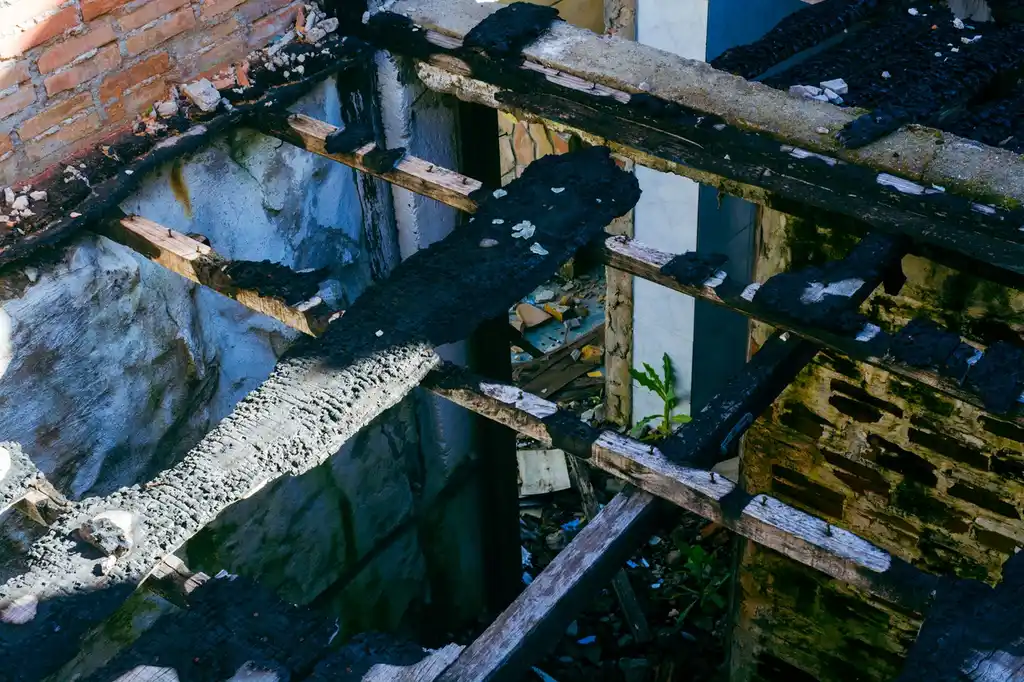
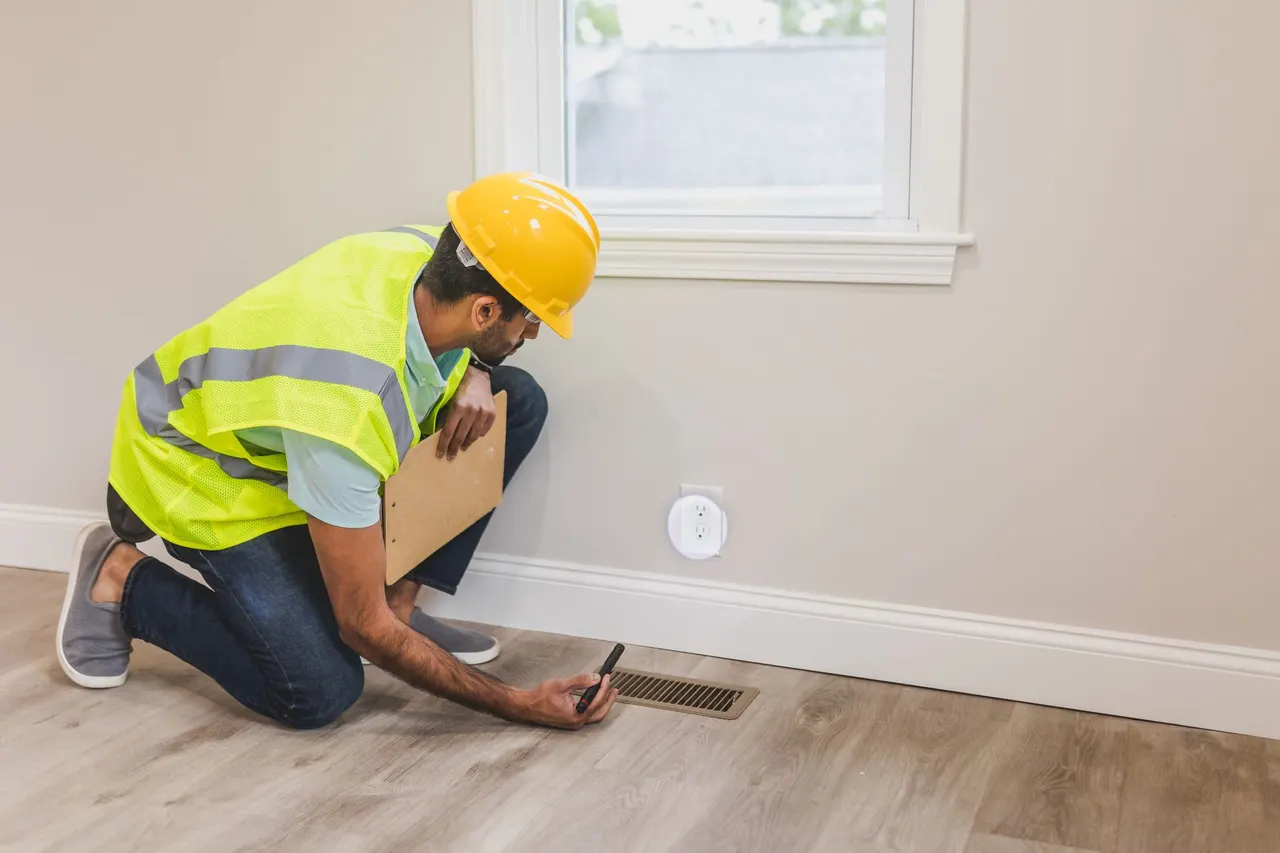
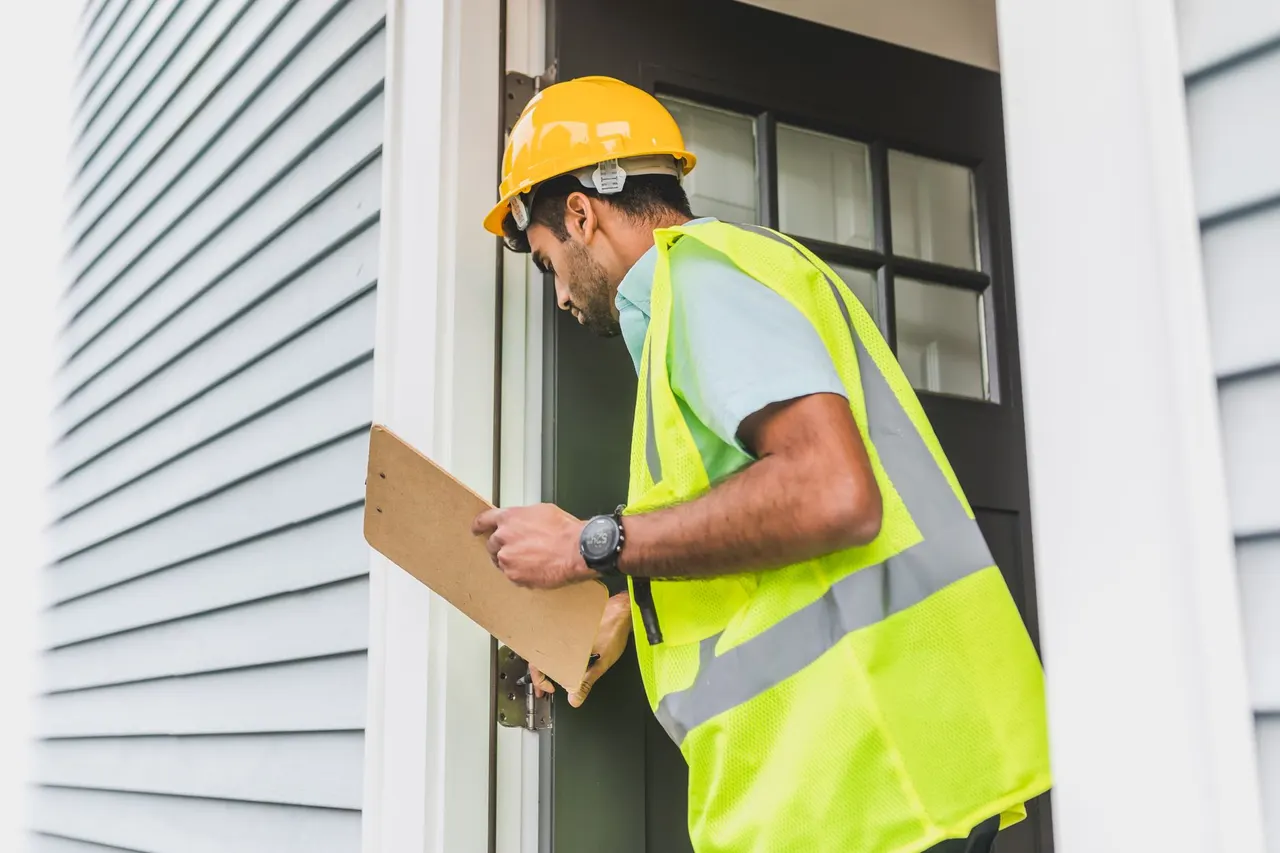
We walk the home with a moisture meter, thermal imaging camera, and hygrometer. We check behind baseboards, under hardwood flooring, and inside crawl spaces. You get a clear explanation of where the water went and what needs drying. This usually takes 30 to 45 minutes.
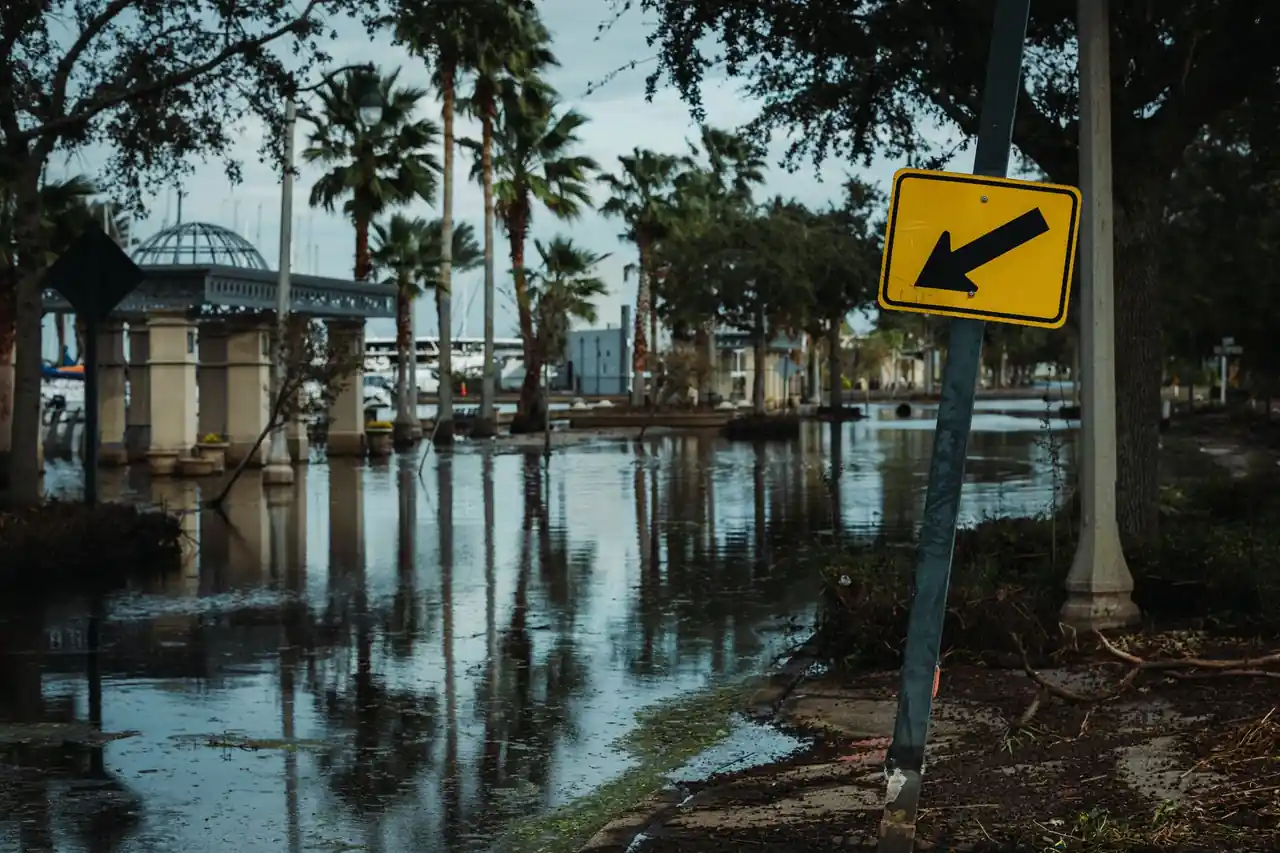
Truck-mounted water extraction units pull standing water from carpet, padding, and hard floors. For deep water in a basement or crawl space, we use a sump pump first. Extraction typically takes one to three hours depending on volume.
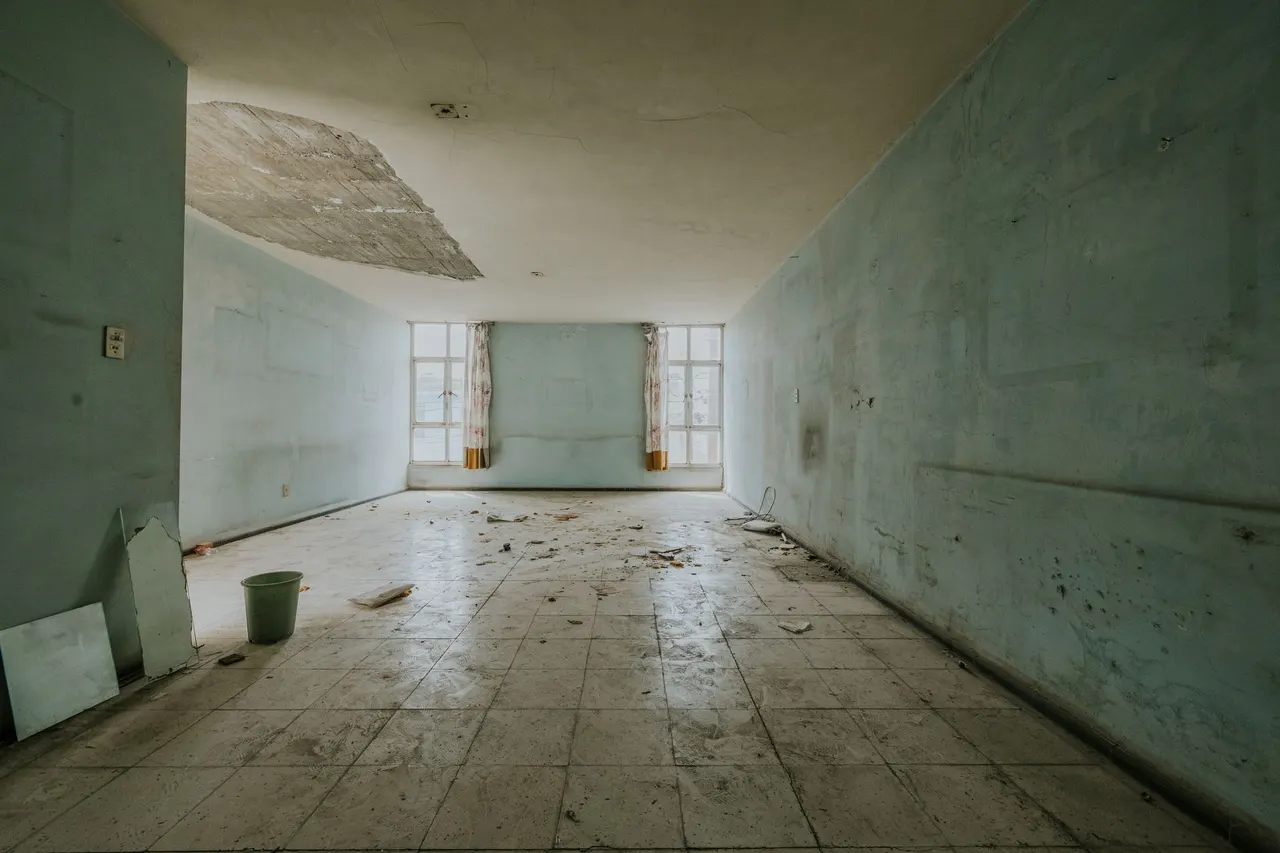
We set air movers and dehumidifiers to dry drywall, insulation, and framing. A floor drying mat pulls moisture from hardwood without warping it. We monitor with a moisture meter daily and adjust equipment until readings match a dry standard.
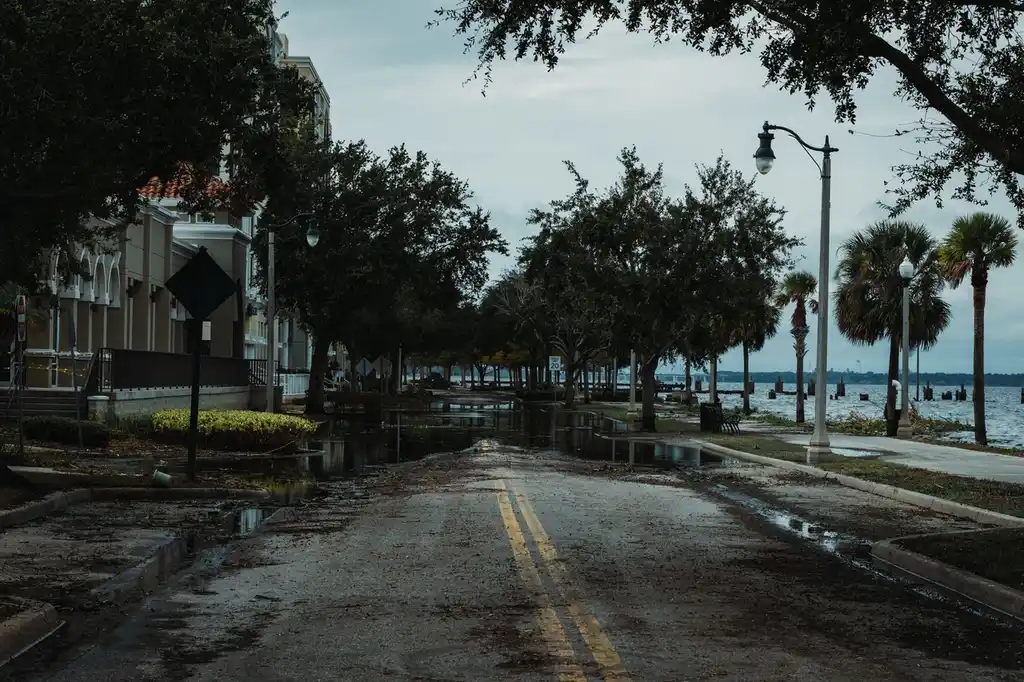
After drying, we repair drywall, replace baseboards, and paint. If a burst pipe caused the damage, we coordinate the plumbing fix. We do a final moisture check and walk you through the completed work before we pack up.
Move across a circle, or focus it and press Enter, for an illustrative thermal view of the photograph.
Finds hidden moisture behind walls and under floors without cutting into them.
Measures moisture content in drywall, wood, and concrete to track drying progress.
Truck-mounted unit pulls standing water from carpet and hard floors quickly.
High-velocity fan that circulates air to speed drying of walls and floors.
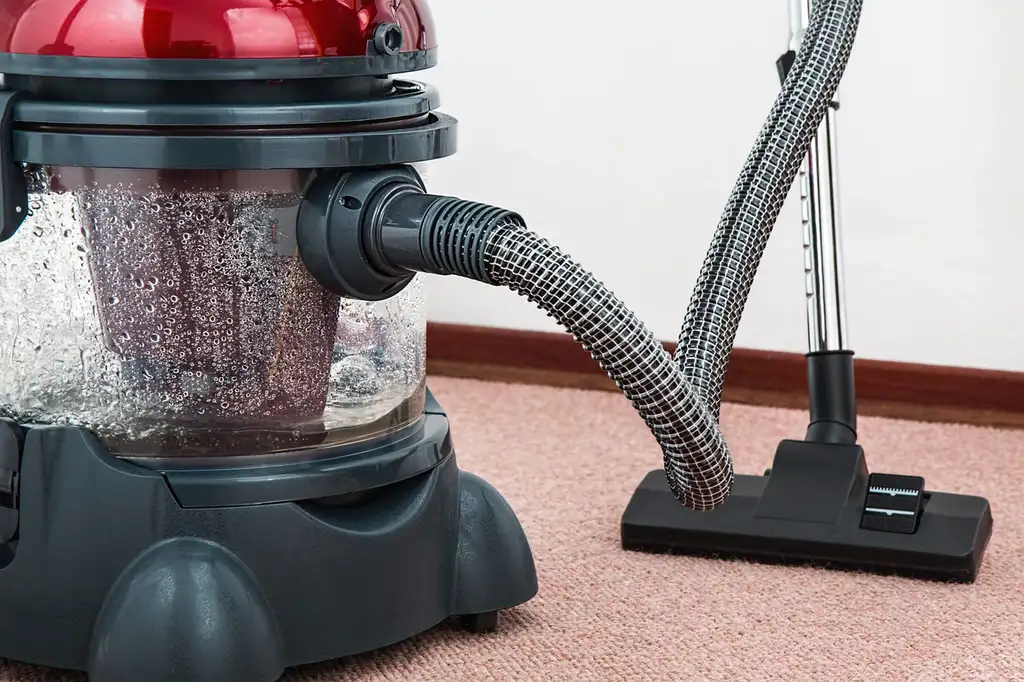
Pulls moisture from the air to dry the structure and prevent mold.
Thermal views are illustrative, generated from the photographs.
Forces air under hardwood floors to dry them without warping.
Measures relative humidity to ensure the drying chamber is effective.
We follow the IICRC S500 standard for water damage restoration. It defines water categories, drying goals, and documentation requirements. Following it ensures a consistent, verifiable dry.
We use a thermal imaging camera and moisture meter to map affected areas. This finds hidden water that the eye can't see. You get a written map before drying begins.
A technician checks moisture readings daily and adjusts equipment. We log everything and photograph progress. This ensures the structure dries evenly and on schedule.
We apply an antimicrobial solution to affected areas after extraction. This prevents mold growth during the drying process. It's standard on every job.
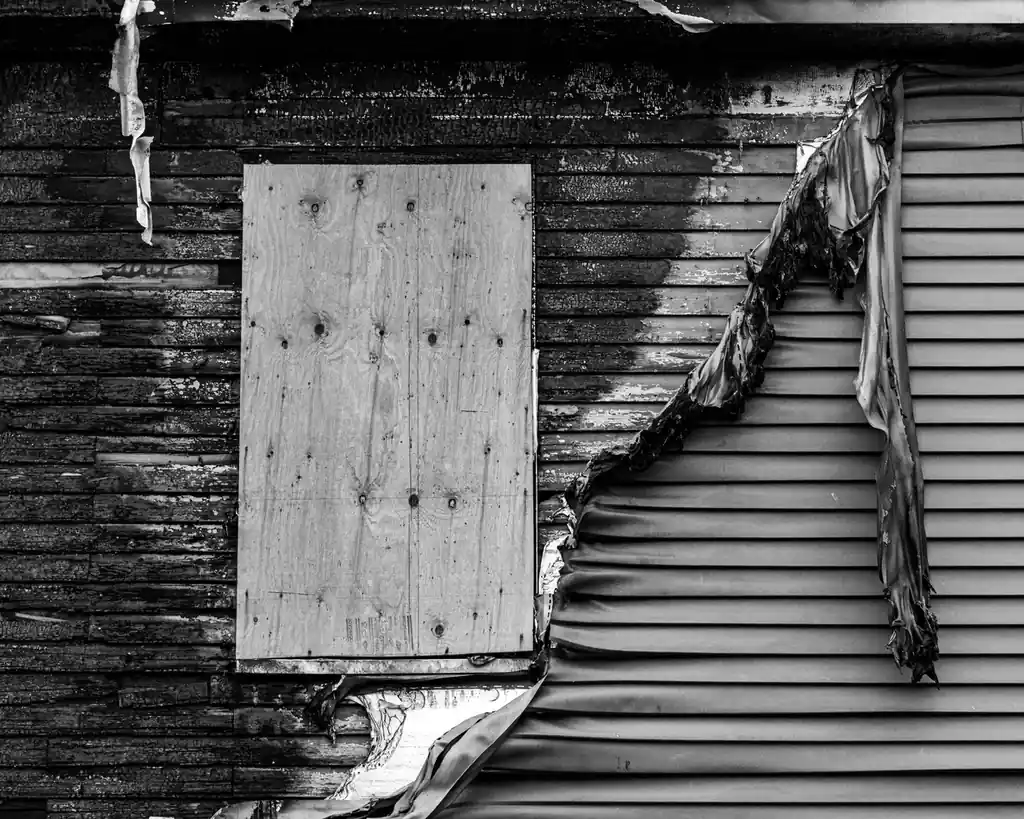
A pipe bursts at 2 a.m. and water is pouring into your kitchen.
Call +18172709150 immediately. We dispatch a crew and tell you how to shut off the water if you haven't already. We extract, dry, and repair.
Outcome: Your kitchen is dry and repaired within a week, and your insurance claim is documented.
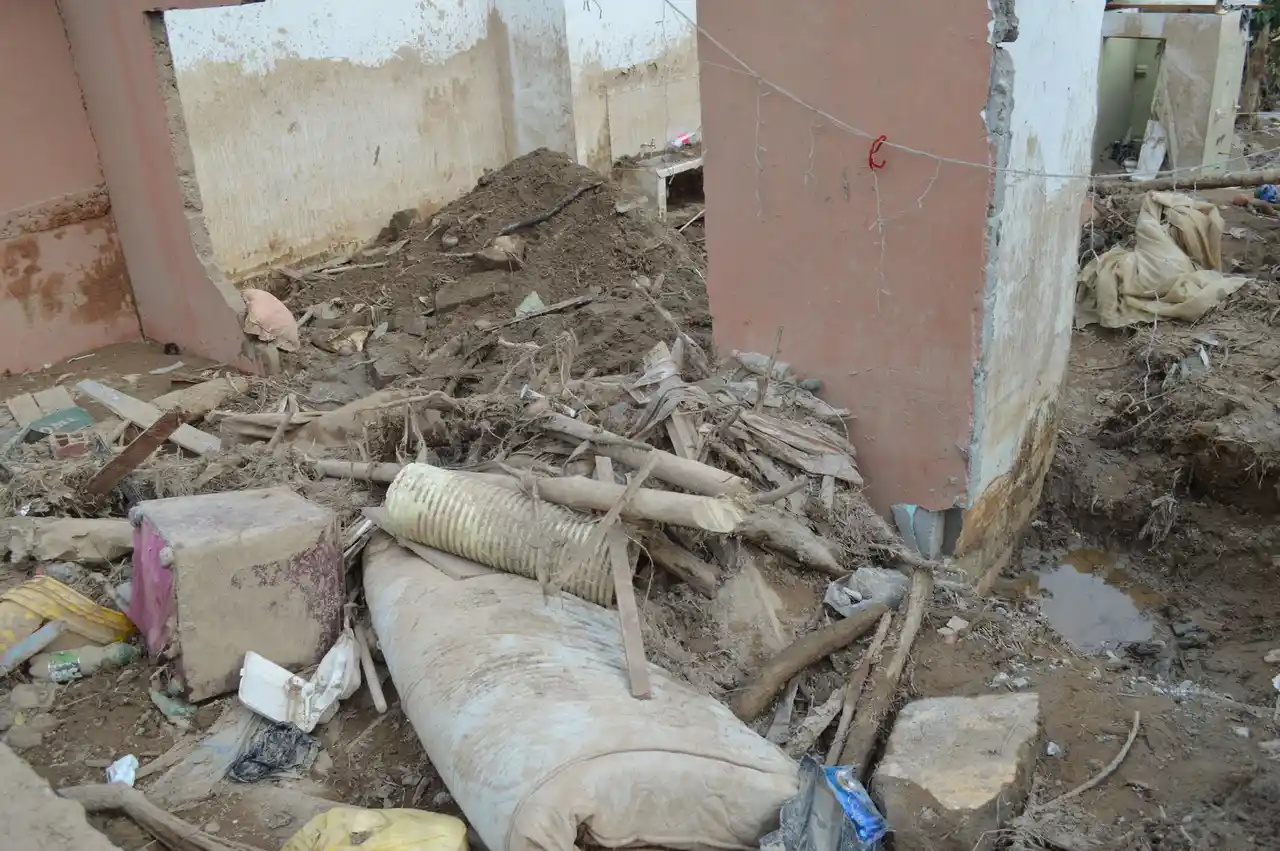
You notice a musty smell and stained ceiling after a storm.
We inspect with a thermal imaging camera and moisture meter. We find the leak, dry the attic, and repair the ceiling.
Outcome: The smell is gone, the ceiling is repaired, and mold is prevented.
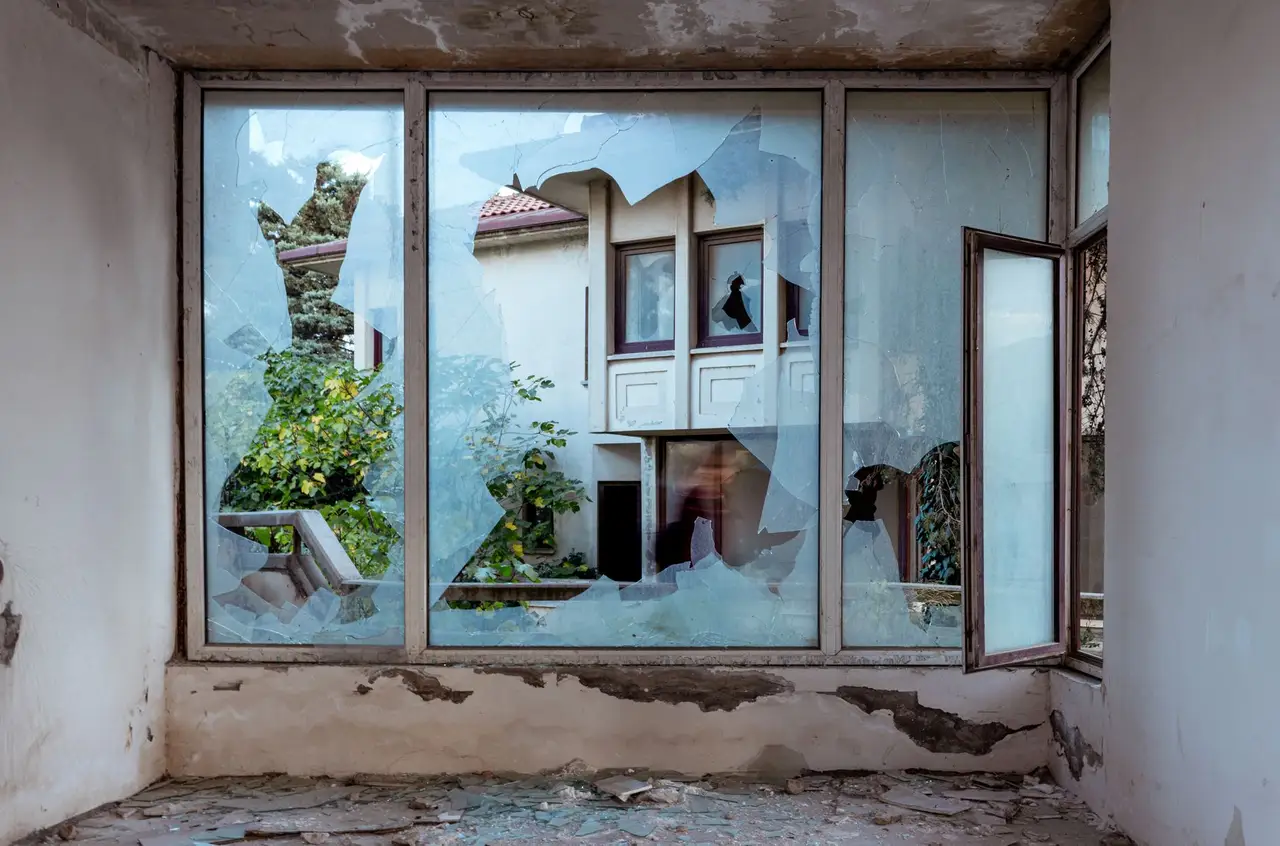
Your water heater leaks and soaks the garage floor and wall.
We extract the water, remove wet drywall, and dry the framing. We coordinate the water heater replacement.
Outcome: The garage is dry, the wall is repaired, and a new water heater is installed.
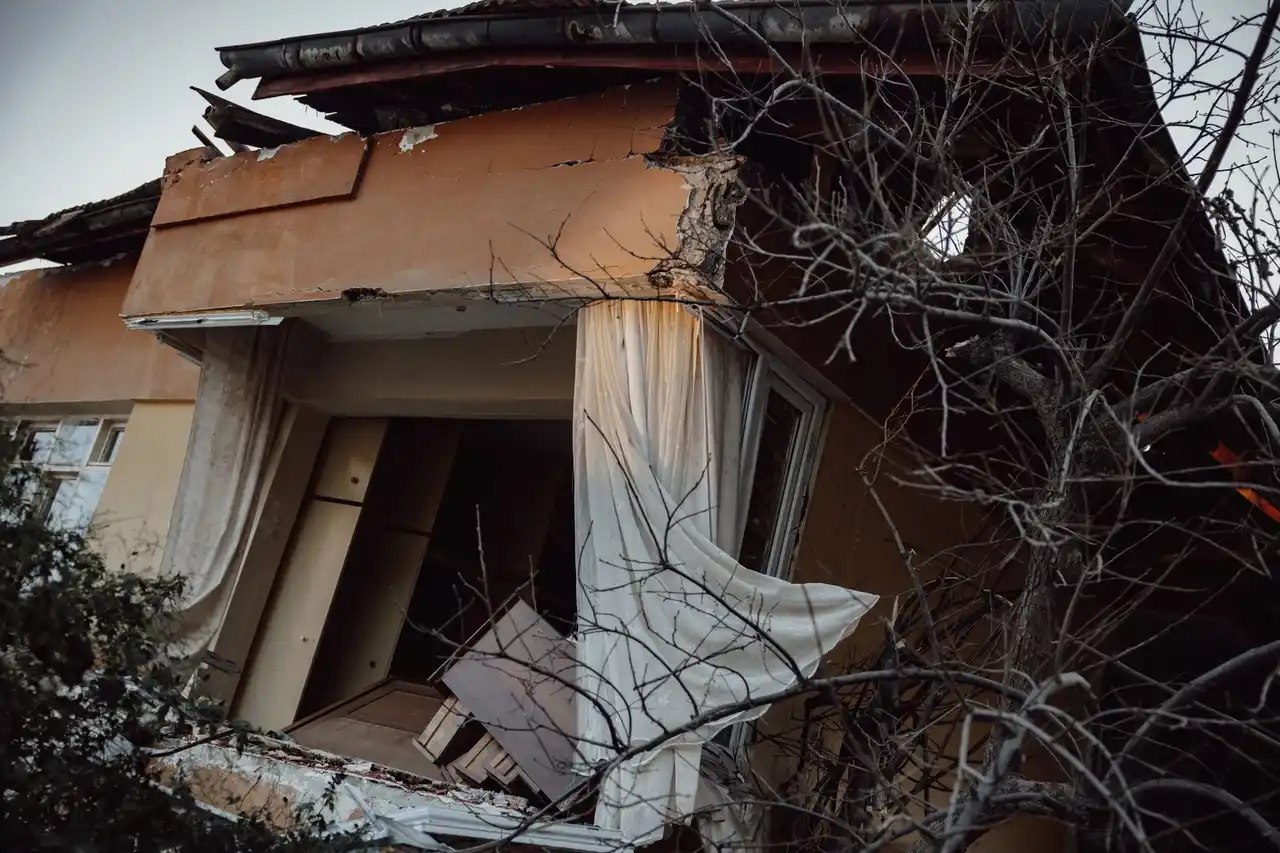
A sewage backup floods your basement with contaminated water.
We suit up in PPE, extract the water, remove contaminated materials, and disinfect. We dry the space and restore it.
Outcome: Your basement is safe, clean, and dry, with no lingering odors.
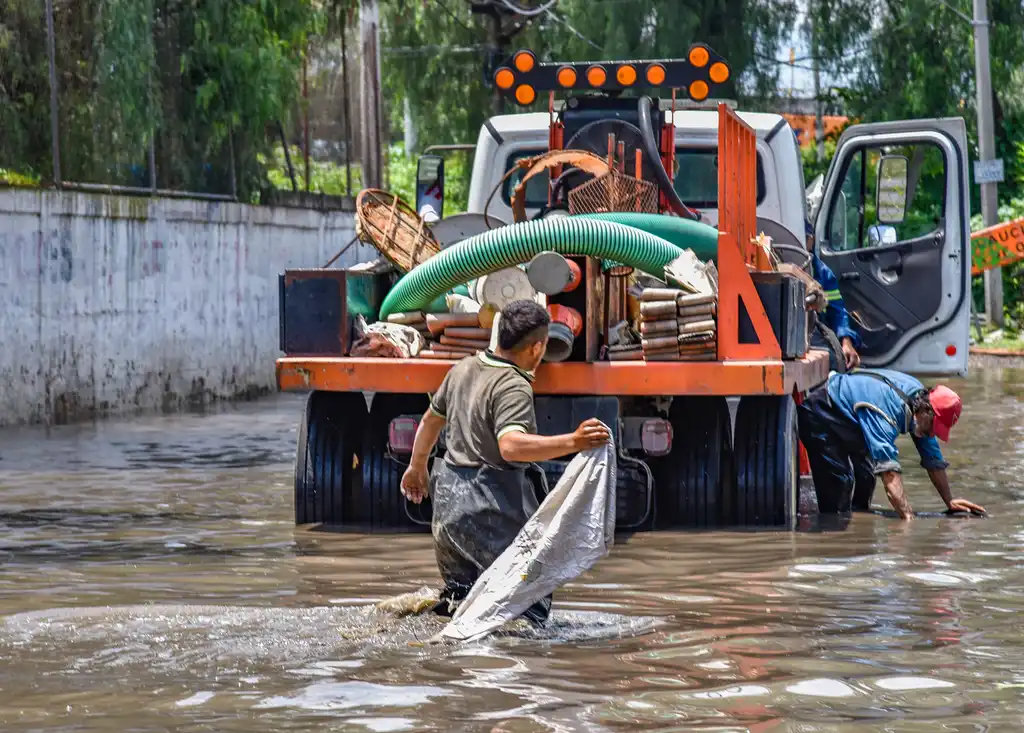
You return from vacation to find a slab leak has warped your hardwood floors.
We locate the leak with thermal imaging, repair the slab, and use a floor drying mat to save the wood. We refinish if needed.
Outcome: Your floors are flat and finished, and the leak is fixed.
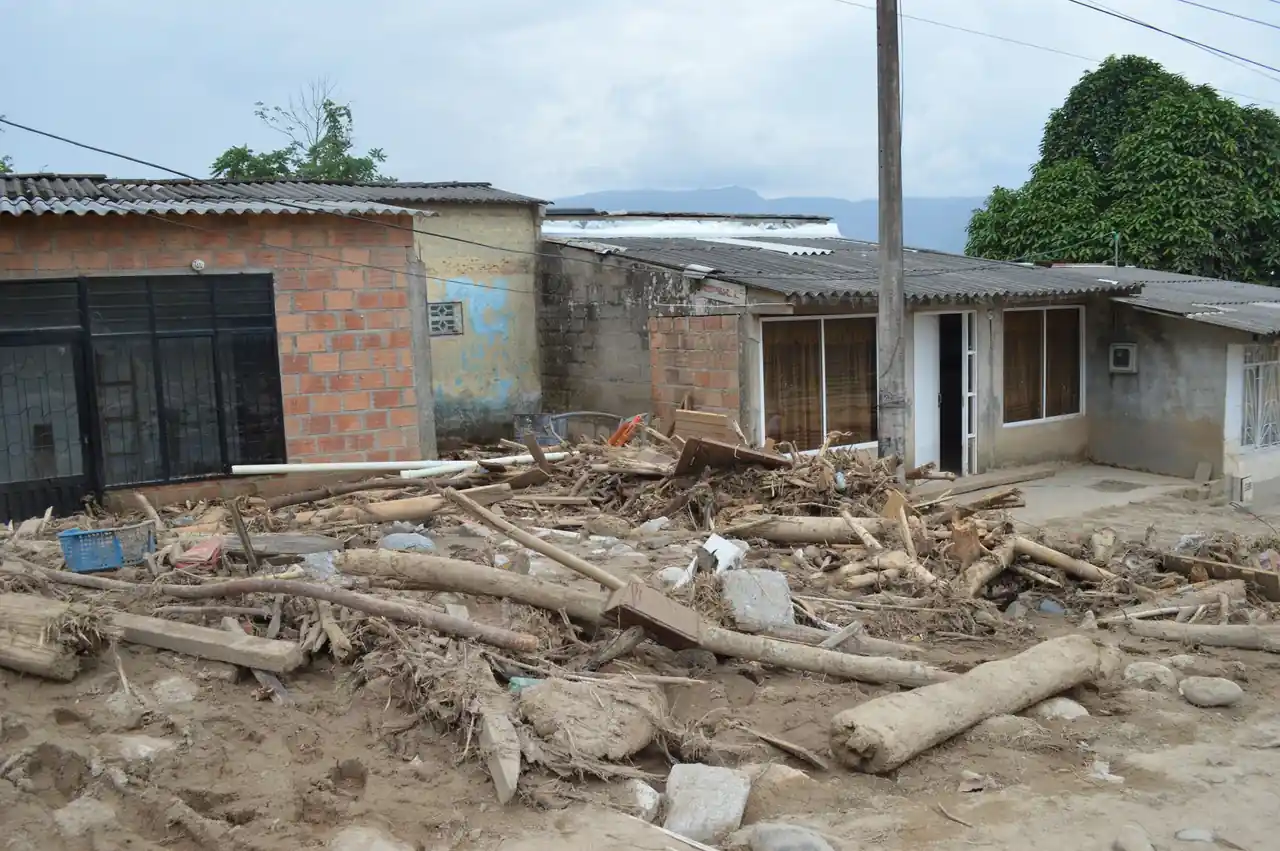
Fort Worth's climate swings from humid springs to occasional hard freezes in winter. That means we see two peak seasons for water damage: spring storm flooding and winter burst pipes. The city's older neighborhoods like Fairmount and Arlington Heights have original hardwood floors and cast iron drains that need careful drying.
Newer builds in the TCU Area and West 7th often have PEX plumbing, which can fail at fittings. We know these local patterns. When you call for residential water damage restoration Fort Worth Texas, we bring the right equipment for your home's construction. We also work with Tarrant County's permitting office when repairs require a permit.
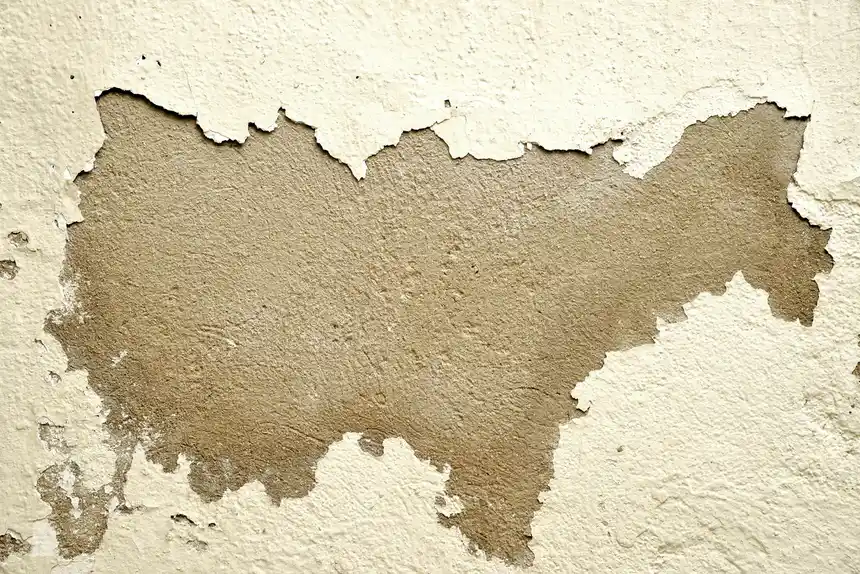
Before: A supply line burst in the upstairs bathroom, sending water through the ceiling into the living room. Carpet was soaked, drywall was sagging, and the homeowner was worried about mold.
After: We extracted 40 gallons of water, removed wet drywall, and dried the structure in four days. New drywall was installed and painted to match. Moisture readings were normal at the final walkthrough.
We recommended checking supply lines annually and installing a water leak sensor. The homeowner now has one under each sink.
Before: A slab leak soaked the hardwood floors in a 1940s bungalow. Boards were cupping, and the homeowner noticed a musty smell. The leak had been running for weeks.
After: We located the leak with thermal imaging, coordinated the slab repair, and used a floor drying mat to save the wood. After drying, we sanded and refinished the floors. They look original.
We suggested monitoring water pressure and checking for warm spots on the floor. Early detection saves thousands.
Before: A sewage line backed up into a ground-floor condo, flooding the bathroom and hallway with contaminated water. The homeowner called us at 11 p.m.
After: We extracted the water, removed contaminated drywall and flooring, and disinfected per OSHA standards. After drying, we replaced materials and restored the space. The unit was rent-ready in eight days.
We recommended annual sewer line inspections and a backflow preventer. The HOA has since installed one.
From burst pipes to slab leaks, these are the calls we get most often from Fort Worth homeowners. If you're dealing with one of these, call us.
A dry home, documented for insurance, and repaired to match.
We aim to be at your door within 60 to 90 minutes for emergency calls in Fort Worth. The faster we extract water, the less chance mold growth takes hold. Our trucks carry water extraction units and air movers so drying starts the same visit.
That means they know how to read a moisture meter, set a drying chamber, and document daily readings. You get a dry home, not just a wet one that looks dry.
We work with Xactimate and photograph every affected area before, during, and after drying. Your adjuster gets a clean file with moisture maps and equipment logs. That speeds up your claim and reduces back-and-forth.
Once your structure is dry, we repair drywall, replace baseboards, and repaint. You don't have to hire a separate contractor. One crew handles extraction through reconstruction, so your home is move-in ready faster.
Clear records you can keep and share.
Shows affected areas before drying
Daily readings and equipment notes
Before, during, and after images
Confirms dry standard was met
Not all water damage is the same. The category of water determines how we dry and what we remove.
Clean water from a supply line or faucet.
Gray water from washing machines or toilets.
Black water from sewage or flooding.
A list like this tells people straight away whether you cover their street. Not listed? Call and ask: it only takes a minute.
Based in Fort Worth and covering the places around it. Pick one for local details.
A small appliance leak might be on the lower end, while a sewage backup affecting multiple rooms costs more. We provide a written estimate before work begins and bill your insurance directly when covered.
Fort Worth Restorations handles home water damage restoration near me Fort Worth TX calls daily. Call +18172709150 and we'll dispatch the nearest crew. We serve Downtown, Sundance Square, West 7th, and all of Tarrant County.
Most homeowner policies in Texas cover sudden water damage like burst pipes or appliance failures. Gradual leaks or flooding from outside may not be covered. We document everything with photos and moisture maps for your adjuster. Our team works with all major carriers and can help you file the claim.
Extraction takes one to three hours. Structural drying typically runs three to five days, with daily monitoring. Repairs like drywall and paint add another two to five days. A typical job is complete in seven to ten days. We give you a written timeline after the initial inspection.
Other services from the same team.
If your home has standing water or a burst pipe, call now. We'll tell you what to do while you wait and give you a realistic arrival window.
Call +1 817-270-9150 any time, day or night. We answer, ask a few questions about the source and the rooms affected, and dispatch a crew. If you prefer email, send photos and your address to [email protected] and we will follow up with next steps.