For Homes
We check your floors, walls, ceilings, and crawl space for hidden moisture. You get readings and a plan before any repair starts.
- Warm spot on the floor
- Ceiling stain after rain
- Musty smell in basement
Water Damage Assessment and Inspection in Fort Worth is the first call when a slab leak, burst pipe, or storm flooding leaves you guessing where the water went. We use moisture meters, thermal imaging cameras, and hygrometers to map every wet pocket behind drywall, under hardwood flooring, and inside crawl spaces. Homeowners and property managers across Tarrant County get a same-day water damage inspection in Fort Worth with photos, readings, and a clear next step.
 Moisture readingsThermal scanWritten report
Every assessment covers the basics: a full walk-through, moisture readings, thermal imaging, and a written report. We also check crawl spaces and wall cavities when accessible. If you need mold testing, air sampling, or a full Xactimate estimate for reconstruction, we can add those to the scope. You pay for the assessment only, and we credit that fee toward the repair if you hire us.
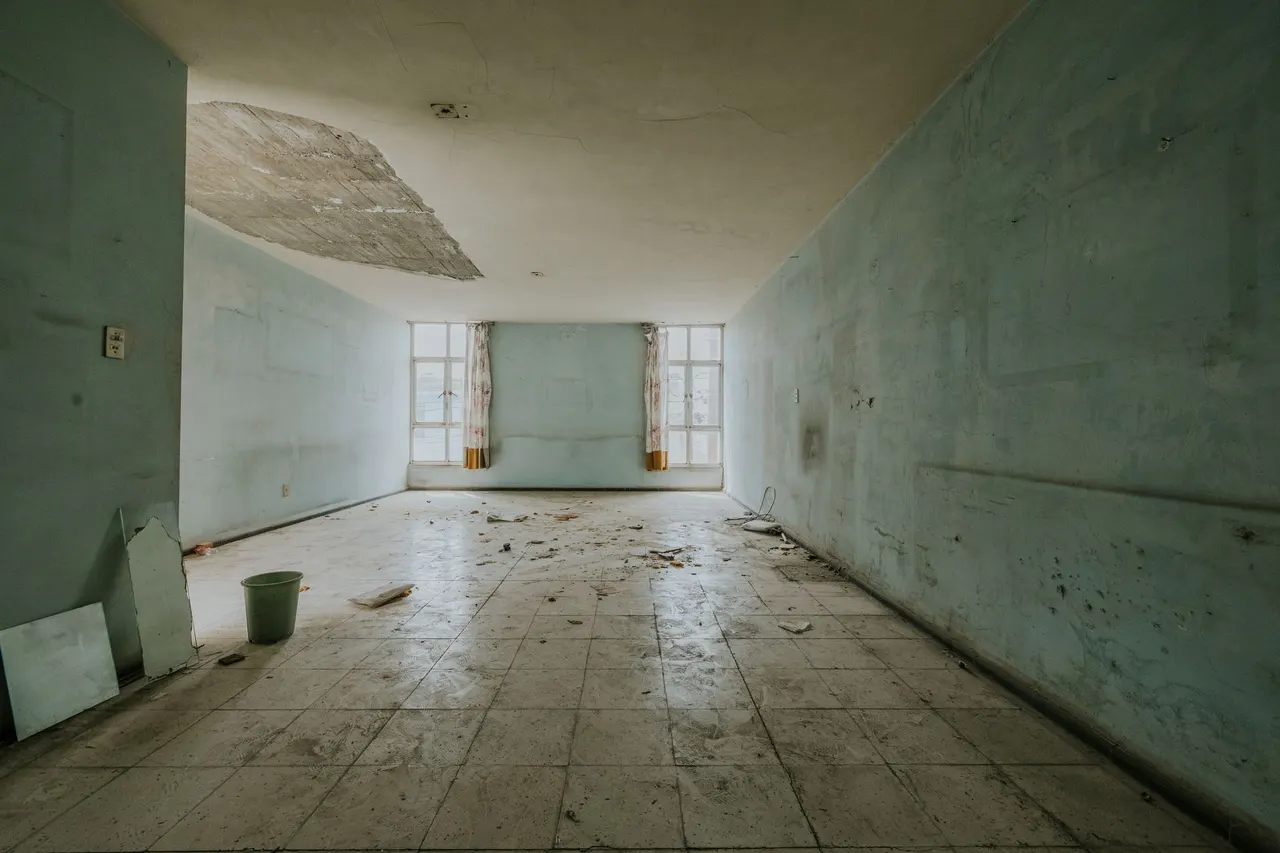
We inspect every room that could be affected, following the water path from the source. We check floors, walls, ceilings, baseboards, and crawl spaces. This gives us a complete picture of where the moisture traveled and what materials are wet.
We take pin-type and pinless moisture meter readings at multiple points in each affected room. You see the numbers and what they mean. We mark the boundary between wet and dry so you know exactly what needs drying.
A thermal imaging camera reveals temperature differences caused by evaporating moisture. We scan walls, ceilings, and floors to find hidden wet spots behind drywall and under flooring. This is how we catch slab leaks and slow appliance leaks before they cause major damage.
You receive a printed and digital report with photos, moisture readings, and a room-by-room scope. The report is formatted for Xactimate, so your insurance adjuster can process it without a second visit. This is your documentation for the claim.
We tell you what needs extraction, what needs drying, and what needs replacement. You get a clear next-step plan with timelines and costs. No vague estimates, no pressure to decide on the spot. You keep the report either way.
The approach is the same for a home and a business. What changes is the access, the schedule and who needs the paperwork.
We check your floors, walls, ceilings, and crawl space for hidden moisture. You get readings and a plan before any repair starts.
We assess offices, retail, and warehouses for water intrusion and document for your insurance. We work after hours to keep you open.
A plain-language look at what Water Damage Assessment and Inspection involves and when it is needed.
See how it worksWater Damage Assessment and Inspection in Fort Worth is a diagnostic service that locates moisture, measures how far it has spread, and documents what needs drying or repair. We start with a walk-through, then run a moisture meter and thermal imaging camera across walls, ceilings, and floors. A hygrometer reads relative humidity in each room, and a boroscope checks inside wall cavities where a slab leak or appliance leak has been running unseen. You get readings, photos, and a written scope the same day.
Fort Worth homes deal with burst pipes after a hard freeze, sewage backup during spring storms, and slab leaks that quietly soak a foundation for weeks. We see wet basements in older Fairmount bungalows and ceiling water stains in two-story builds near the TCU Area. If you search for water damage assessment near me Fort Worth, you want someone who knows how Tarrant County soil movement and North Texas temperature swings affect your plumbing. We do.
Water damage assessment finds the moisture you cannot see and documents it for repair.
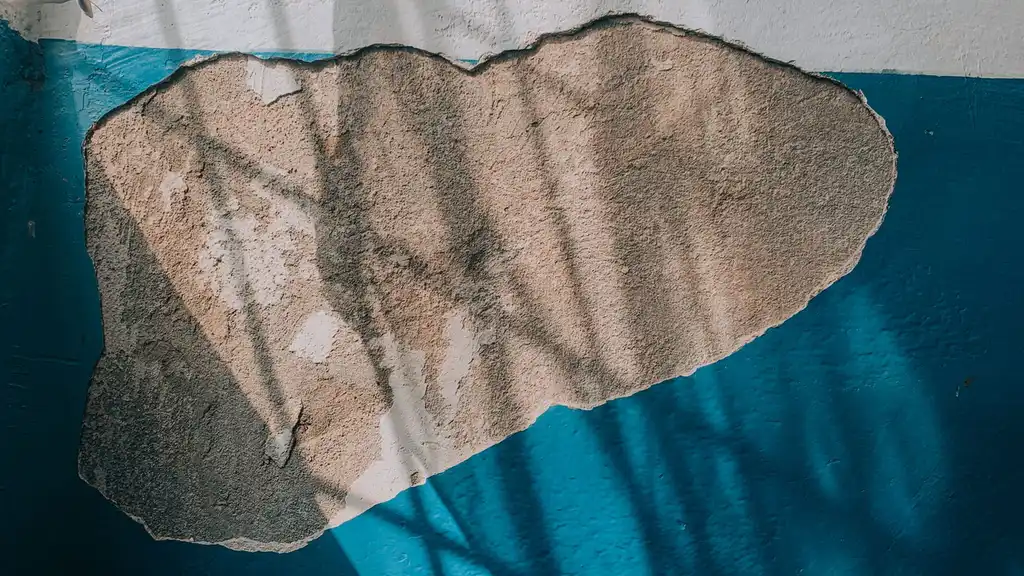
Every job follows the same five steps. You know what is happening and why at each stage.
You call and describe what happened. We ask about the water source, how long it has been wet, and whether sewage is involved. We schedule a same-day water damage assessment Fort Worth TX visit, usually within two to four hours. You get a text with the technician name and arrival window.
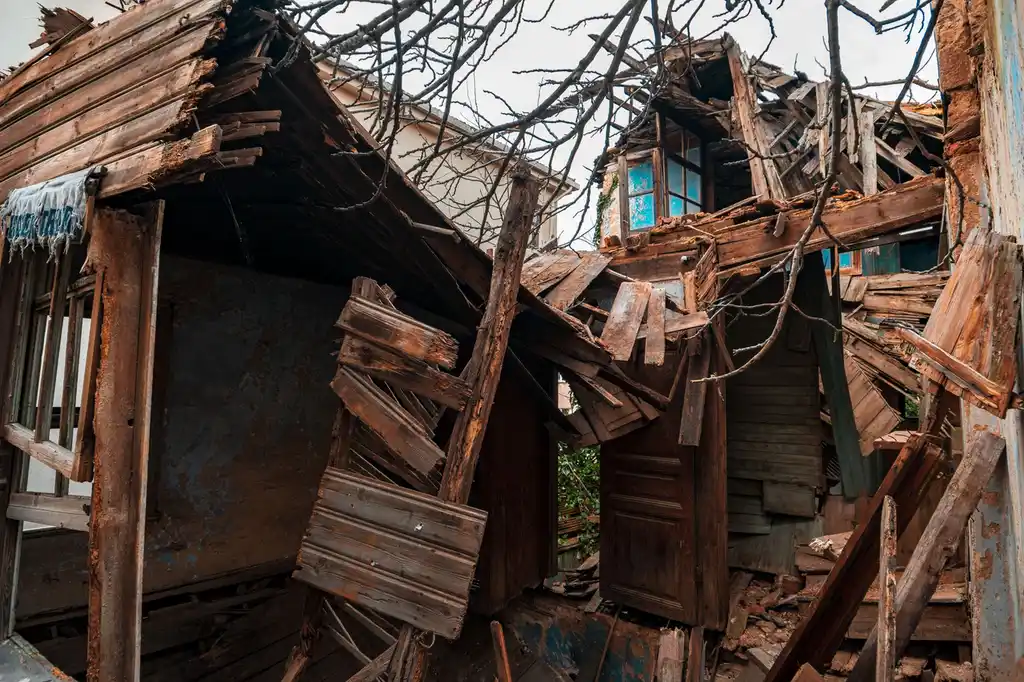
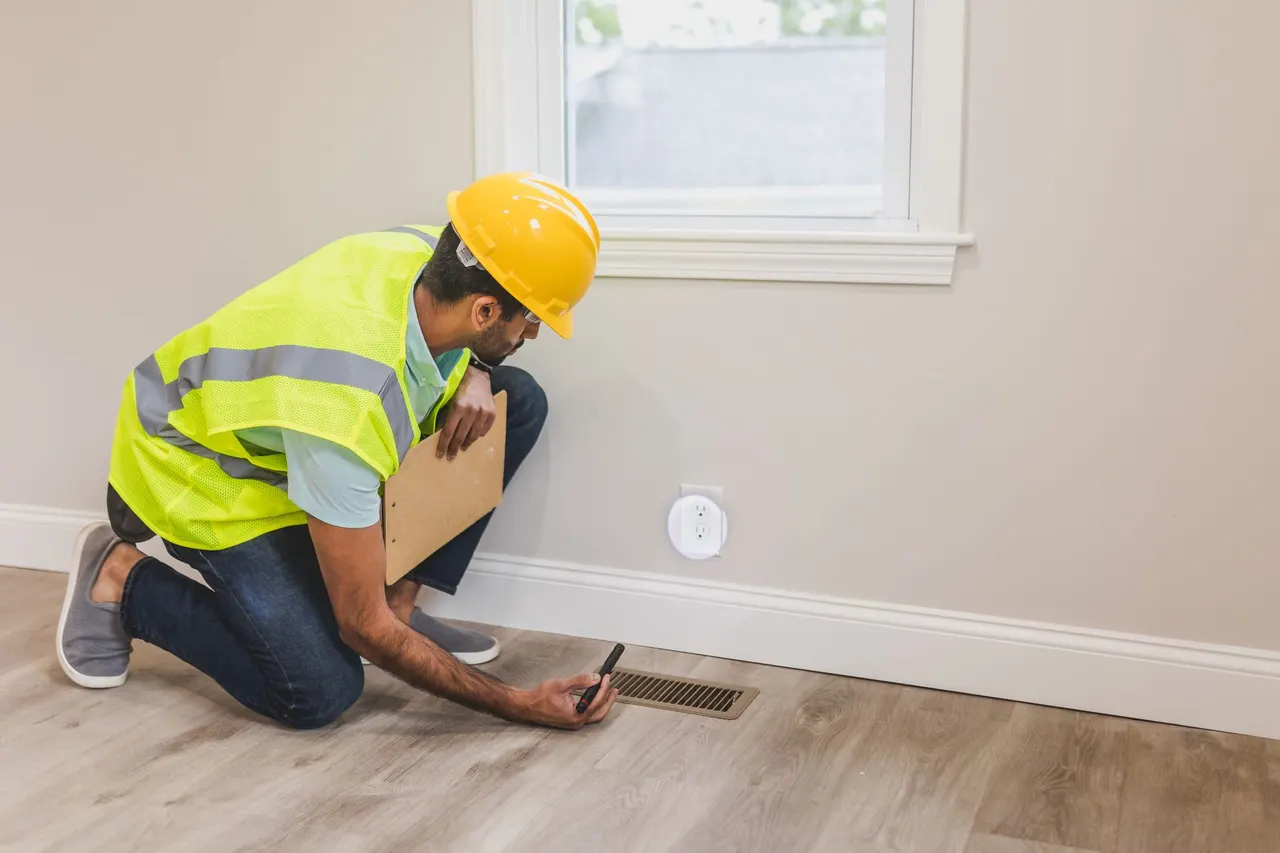
We walk the property with you, starting at the source and following the water path. We check the floor, walls, ceiling, and crawl space. A moisture meter and infrared thermometer give us baseline readings. This takes 20 to 30 minutes for a typical Fort Worth home.
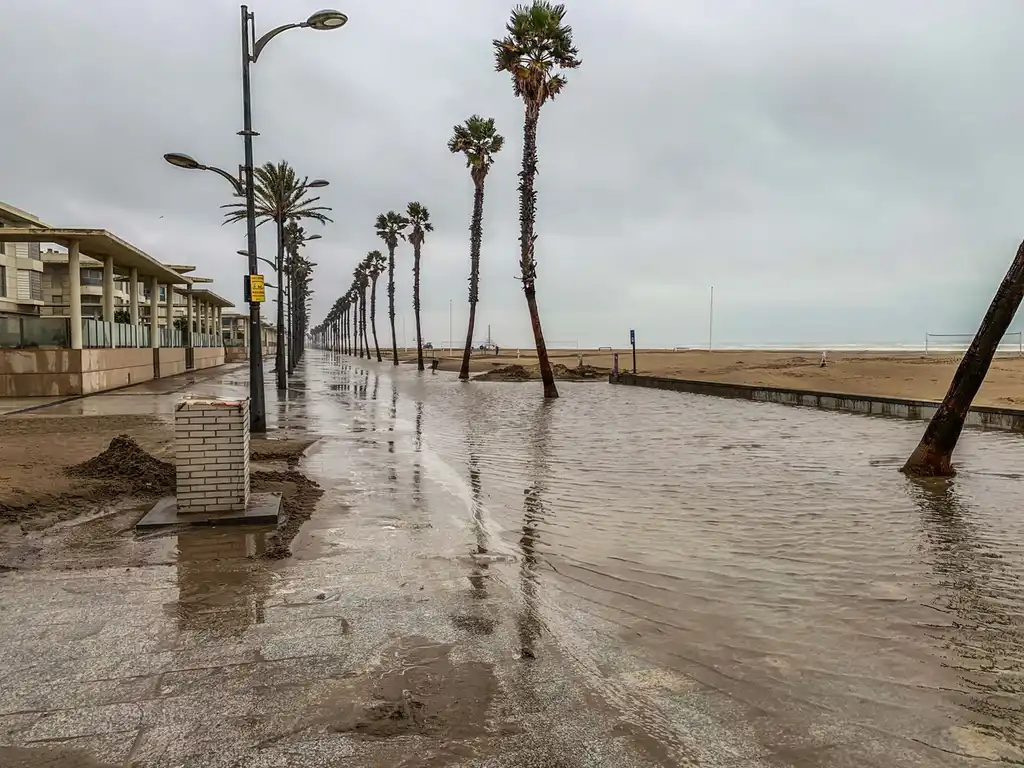
We map wet zones with a thermal imaging camera and take hygrometer readings in every affected room. A boroscope checks inside wall cavities. We mark boundaries with tape so you can see exactly where the moisture stops. This step takes 30 to 45 minutes depending on square footage.
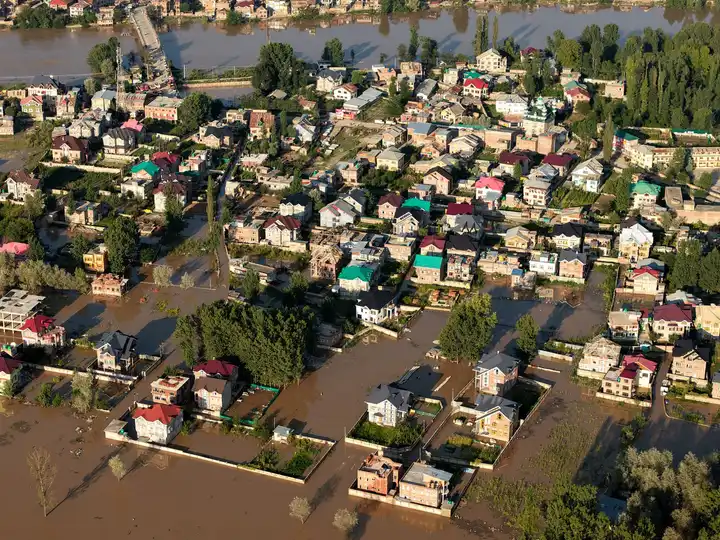
We compile photos, moisture readings, and a room-by-room scope into a report. You get a printed copy and a digital file. We walk you through what needs drying, what needs repair, and what can stay. This is the document your insurance adjuster will want.
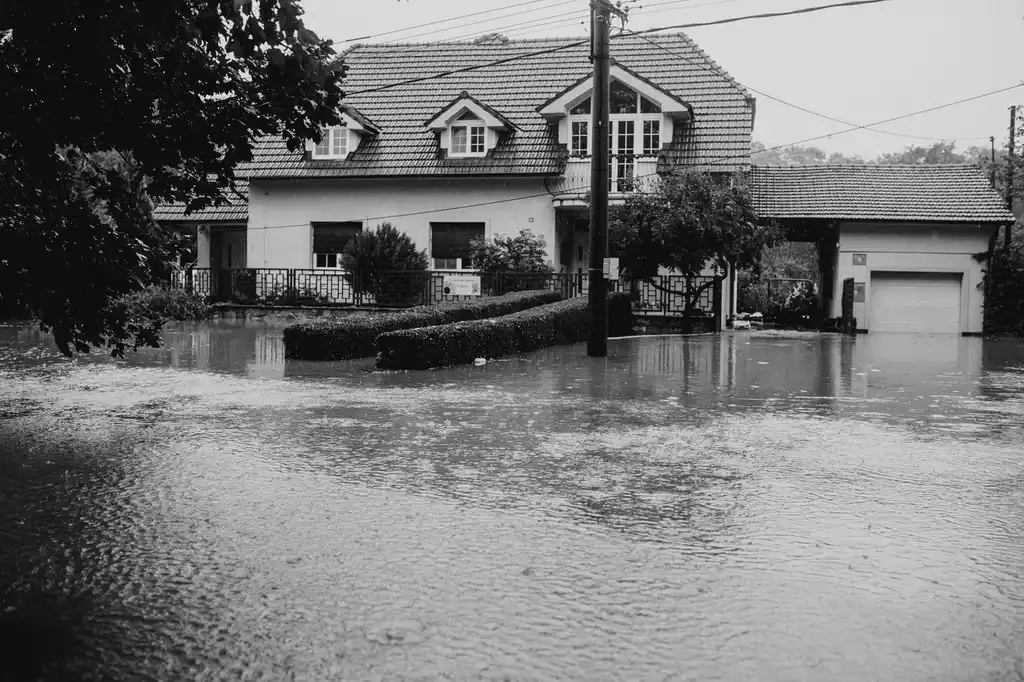
We explain your options: emergency water extraction, structural drying, mold remediation, or reconstruction. If you approve, we schedule the work before we leave. If you want a second opinion, you keep the report. No pressure, no same-day decision required.
Move across a circle, or focus it and press Enter, for an illustrative thermal view of the photograph.
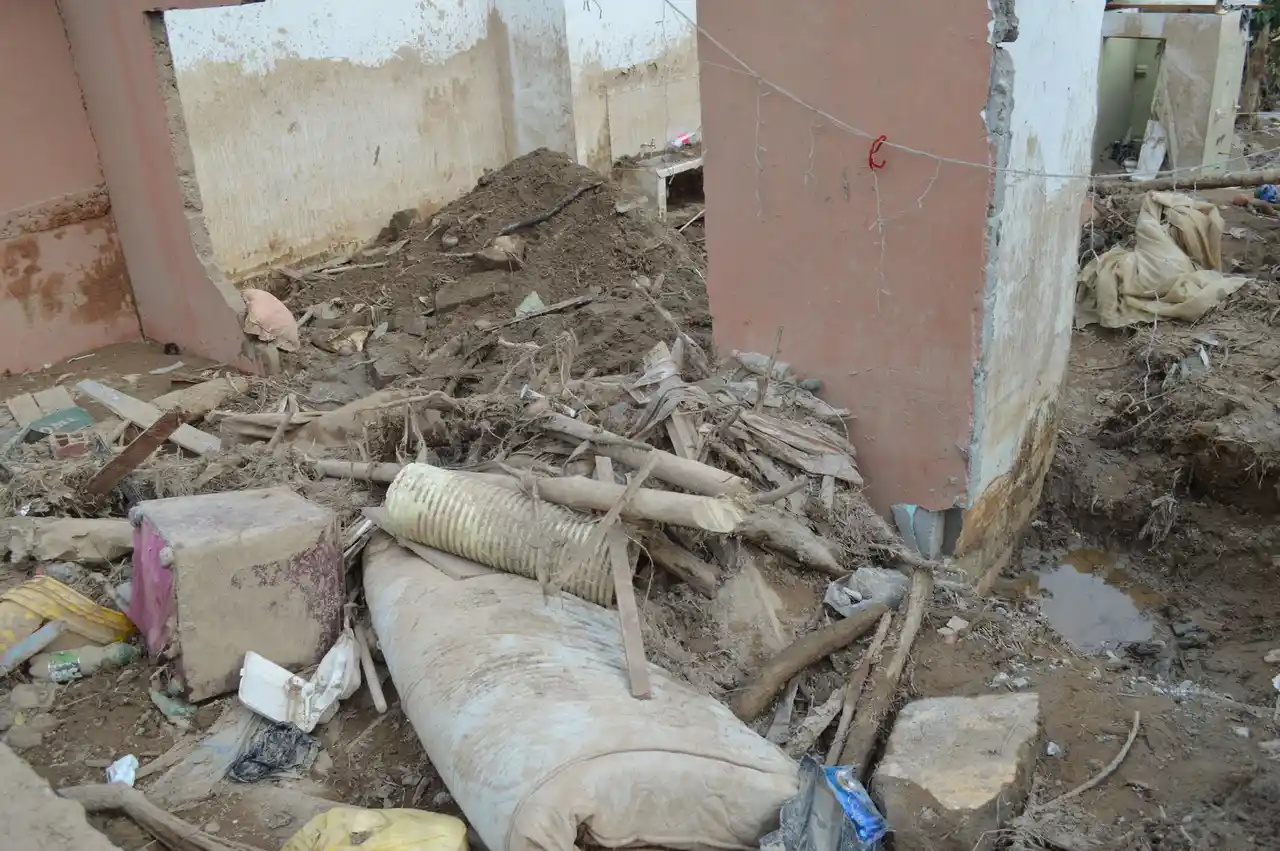
Pin-type and pinless meters measure moisture content in drywall, wood, and concrete. We use them to find wet spots and track drying progress.
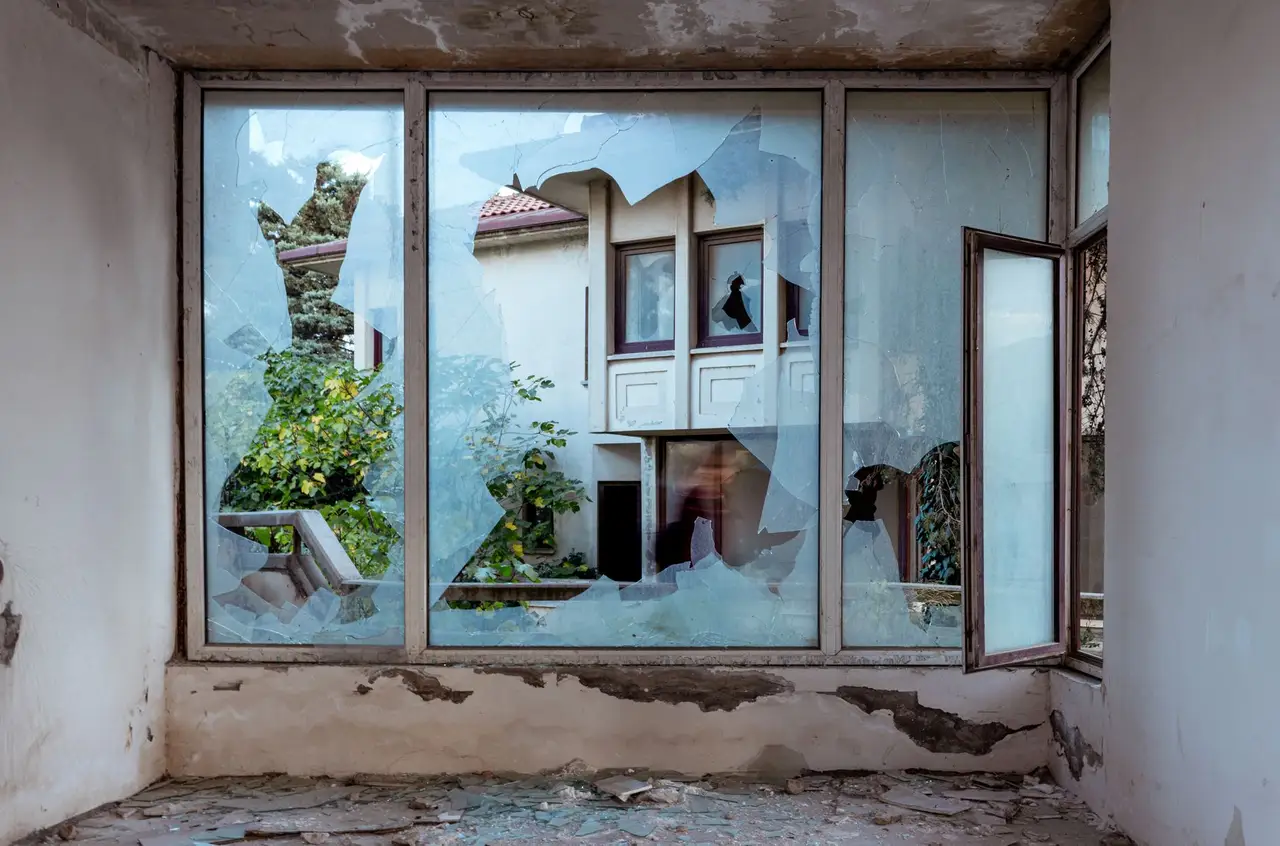
Infrared cameras reveal temperature differences caused by evaporating moisture. We use them to scan walls, ceilings, and floors for hidden wet areas.
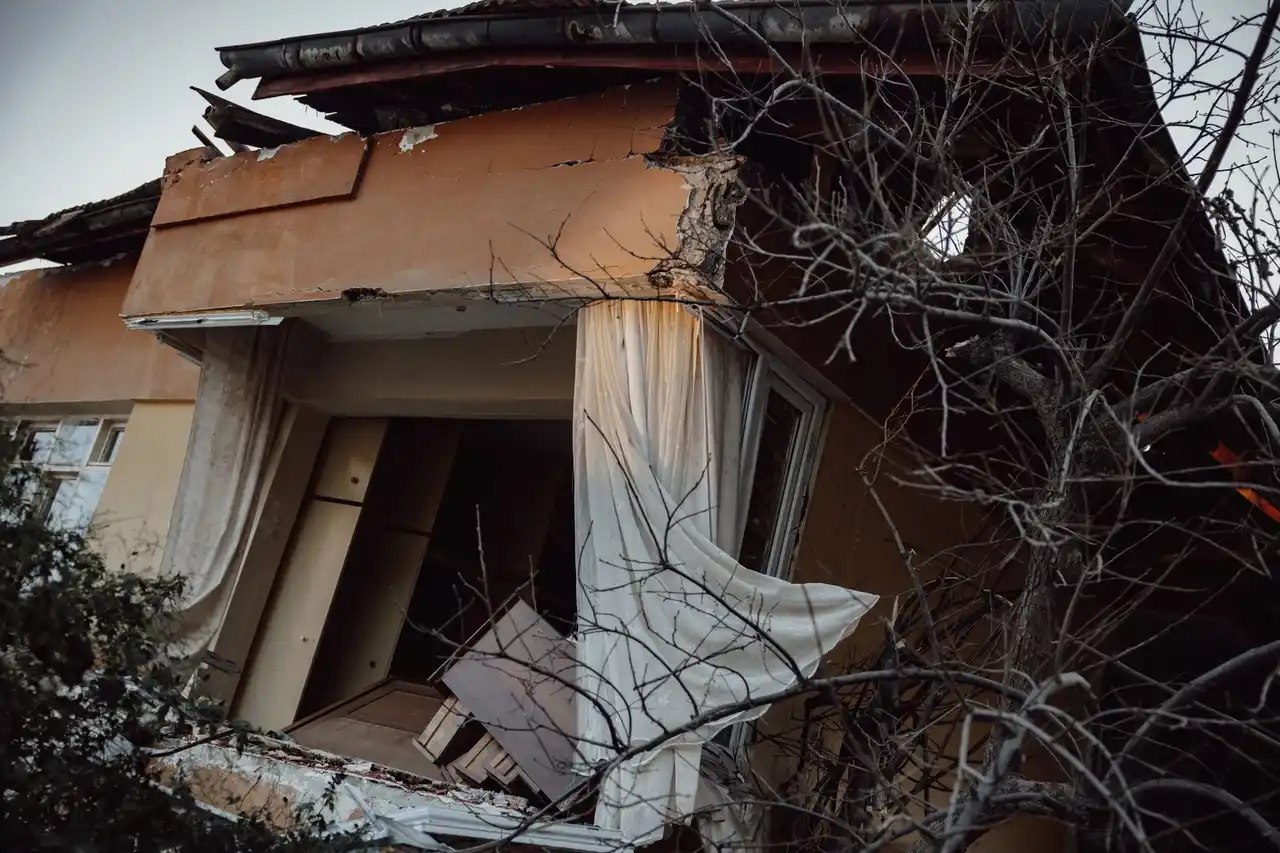
Measures relative humidity in the air. We use it to determine whether the space needs dehumidification and to monitor drying conditions.

A flexible camera that lets us see inside wall cavities and crawl spaces without demolition. We use it to check for hidden moisture and mold.
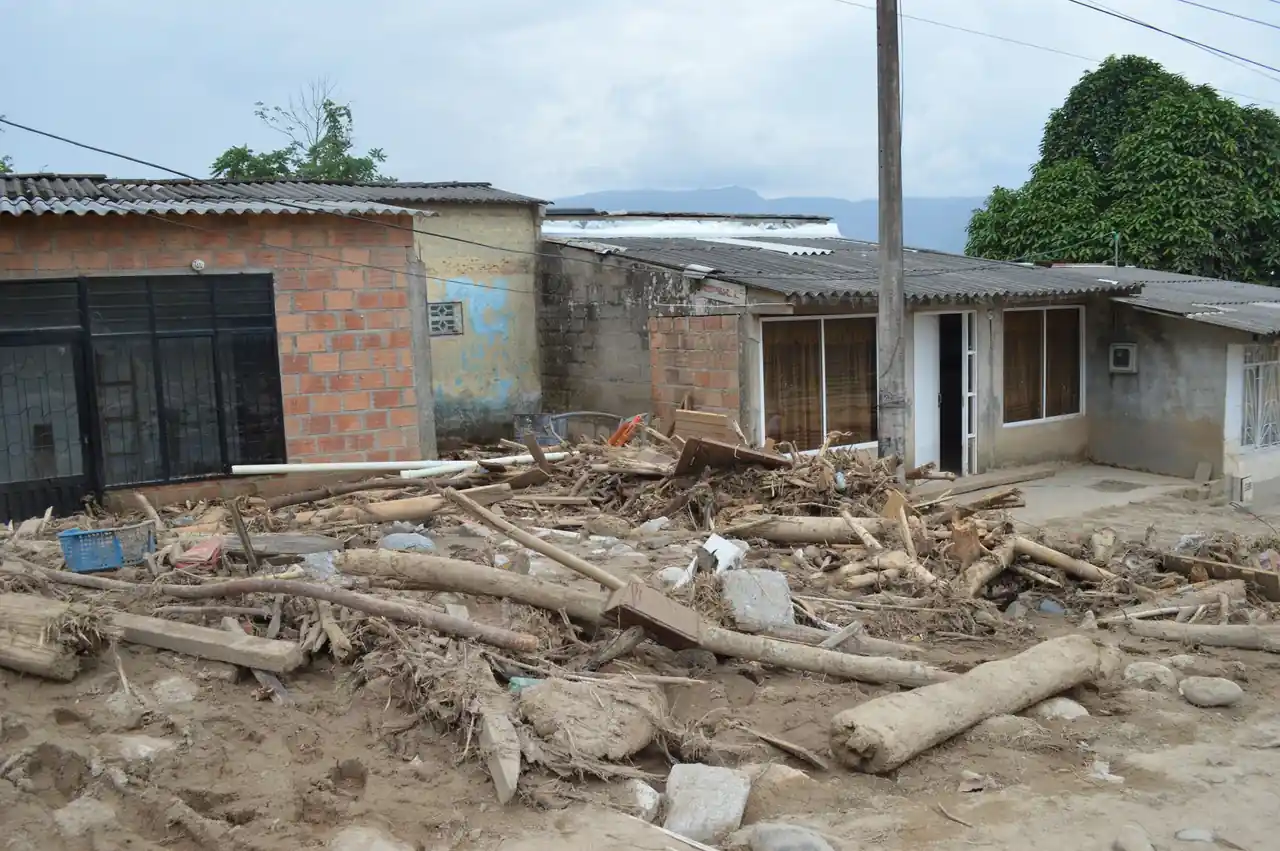
Measures surface temperature without contact. We use it to spot cold spots that indicate evaporative cooling from a hidden leak.
Thermal views are illustrative, generated from the photographs.
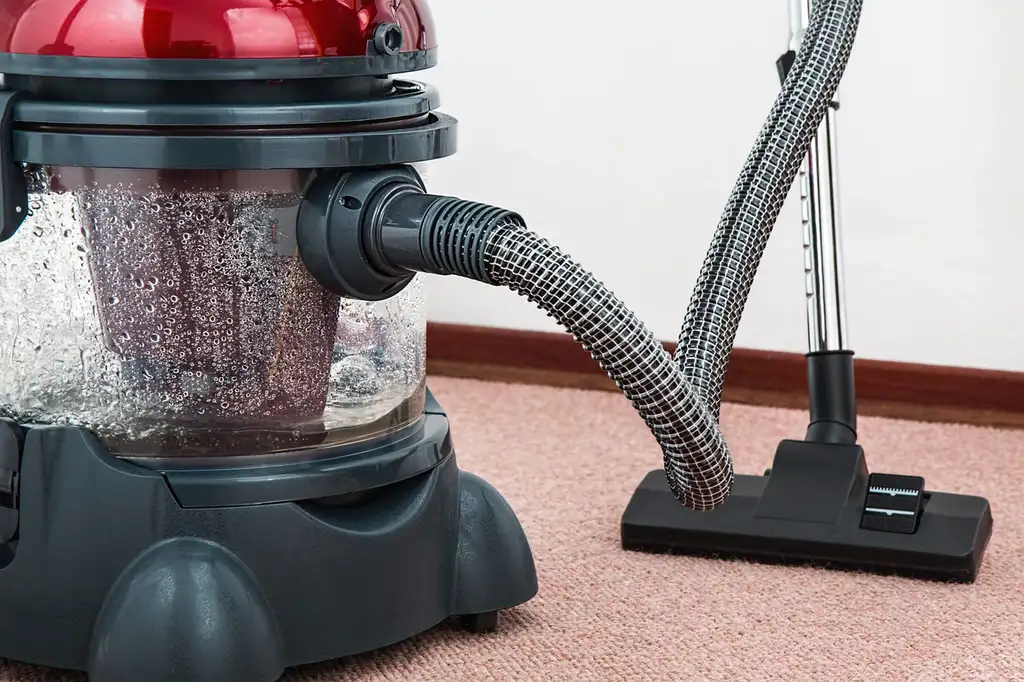
Heavy-duty vacuums that remove standing water from floors and carpets. We use them when the assessment shows standing water.
Pulls moisture from the air to speed drying. We use Dri-Eaz and Phoenix Restoration Equipment dehumidifiers on every drying job.
We follow the IICRC S500 standard for water damage restoration. It defines categories of water contamination and classes of water damage, which determine the drying approach. Our assessment classifies the loss so the repair plan is correct.
We scan every affected room with a thermal imaging camera, looking for temperature anomalies that indicate moisture. This method finds wet spots behind drywall and under flooring without cutting into the structure.
We create a visual map of wet zones using moisture meter readings and thermal images. The map shows the boundary between wet and dry materials, so you know exactly what needs drying and what does not.
We format our reports in Xactimate, the industry-standard estimating software. This makes it easy for your insurance adjuster to process the claim. We include photos, moisture readings, and line items for the repair.
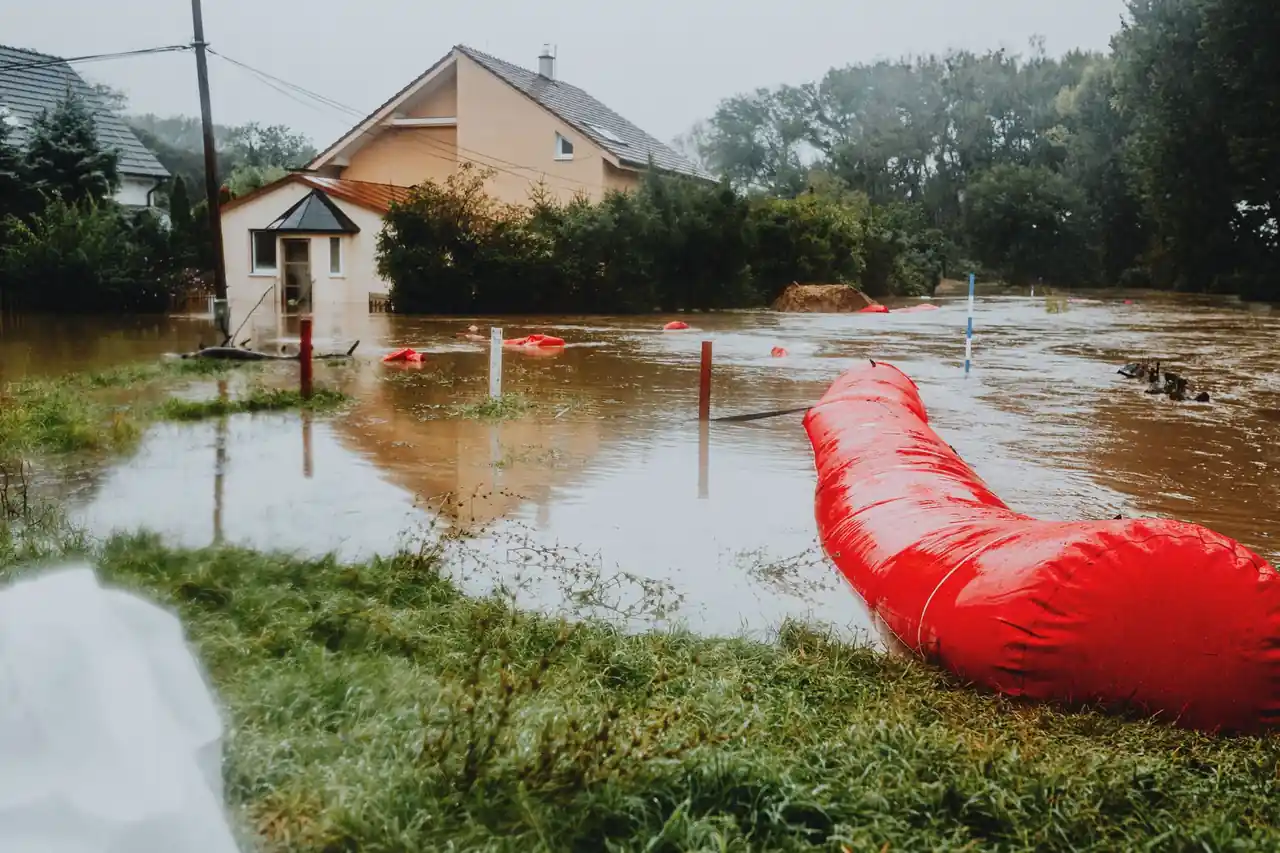
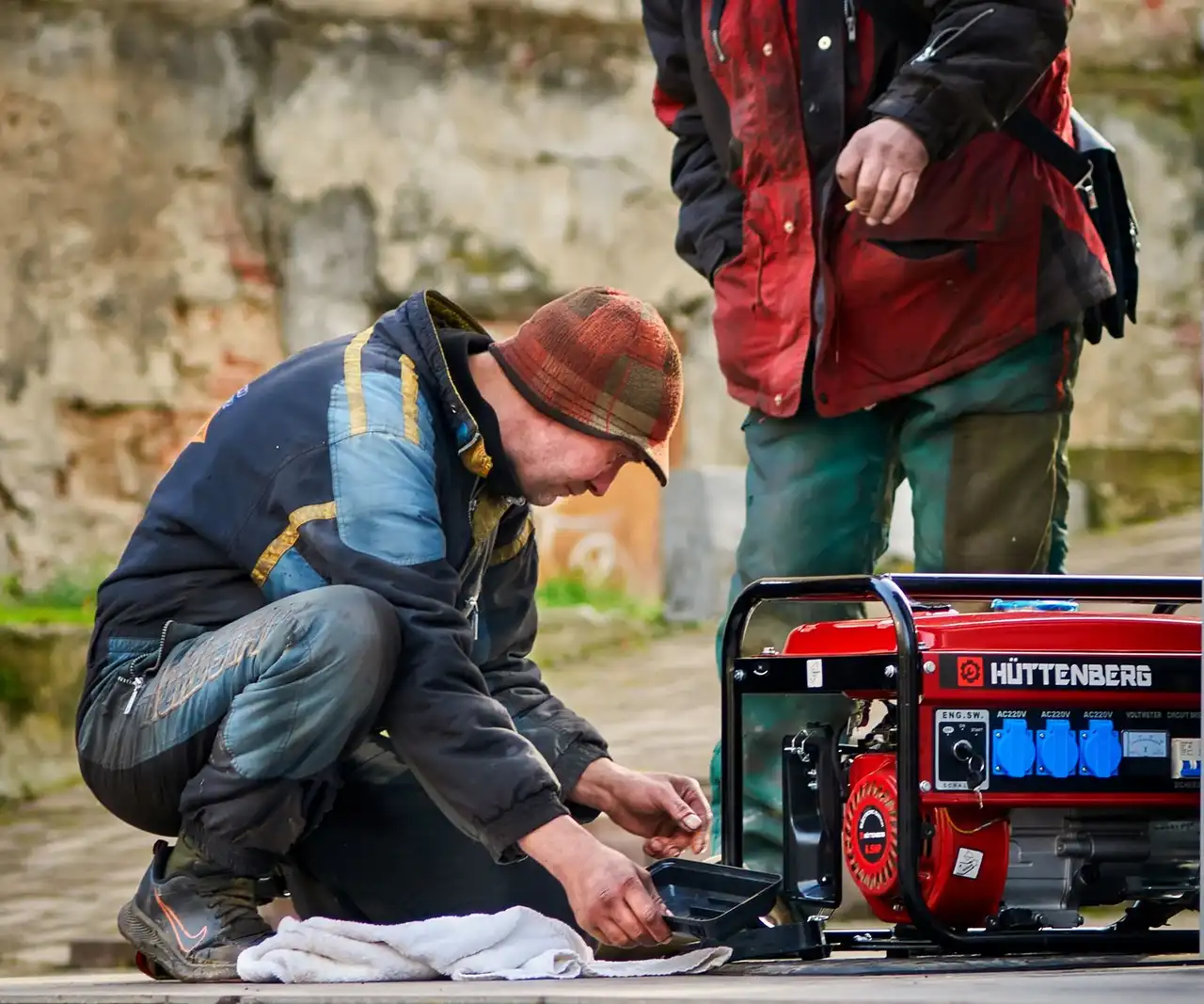
You notice a warm spot on the floor and your water bill jumped 30%.
We run a thermal imaging scan and moisture meter test to confirm a slab leak. Then we dry the structure and replace any damaged flooring.
Outcome: You get a confirmed diagnosis, a repaired slab leak, and a dry floor without unnecessary demolition.
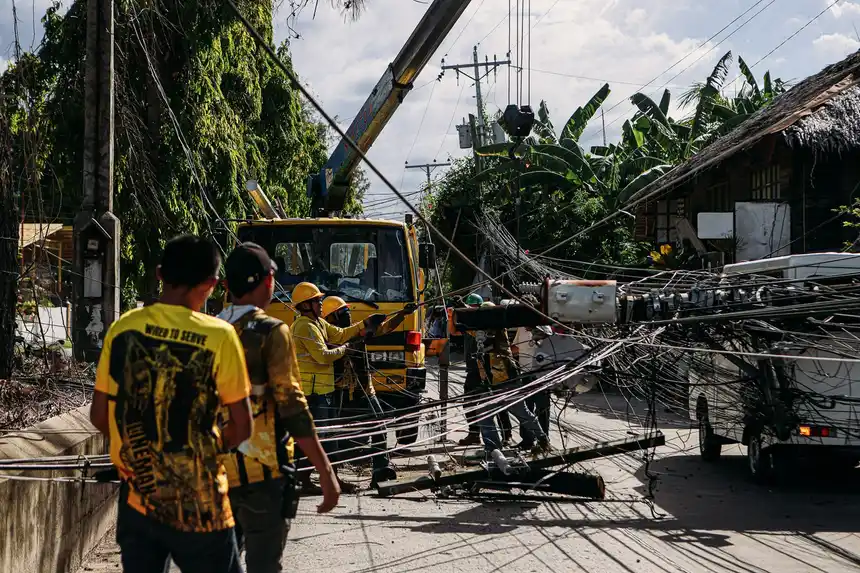
A pipe burst during the last freeze and water ran down inside the walls.
We use a boroscope to check inside wall cavities and a moisture meter to measure how far the water spread. We extract standing water, set up air movers and dehumidifiers, and document everything for your insurance claim.
Outcome: Your walls are dry, mold is prevented, and your insurance claim is documented with photos and readings.
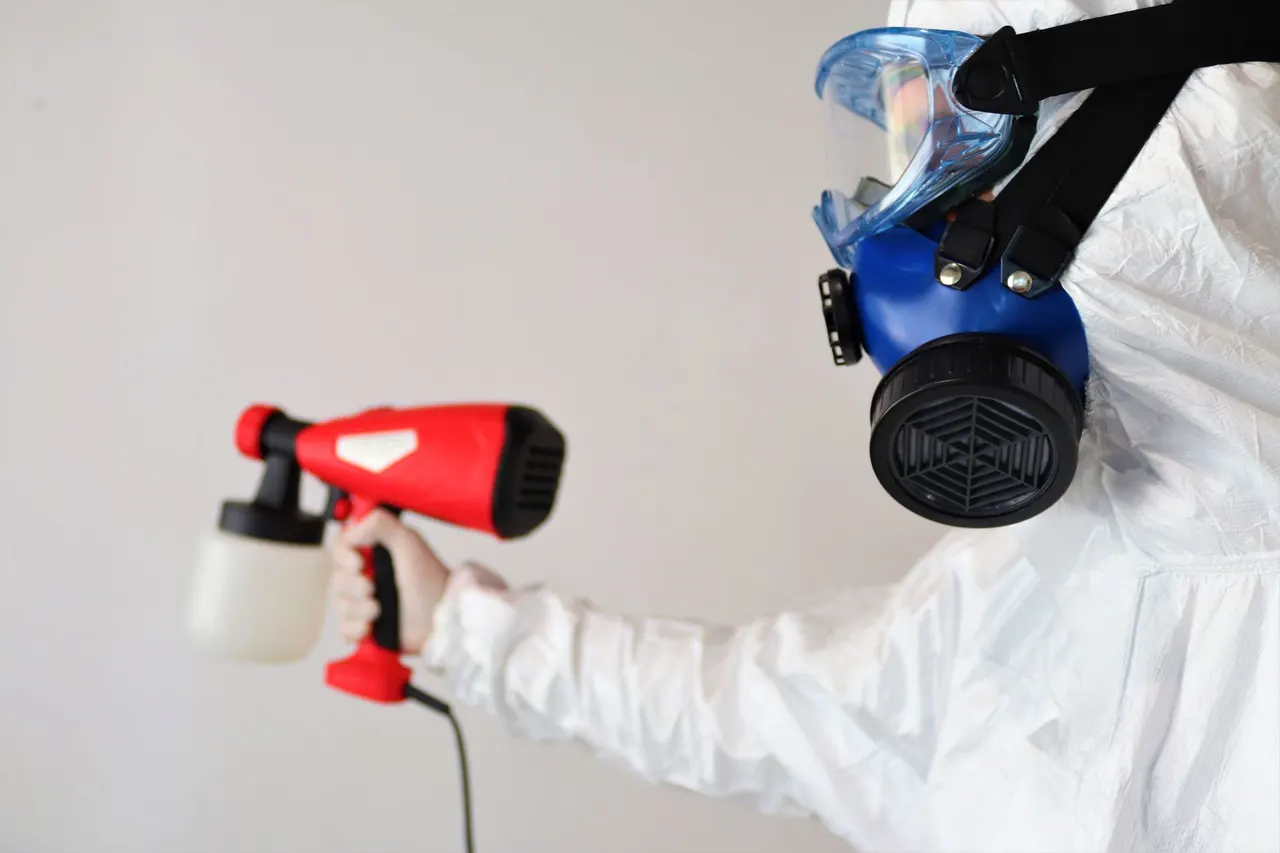
You are buying a home in Fort Worth and the inspection report mentions previous water damage.
We perform a full assessment to check for residual moisture, mold growth, and hidden damage behind walls. We provide a written report with thermal images and moisture readings so you know what you are buying.
Outcome: You get peace of mind and a negotiating tool. If moisture is found, you know the repair cost before you close.
Your commercial building had a roof leak and the ceiling tiles are stained.
We assess the affected area, check for moisture in the ceiling plenum, and document the damage for your insurance. We then handle the repair and drying after hours to minimize disruption to your business.
Outcome: Your building is dry, the ceiling is repaired, and your business stays open with minimal downtime.
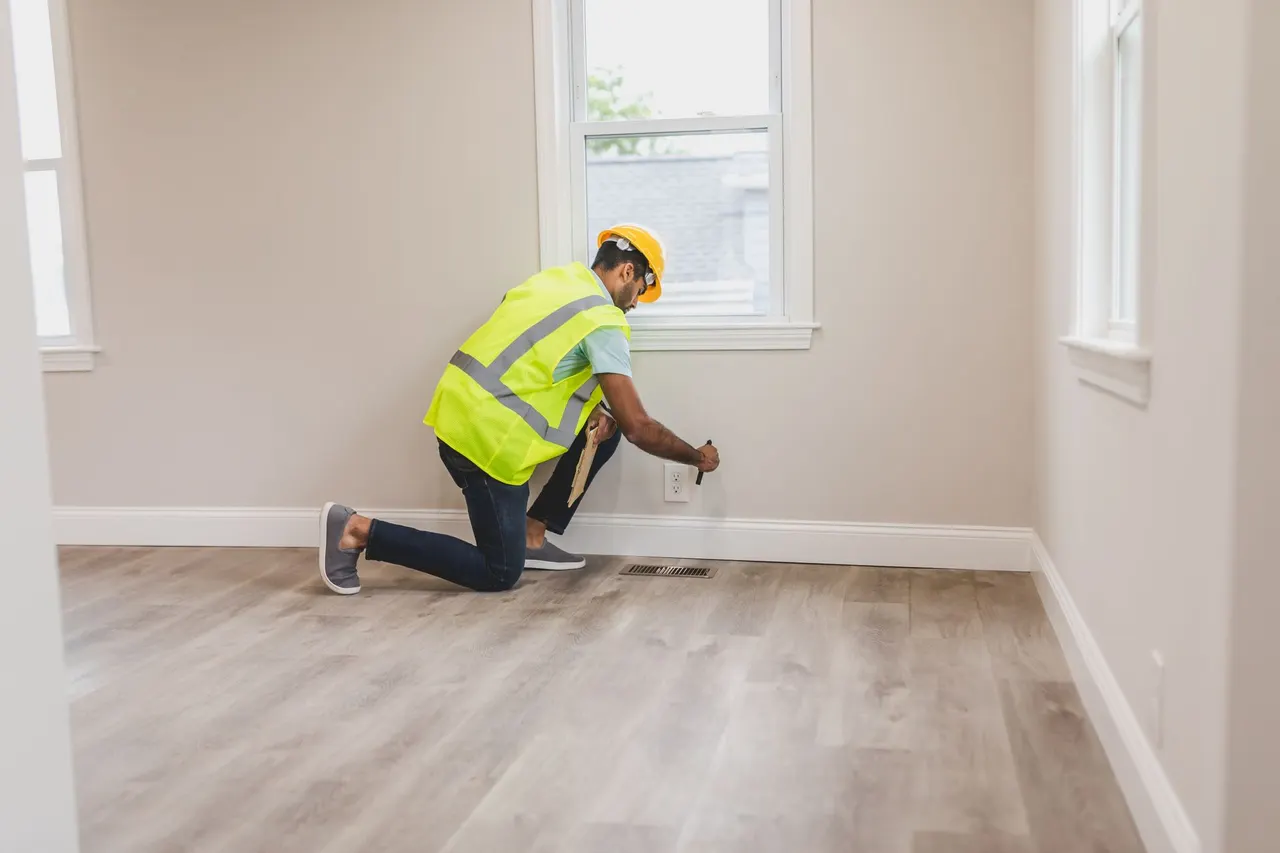
You smell a musty odor in the basement but cannot see any water.
We use a hygrometer and thermal camera to find the moisture source. It could be a crawl space issue, a foundation crack, or a slow leak. We map the moisture, identify the cause, and recommend the right fix.
Outcome: The odor is eliminated, the moisture source is fixed, and your basement stays dry.
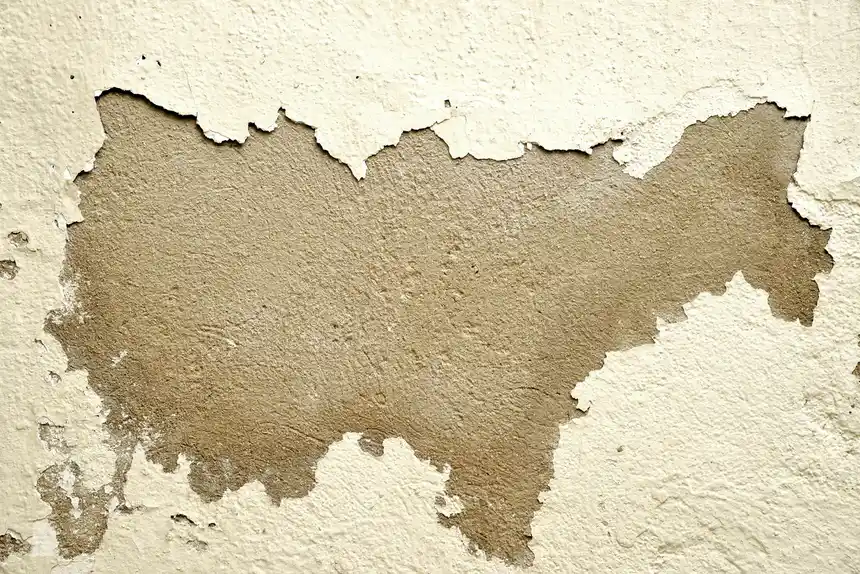
Fort Worth sits on expansive clay soil that swells when wet and shrinks when dry. That movement stresses plumbing lines under slab foundations, causing slab leaks that can run for weeks. We also get hard freezes that burst pipes in attics and exterior walls. Older neighborhoods like Fairmount and Arlington Heights have pier-and-beam foundations and galvanized pipes that corrode from the inside.
Newer builds near the TCU Area use PEX and PVC, but they still suffer from appliance leaks and storm flooding. When you call for a water damage assessment and inspection in Fort Worth TX, we bring the right tools for your building type. We check crawl spaces in pier-and-beam homes and use thermal imaging on slab-on-grade floors.
If you need emergency water damage inspection Fort Worth TX after a storm, we prioritize those calls.
Before: A homeowner noticed a warm spot on the hallway floor and a water bill that jumped 40%. The slab leak had been running for weeks, soaking the carpet padding and subfloor. Moisture readings were 28% in the hallway and 22% in the adjacent bedroom.
After: After extraction and three days of structural drying, moisture readings dropped to 12% in the hallway and 10% in the bedroom. We replaced the carpet padding and dried the subfloor.
We recommended a pressure test on the plumbing lines every two years and a moisture check in the hallway after heavy rain.
Before: A hard freeze burst a pipe in the attic. Water ran down inside the walls and soaked the insulation and drywall. The homeowner saw a ceiling stain but did not know the extent of the damage. Moisture readings were 35% in the ceiling and 30% in the wall.
After: We used a boroscope to confirm the burst pipe location and mapped the moisture with a thermal camera. We extracted standing water, removed wet insulation, and set up air movers and dehumidifiers. After four days, readings dropped to 11% and 9%. We replaced the drywall and painted the ceiling.
We told the homeowner to insulate exposed attic pipes and drip faucets during freezes.
Before: A sewage backup flooded a ground-floor bathroom and hallway. The water was contaminated and had soaked the baseboards and carpet padding. The homeowner was worried about health risks and the smell.
After: We assessed the contaminated zone and removed all porous materials. We treated the area with antimicrobial solution and ran air scrubbers for two days. Moisture readings returned to normal, and the odor was gone. We rebuilt the bathroom with new baseboards, drywall, and flooring.
We recommended a sewer line inspection every two years to catch root intrusion.
Water damage rarely announces itself. These are the problems we find and fix for Fort Worth homeowners and property managers.
A good assessment finds hidden moisture and gives you a clear repair plan.
Thermal imaging and moisture meters read through drywall, tile, and hardwood flooring. We pinpoint wet insulation and saturated carpet padding that looks dry on the surface. Catching a slab leak at 15% moisture instead of 40% saves thousands in structural drying and replacement.
We build a photo log, moisture map, and room-by-room readings formatted for Xactimate. Your adjuster gets clear evidence of the loss. Most Fort Worth water damage inspection reports we produce are accepted without a second visit, which speeds up your claim by days.
Mold growth can begin within 24 to 48 hours of a leak. Our assessment flags high-humidity zones and wet materials so you can dry them before spores colonize. We check crawl space moisture, baseboards, and plywood subfloors where mold hides.
You receive a written scope listing what needs extraction, what needs drying, and what needs replacement. No guesswork. We tell you which materials can be saved and which cannot, so you can budget with real numbers instead of vague estimates.
Clear records you can keep and share.
Images of every wet area
Visual boundary of wet zones
Room-by-room repair plan
Daily readings during drying
The type of water determines how we dry and what we can save.
From a burst pipe or supply line
From a washing machine or dishwasher
From sewage or storm flooding
A list like this tells people straight away whether you cover their street. Not listed? Call and ask: it only takes a minute.
Based in Fort Worth and covering the places around it. Pick one for local details.
A single-room check with a moisture meter and thermal scan is on the low end. A full-house assessment with crawl space access and a written Xactimate report is on the high end. We quote the fee before we arrive, and we credit it toward the repair if you hire us.
Fort Worth Restorations does. We are a local crew based in Fort Worth, not a franchise call center. We cover Downtown Fort Worth, Sundance Square, the Cultural District, West 7th, Near Southside, Fairmount, Arlington Heights, and the TCU Area. Call +1 817-270-9150 and we will schedule a same-day or next-morning visit.
A typical single-family home takes 60 to 90 minutes from arrival to written report. That includes the walk-through, moisture mapping, thermal imaging, and a review of findings. Larger homes or commercial spaces can take two to three hours. We do not rush. You get the full picture before we leave.
Most Texas homeowner policies cover the inspection when it is part of a covered loss, such as a burst pipe or storm flooding. We provide an Xactimate-compatible report with photos and moisture readings that your adjuster can process. We also work directly with Texas Department of Insurance guidelines to make sure your documentation meets claim requirements.
Other services from the same team.
Water does not wait, and neither should you. Call Fort Worth Restorations at +1 817-270-9150. We answer the phone, schedule a same-day visit, and give you a written report you can use.
Call +1 817-270-9150 any time, day or night. We answer, ask a few questions about the source and the rooms affected, and dispatch a crew. If you prefer email, send photos and your address to [email protected] and we will follow up with next steps.