For Homes
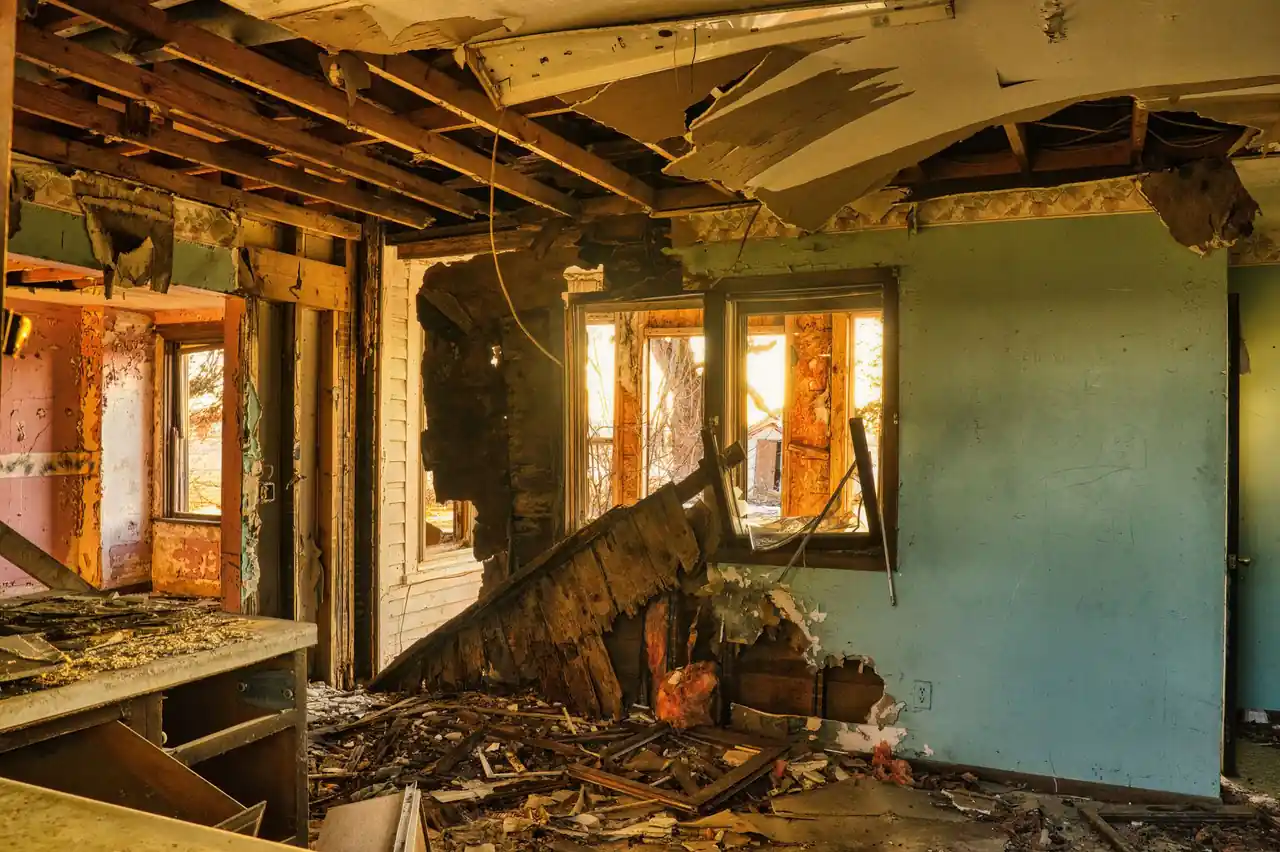
Sewage in a home is a health hazard, not a cleaning chore. We remove the waste, treat the surfaces, and dry the structure so your family can get back to normal.
- Toilet or drain backup
- Slab leak contamination
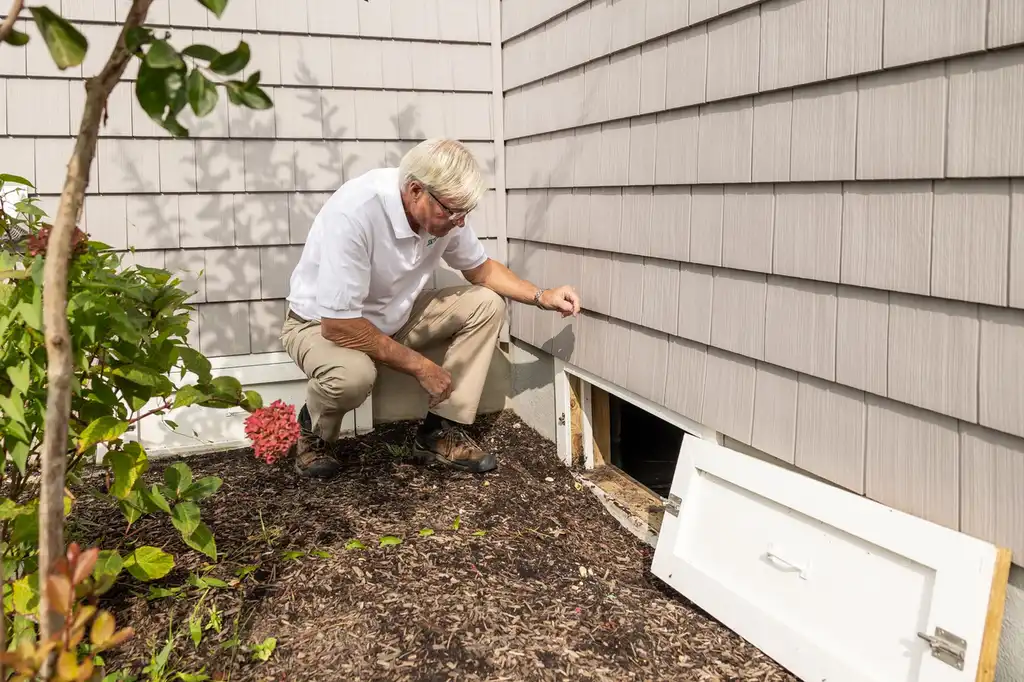
- Crawl space sewage
When a sewage backup floods your Fort Worth home, Biohazard and Sewage Decontamination Fort Worth TX is not a job for a mop and bleach. Our team removes the waste, kills the pathogens, and dries the structure so mold never gets a foothold. We handle emergency biohazard cleanup Fort Worth TX for homes and businesses across Tarrant County.
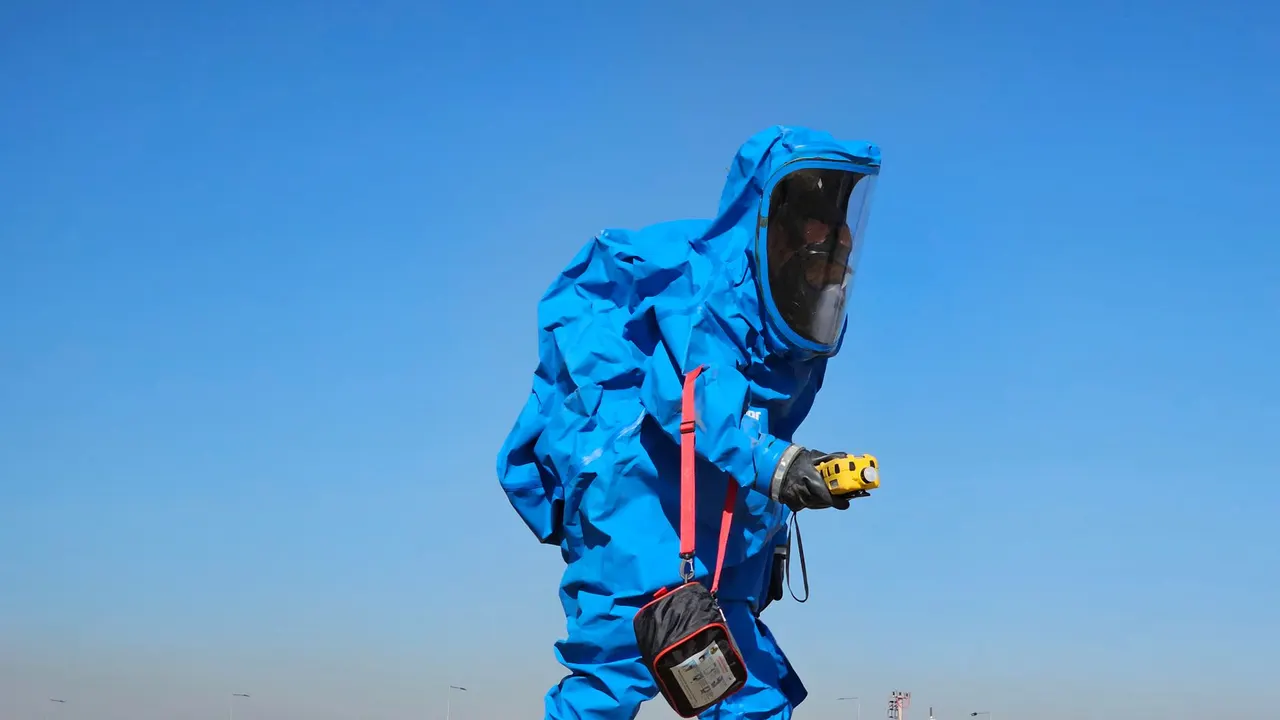 Contain the areaExtract the wasteVerify with meters
Every job is different, but most residential sewage cleanups include the same core steps. Here is what is typically covered. If your situation needs something extra, like reconstruction or contents cleaning, we will tell you upfront and price it separately.
We arrive, assess the source, and contain the affected area with plastic sheeting and negative air pressure. This stops pathogens and odors from spreading to clean rooms. Crews wear full PPE from the moment they step inside.
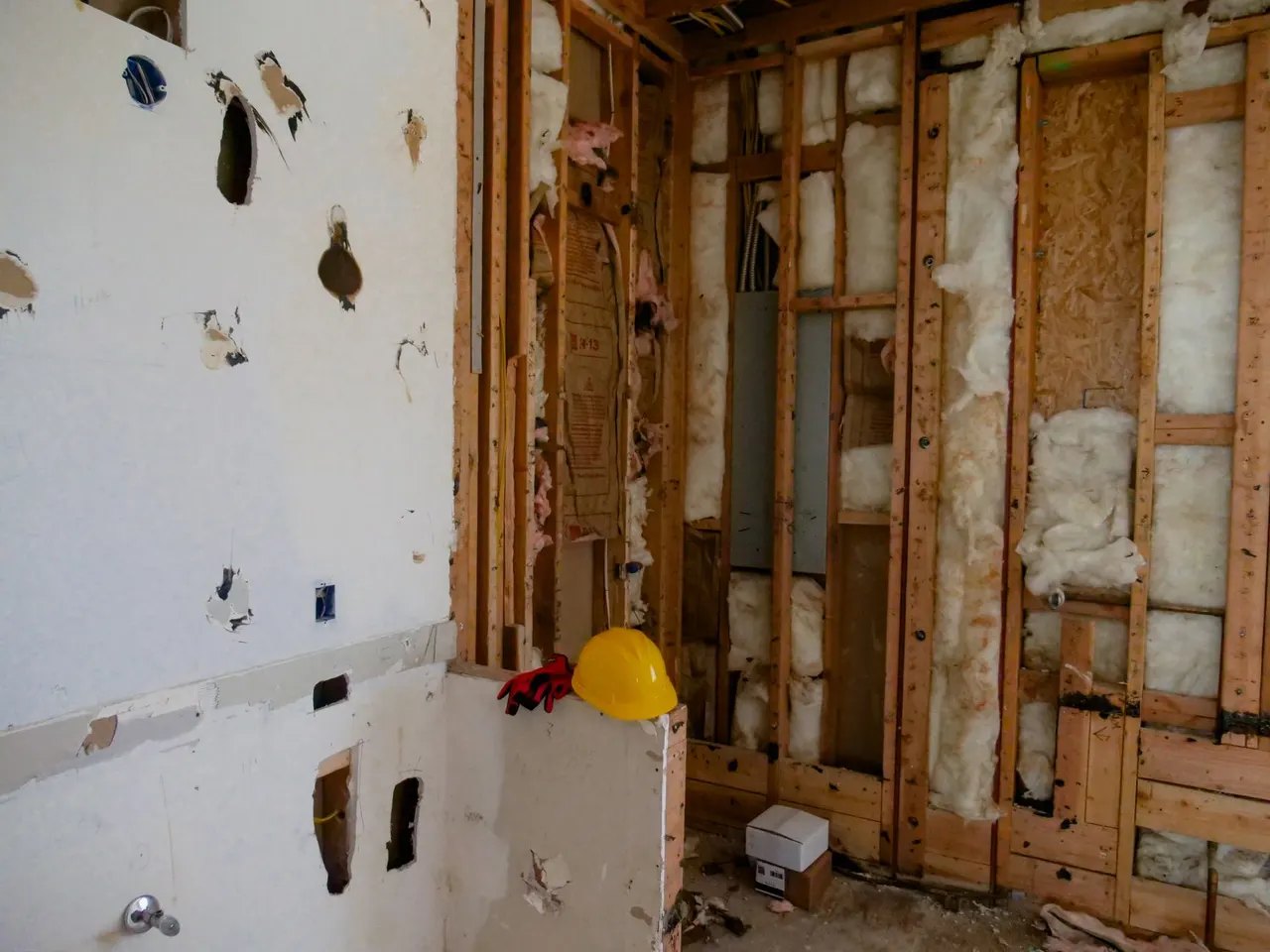
Truck-mounted extraction units and sump pumps pull standing waste from floors and low areas. We remove saturated carpet, padding, baseboards, and any drywall that absorbed contamination.
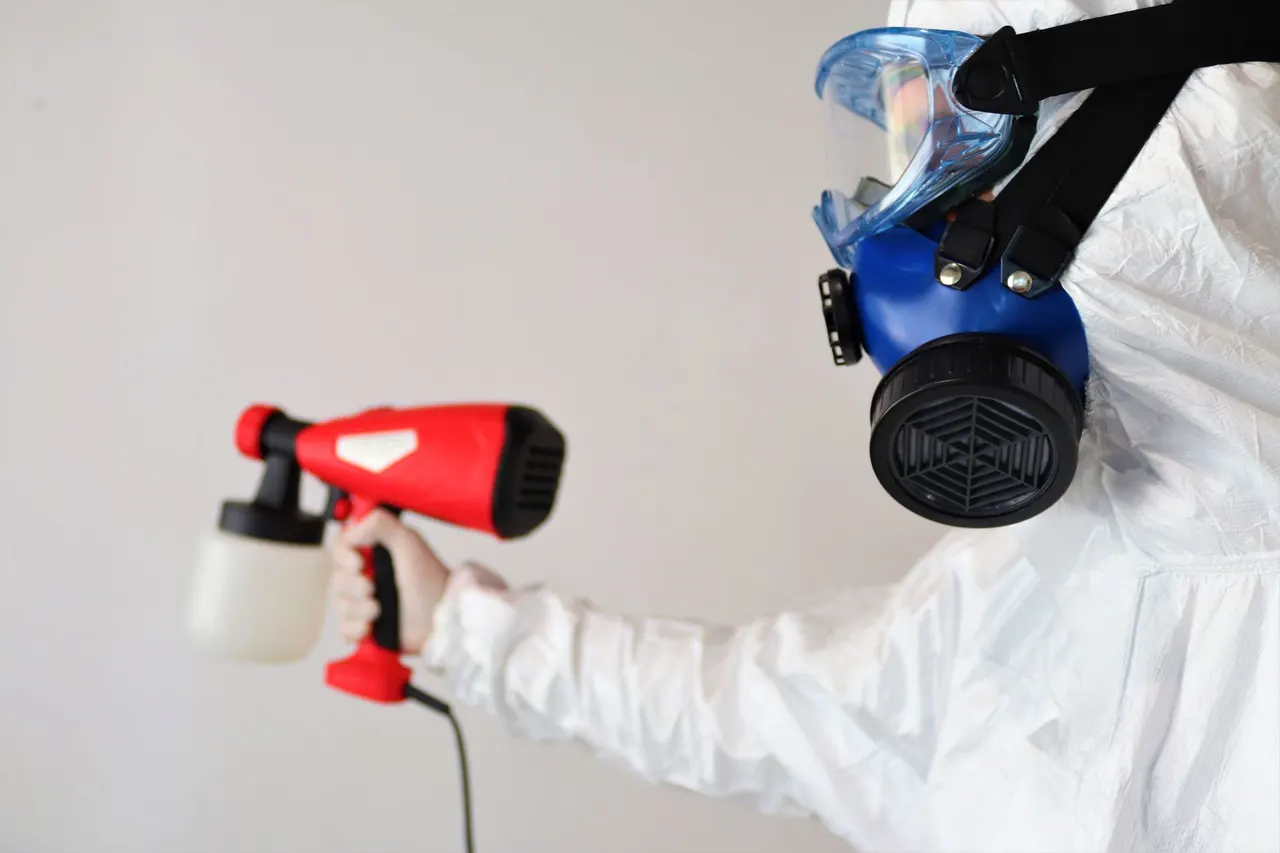
Every exposed surface gets treated with an antimicrobial solution rated for sewage pathogens. We spray framing, subfloor, concrete, and wall cavities. ATP swabs verify the treatment worked before we move to drying.
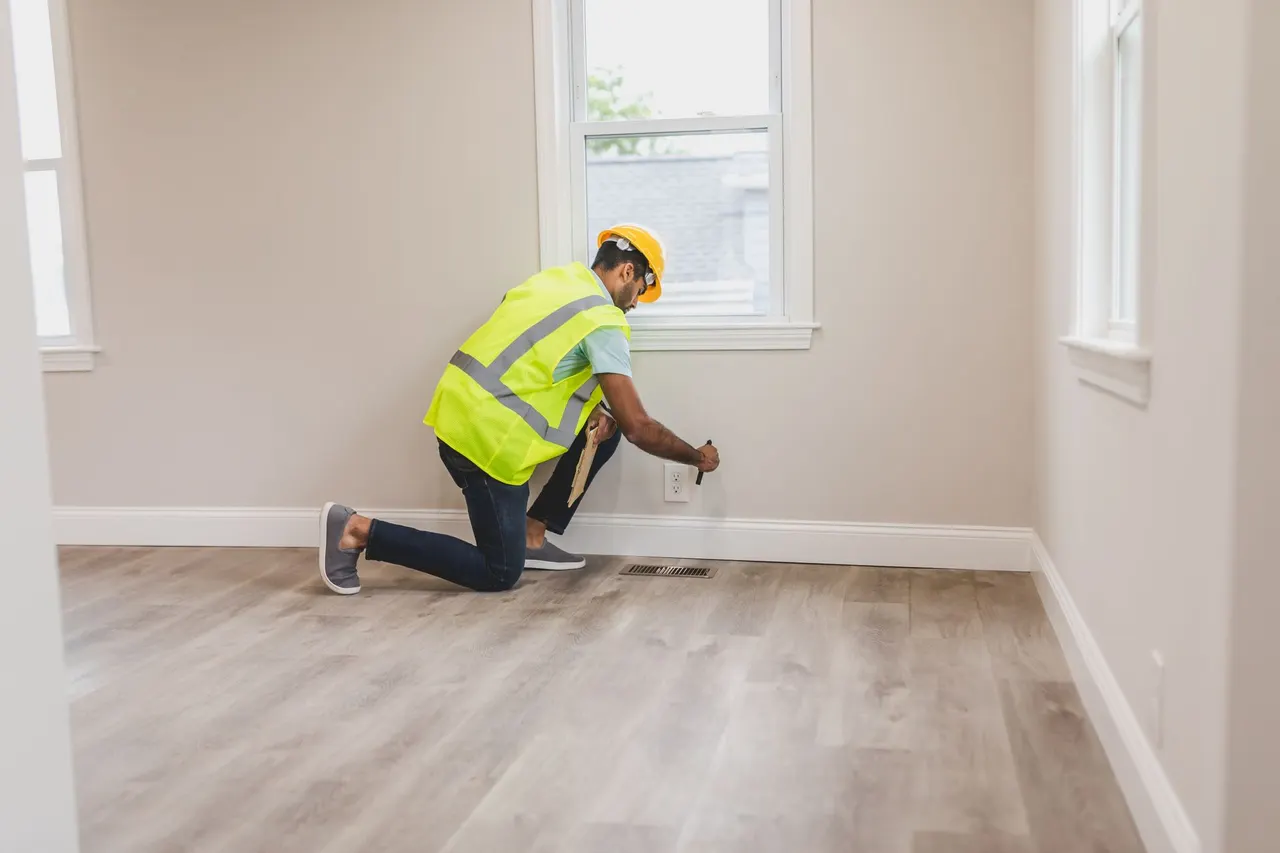
Dehumidifiers, air movers, and floor drying mats pull moisture from framing and subfloor. We monitor daily with a moisture meter and hygrometer. Drying usually takes three to five days depending on the materials and the size of the affected area.
Sewage odor lingers in porous materials and air. We run hydroxyl generators and HEPA filtration alongside drying to clear the smell. By the time we pull equipment, the house should smell clean, not like a sewer.
Photos, moisture maps, daily drying logs, and Xactimate line items go into a file your adjuster can use. We also communicate directly with your insurance company if needed. Good documentation is the difference between a smooth claim and a fight.
The approach is the same for a home and a business. What changes is the access, the schedule and who needs the paperwork.
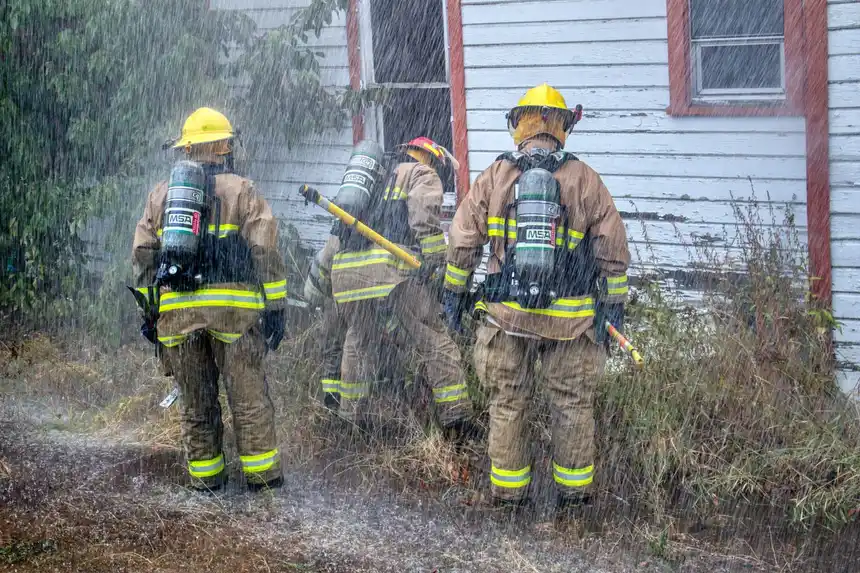
Sewage in a home is a health hazard, not a cleaning chore. We remove the waste, treat the surfaces, and dry the structure so your family can get back to normal.
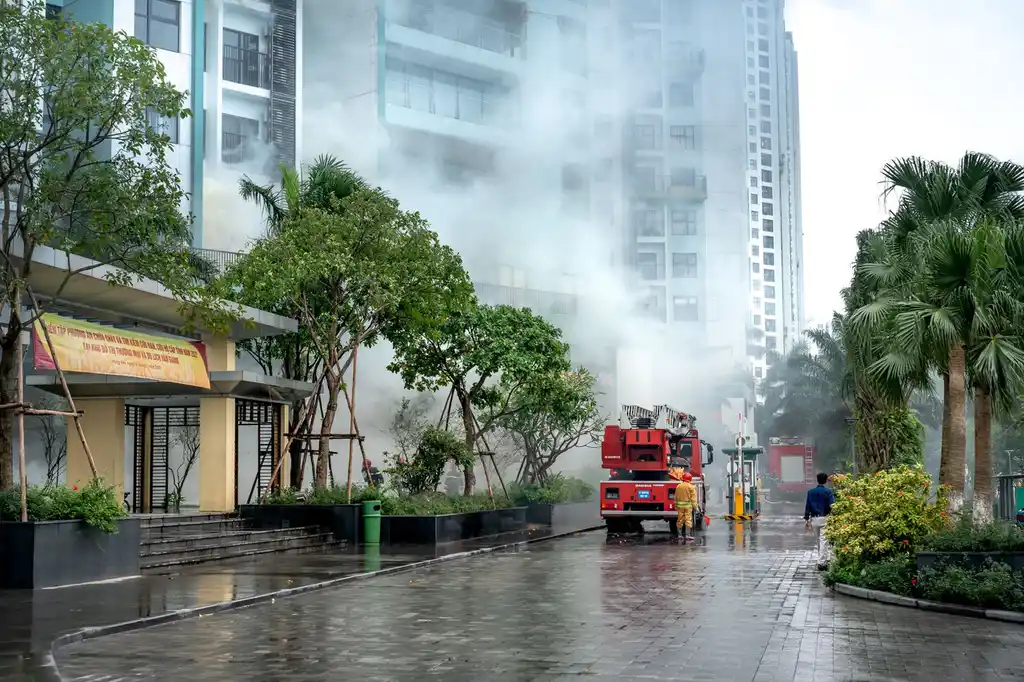
A sewage backup can shut down a restaurant, office, or retail space. We work after hours, clean to inspection standards, and document everything your insurer needs.
A plain-language look at what Biohazard and Sewage Decontamination involves and when it is needed.
See how it worksBiohazard and Sewage Decontamination Fort Worth TX is the process of removing sewage, blood, or other hazardous waste, then disinfecting and drying the affected structure so it is safe to live or work in again. Raw sewage carries E. coli, salmonella, hepatitis A, and parasites. Those pathogens soak into drywall, carpet padding, baseboards, and plywood within hours. We pull the contaminated materials, treat the framing with an antimicrobial solution, and run dehumidifiers and air movers until moisture readings match a dry standard.
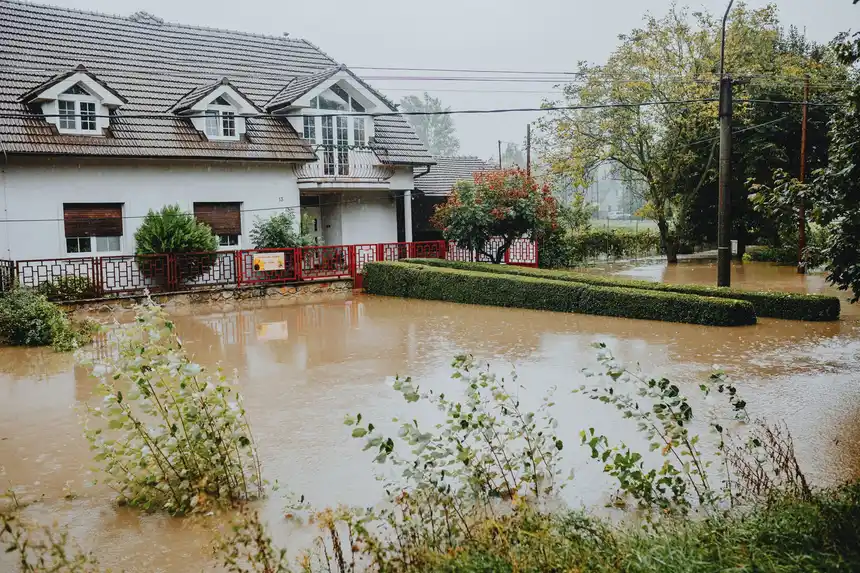
Fort Worth homes face sewage backups for a few predictable reasons. Older cast-iron drain lines in Fairmount and Near Southside crack and root-intrude. Slab leaks under pier-and-beam foundations push water up through the floor. Summer storm flooding overwhelms the city's combined storm and sanitary lines. If you search sewage decontamination near me Fort Worth after a backup, you need a crew that treats the job as a health hazard, not a plumbing fix. We do both: stop the source and clean what it touched.
Sewage is Category 3 water. It needs extraction, disinfection, and verified drying, not a mop and bleach.
Every job follows the same five-step sequence. It keeps our crew safe, your family safe, and your insurance claim clean. Here is what to expect from the first call to the final walkthrough.
You call, we ask the right questions: what backed up, how much water, is it still flowing, is anyone sick. We dispatch a crew with PPE, extraction gear, and containment materials. Most Fort Worth addresses see us in 60 to 90 minutes. We shut off the source if it is safe to do so and stop the spread before we start cleaning.
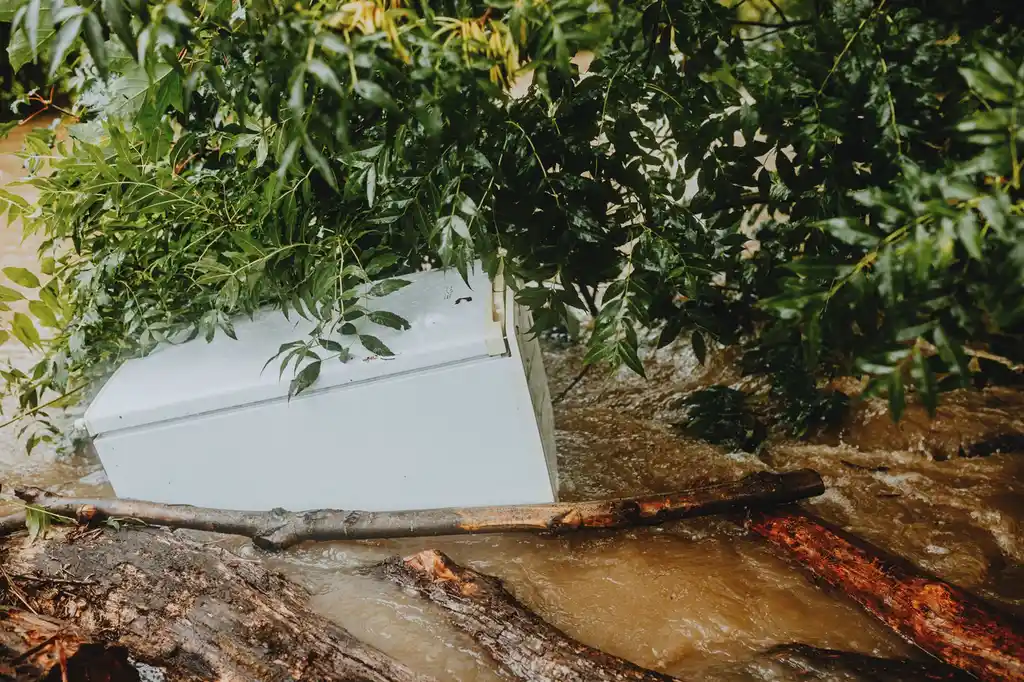
Sewage is a Category 3 water loss, which means grossly contaminated. We seal off the affected area with plastic sheeting and negative air pressure so pathogens and odors do not migrate to clean rooms. Crews wear Tyvek suits, respirators, and nitrile gloves. This step takes 20 to 40 minutes depending on the size of the space.
We pump standing sewage with a water extraction unit and sump pump, then pull saturated carpet, carpet padding, baseboards, and any drywall that wicked up waste. Porous materials cannot be saved once sewage touches them. This is the messiest part and usually the fastest.
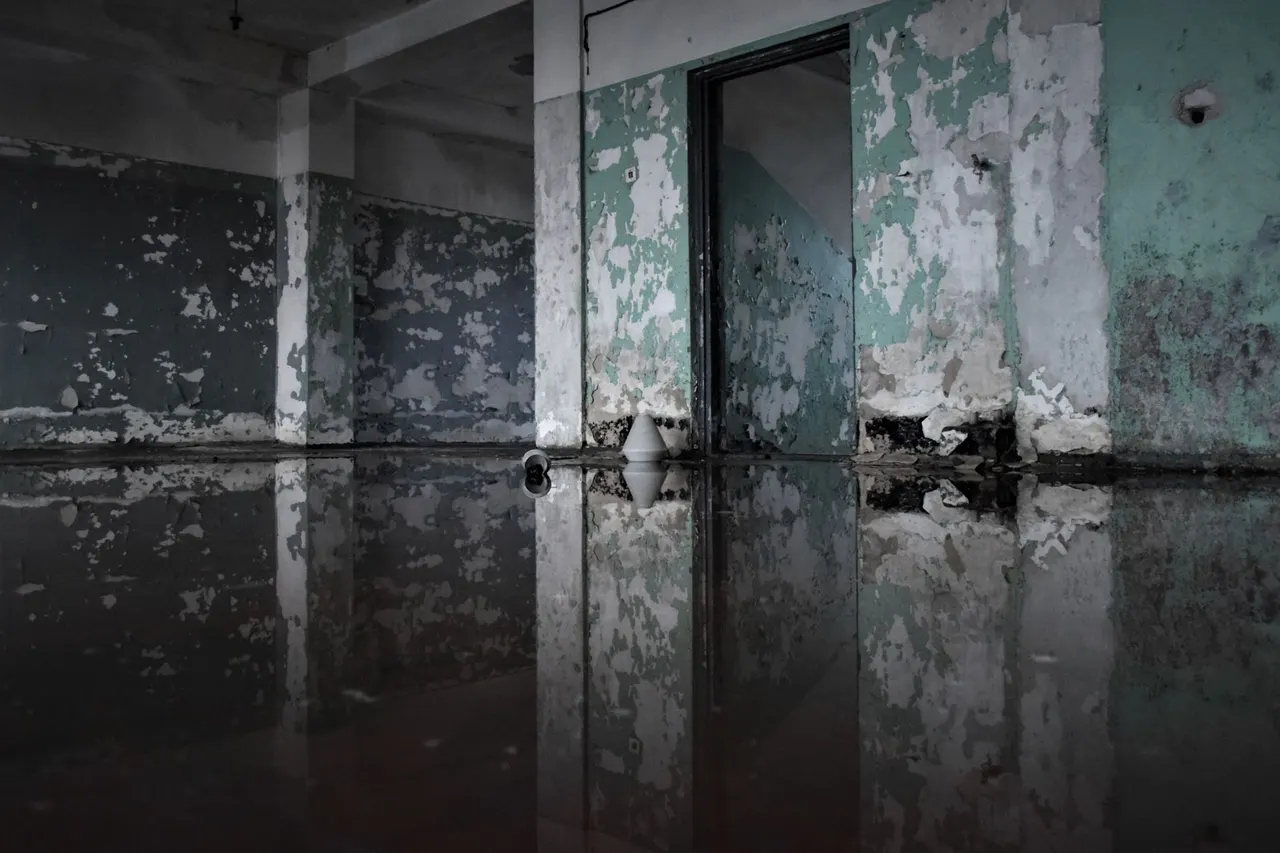
Every exposed surface gets sprayed with an antimicrobial solution rated for sewage pathogens. We treat framing, subfloor, and concrete. We use a boroscope to check inside wall cavities and a borescope to verify hard-to-reach areas. This step kills what extraction leaves behind. Skipping it is how mold shows up three weeks later.
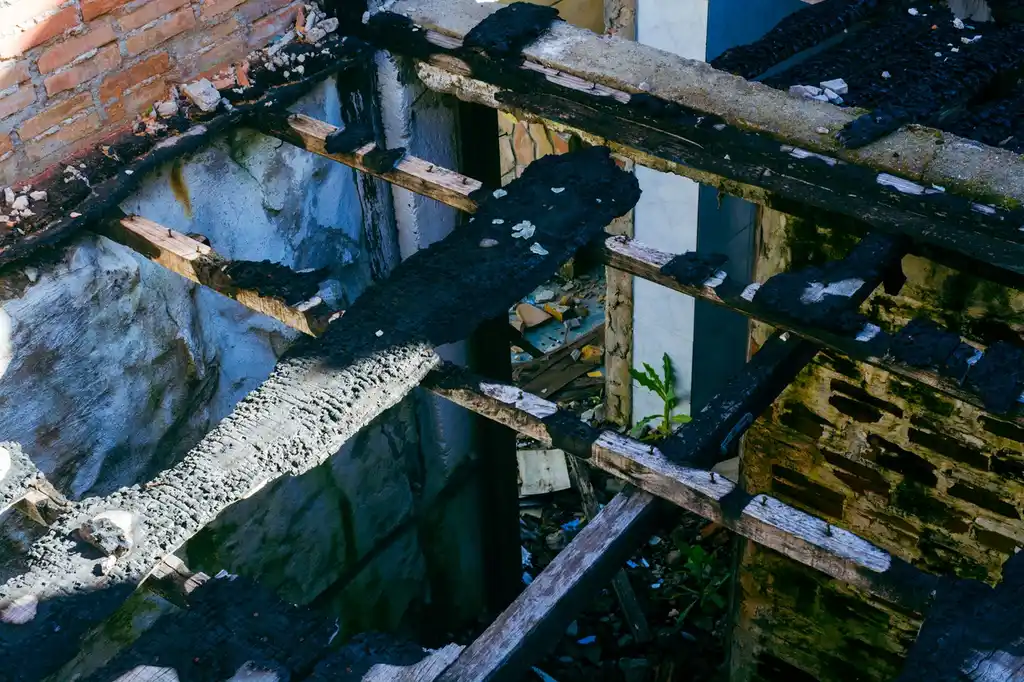
We set dehumidifiers, air movers, and floor drying mats to pull moisture out of the framing and slab. Daily readings with a moisture meter, hygrometer, and infrared thermometer track progress. Most jobs dry in three to five days. We do a final walkthrough with you, show the readings, and hand over documentation for your claim.
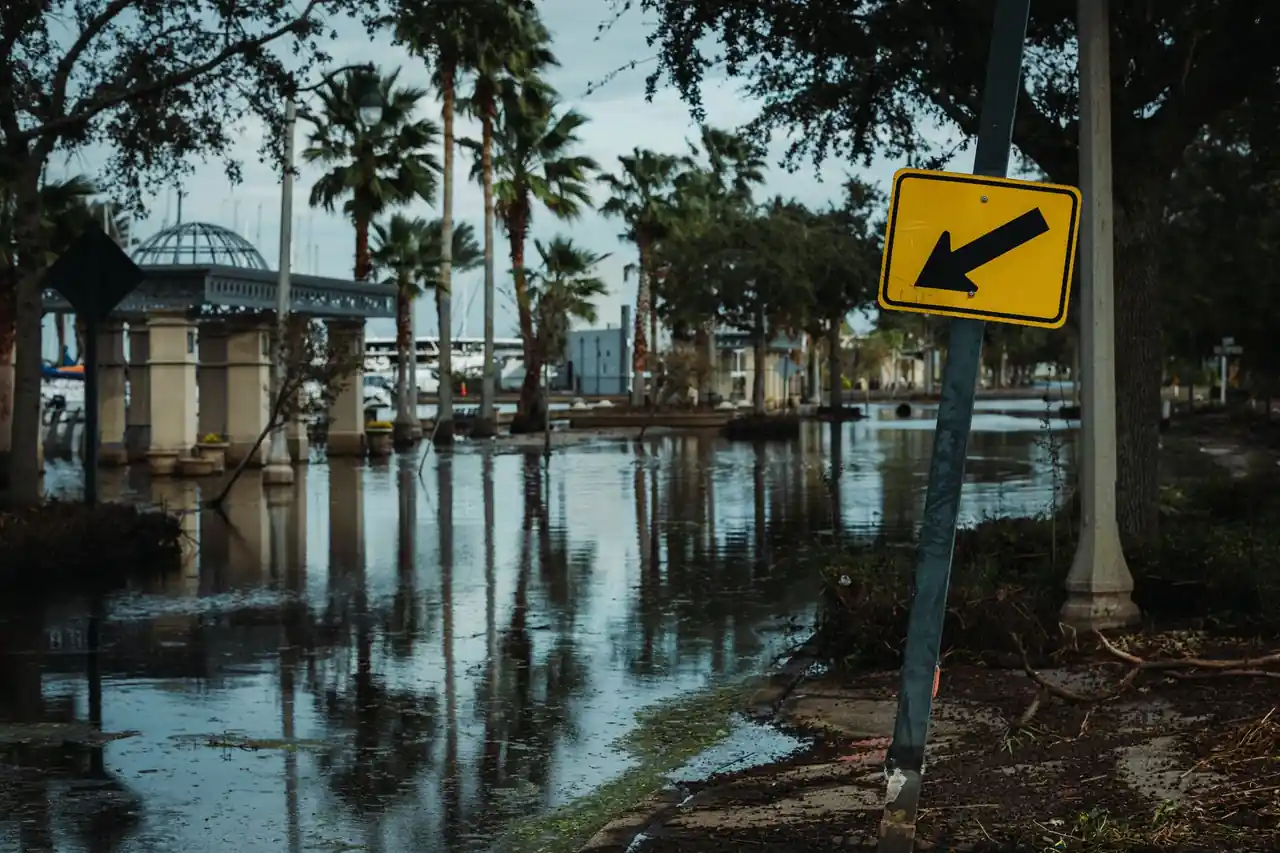
Move across a circle, or focus it and press Enter, for an illustrative thermal view of the photograph.
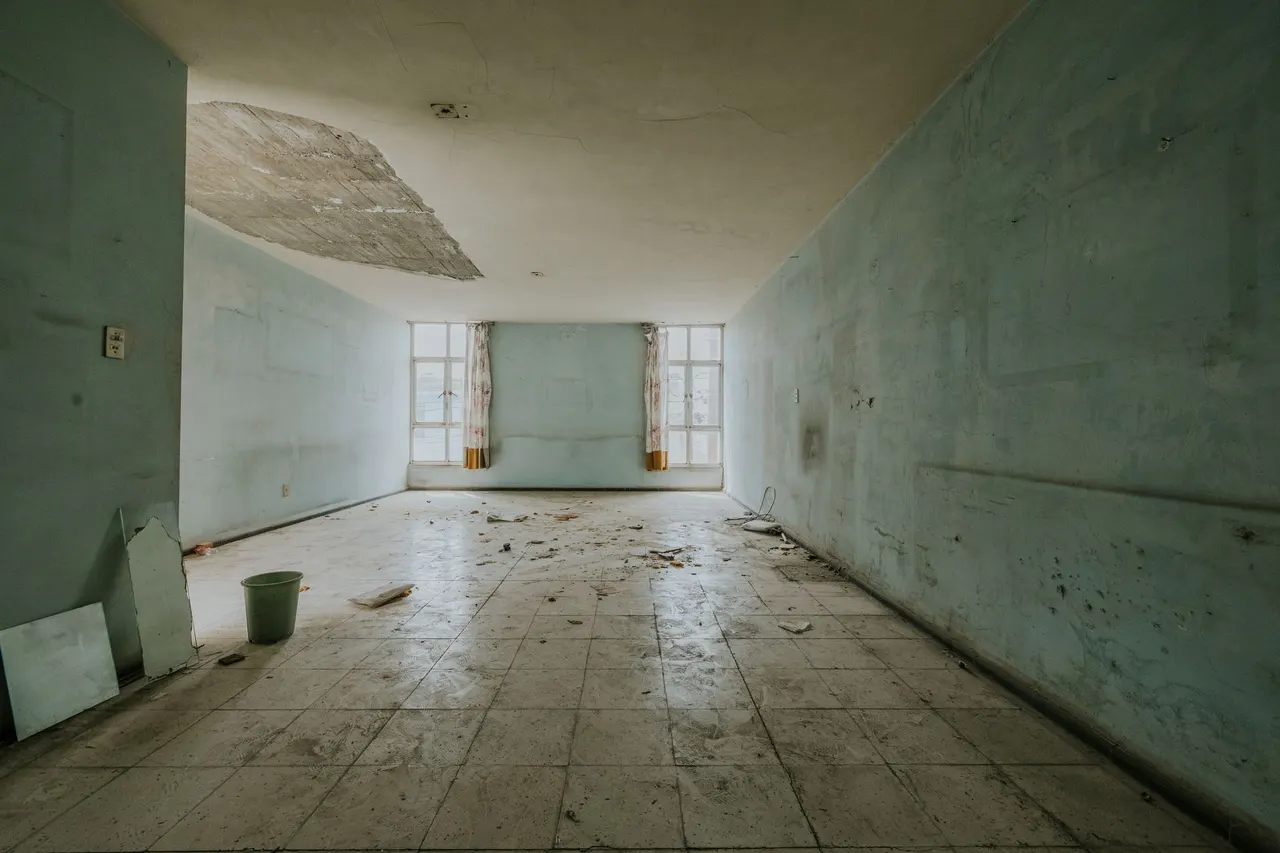
We use these to measure moisture content in framing, drywall, and air. Daily readings tell us when the structure is actually dry, not just dry to the touch.

Infrared imaging shows us where contaminated water spread behind walls and under floors. It finds hidden moisture that a visual inspection would miss.
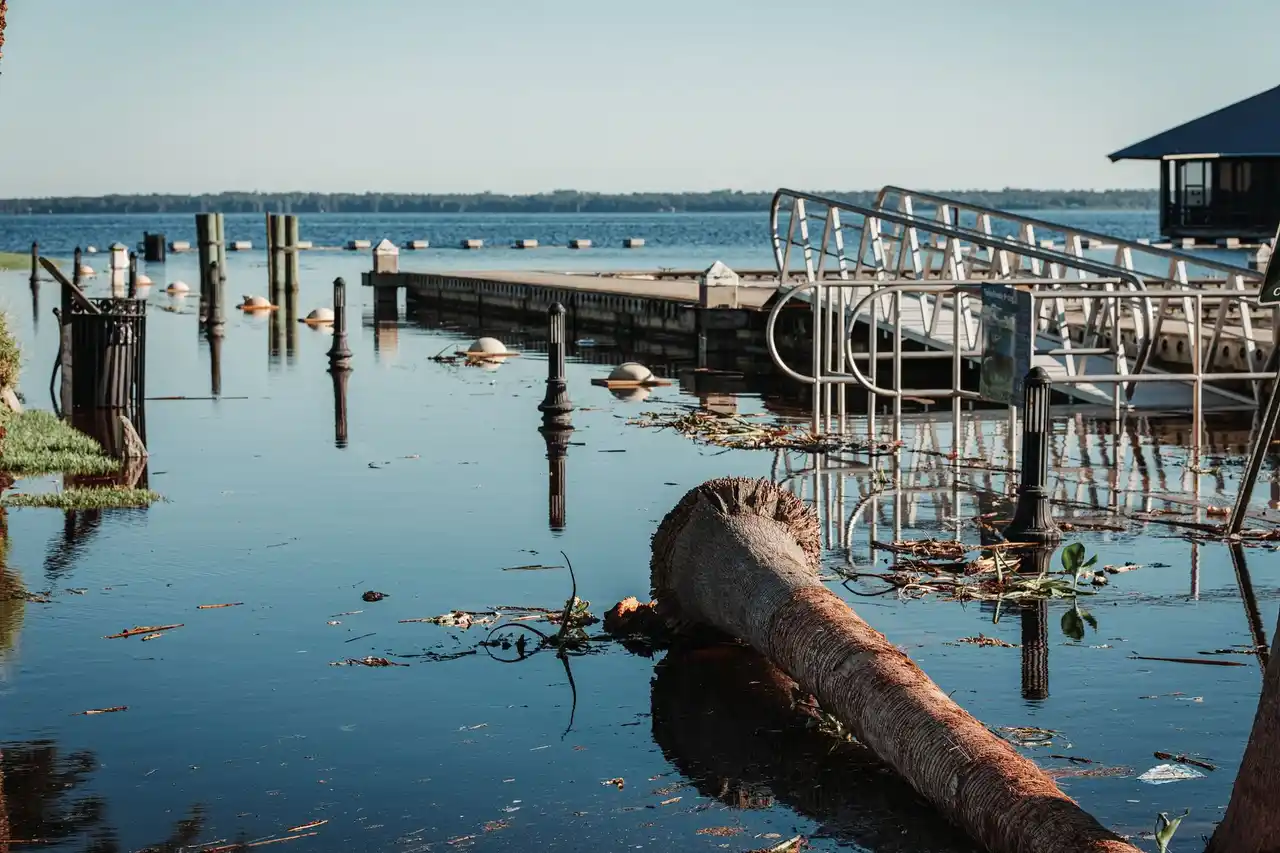
A boroscope lets us look inside wall cavities and under cabinets without tearing everything apart. We use it to confirm contamination and to verify the cleaning worked.
We run Dri-Eaz and Phoenix dehumidifiers and air movers because they hold up to daily job site use. They pull moisture fast and keep running through long drying cycles.
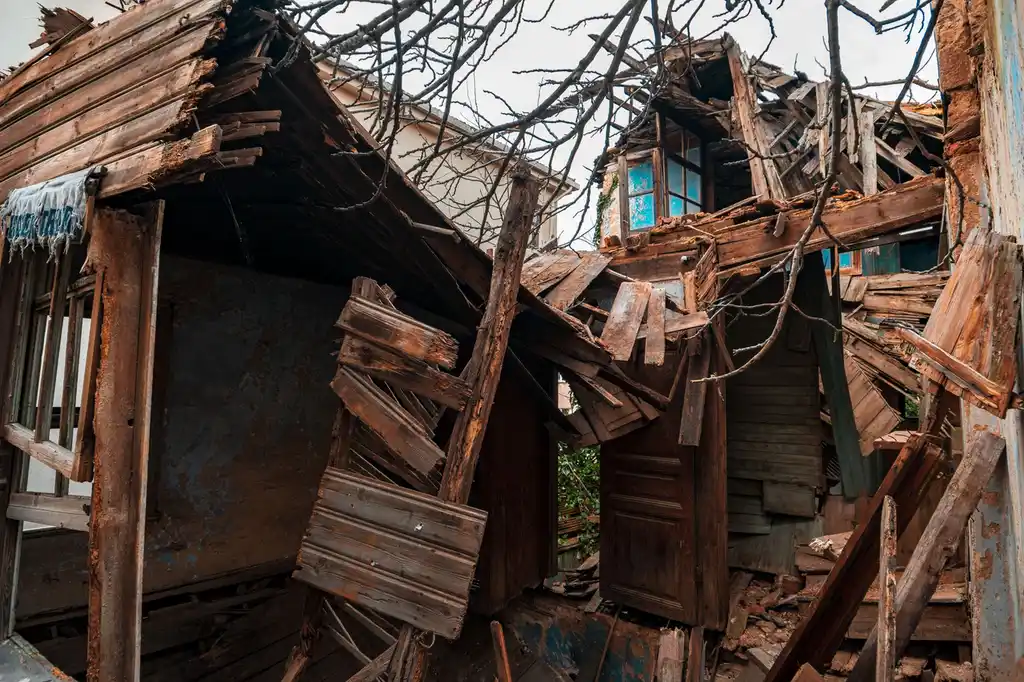
Truck-mounted extraction units pull hundreds of gallons quickly. Sump pumps handle standing waste in low areas like basements and crawl spaces.
Thermal views are illustrative, generated from the photographs.
Drying mats sit on hardwood and subfloor to pull moisture out of the material itself. They are essential for saving hardwood when the contamination did not reach it.
We treat every exposed surface with antimicrobial solution rated for sewage pathogens. Sealant goes on framing and subfloor after drying to lock in any remaining residue.
The IICRC S500 defines how to handle grossly contaminated water. We follow it on every sewage job, from containment to disposal. That means porous materials come out, surfaces get treated, and drying is verified with instruments.
Sewage carries pathogens that can make you sick. Our crews follow OSHA bloodborne pathogen rules: PPE, containment, safe disposal, and decontamination of tools and equipment. This protects our team and your family.
Xactimate is the estimating software most insurance adjusters use. We write our scopes in Xactimate line items so your claim moves faster. That means fewer questions, fewer delays, and a better chance of full coverage.
ATP swabs measure organic residue on surfaces. We use them after disinfection to verify the treatment worked. If a swab reads high, we clean again before moving to drying.
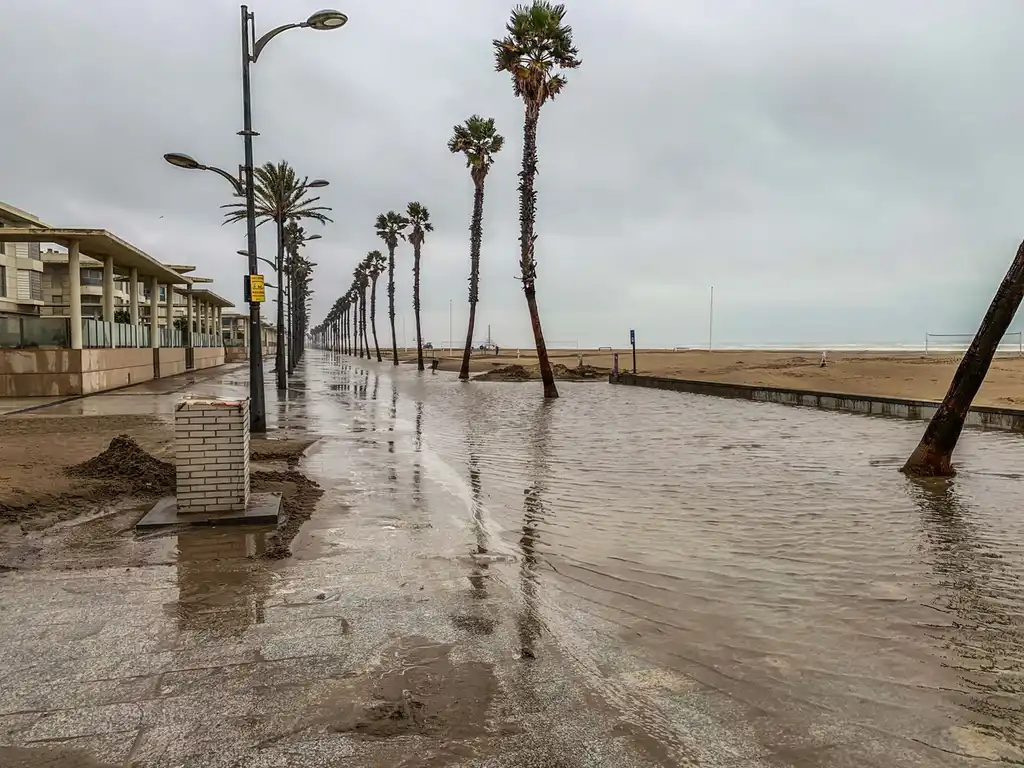
A toilet overflows at 2 a.m. and sewage spreads across the bathroom and hallway carpet.
We dispatch a night crew with extraction gear and containment supplies. We stop the flow if possible, extract the waste, pull the saturated carpet and padding, and treat the subfloor with antimicrobial solution. Drying equipment goes down before we leave.
Outcome: By morning, the waste is gone, the area is disinfected, and drying is underway. You and your family can stay in the home, just avoid the contained area.

A slab leak under a pier-and-beam home pushes sewage up through the floorboards in the living room.
We use thermal imaging and a moisture meter to map how far the contamination spread under the floor. Then we remove affected flooring, treat the joists and subfloor, and set drying equipment. We coordinate with a plumber to fix the line.
Outcome: The structure dries in four to six days, the contamination is gone, and the flooring is replaced. Your living room is back to normal without a mold problem six months later.
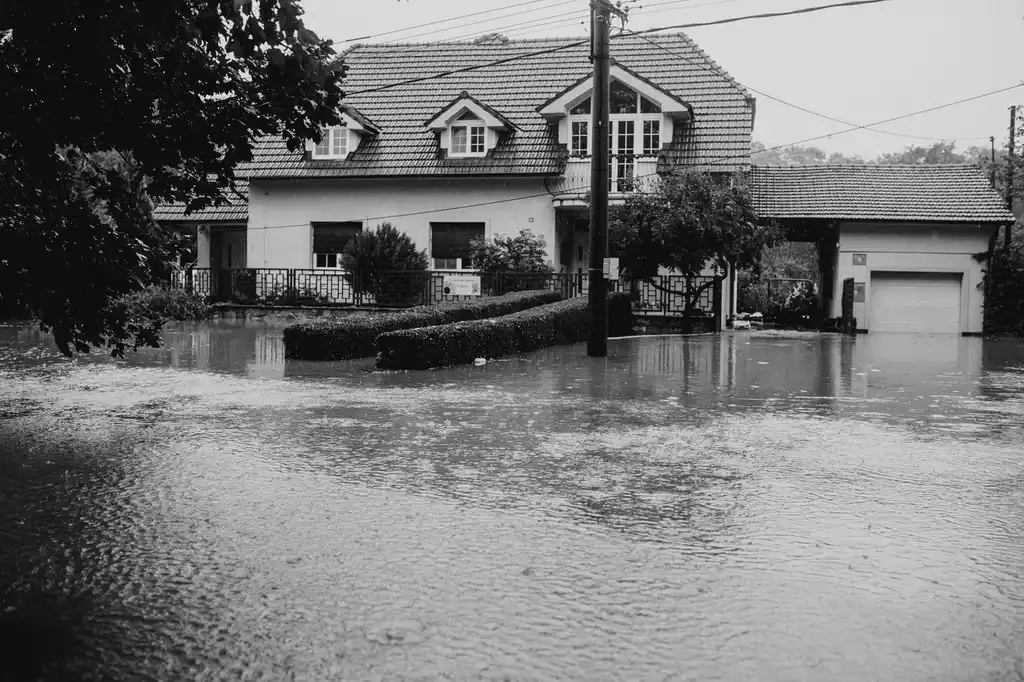
A commercial restaurant has a sewage backup in the kitchen during dinner service.
We respond after hours, contain the kitchen, extract the waste, and disinfect every surface. We document the treatment for the health inspector and coordinate with your staff on what can be saved. Drying runs overnight.
Outcome: The kitchen passes inspection and reopens the next day. Documentation protects you if the health department or your insurer asks questions later.
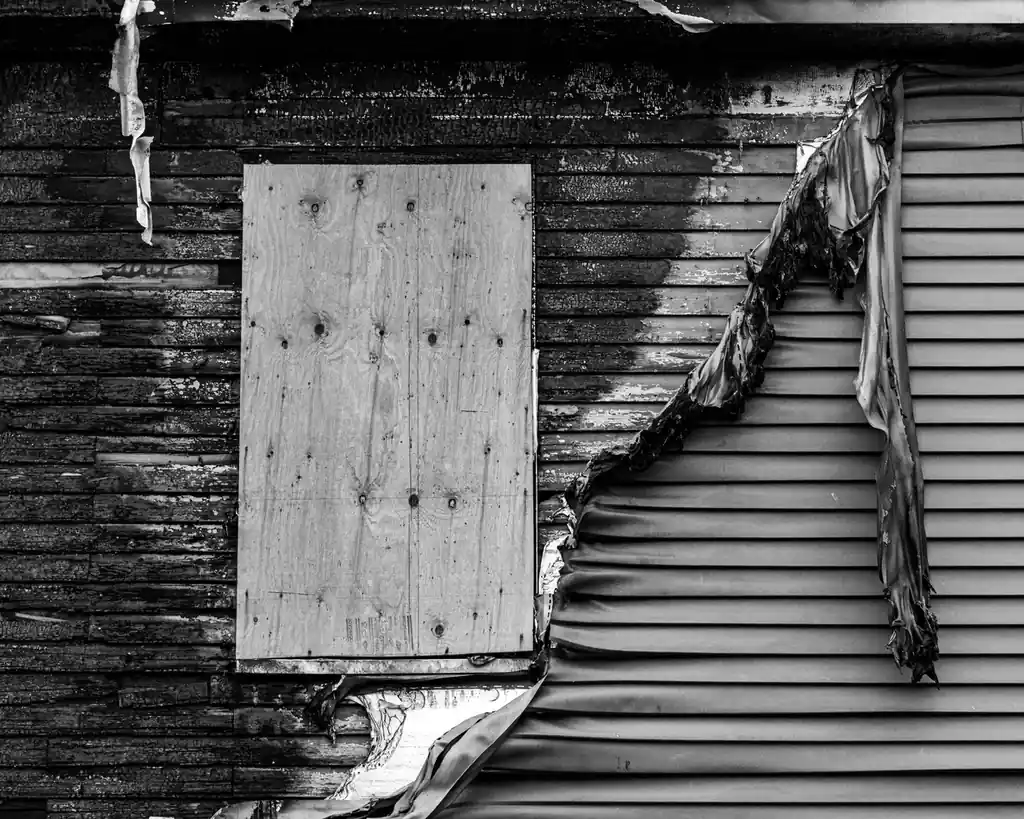
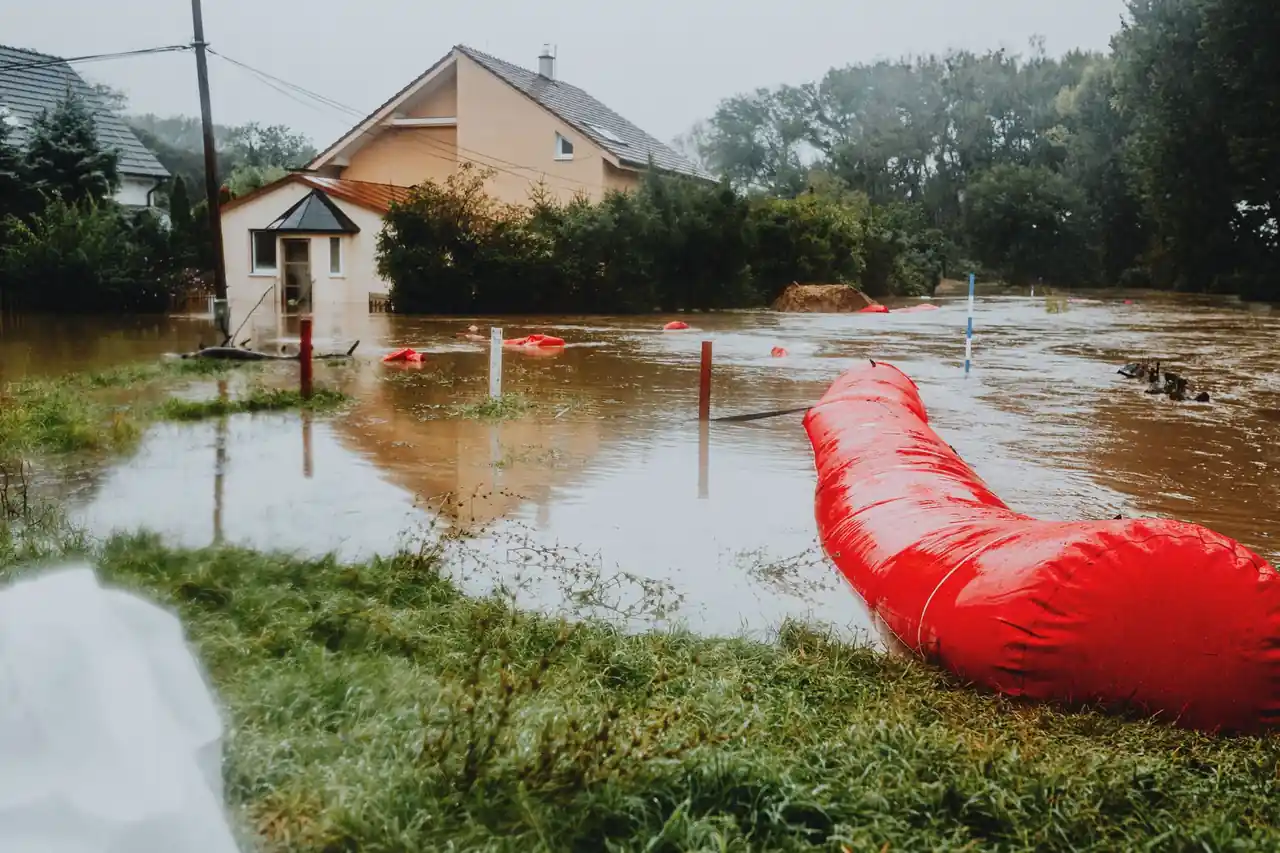
Storm flooding sends sewage-contaminated water into a finished basement after a heavy rain.
We treat the water as Category 3 from the start. Extraction, material removal, antimicrobial treatment, and drying follow the full sewage protocol. We also check for mold growth in the walls and ceiling cavity.
Outcome: The basement is dry, disinfected, and ready for reconstruction within a week. Your insurance claim includes the documentation it needs to cover the loss.
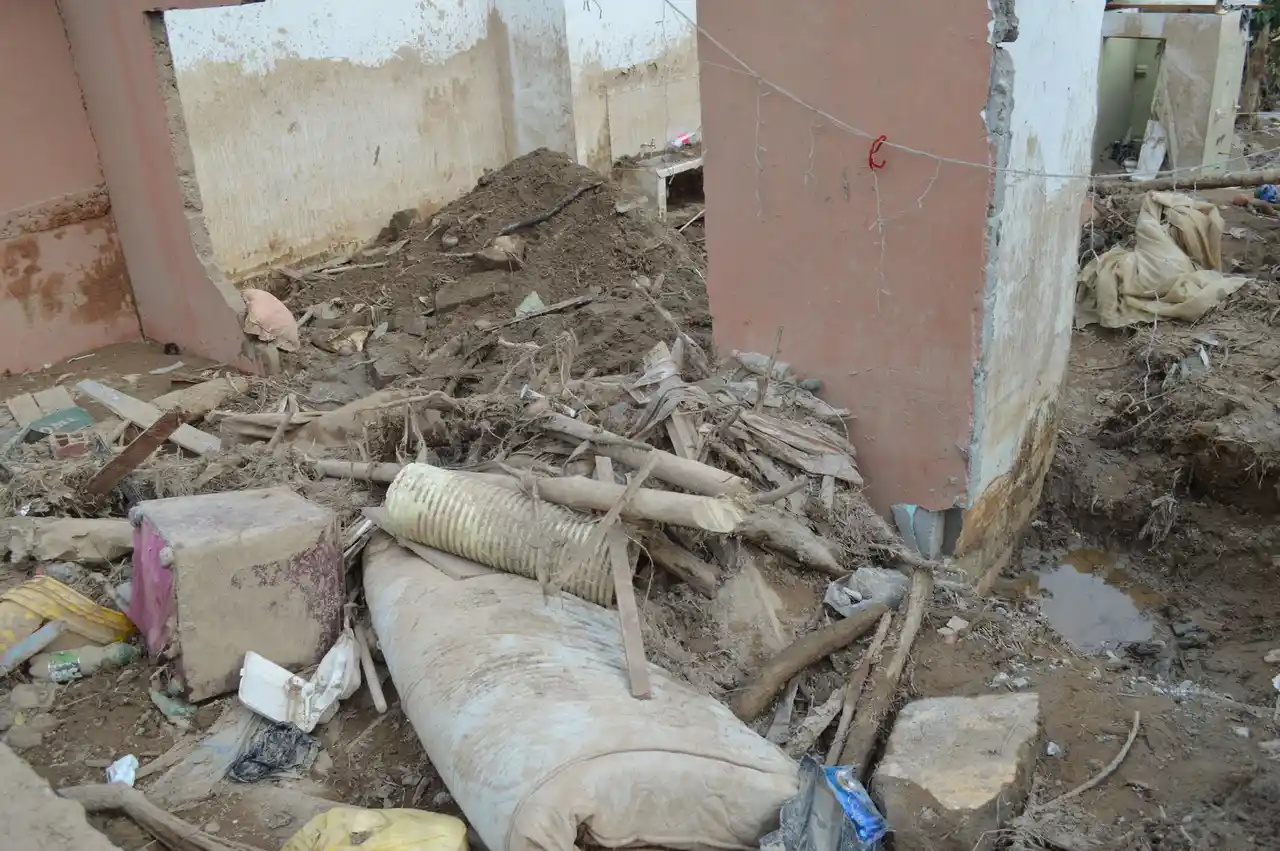
A rental property has a sewage backup while the tenant is away for a week.
We handle the cleanup and coordinate with the property manager for access. We document everything with photos and moisture maps. The tenant gets a safe unit back, and the owner gets a clean insurance file.
Outcome: The unit is rent-ready in five to seven days. The owner avoids a mold claim and keeps the tenant happy.
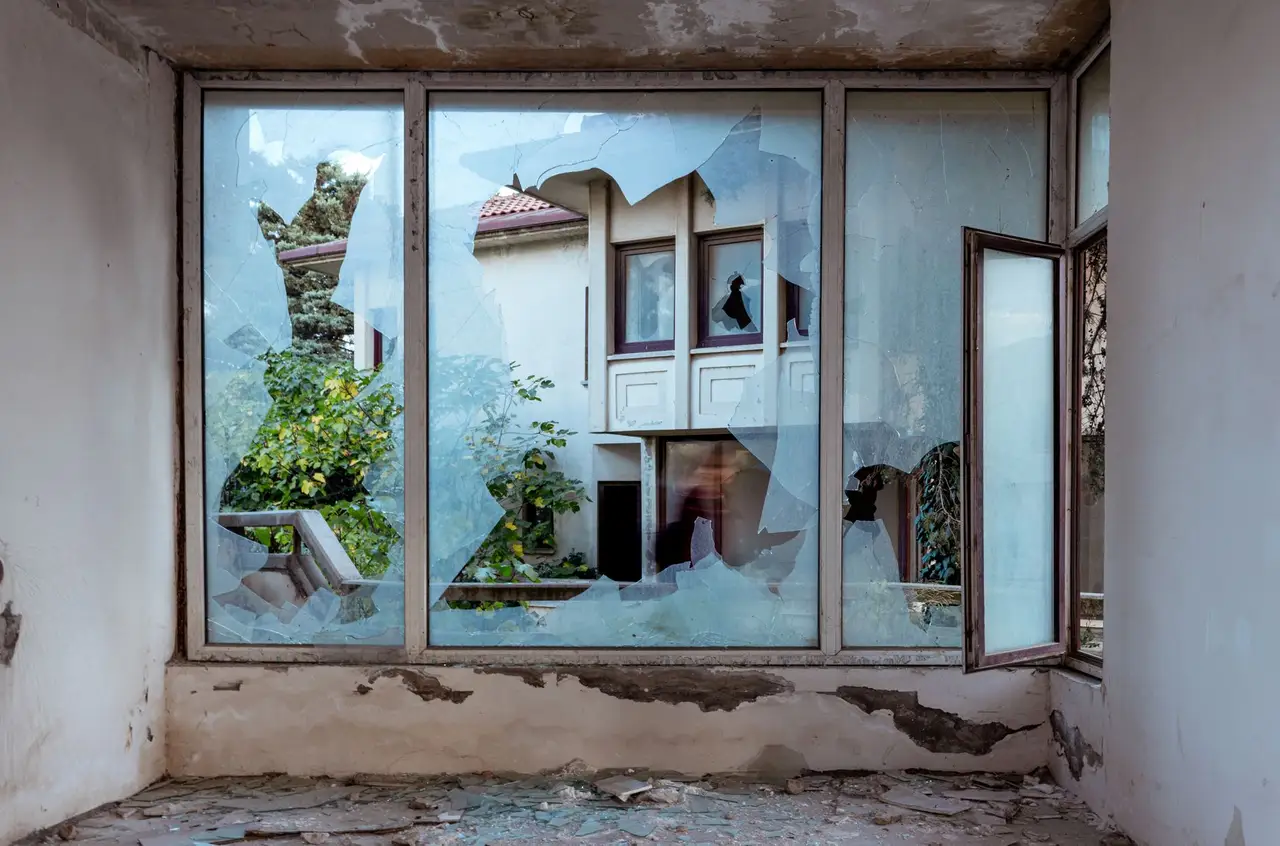
Fort Worth has a mix of housing stock that affects how we handle sewage cleanup. Fairmount and Near Southside are full of 1920s bungalows with original cast-iron drain lines. Those lines crack, root-intrude, and fail, which is why we get so many calls from those neighborhoods.
Arlington Heights and the TCU Area have more pier-and-beam homes, where a slab leak or drain failure can push sewage up through the floorboards. West 7th and Downtown are denser, with condos and commercial spaces that need after-hours work to avoid disrupting neighbors. Our climate matters too. Fort Worth summers hit 100 degrees, which speeds up pathogen growth and odor.
Winter freezes crack pipes and cause backups when lines thaw. Spring storms overwhelm the combined storm and sanitary sewers, sending contaminated water into homes. We keep crews and equipment staged across Tarrant County so we can reach most addresses in 60 to 90 minutes, whether it is a 2 a.m. pipe burst in 76164 or a storm backup in 76137.
Before: A cast-iron drain line failed under a 1925 bungalow, backing sewage into the bathroom and hallway. Carpet, padding, and 18 inches of drywall were saturated. The homeowner called us at 6 a.m. after discovering the mess.
After: We extracted 40 gallons of waste, removed 220 square feet of carpet and padding, and treated the subfloor and framing. Drying took four days. Moisture readings dropped from 28 percent to 11 percent. The homeowner's insurance covered the cleanup and rebuild.
We recommended a camera inspection of the remaining cast-iron lines every two years.
Before: A shared drain line backed up into two ground-floor condos on a Friday night. Sewage spread across 600 square feet of tile and laminate. The property manager needed both units cleaned and dried without displacing tenants for long.
After: We contained both units, extracted the waste, and disinfected all surfaces. Drying equipment ran for five days. Both units were back in service within a week. Documentation went to the HOA's insurance carrier.
The HOA scheduled annual drain line jetting for the building. We also recommended moisture sensors in the ground-floor units to catch future backups early.
Before: A slab leak under a pier-and-beam home pushed sewage up through the living room floorboards. The contamination spread under 300 square feet of hardwood. The homeowner noticed the smell before seeing any water.
After: We removed the affected hardwood, treated the joists and subfloor with antimicrobial solution, and dried the structure for six days. New hardwood was installed and finished to match. Final moisture readings were within 2 percent of dry standard.
We suggested a slab leak detection check every three years and a moisture meter reading after any plumbing work. The homeowner now checks under the house after heavy rain.
Sewage backups show up in a few predictable ways. Knowing which one you have helps us bring the right equipment and plan the right scope. Here are the most common calls we get.
A clean, dry, documented space you can safely use again.
We use hospital-grade disinfectants rated for sewage-borne pathogens, not grocery-store bleach. Every surface gets treated, then verified with ATP swabs so you know the contamination is gone. That is what separates real biohazard cleanup Fort Worth TX from a guy with a shop vac.
Sewage in your home is a 911-level problem. We run emergency biohazard cleanup Fort Worth TX crews seven days a week, with most calls reached within 60 to 90 minutes. The longer waste sits, the deeper it soaks, and the higher your repair bill climbs.
Most homeowner policies cover sudden sewage backups if you have the endorsement. We document everything with photos, moisture maps, and Xactimate line items your adjuster recognizes. That documentation is why affordable biohazard cleanup Fort Worth TX does not have to mean out-of-pocket for the whole job.
After the waste is gone, the structure still has to dry. We set Dri-Eaz and Phoenix Restoration Equipment dehumidifiers and air movers, then check readings daily with a moisture meter and thermal imaging camera. We do not pull equipment until the framing hits dry standard.
Clear records you can keep and share.
Before, during, and after images
Marked wet zones and daily readings
Daily equipment and meter records
Itemized work for your adjuster
The category of water determines how we clean it. Sewage is always the most serious.
Clean water from a supply line
Gray water with some contamination
Grossly contaminated sewage water
A list like this tells people straight away whether you cover their street. Not listed? Call and ask: it only takes a minute.
Based in Fort Worth and covering the places around it. Pick one for local details.
Small bathroom backups with minimal material removal land near the low end. Whole-floor sewage floods with carpet, drywall, and cabinet removal push higher. If you have the sewage backup endorsement on your homeowner policy, insurance often covers most of it. We provide a written scope before work starts.
Fort Worth Restorations handles biohazard cleanup in Fort Worth TX, including sewage backups, unattended death cleanup, hoarding situations, and rodent contamination. If you are searching biohazard cleanup near me Fort Worth TX, call us at +1 817-270-9150 and we will tell you on the phone whether we can help.
Yes, if you have the sewage or water backup endorsement on your homeowner policy. We document the loss with photos, moisture maps, and Xactimate line items so your adjuster has what they need. We also work with you directly on the claim if the initial offer comes in low.
Extraction and disinfection usually take one day. Structural drying takes three to five days, sometimes six in older pier-and-beam homes with thick subfloors. Total project time from call to final walkthrough is typically four to seven days. If reconstruction is needed after drying, that adds time depending on the scope. We give you a day-by-day schedule at the start so you know what to expect.
Other services from the same team.
Sewage in your home is a health emergency. One call gets it handled.
Call +1 817-270-9150 any time, day or night. We answer, ask a few questions about the source and the rooms affected, and dispatch a crew. If you prefer email, send photos and your address to [email protected] and we will follow up with next steps.